Your cart is empty
Start Shopping Exterior
›
Exterior
›
 Bumper Diffuser/Guard
 Body Covers
 Window Garnishing
 Door Guards
 Roof Rails
 Side Beading
 Door Visor
 Mud Flap
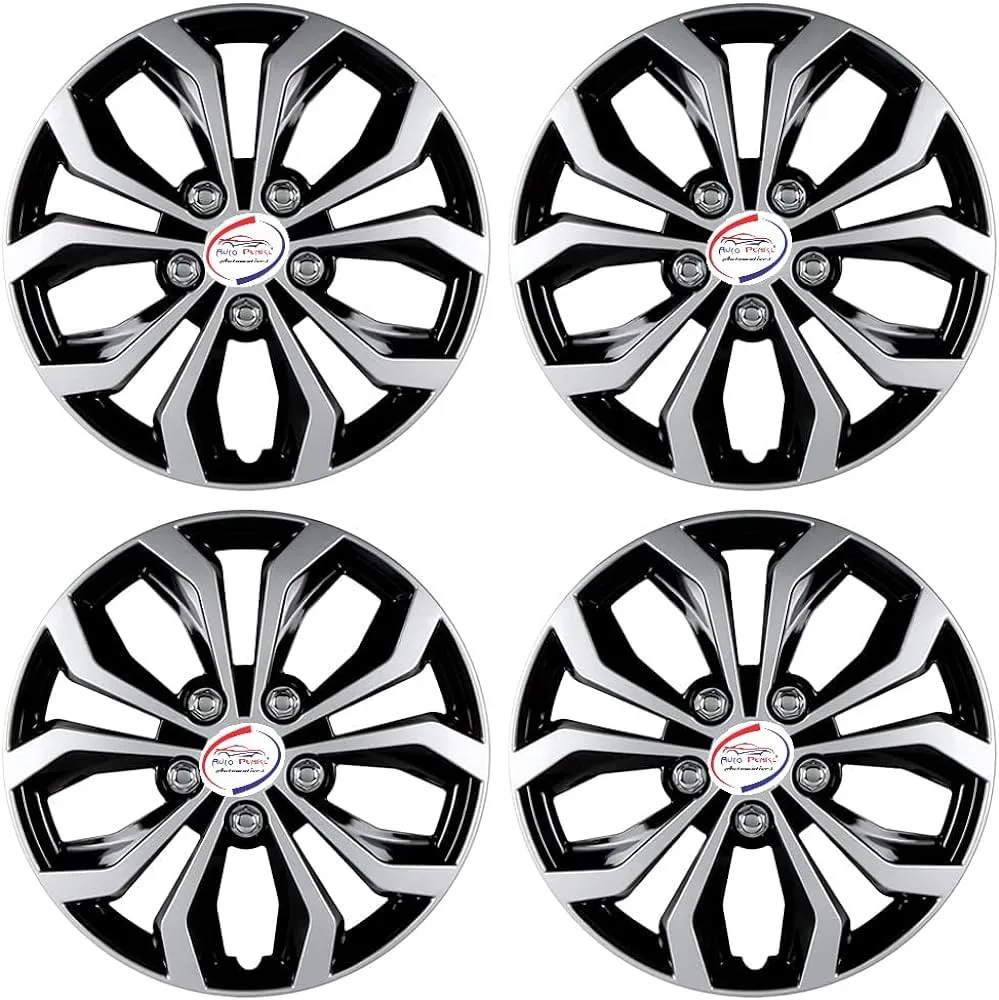 Wheel Cover
 Foot Rest
 Interior
›
Interior
›
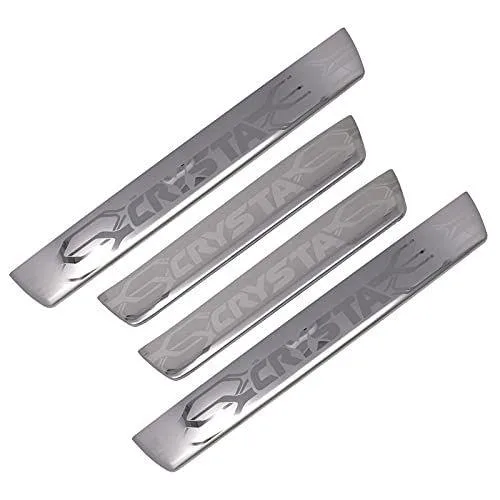 Door Scuff Sill Plates
 Window Sunshades & Film
 Armrest
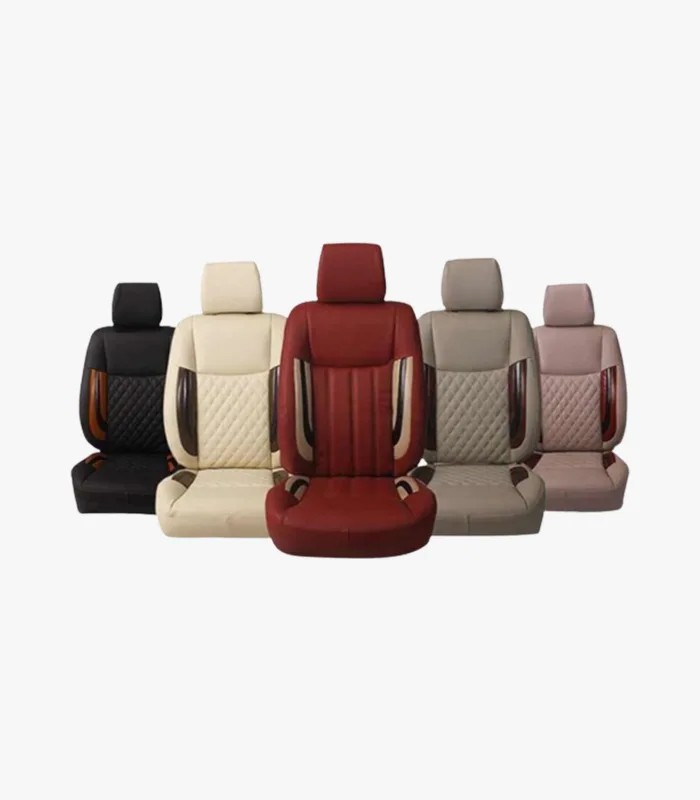 Seat Covers
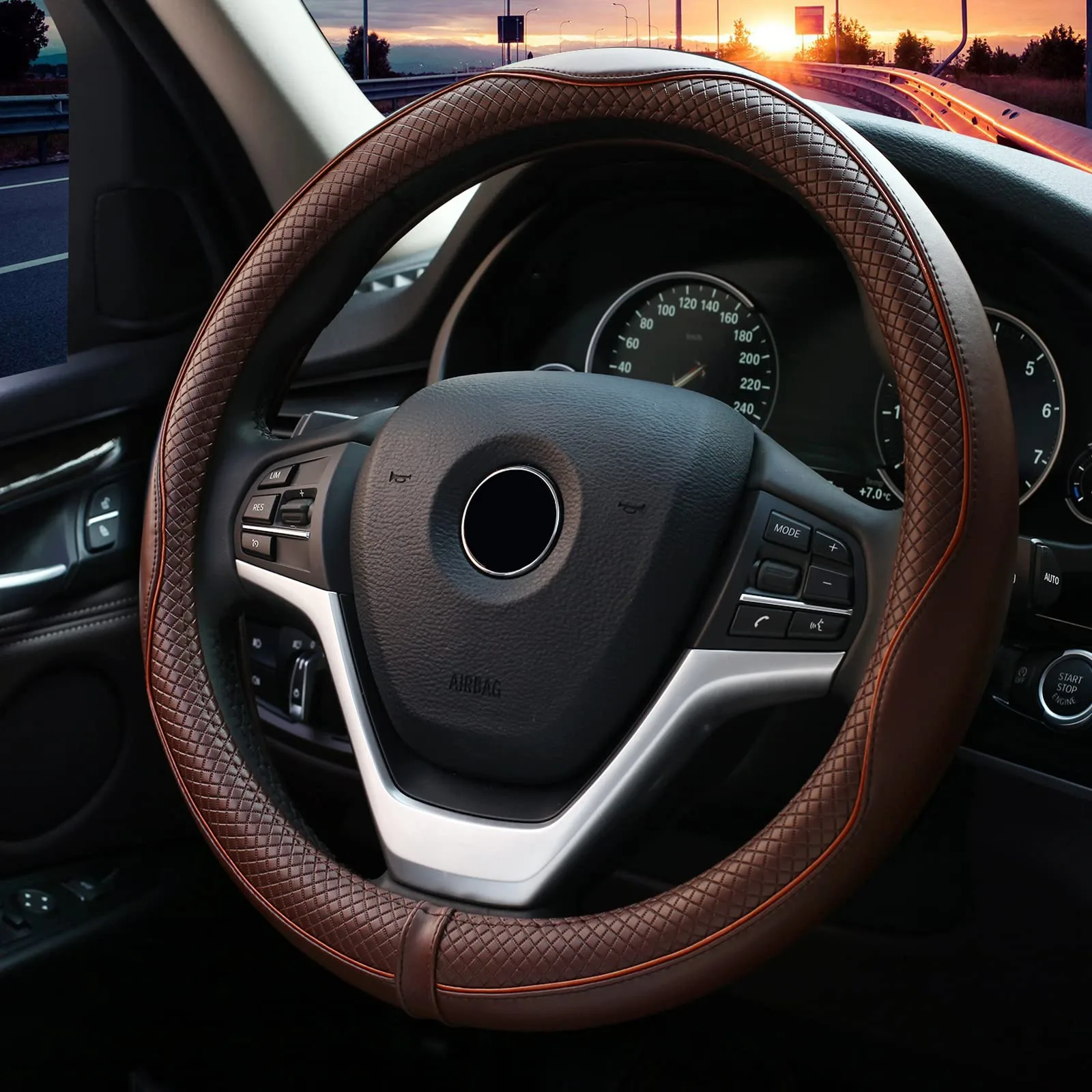 Steering Cover
 Floor Mats
 Dashboard Showpiece
 Seat & Neck Cushion
 Lighting
›
Lighting
›
 Utility
›
Utility
›
 All Chrome Items
 Mobile Holder
 Tyre Inflators
 Vacuum Cleaner
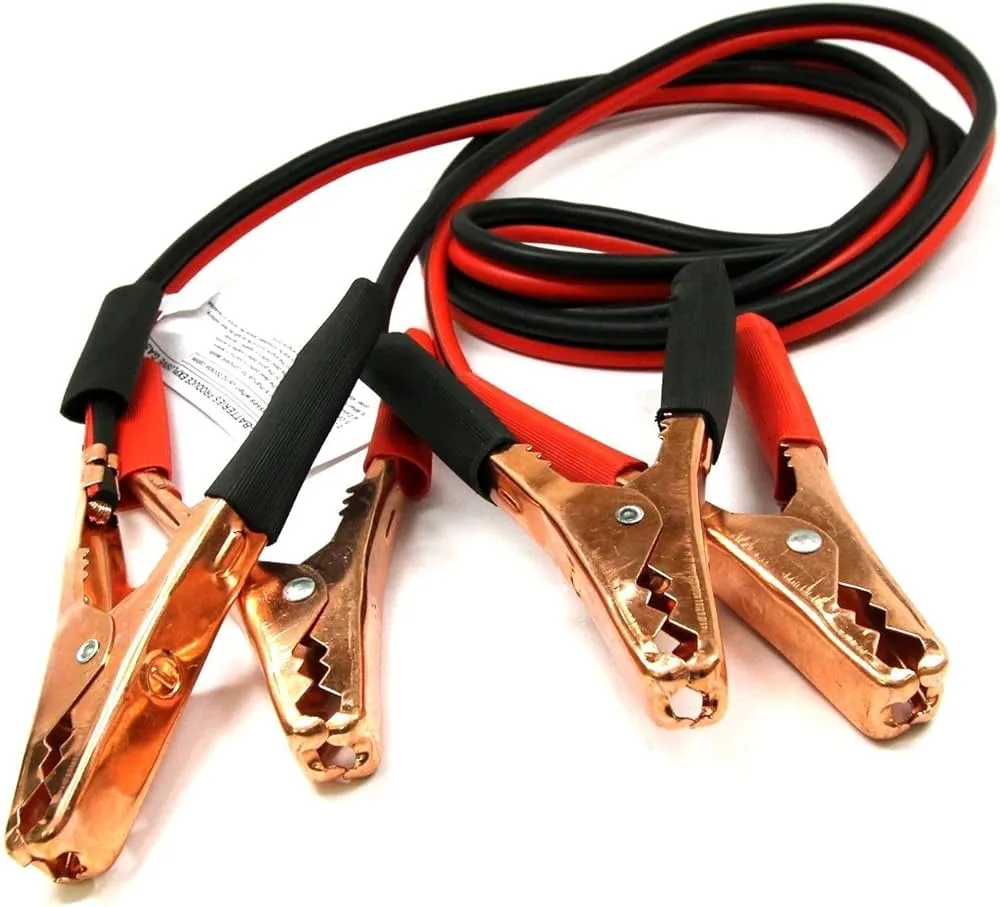 Jumper Cable
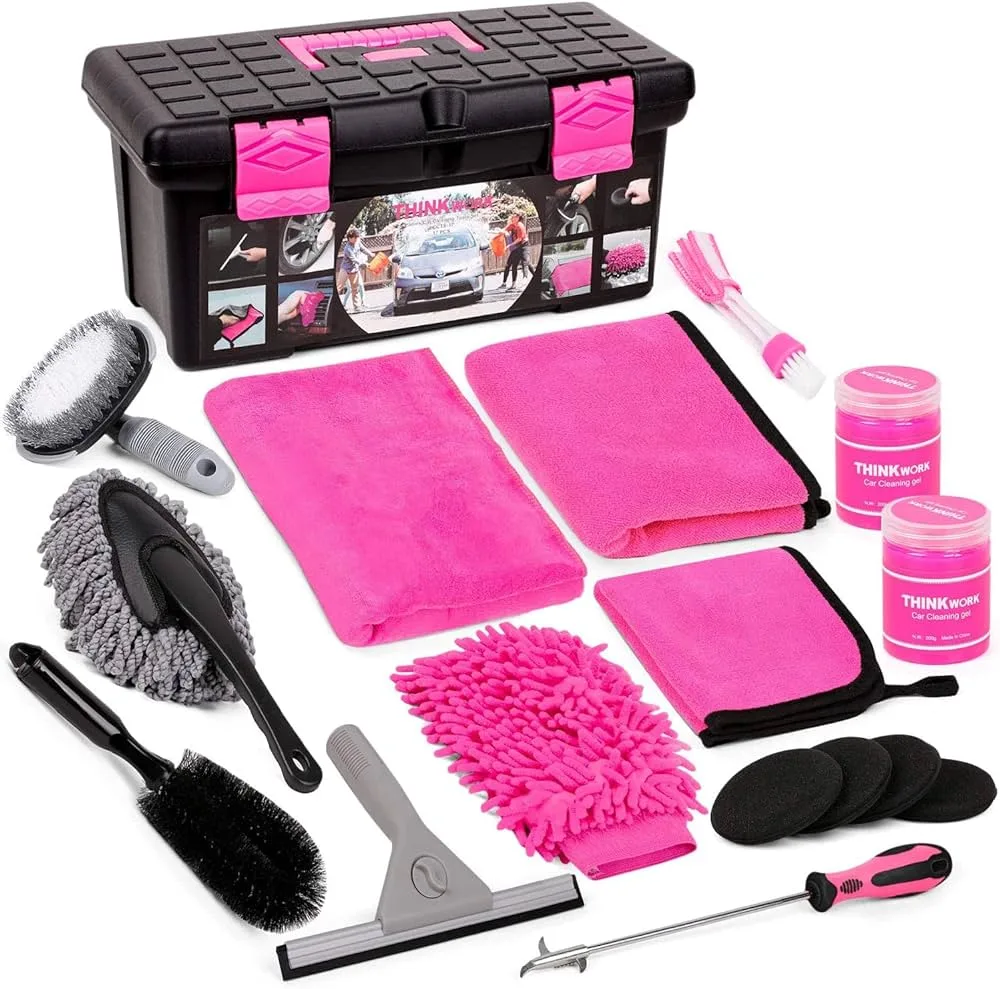 Cleaning Kit
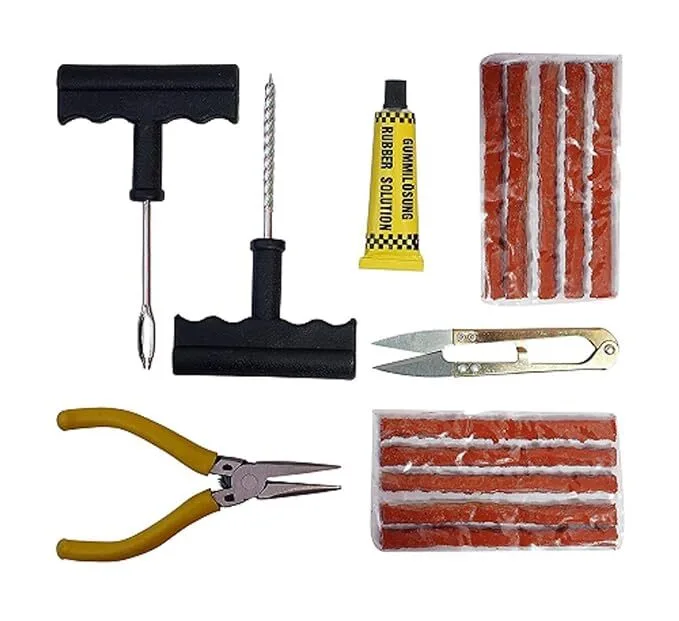 Tyre Puncture Kit
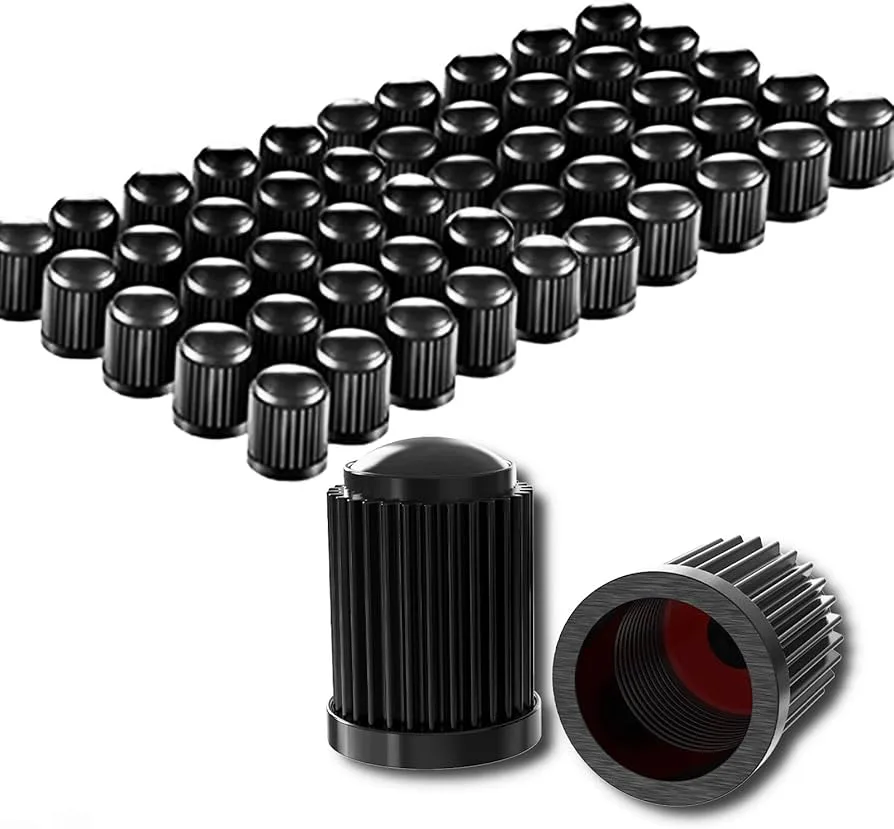 Tyre Valve Cap
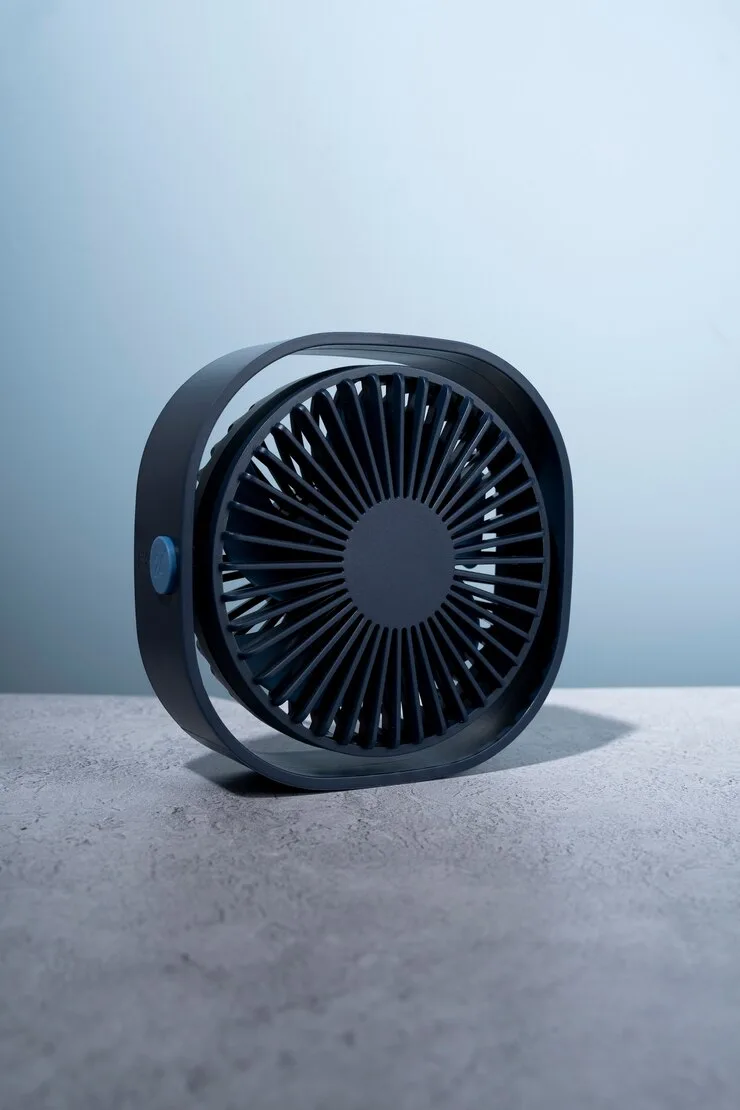 Car Fan
 Parcel Tray
 Electronic
›
Electronic
›
 Parts
›
Parts
›
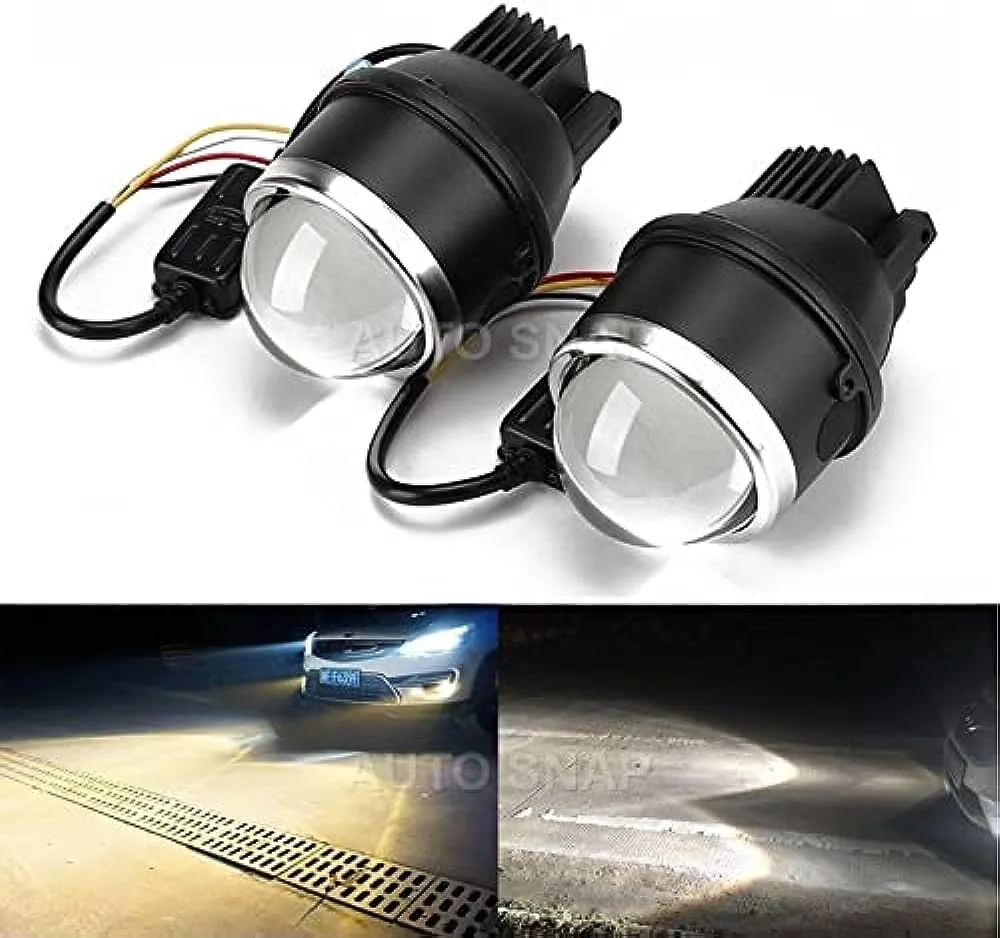 Fog Lights
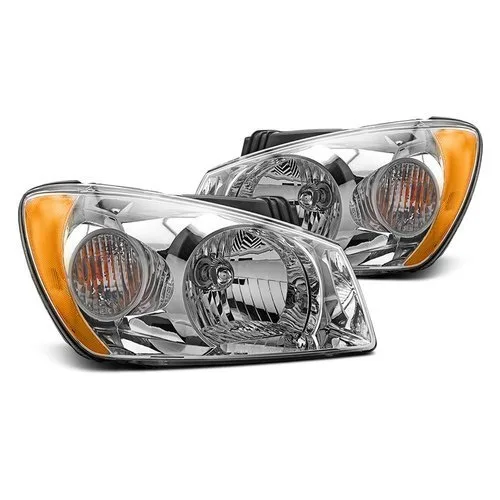 Headlights
 Tail Lights
 Steering Wheel Controls
 Sensor
 Horns
Horns
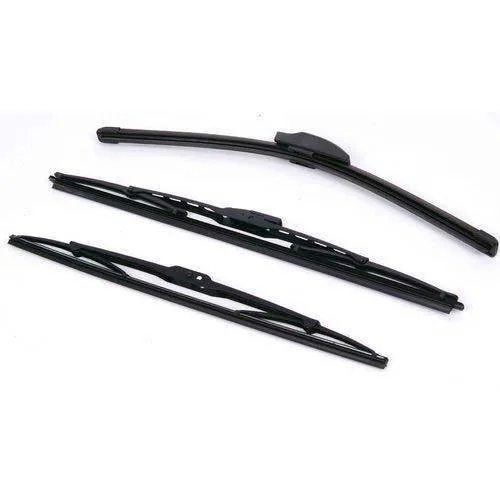 Wiper Blade
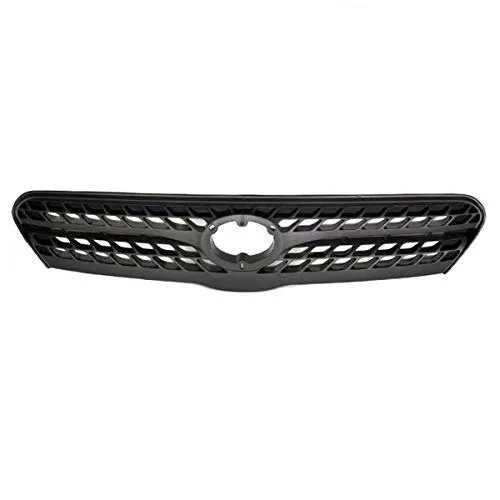 Front Grille
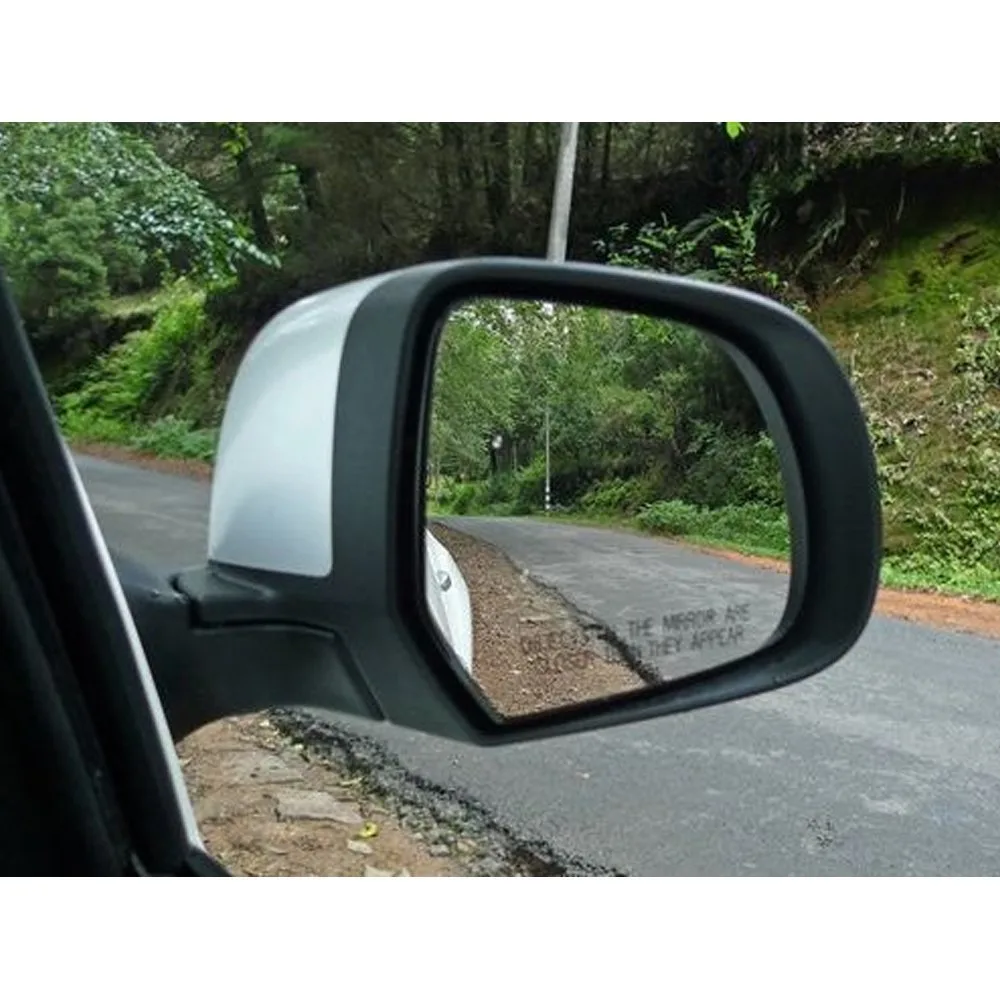 Side Mirror
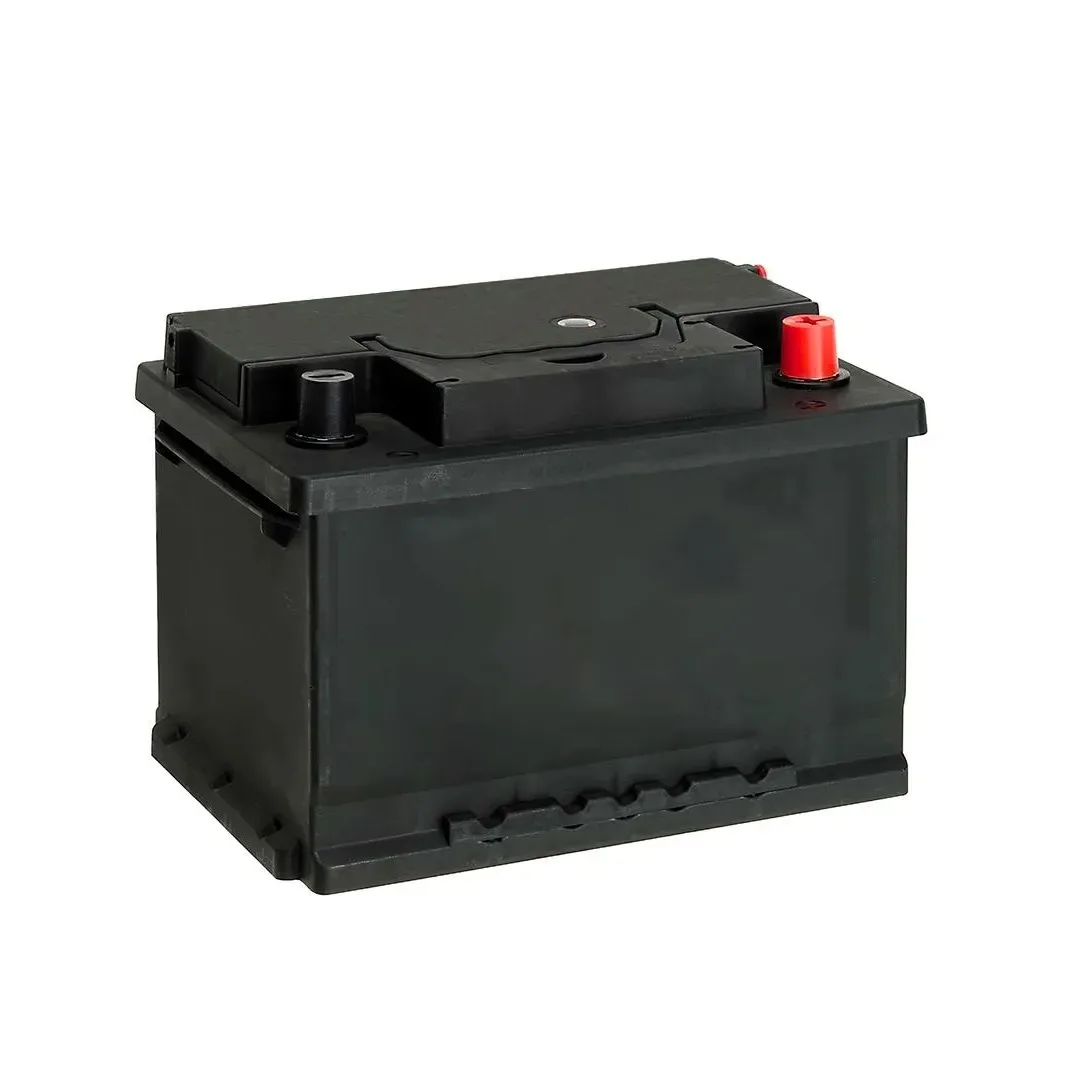 Battery
 Car Care
›
Car Care
›
 Air Freshener & Perfume
 Gear knob
 Stickers & Decals
 Blind Spot Mirror
 Steering Knob
 Key Covers
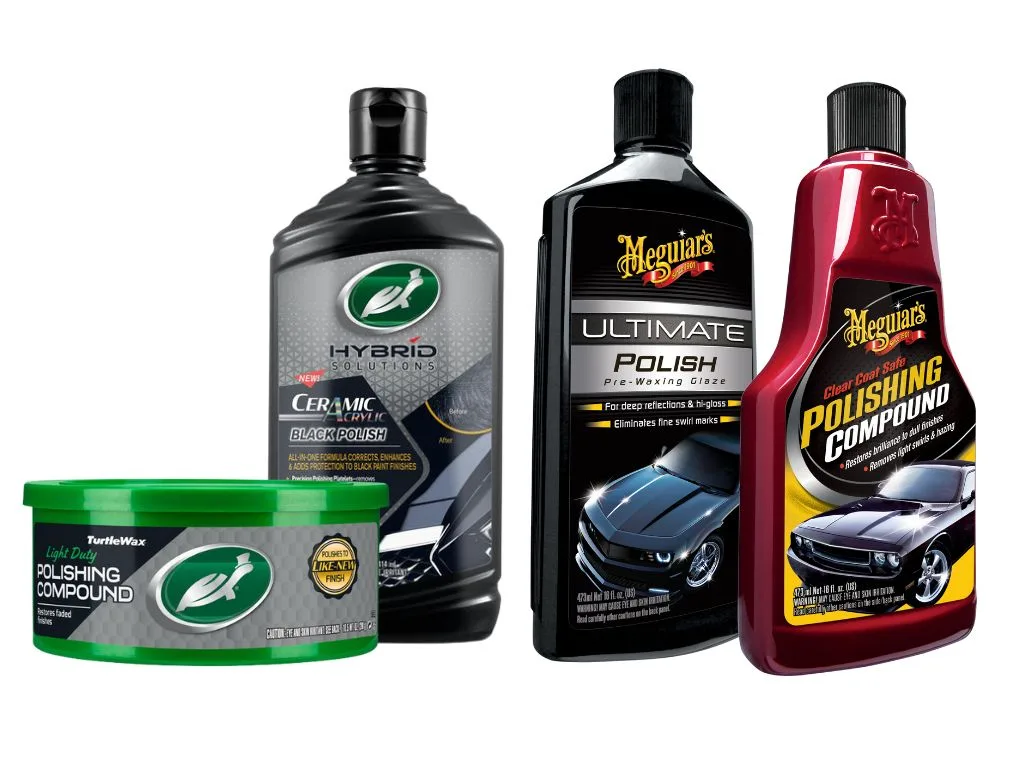 Polish & Scratch Remover
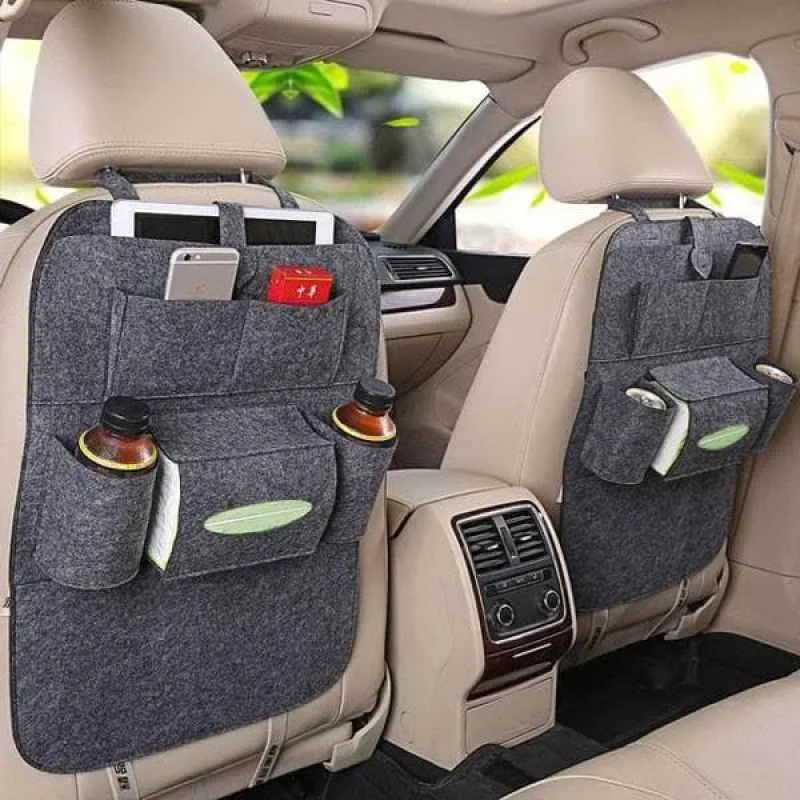 Seat Utility Holder
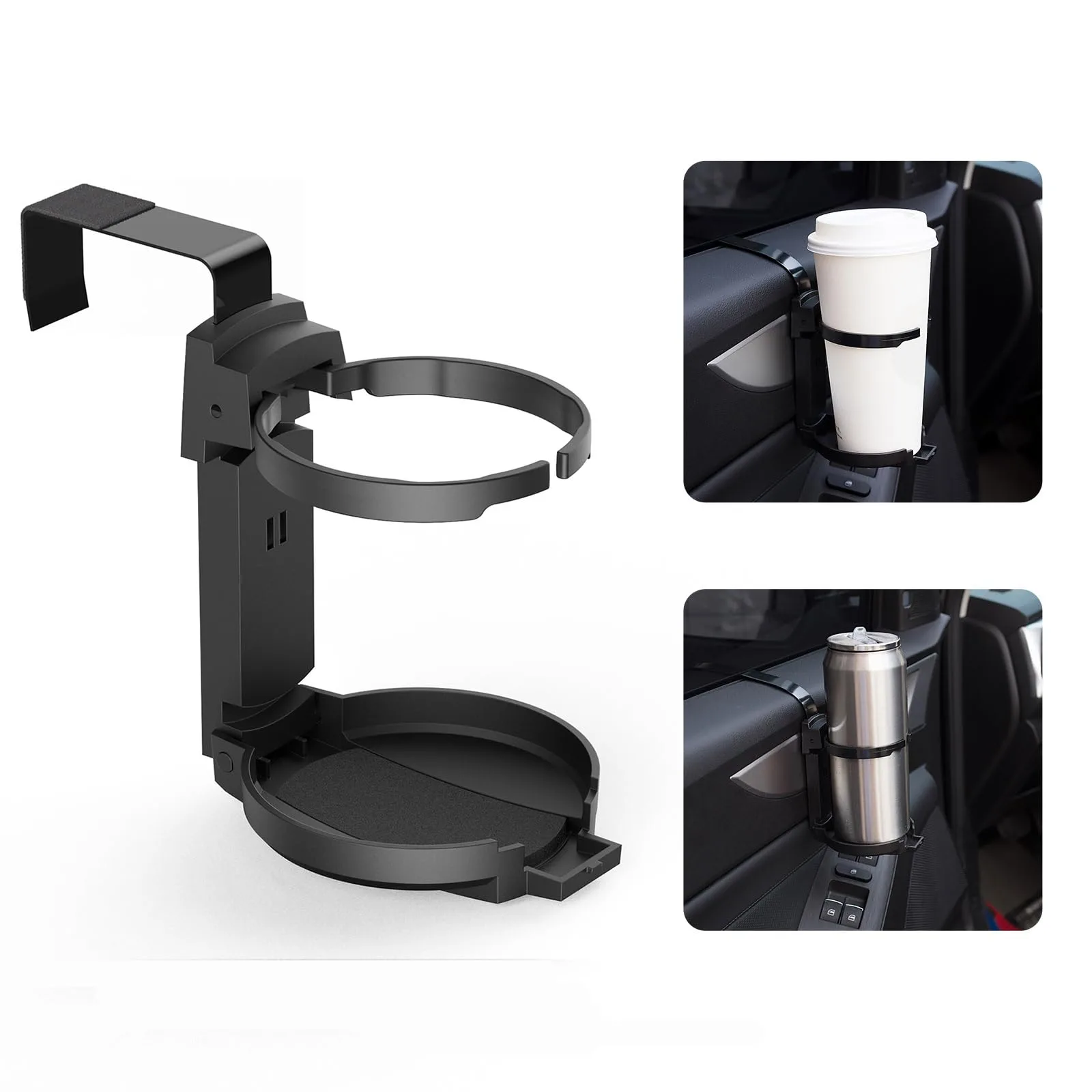 Cup Holder
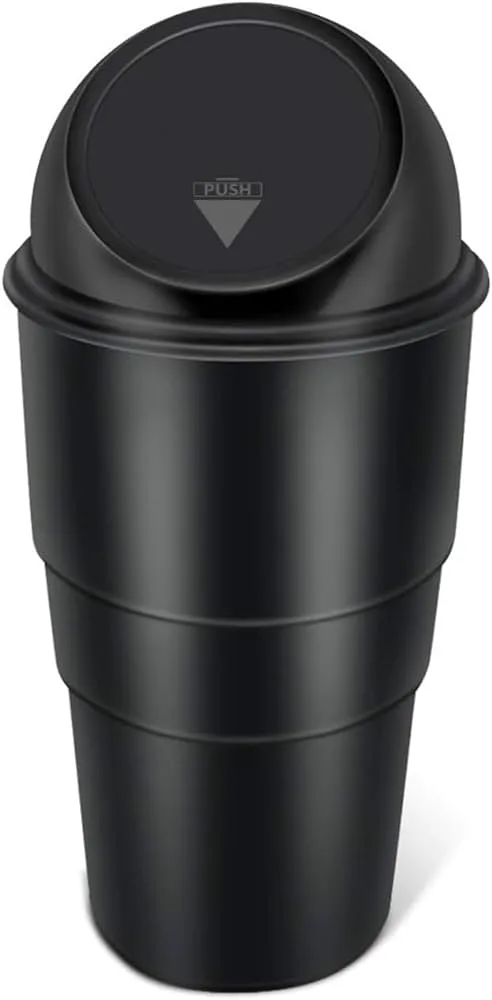 Dustbin
 Paper Napkin
 Shop By Car
›
Shop By Car
›
 Tata
›
Tata
›
 Maruti Suzuki
›
Maruti Suzuki
›
 Hyundai
›
Hyundai
›
 Toyota
›
Toyota
›
 Mahindra
›
Mahindra
›
 Honda
›
Honda
›
 Ford
›
Ford
›
 Nissan
›
Nissan
›
 Renault
›
Renault
›
 Skoda
›
Skoda
›
 Volkswagen
›
Volkswagen
›
 Morris Garages - MG
›
Morris Garages - MG
›
 KIA
›
KIA
›
 Jeep
›
Jeep
›
 Citroen
›
Citroen
›
 Datsun
›
Datsun
›
 Chevrolet
›
Chevrolet
›
 Isuzu
›
Isuzu
›
 Mitsubishi
›
Mitsubishi
›
 AUDI
›
AUDI
›
 BMW
›
BMW
›
 Mercedes
›
Mercedes
›
 Land Rover
›
Land Rover
›
 Jaguar
›
Jaguar
›
 Volvo
›
Volvo
›
 FIAT
›
FIAT
›
 Mini Cooper
›
Mini Cooper
›
 Porsche
›
Porsche
›
 Lexus
›
Citron
›
Fors
›
Morris Garages
›
MG
›
Lexus
›
Citron
›
Fors
›
Morris Garages
›
MG
›
 Nexon
Nexon
 Harrier
 Altroz
 Hexa
Hexa
 Safari
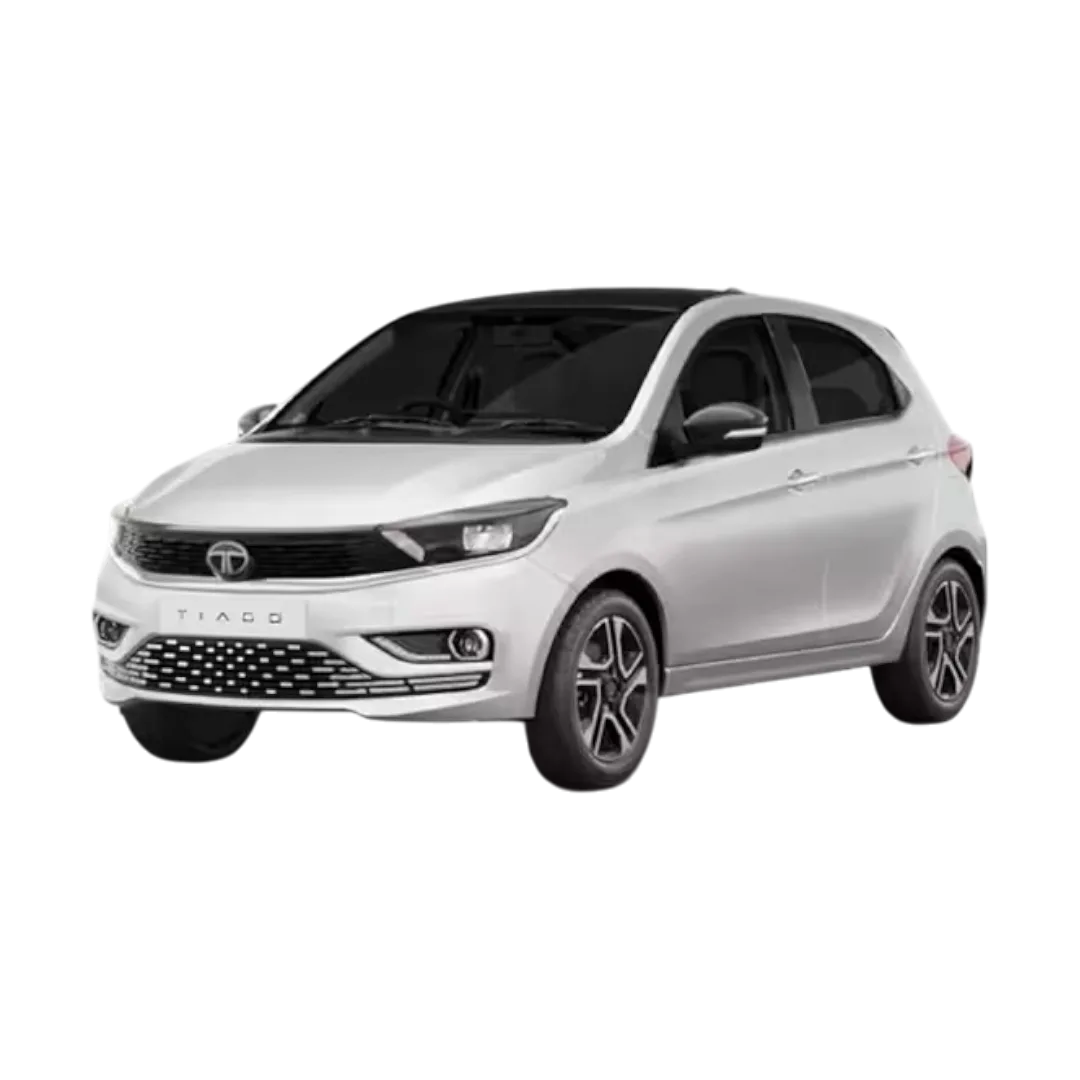 Tiago
Tiago
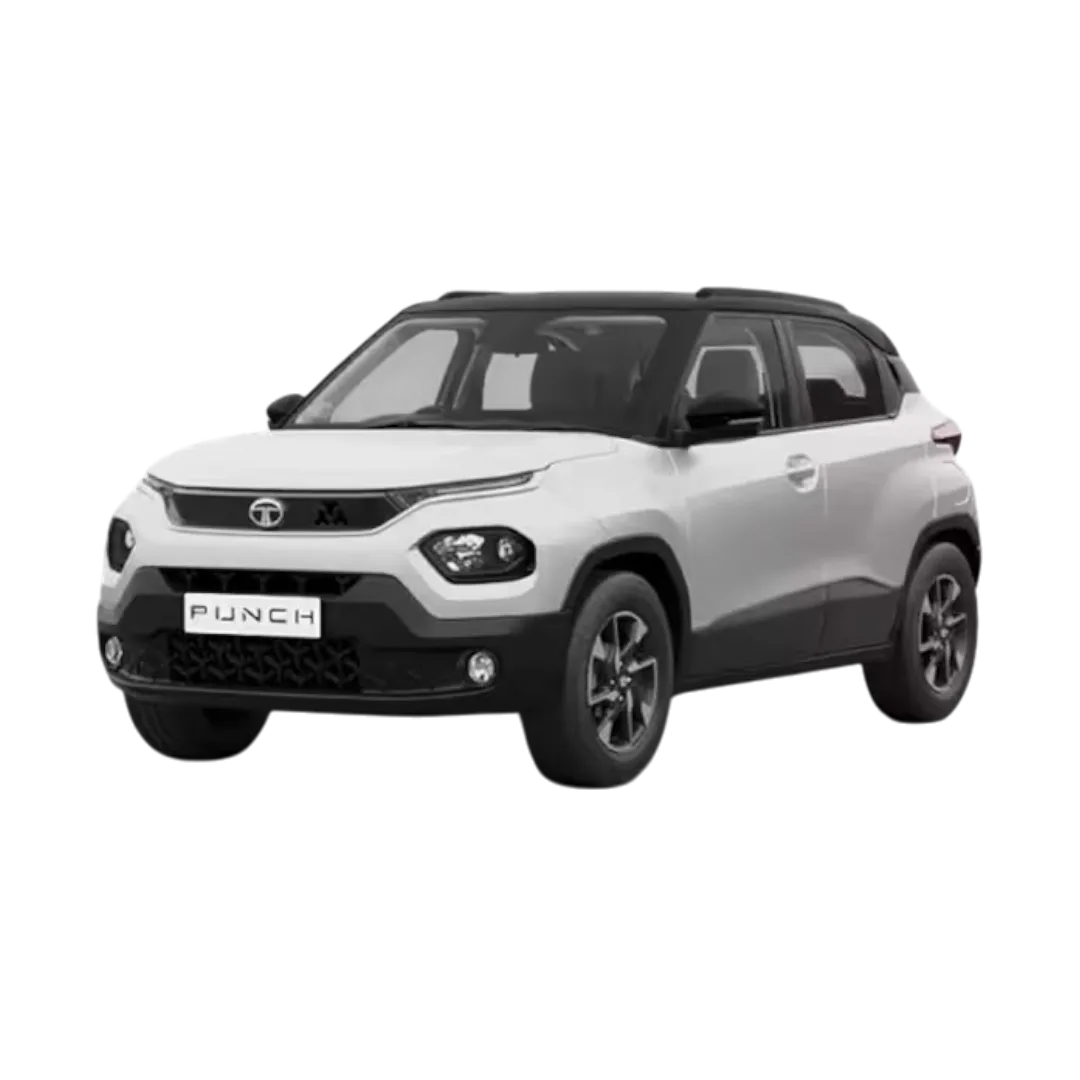 Punch
Punch
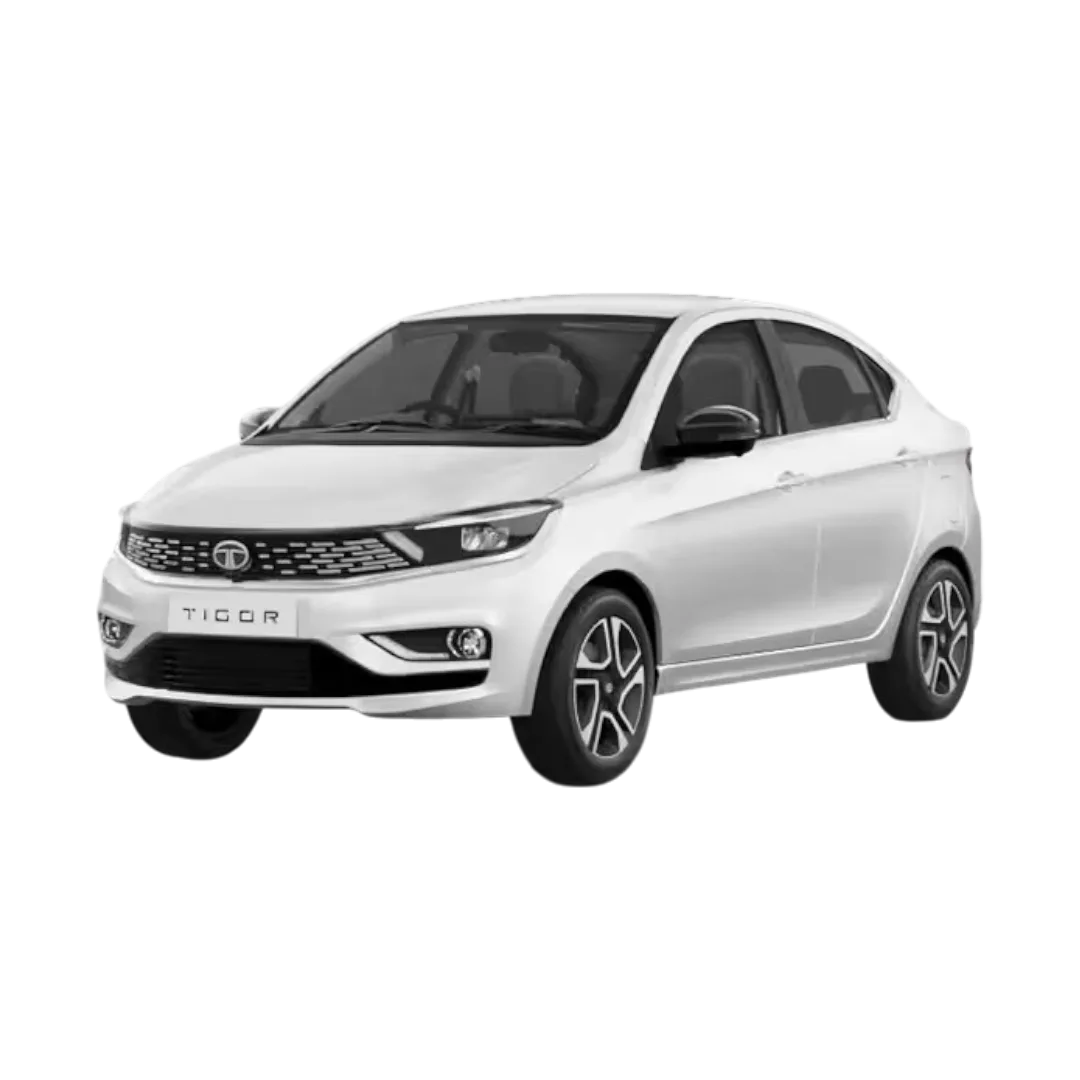 Tigor
Tigor
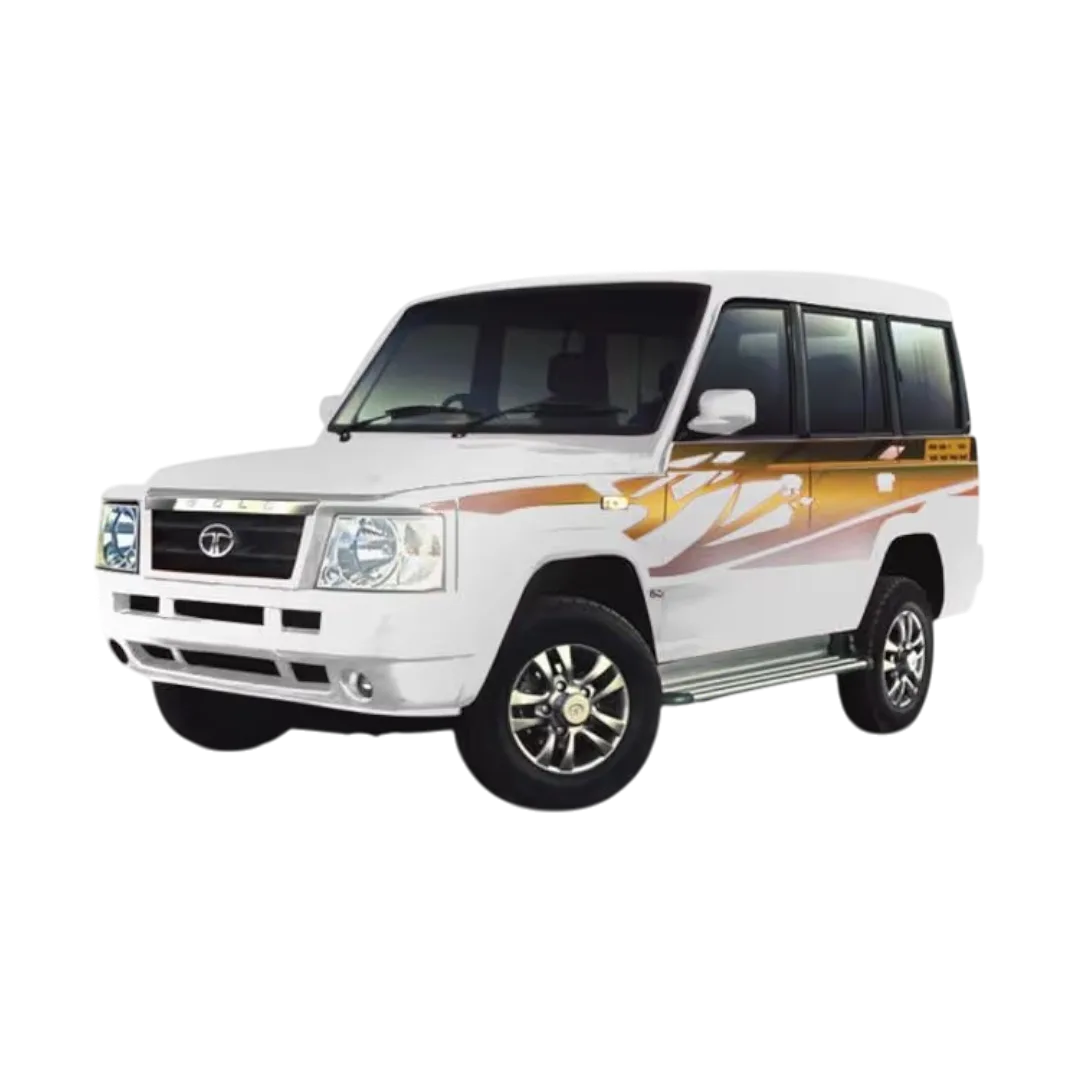 Sumo
Sumo
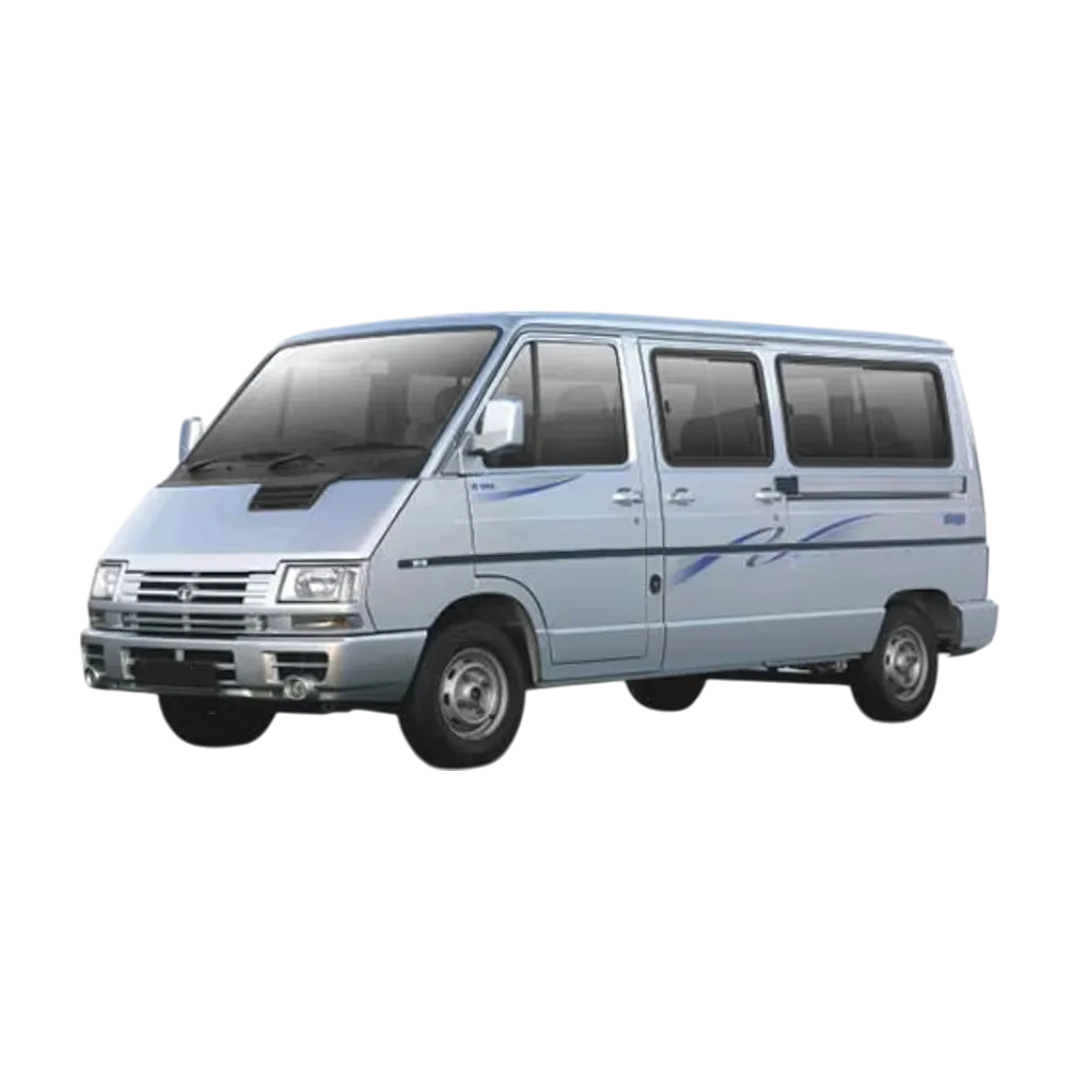 Winger
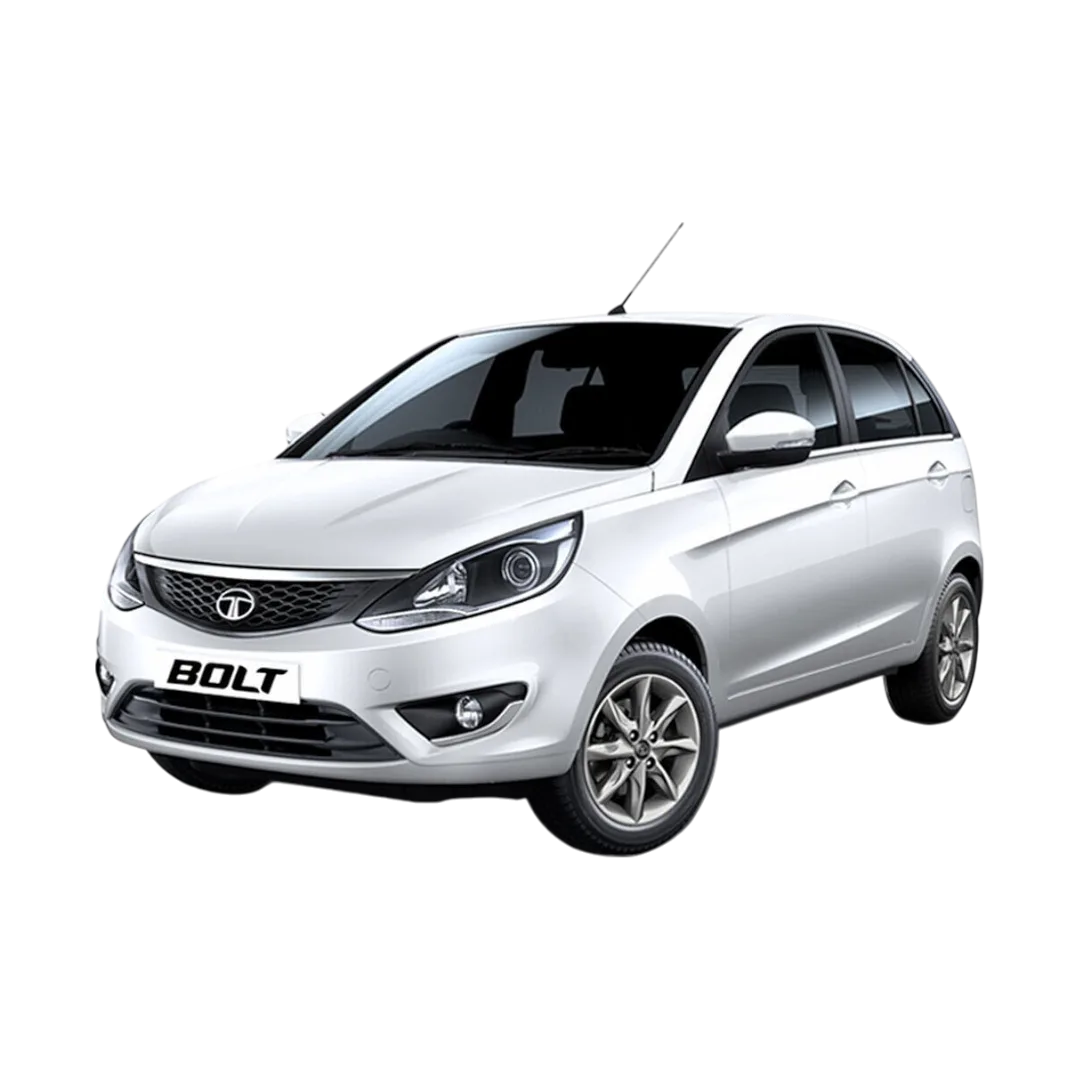 Bolt
Bolt
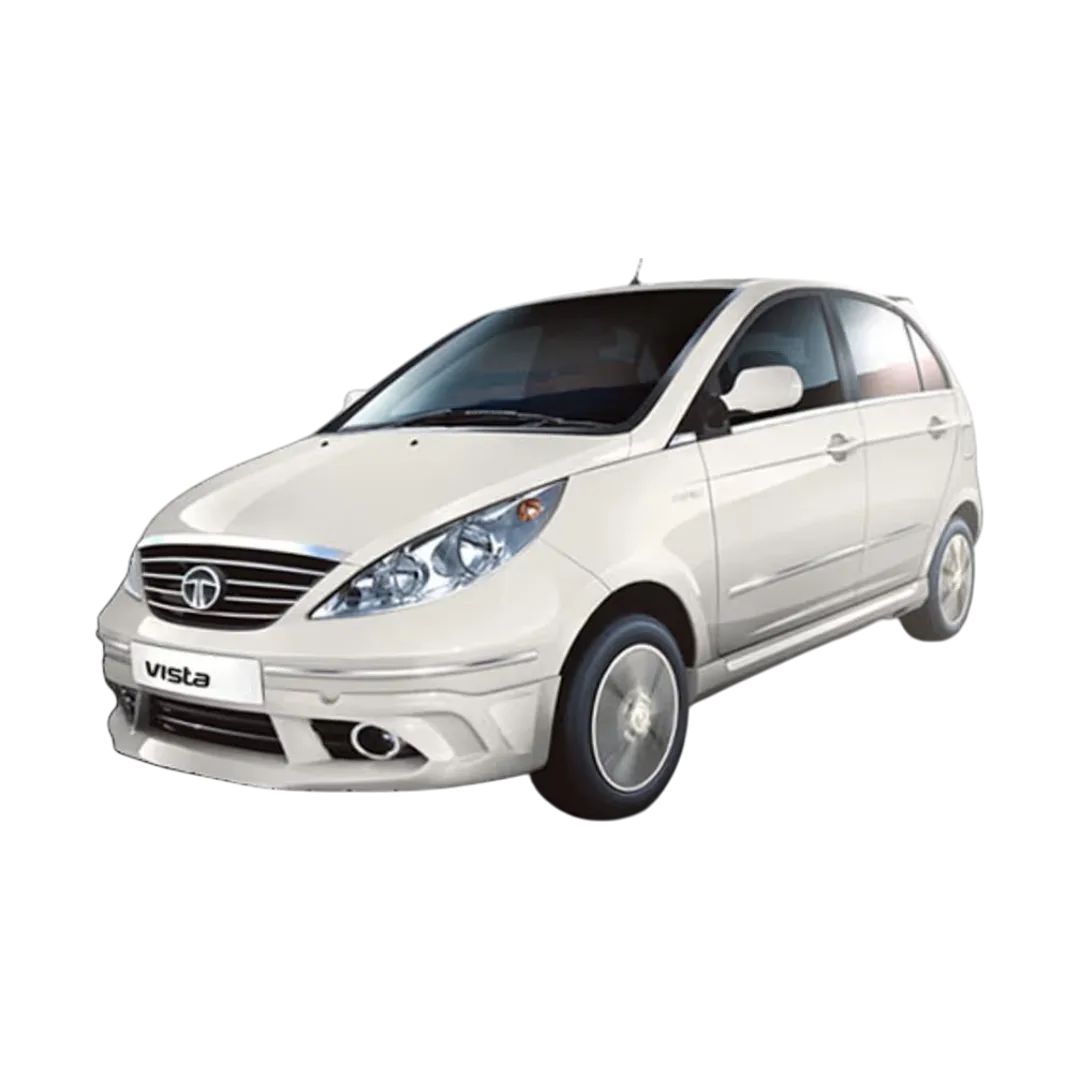 Vista
Vista
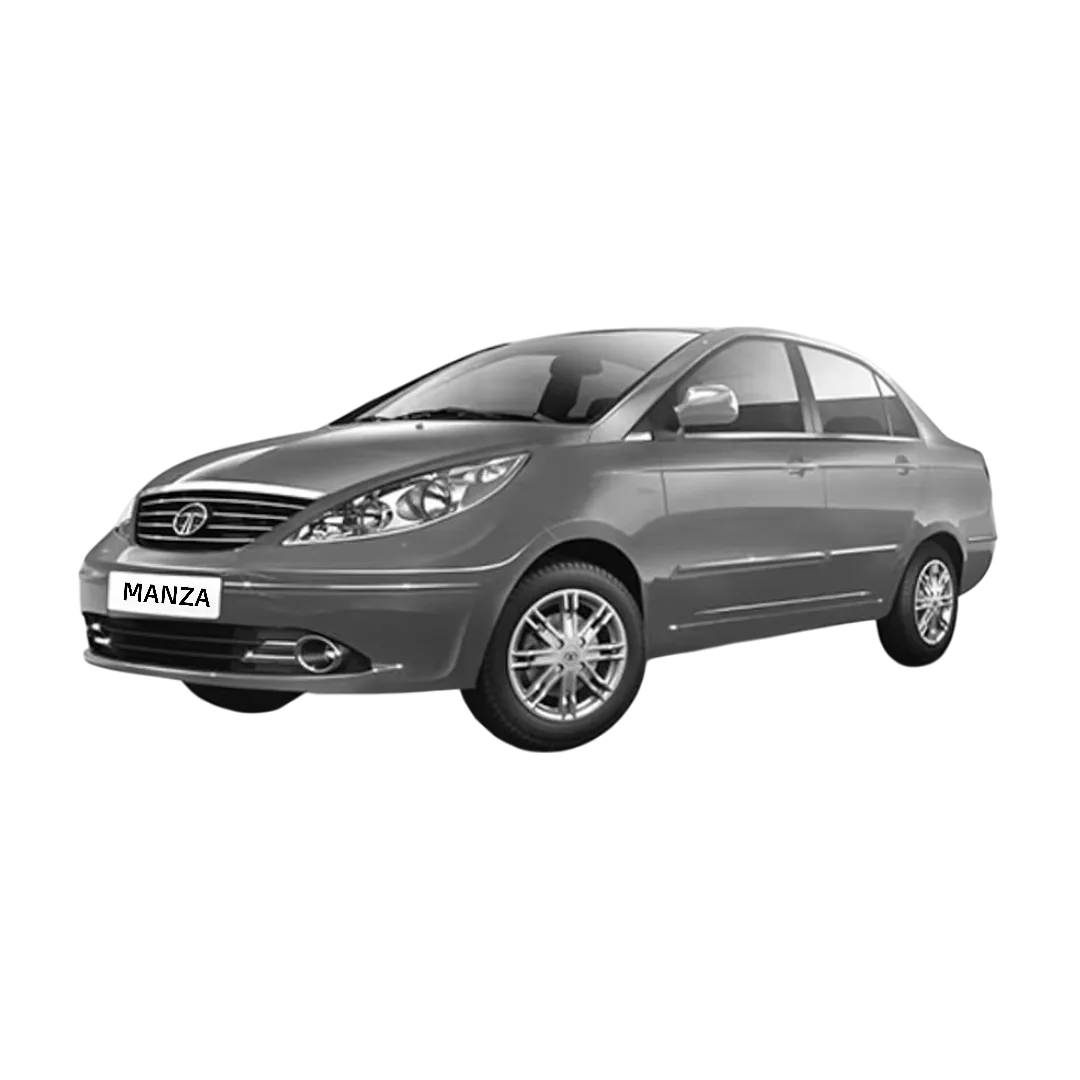 Manza
Manza
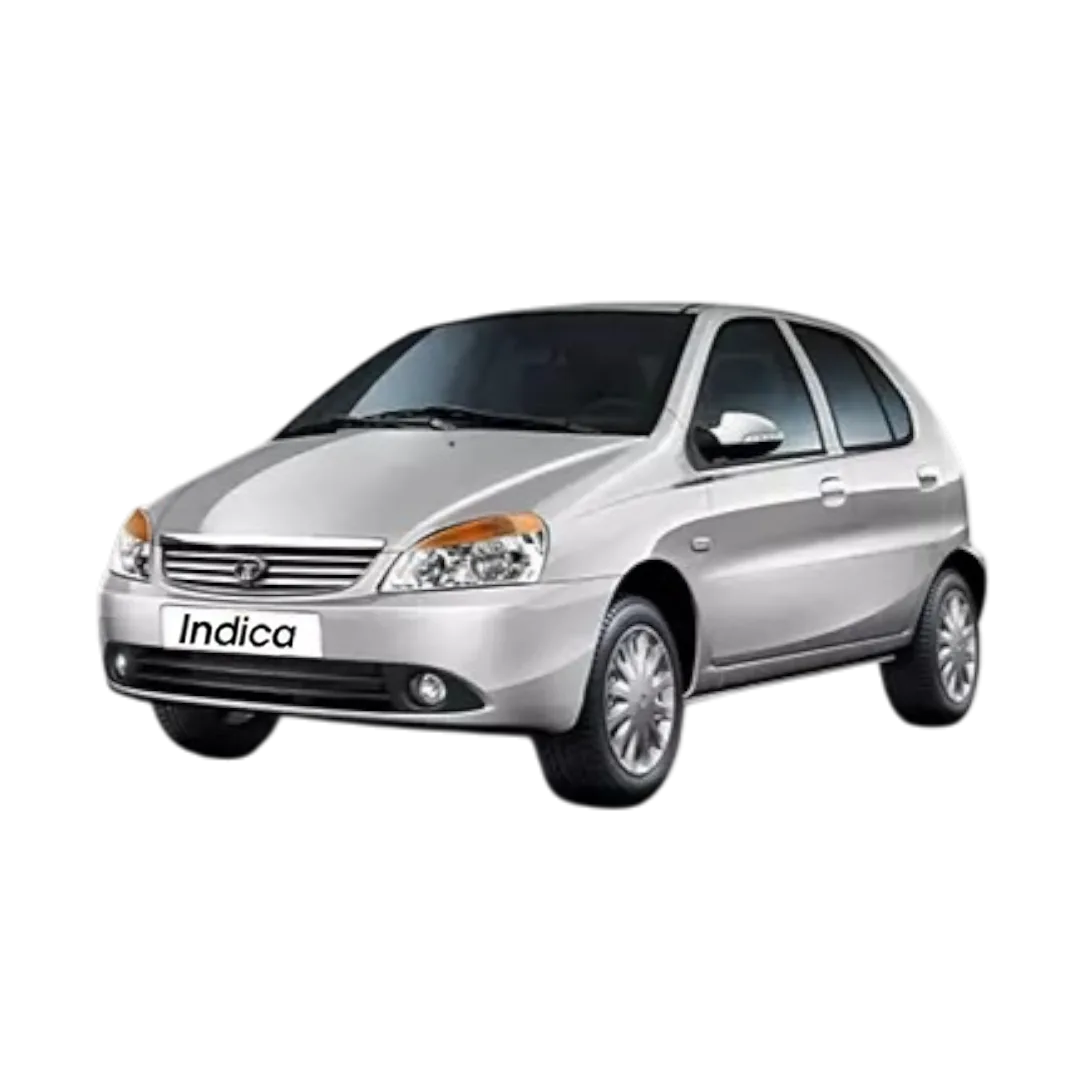 Indica
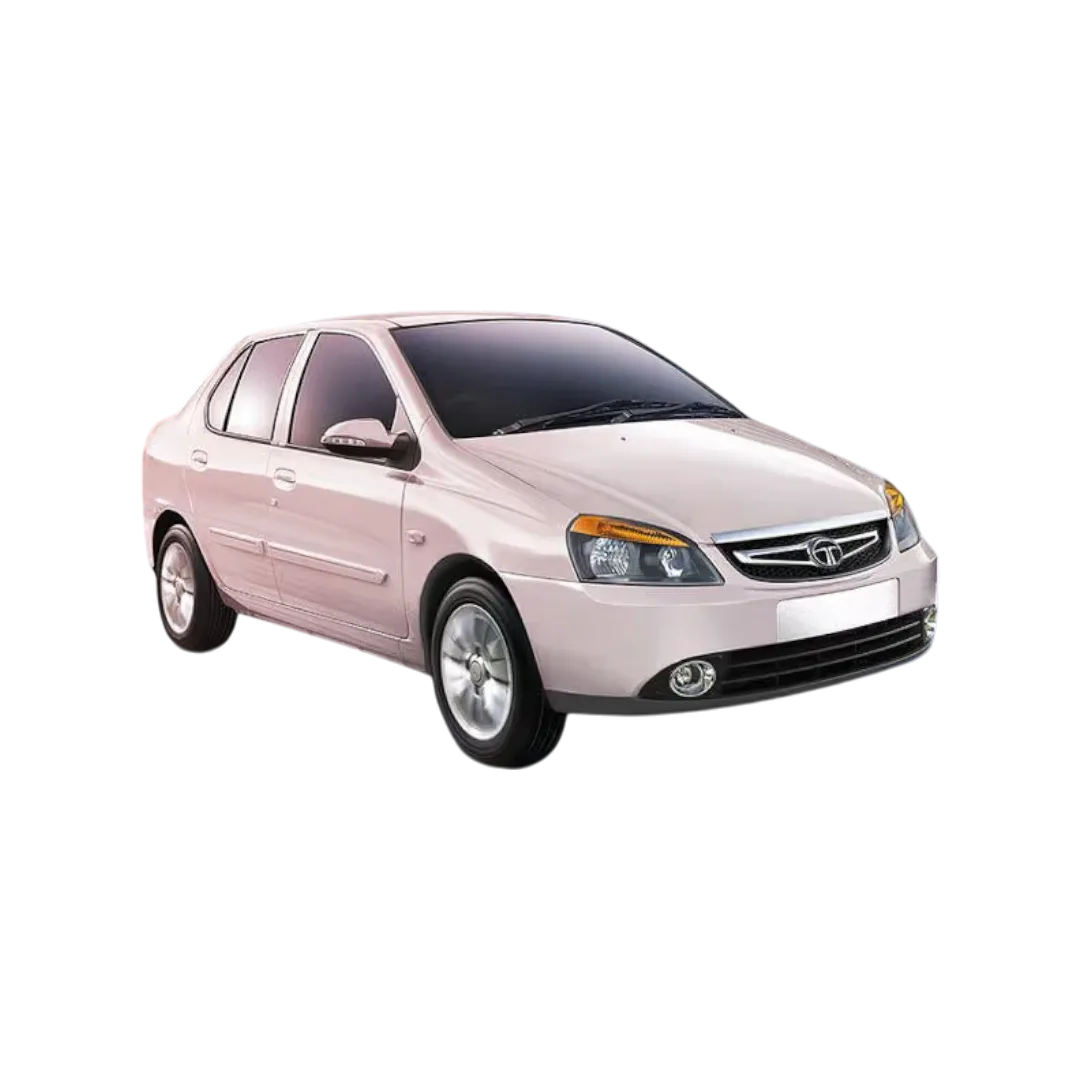 Indigo
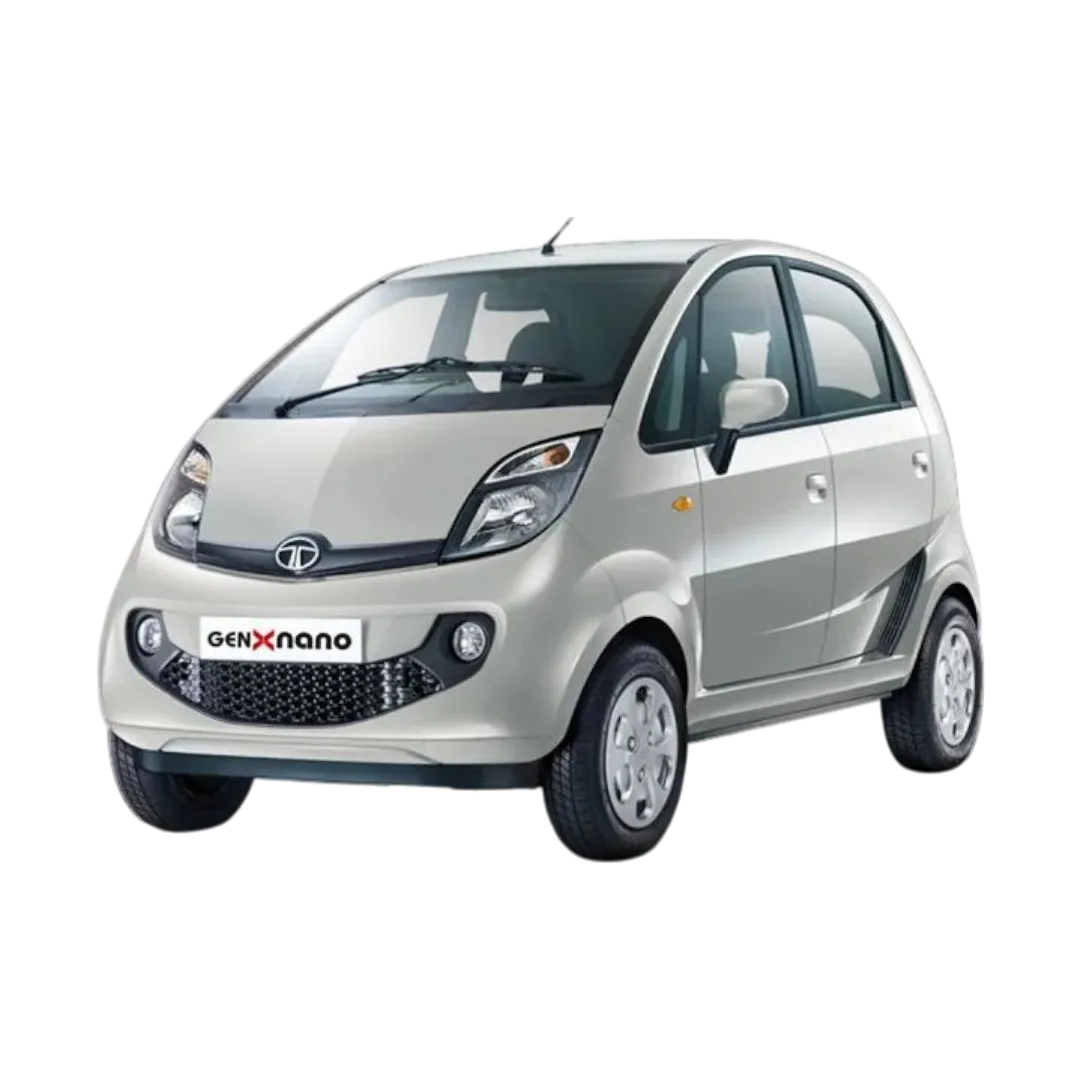 Nano
Nano
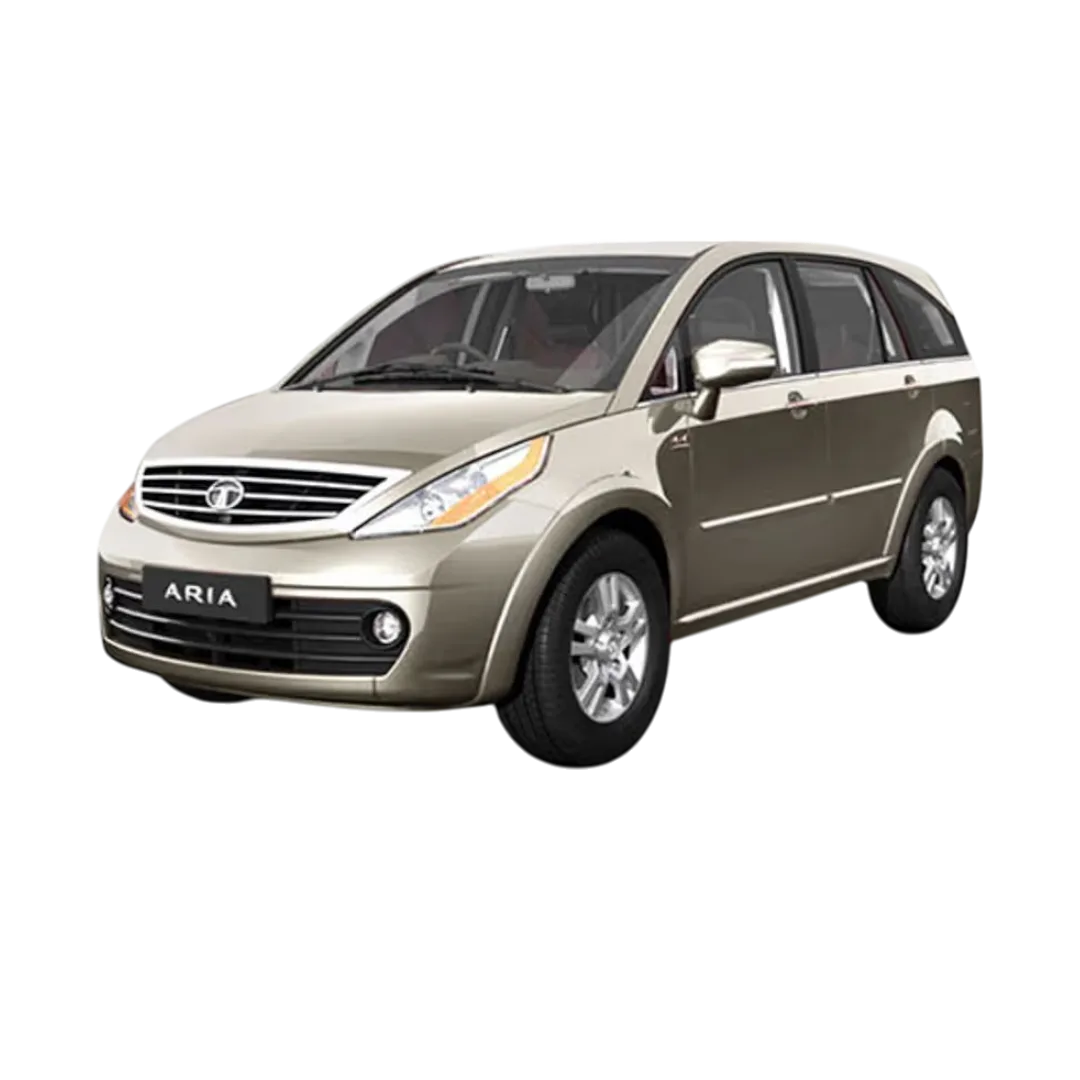 Aria
Aria
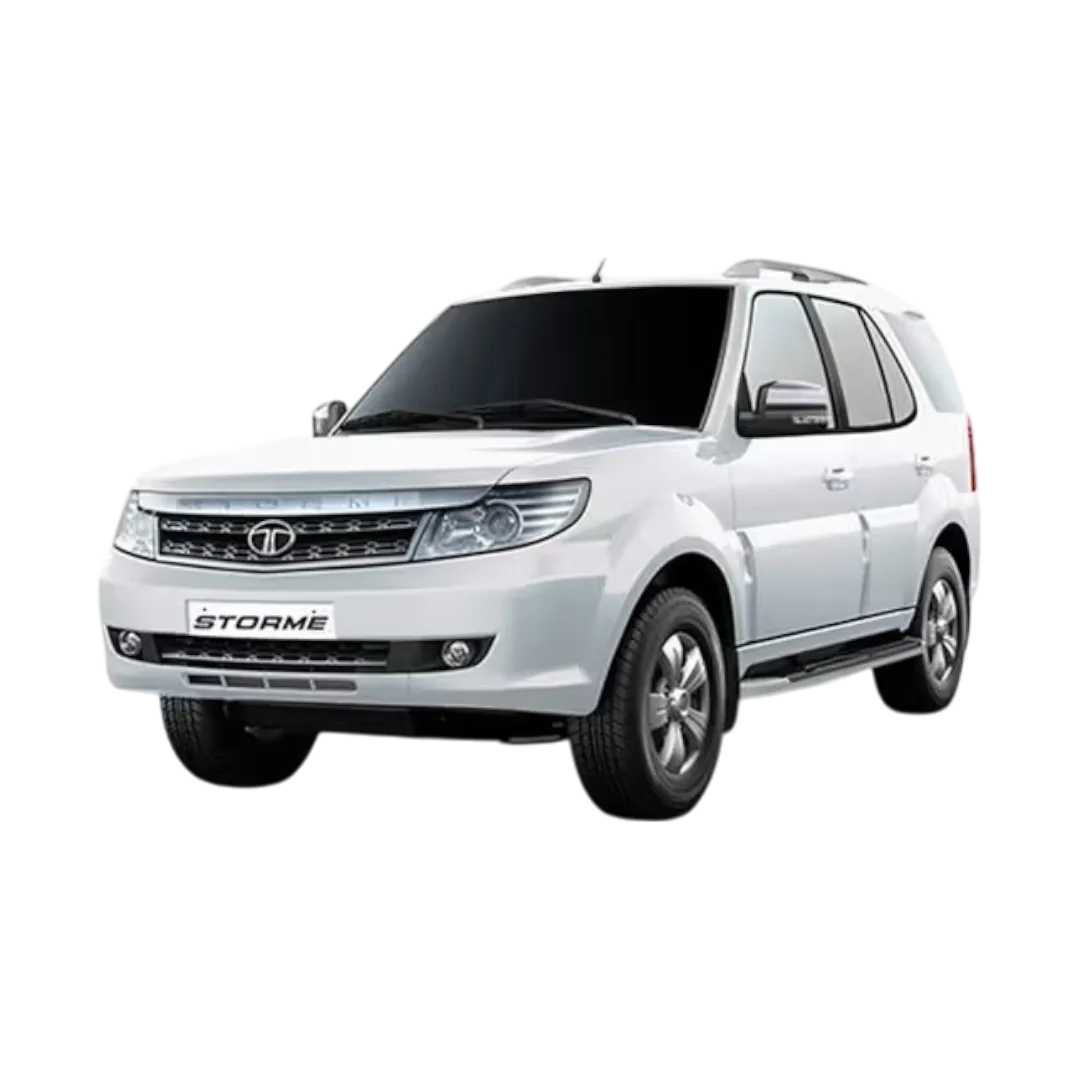 Safari Storme
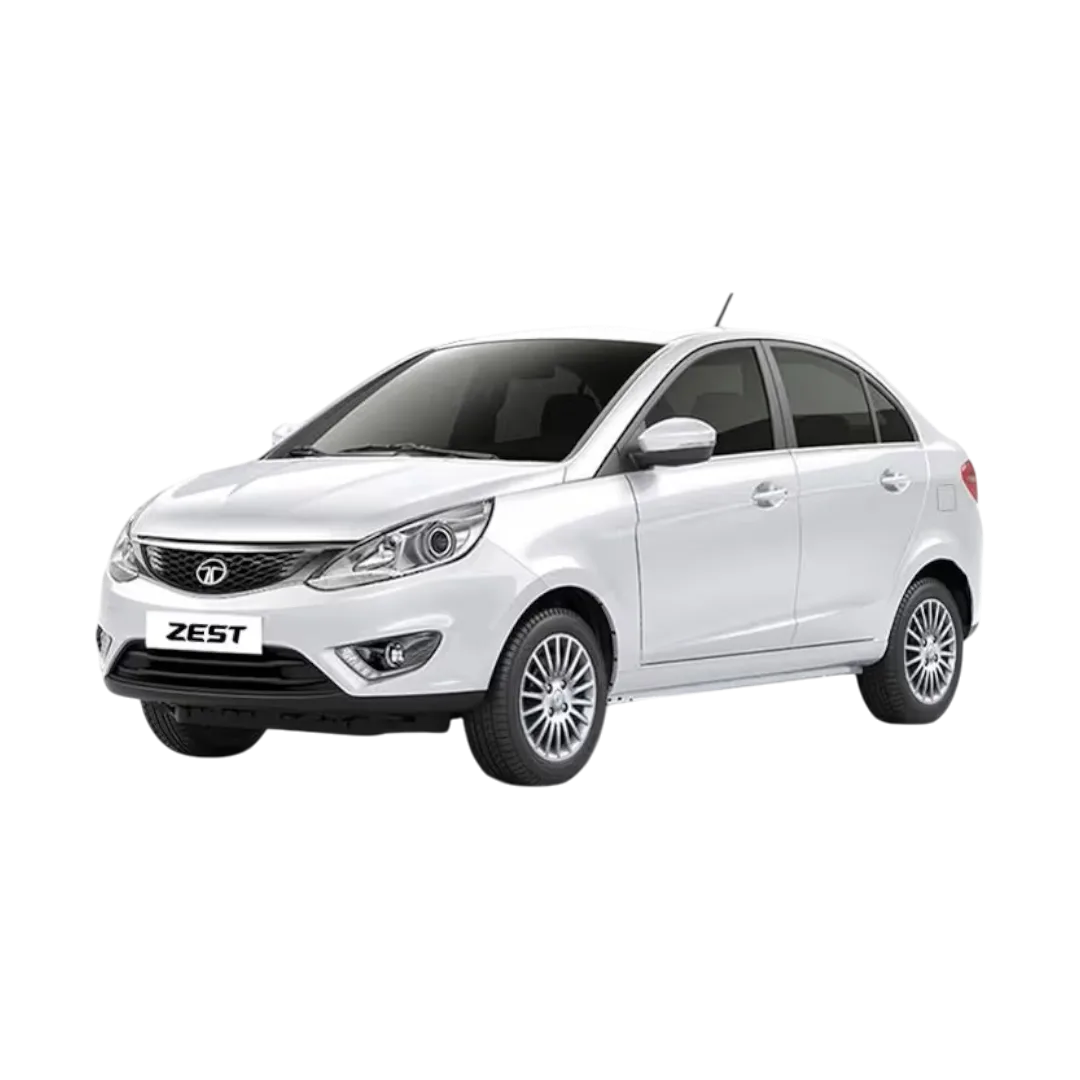 Zest
Zest
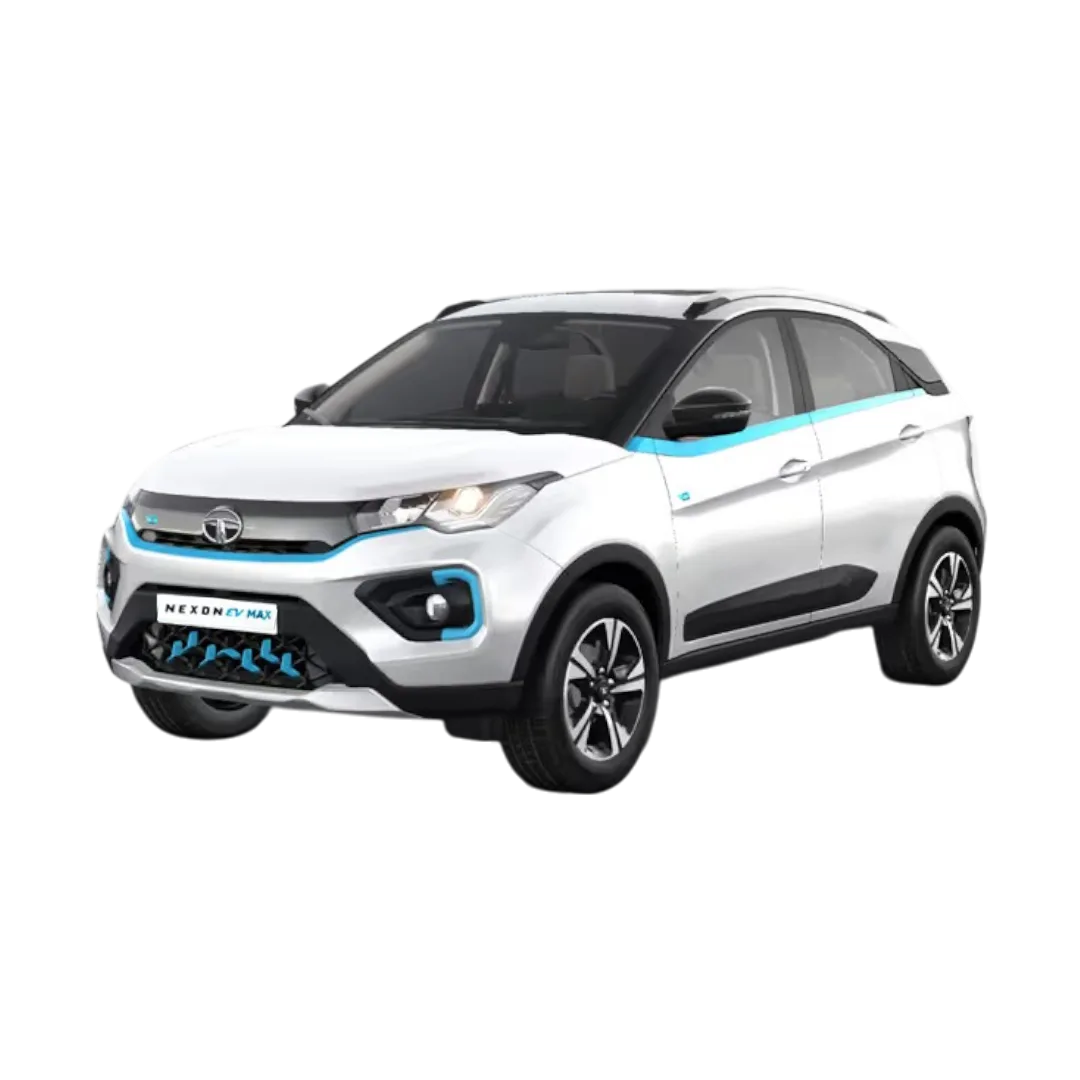 NEXON EV Max
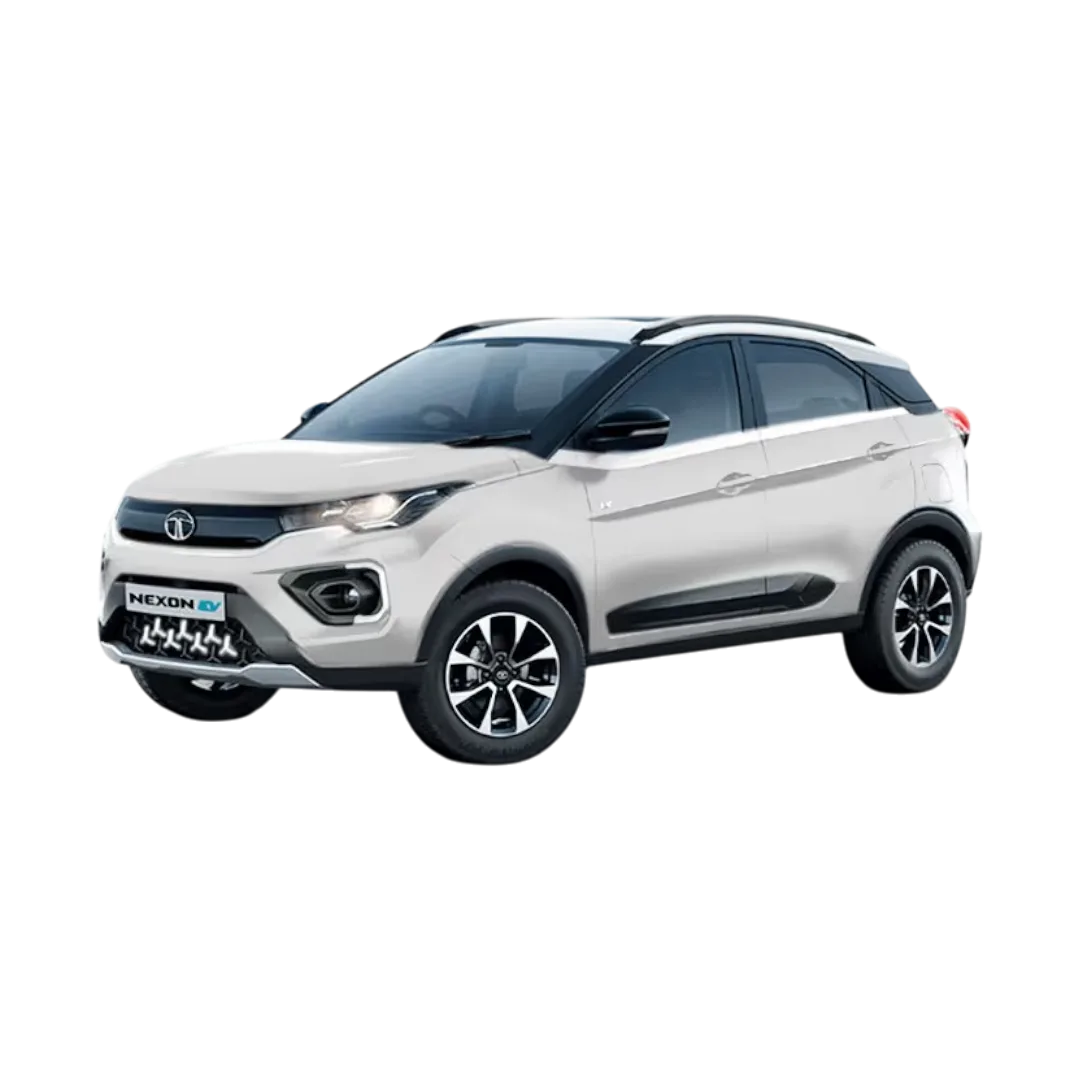 NEXON EV Prime
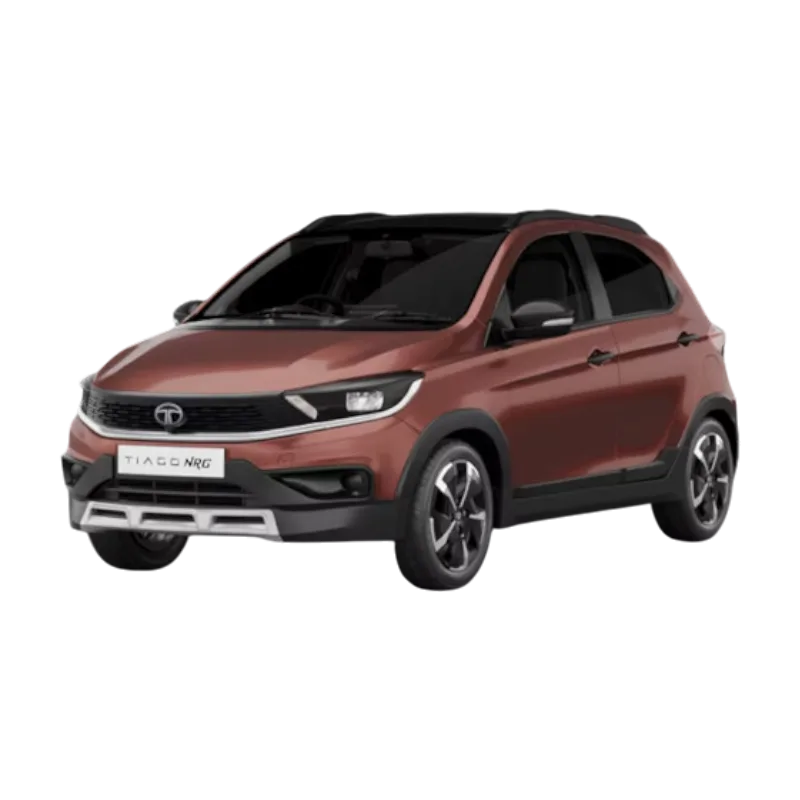 Tiago NRG
 Tigor EV
INDICA VISTA
Curvv
Sierra
Magic
Tigor EV
INDICA VISTA
Curvv
Sierra
Magic
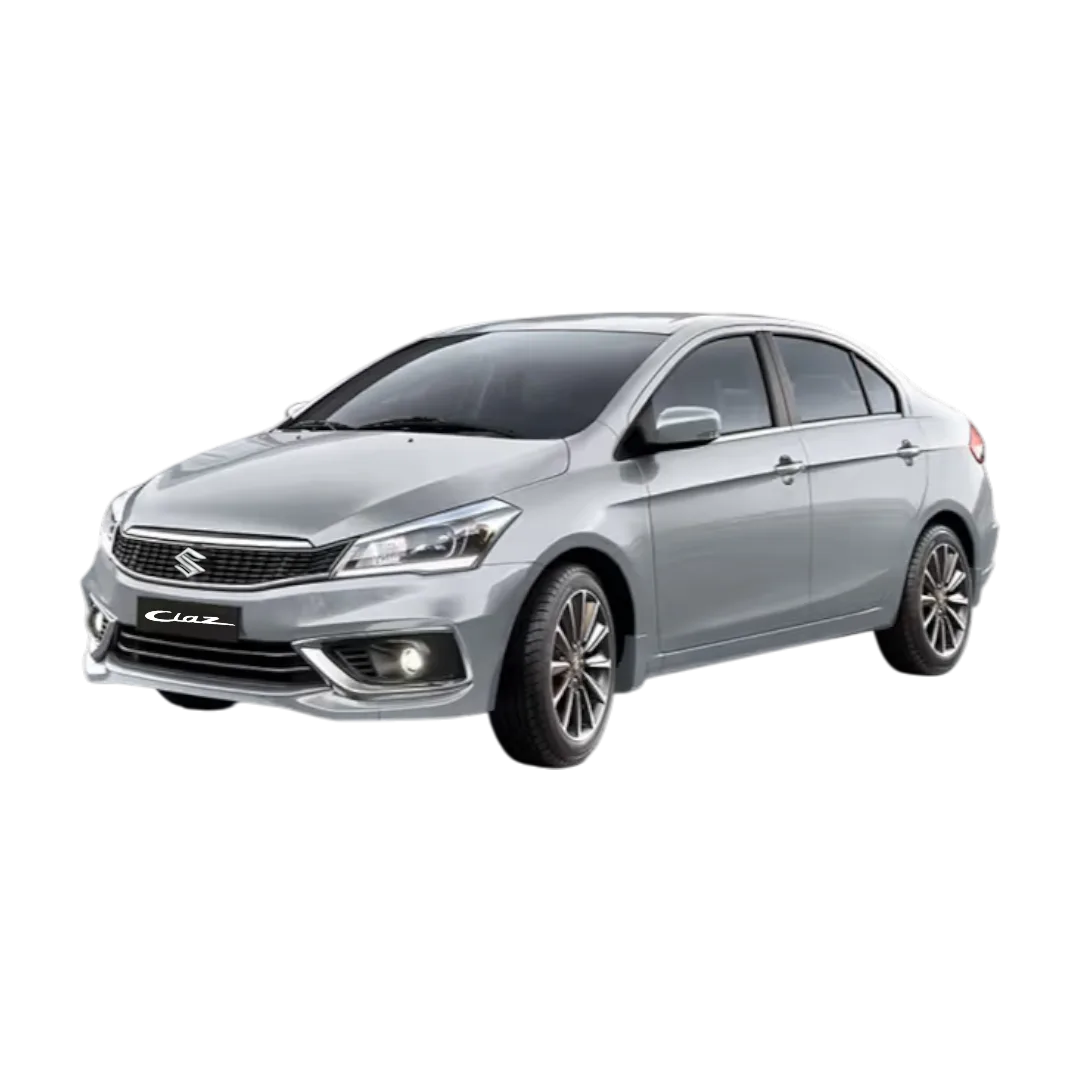 Ciaz
Ciaz
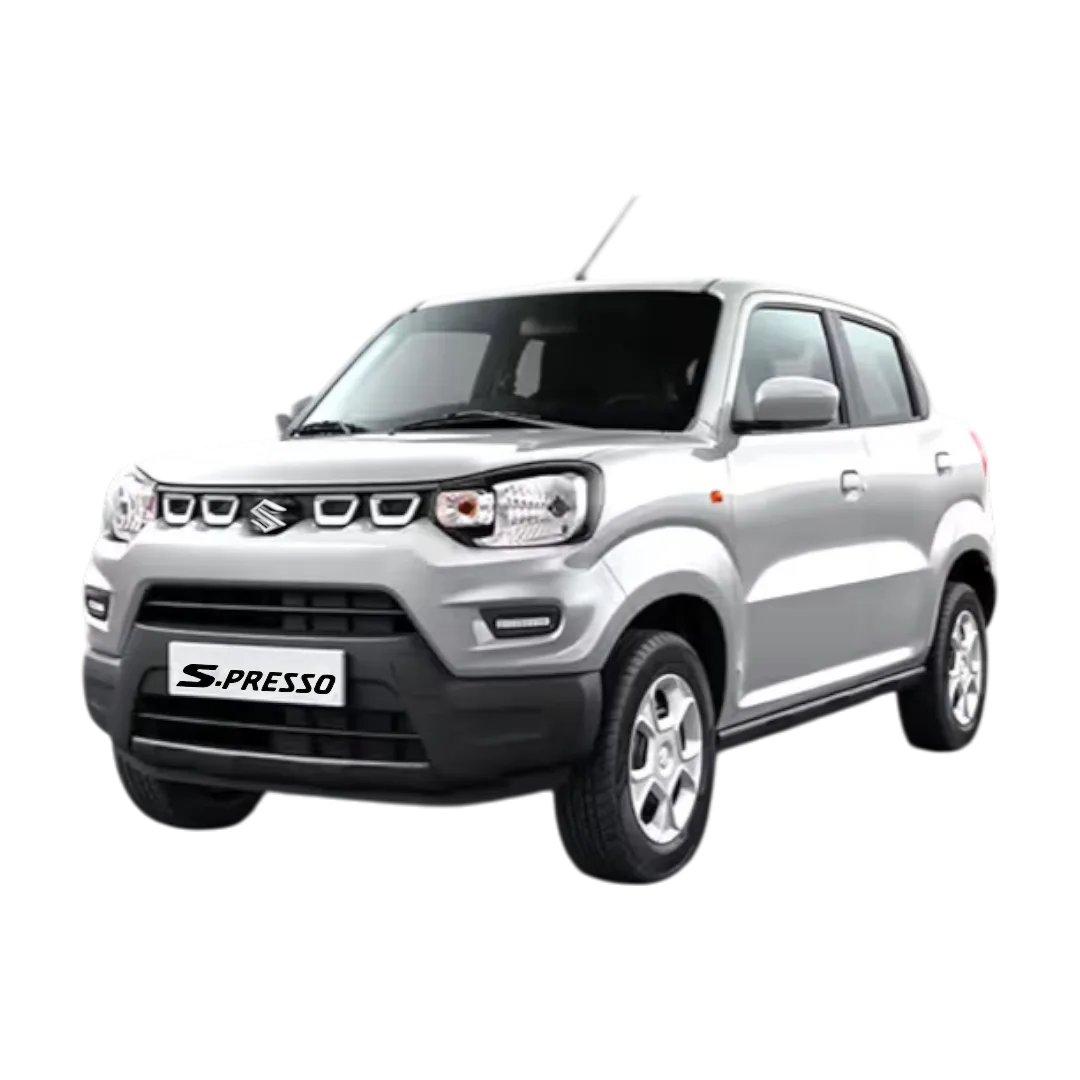 S-Presso
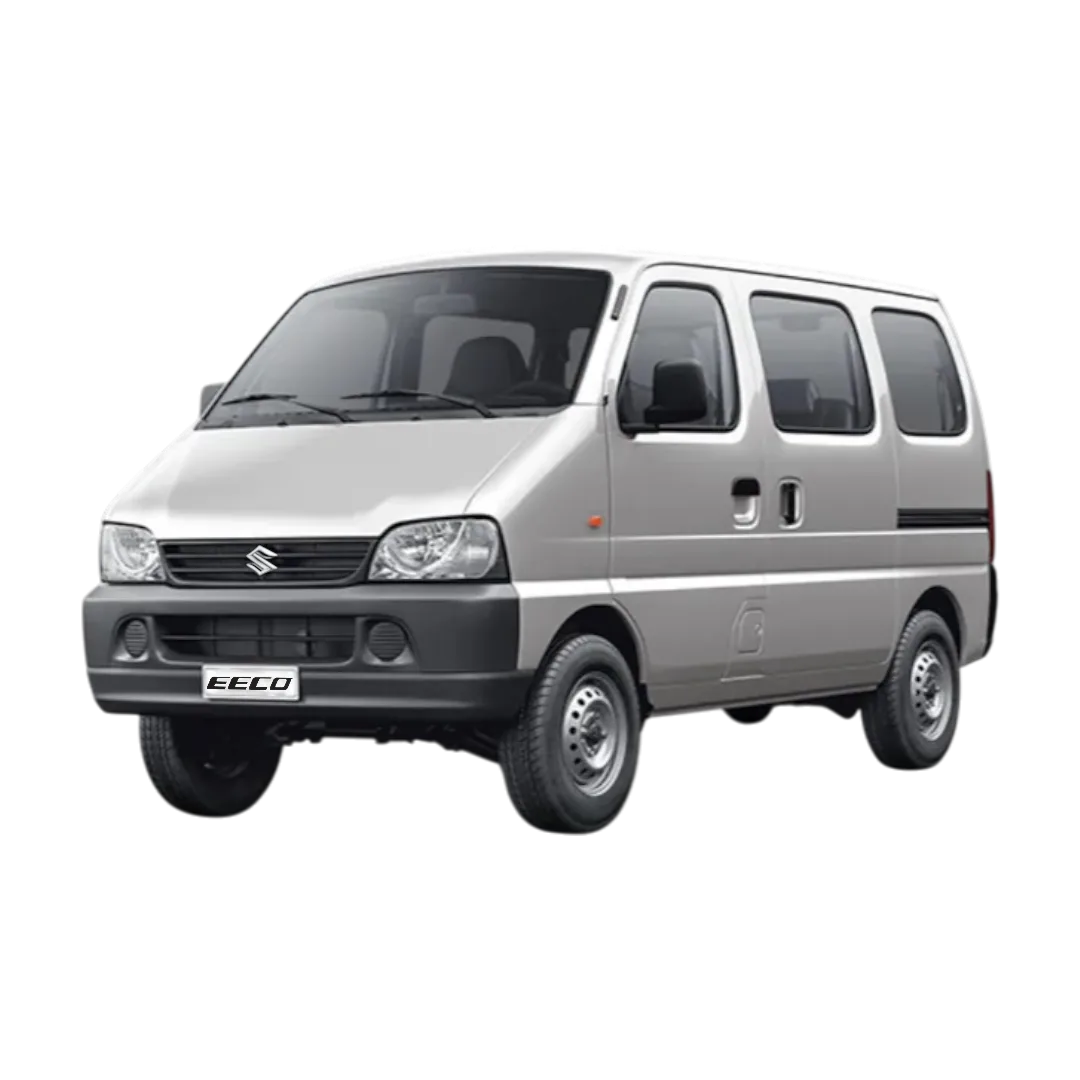 Eeco/Versa
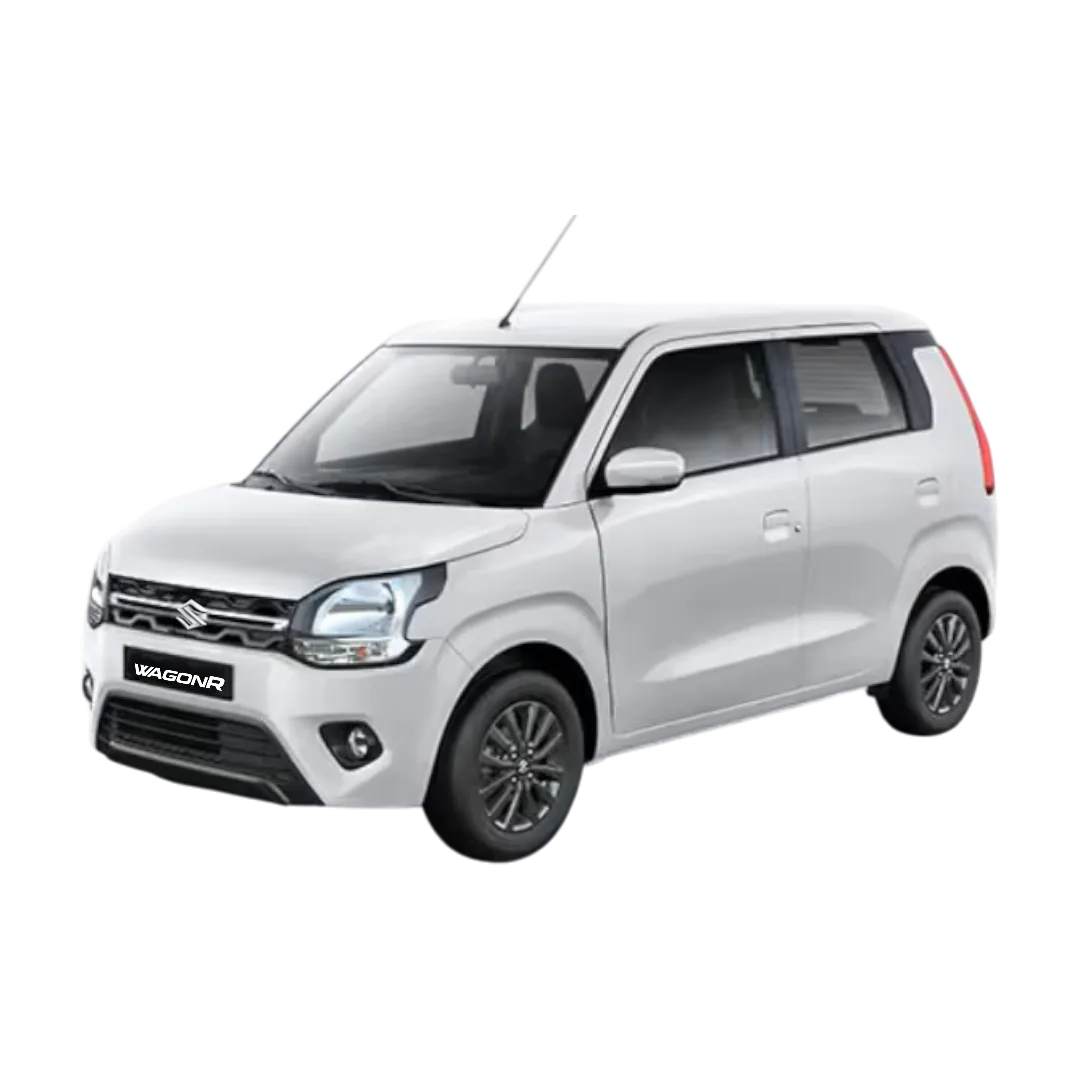 WagonR
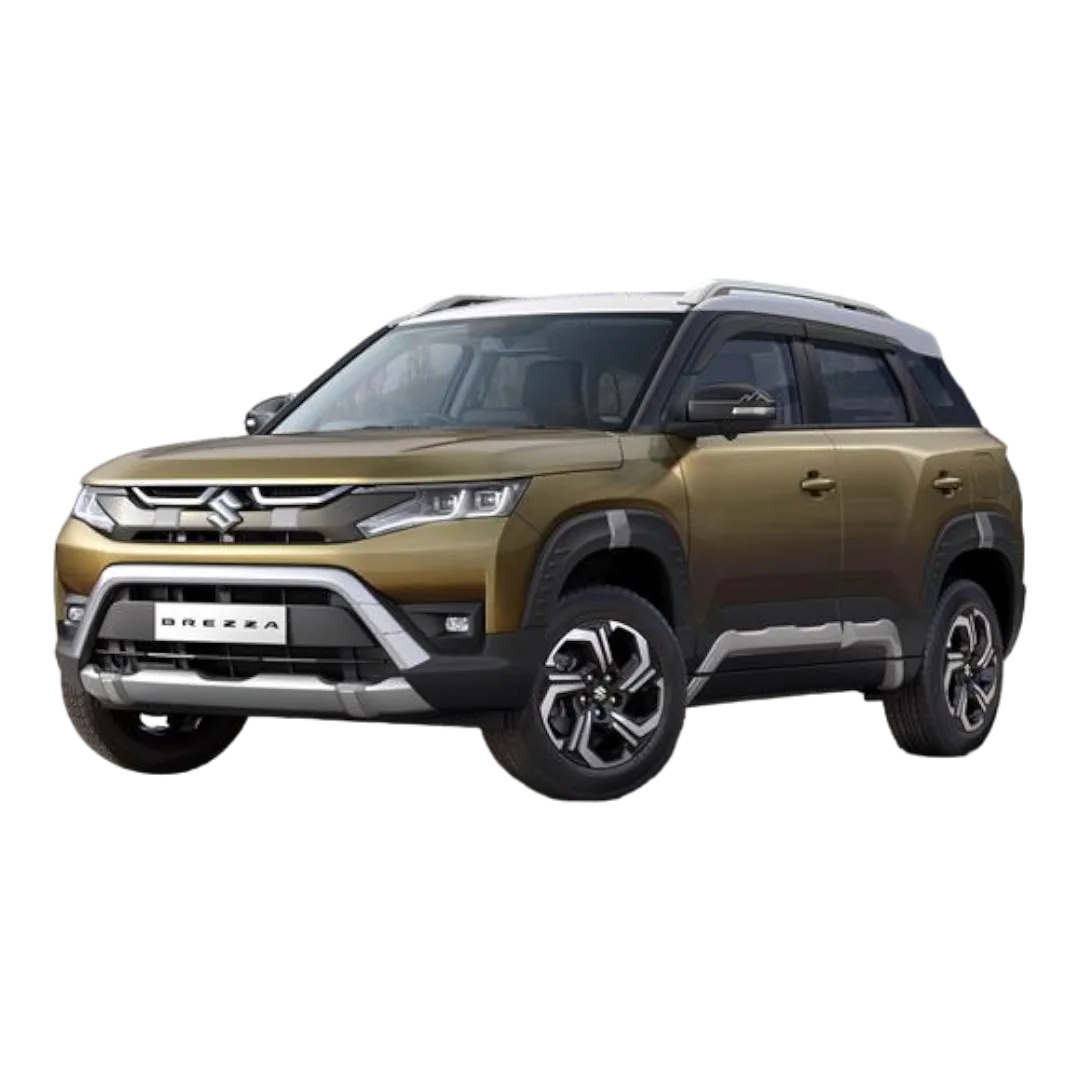 Brezza
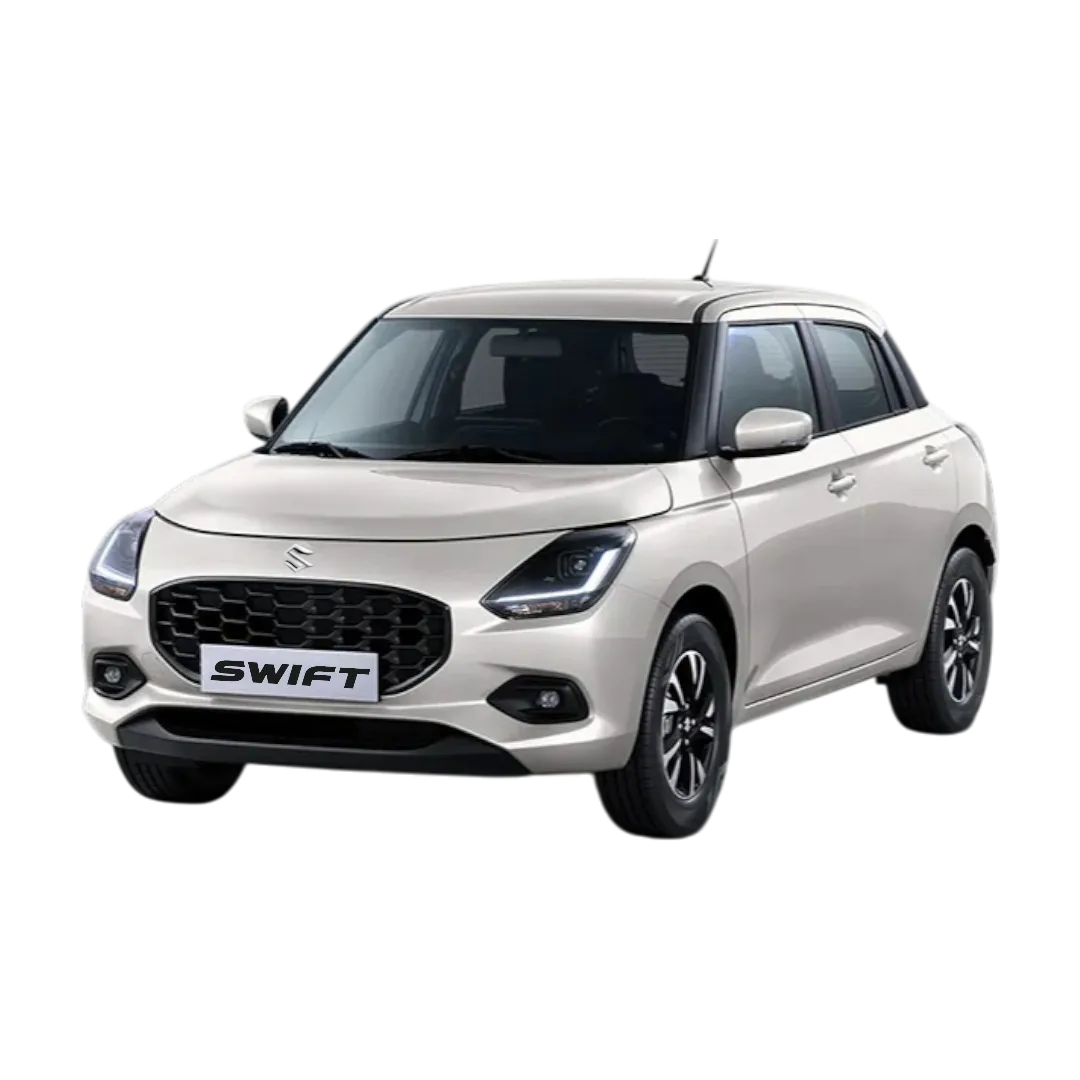 Swift
Swift
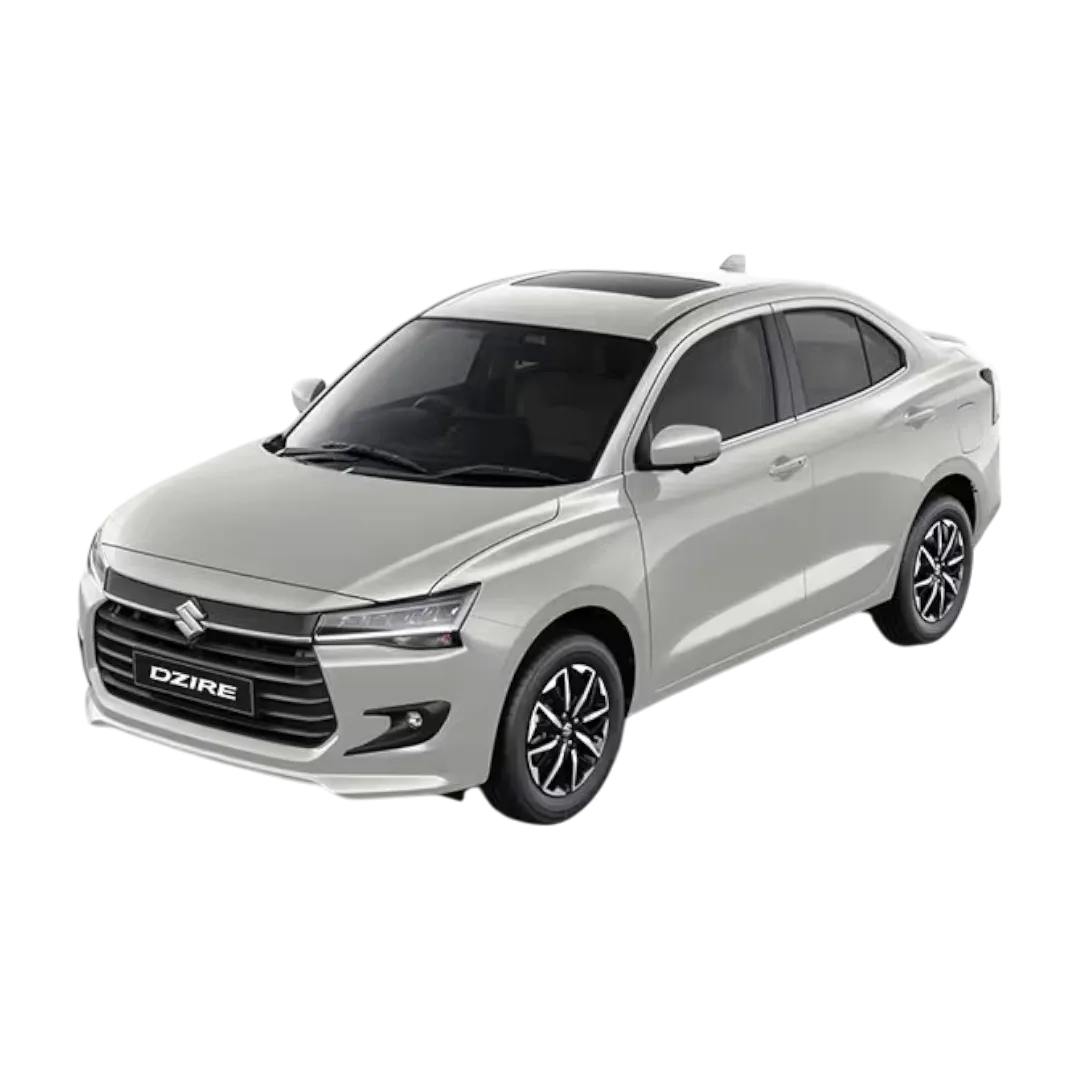 Dzire
Dzire
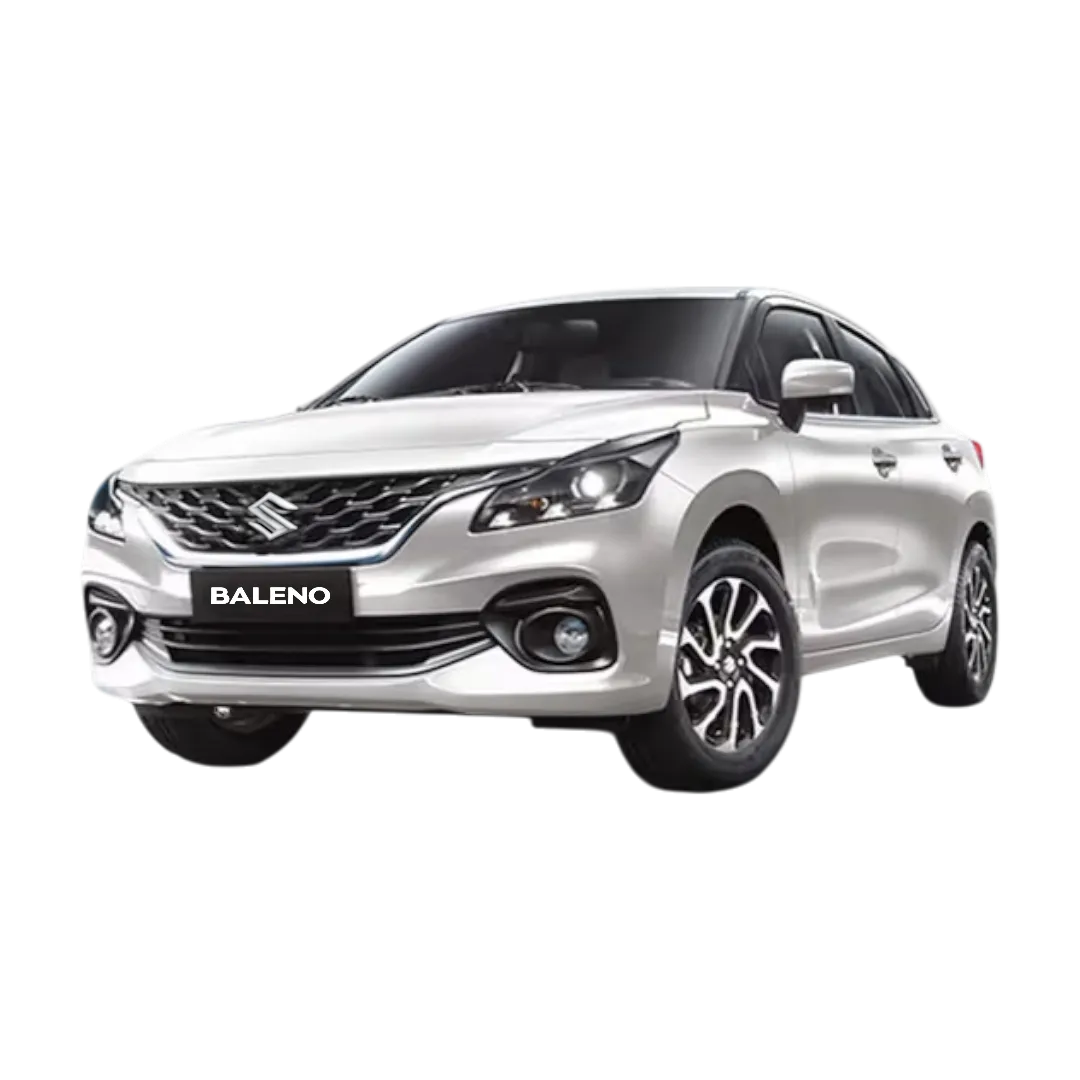 Baleno
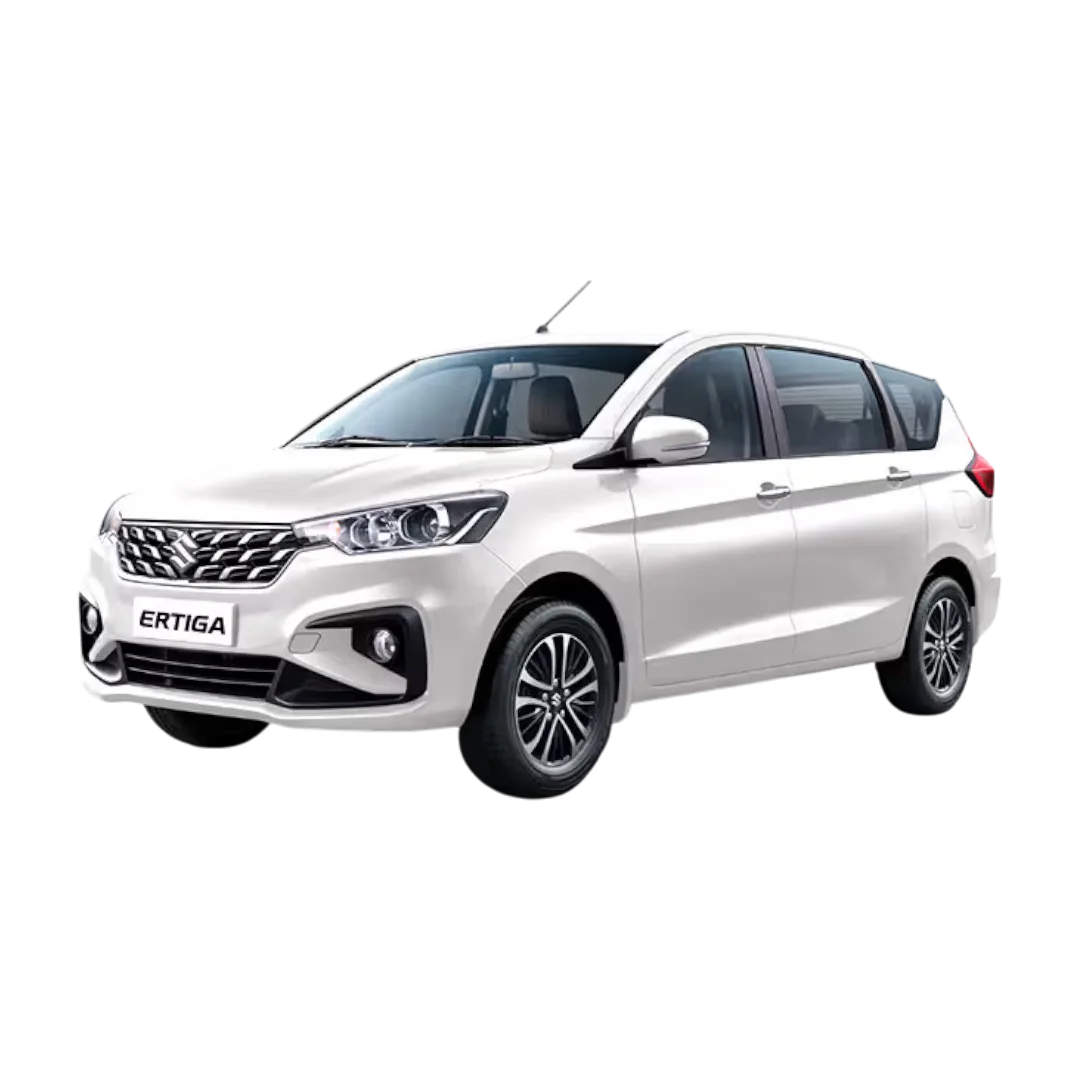 Ertiga
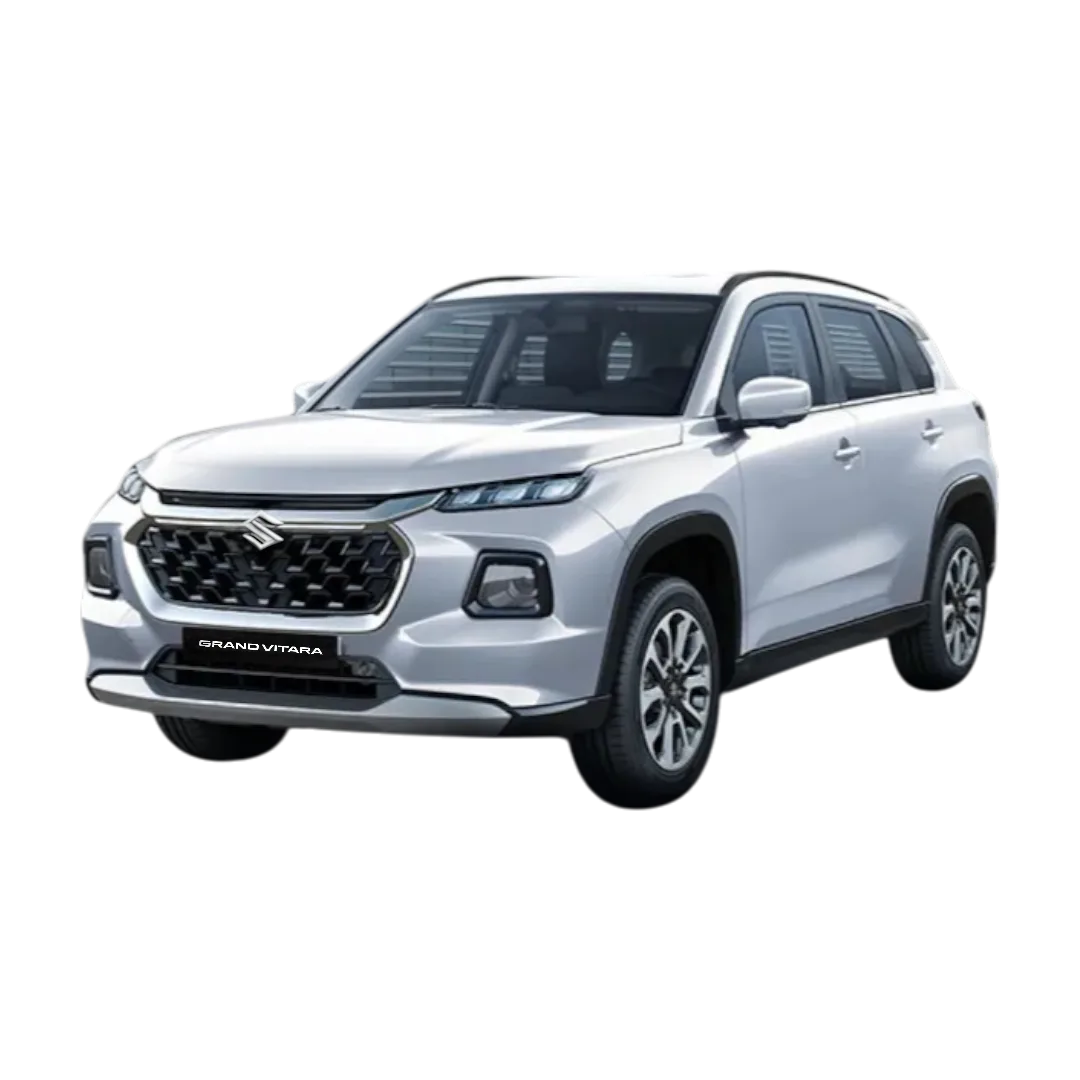 Grand Vitara
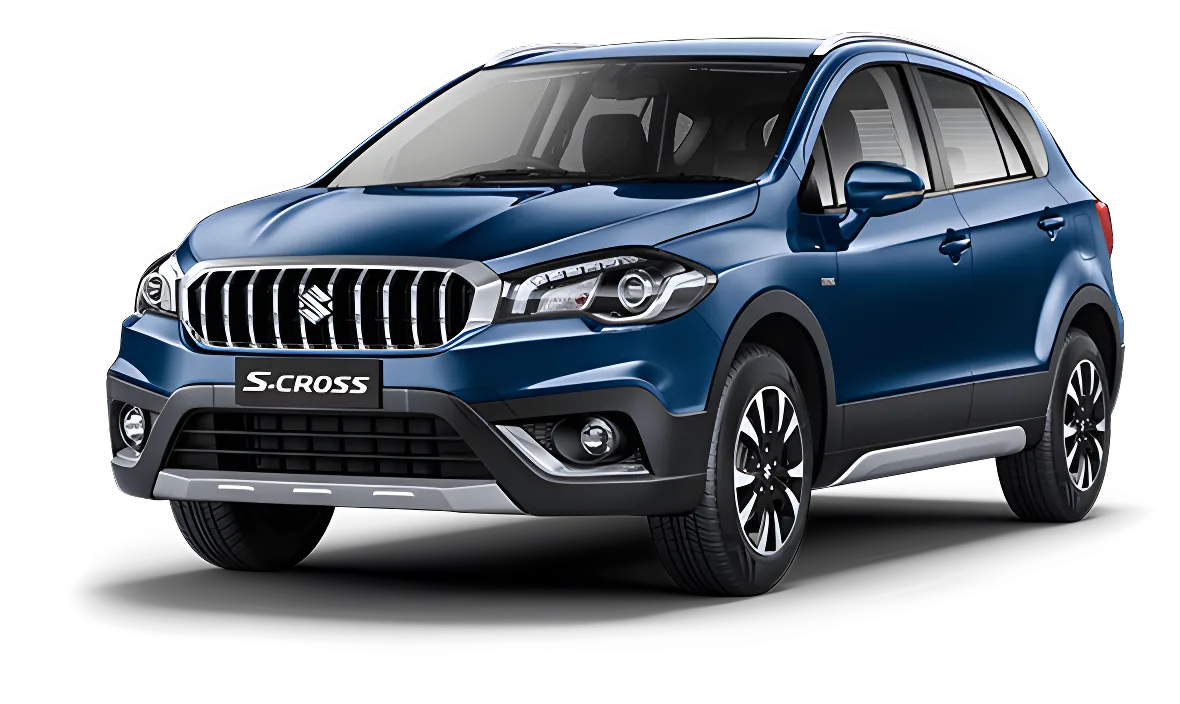 S-Cross
 Jimny
Jimny
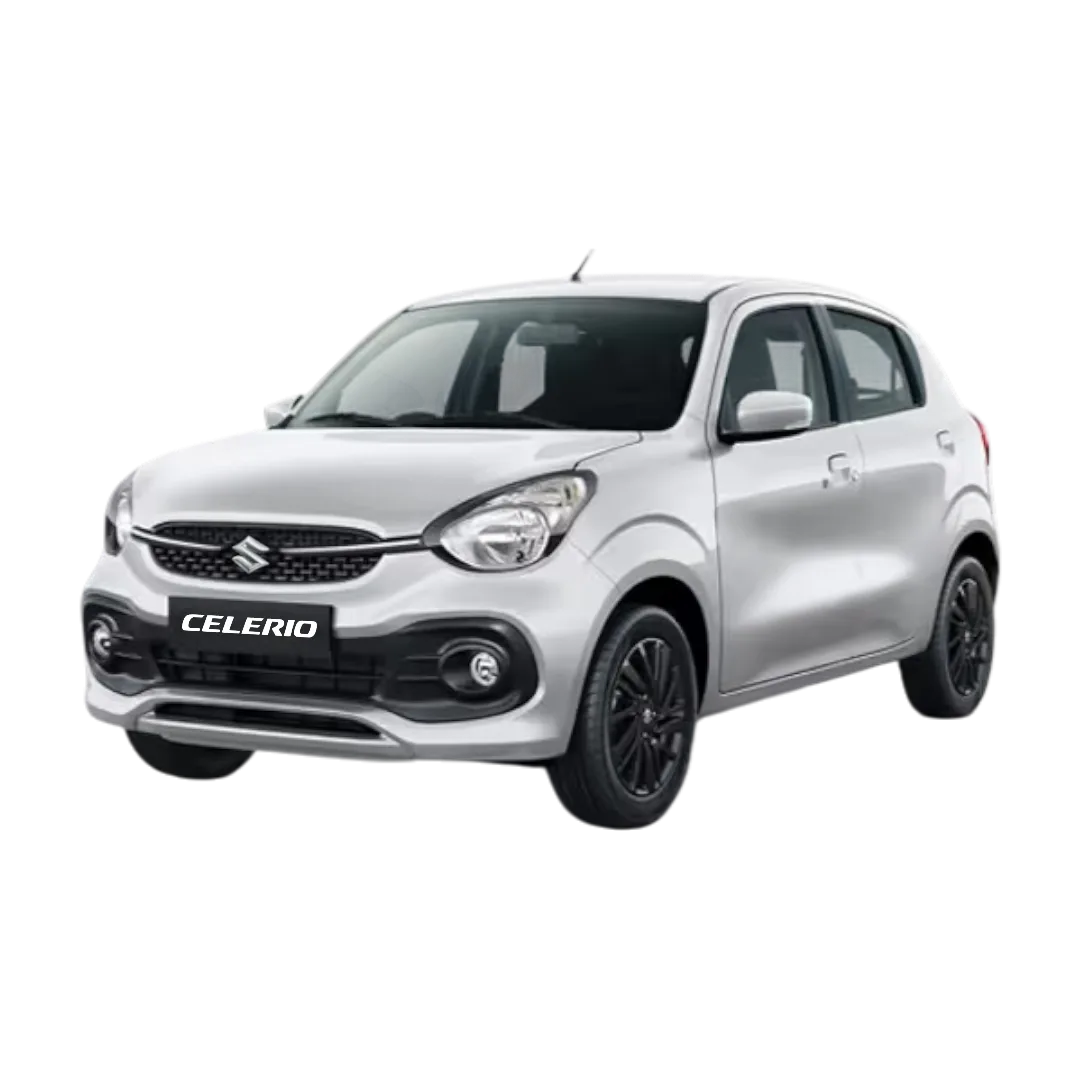 Celerio
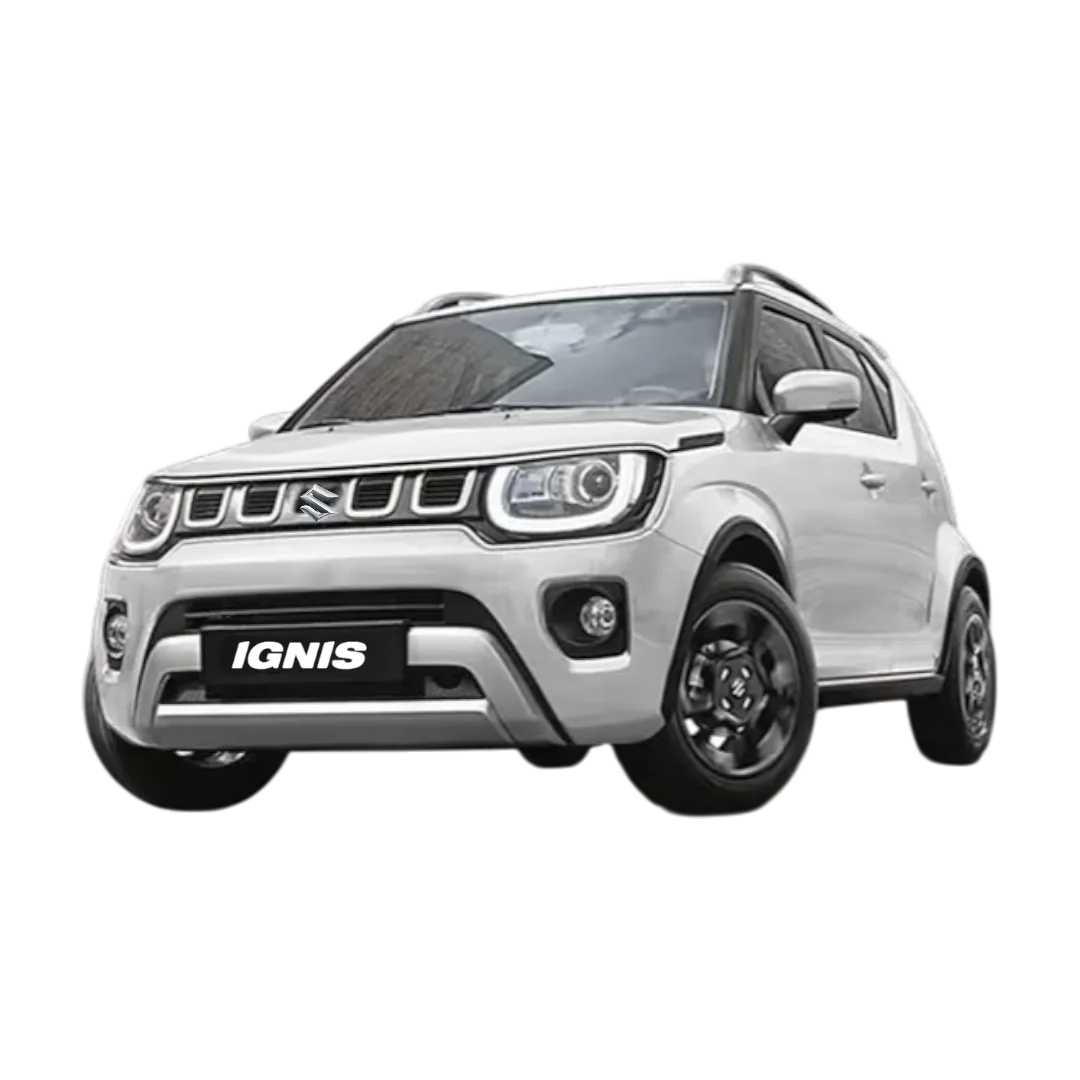 Ignis
Ignis
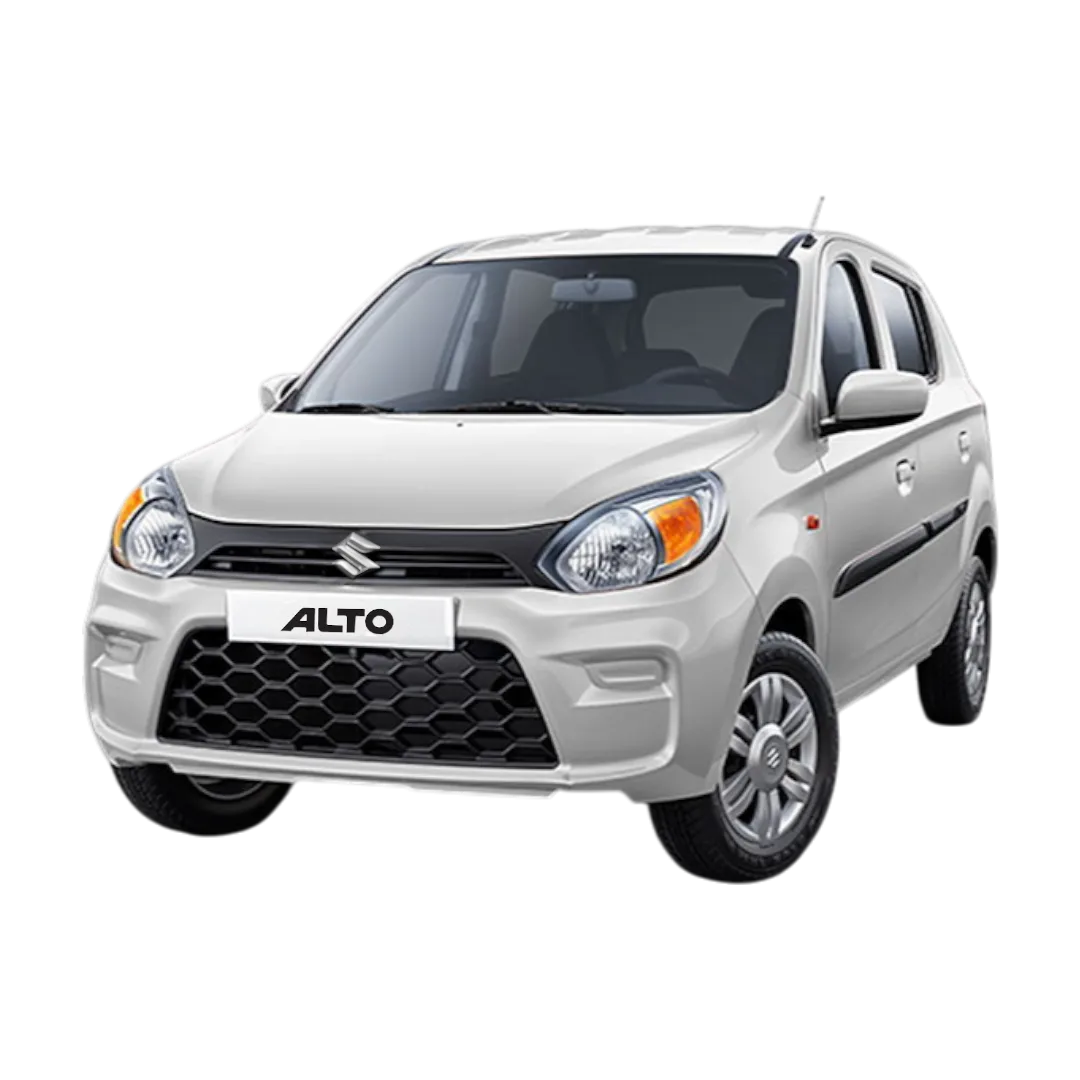 Alto 800
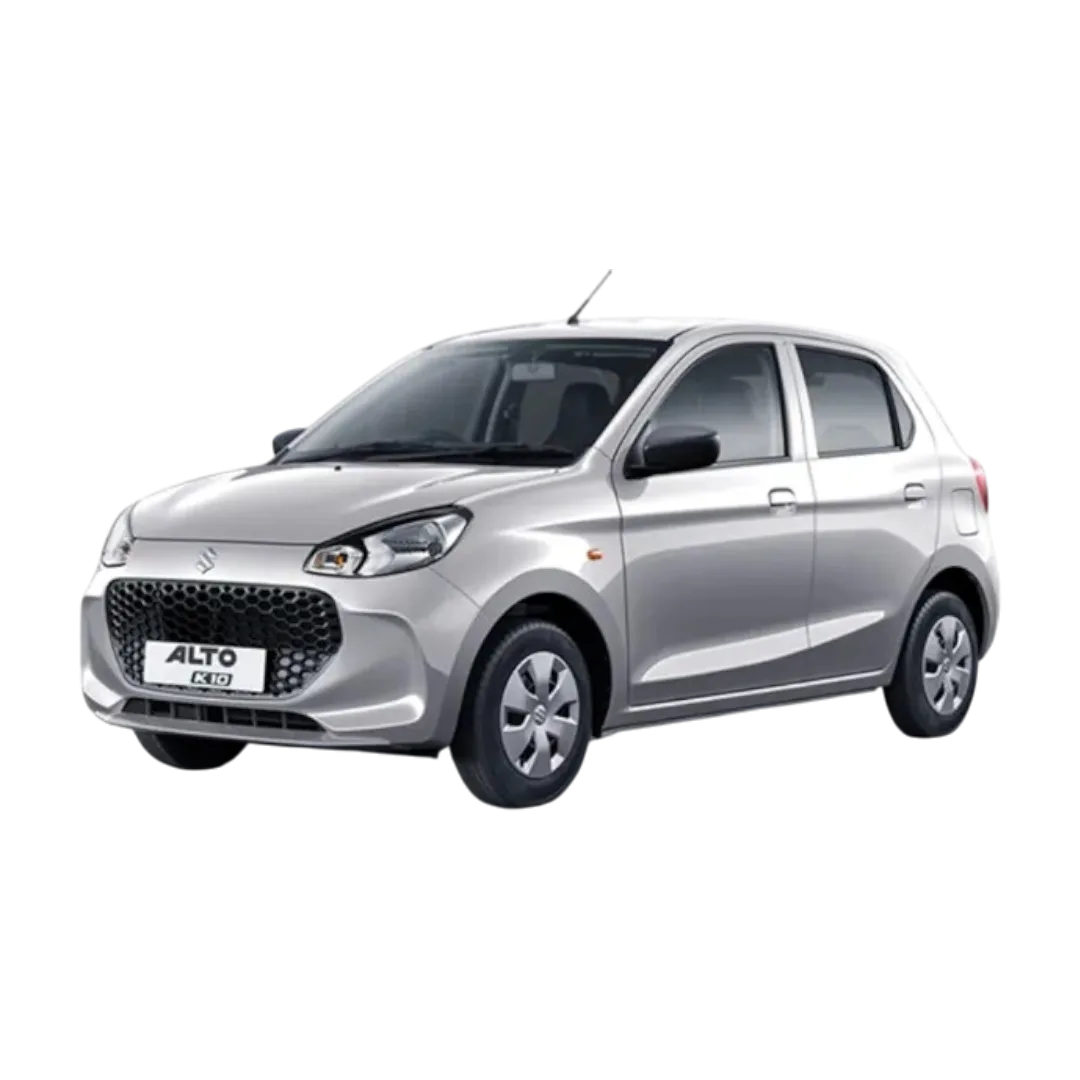 Alto K10
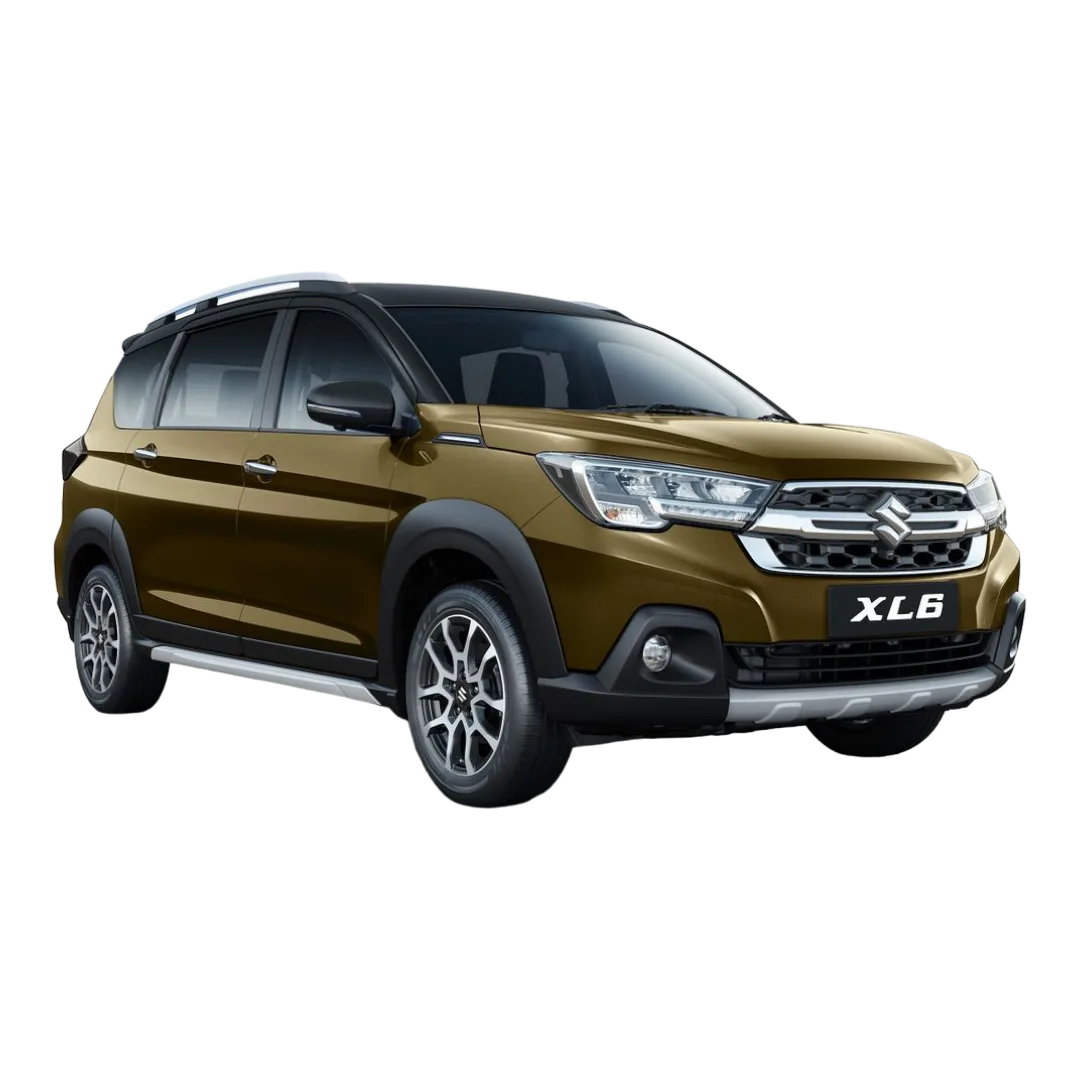 XL6
XL6
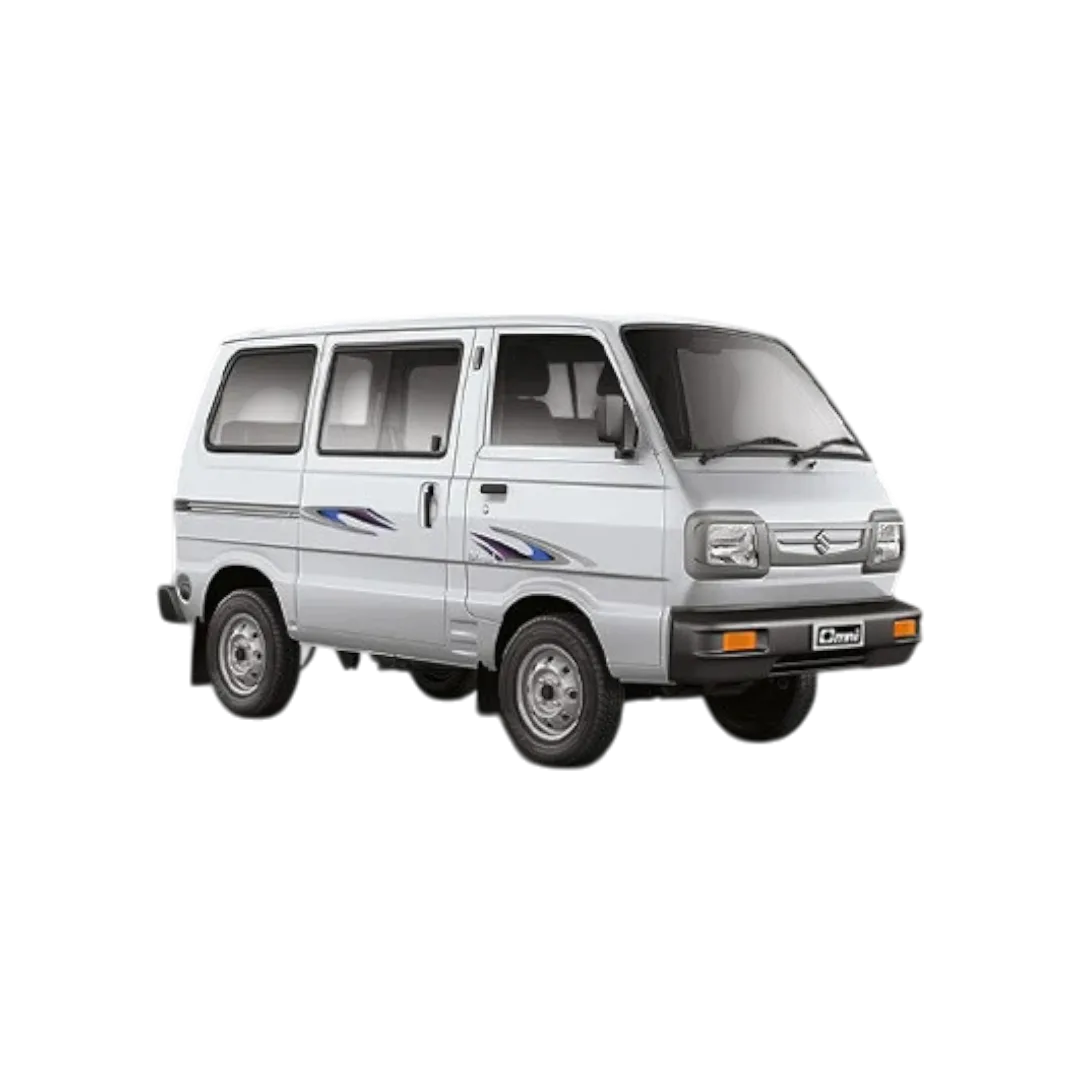 Omni
Omni
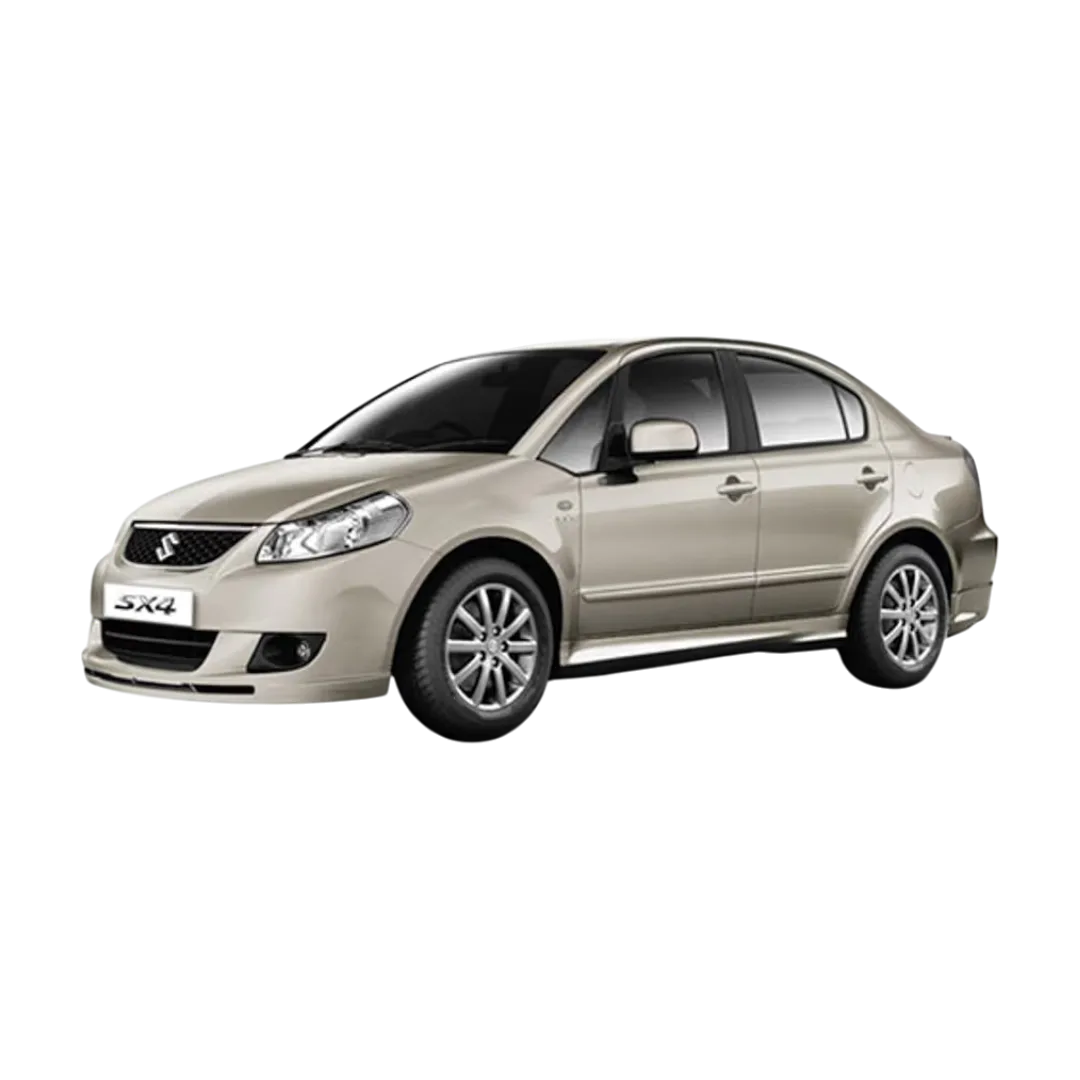 SX4
SX4
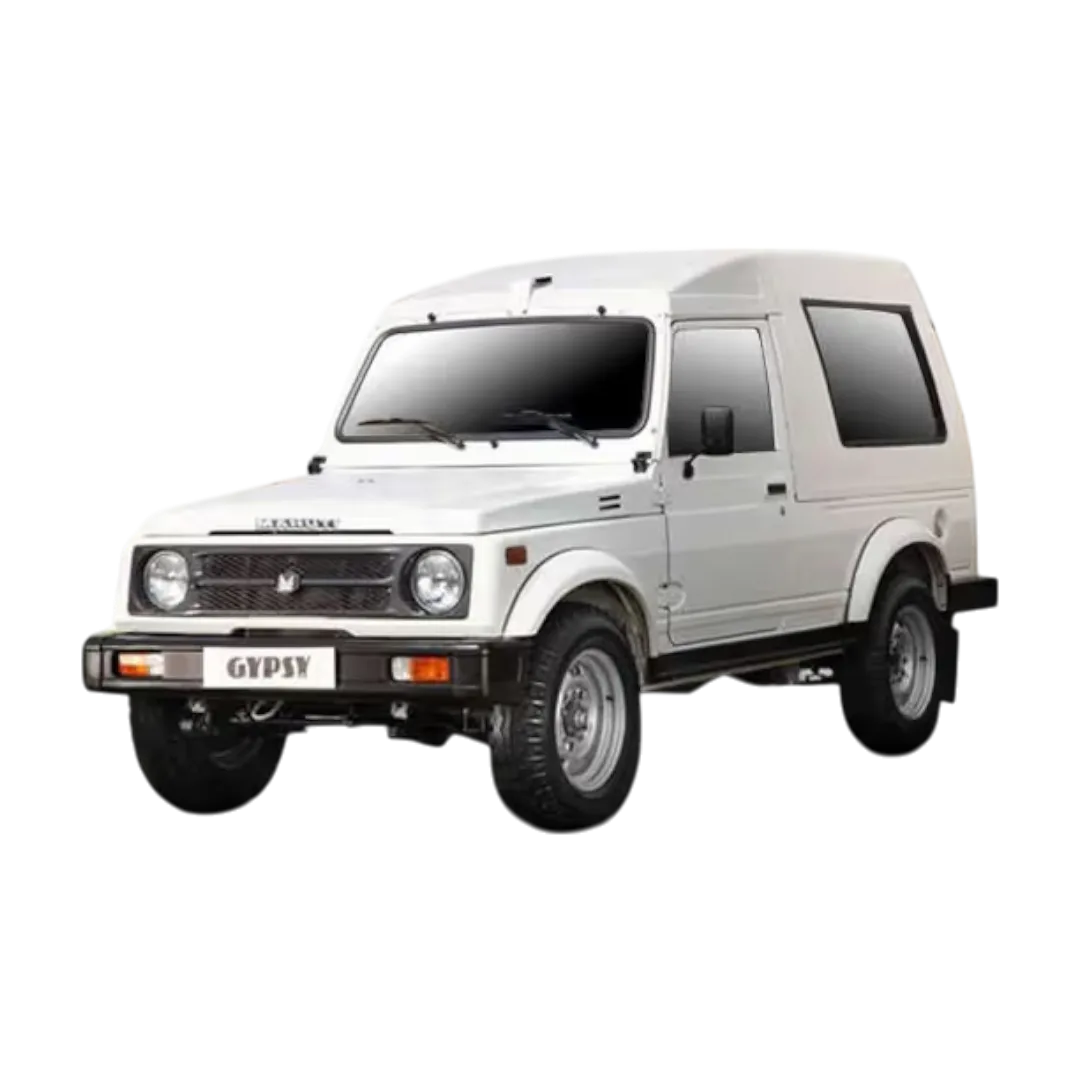 Gypsy
Gypsy
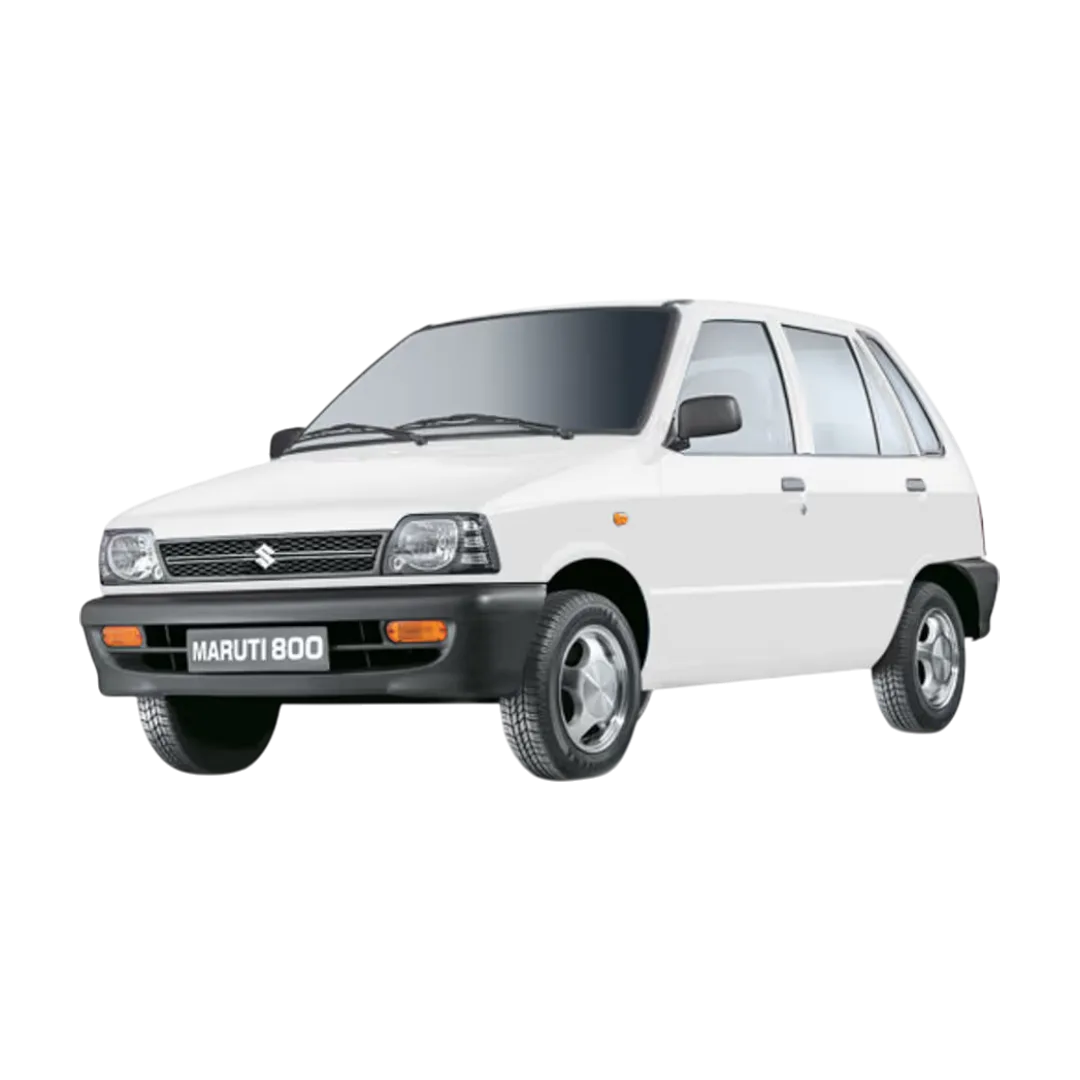 Maruti 800
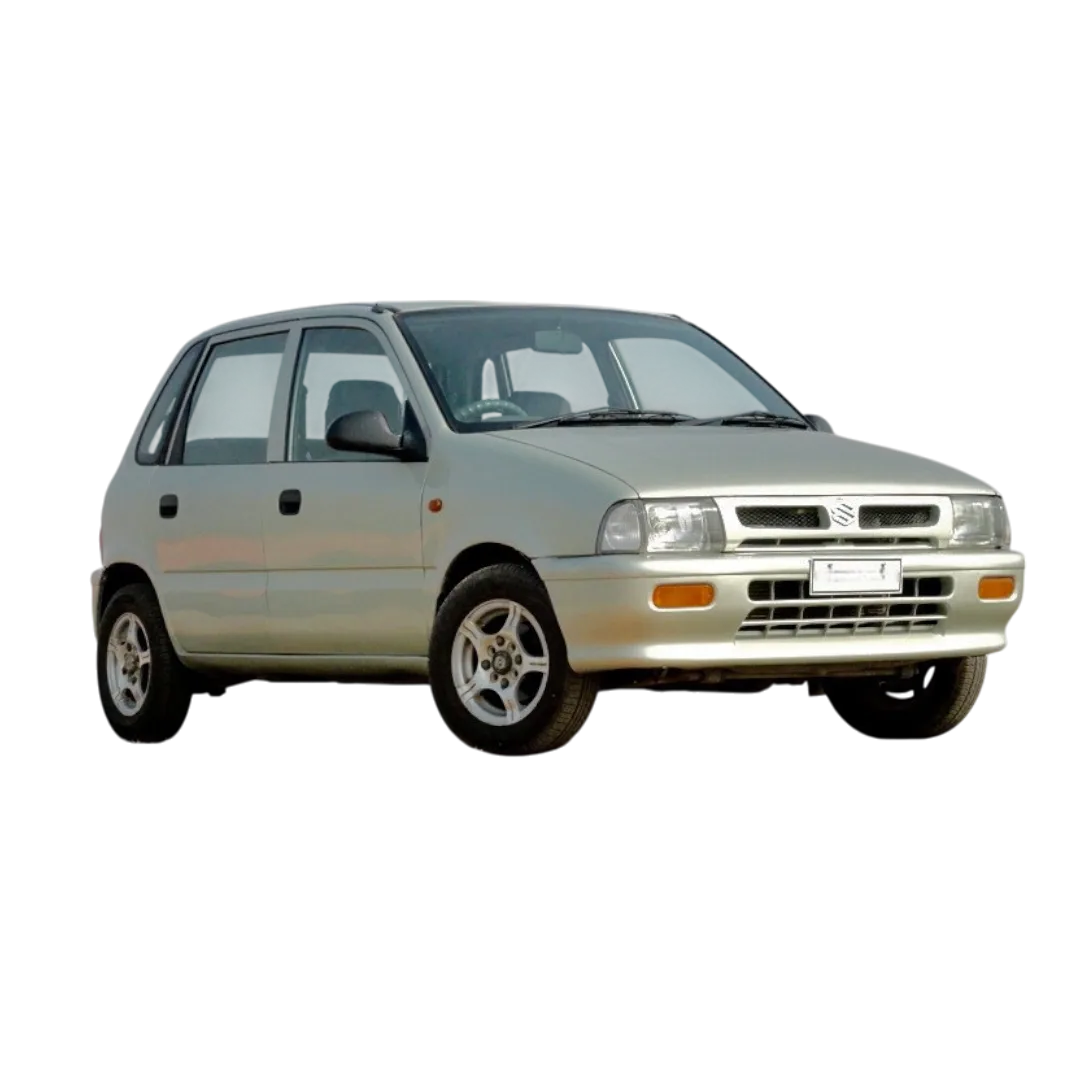 Zen
Zen
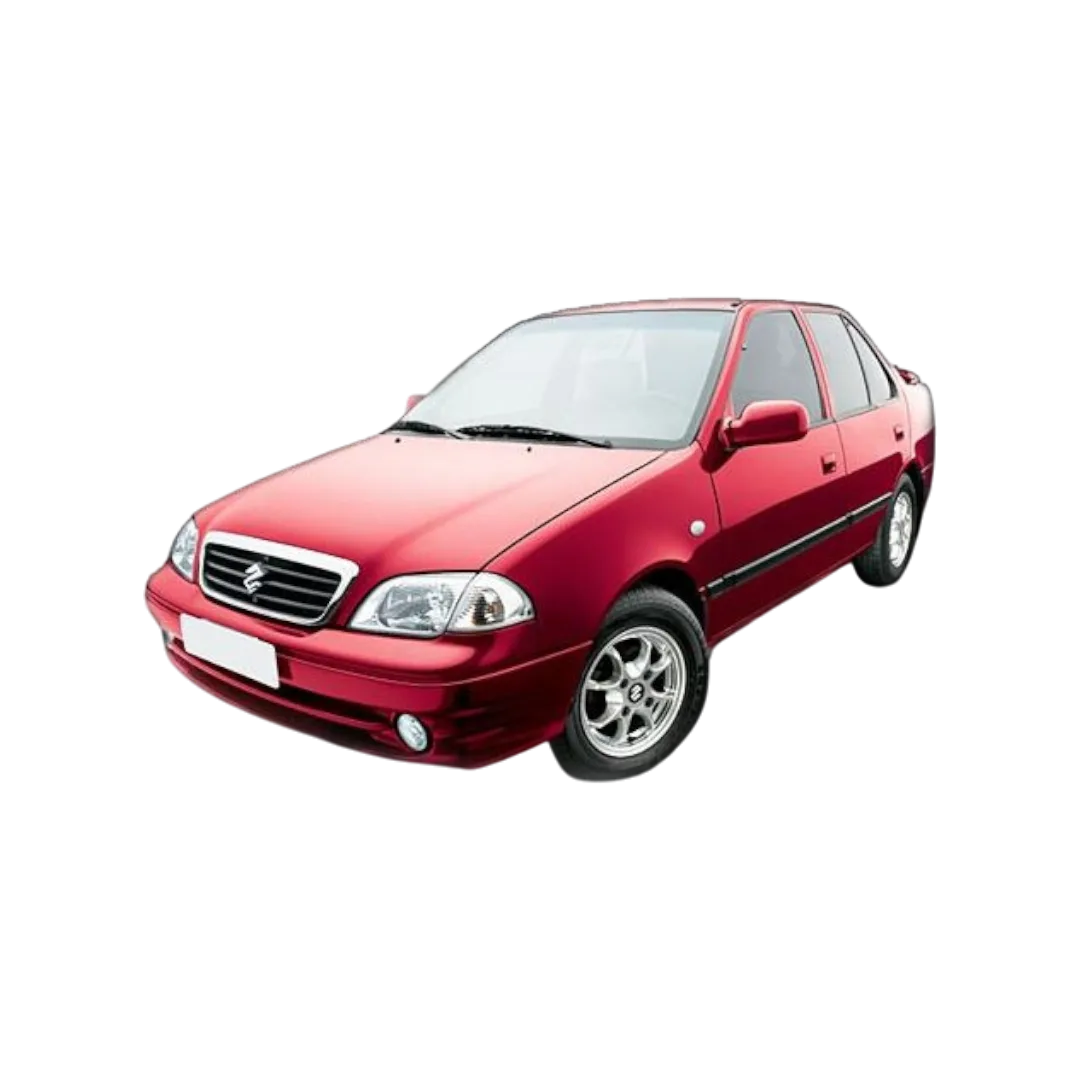 Esteem
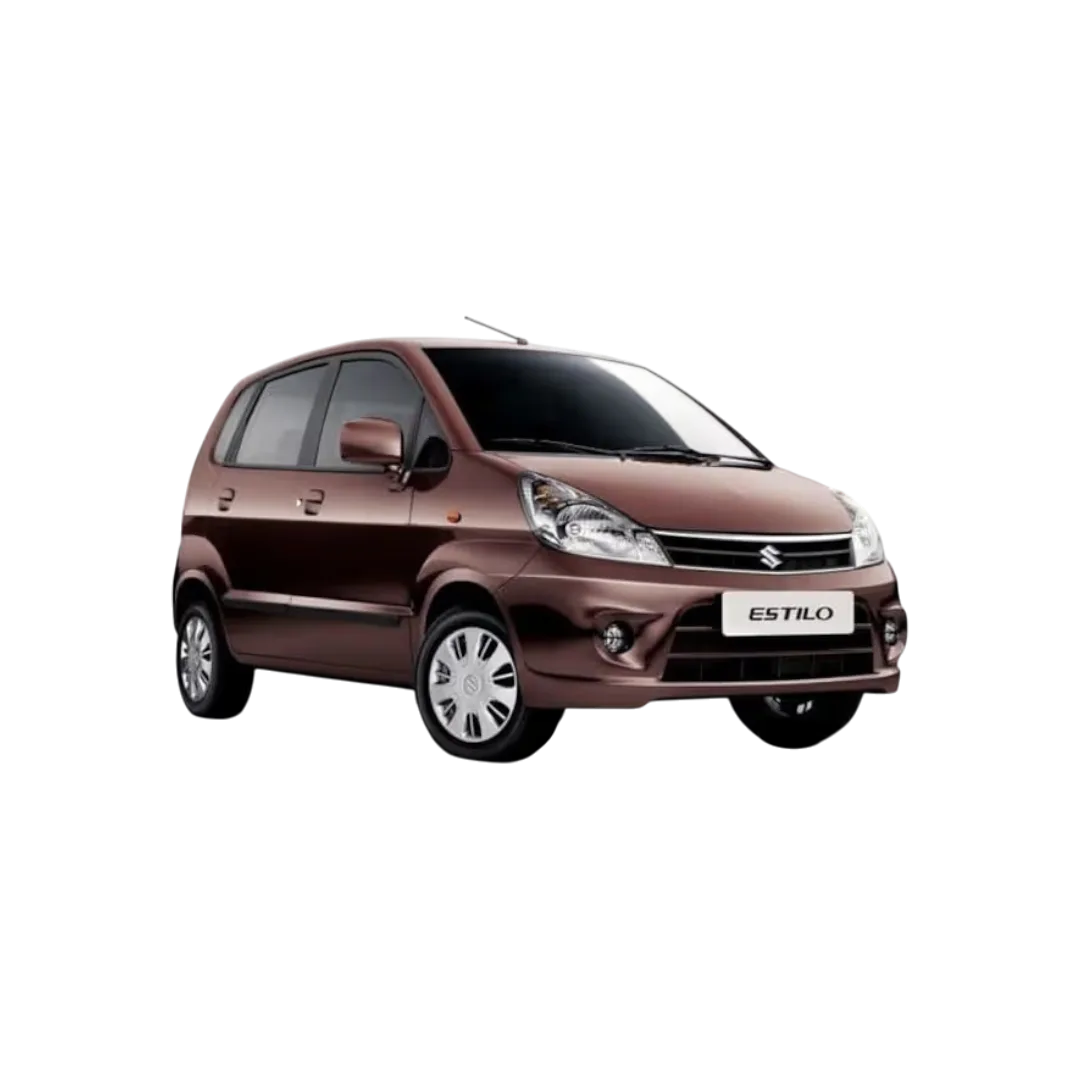 Zen Estilo
 Ritz
Ritz
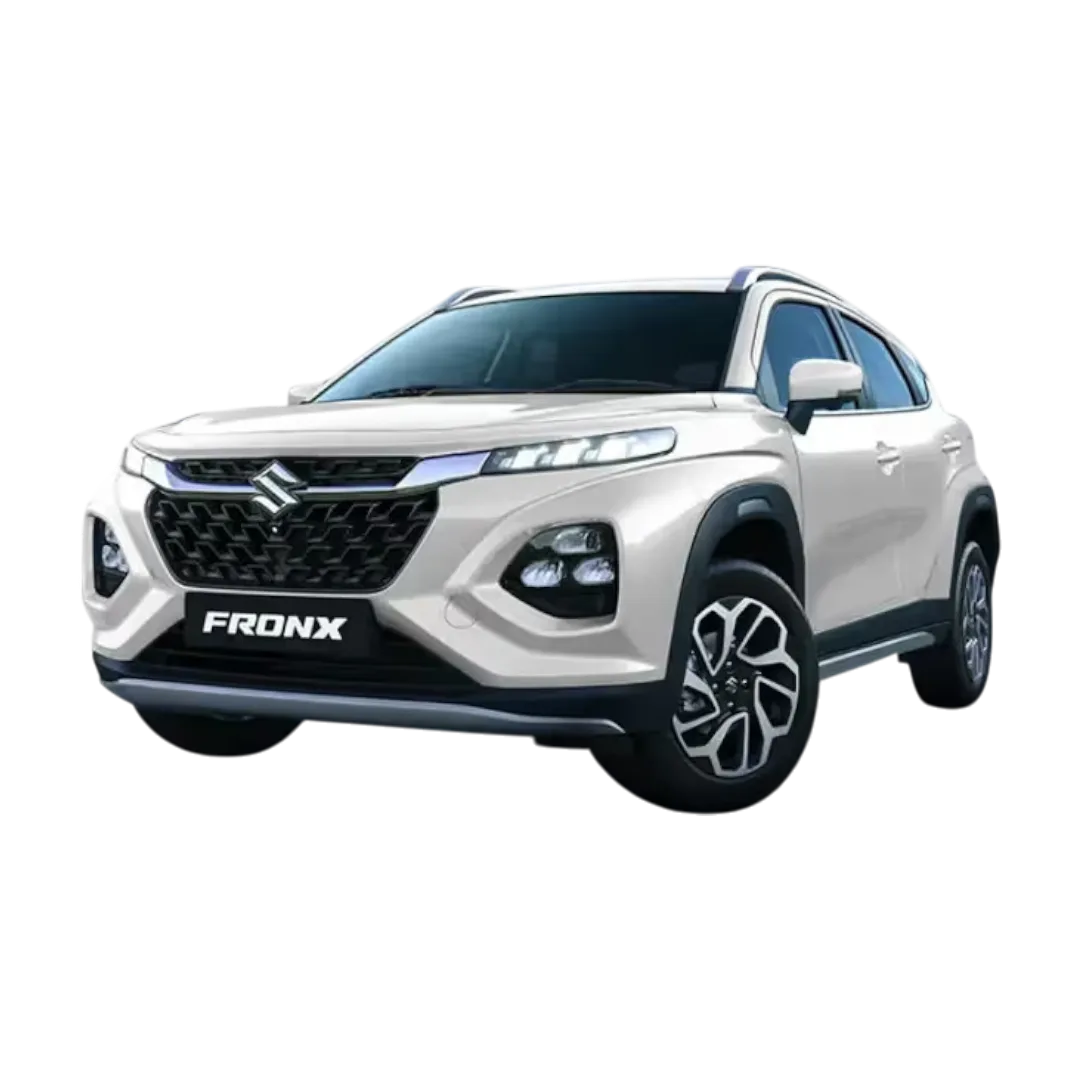 Fronx
Fronx
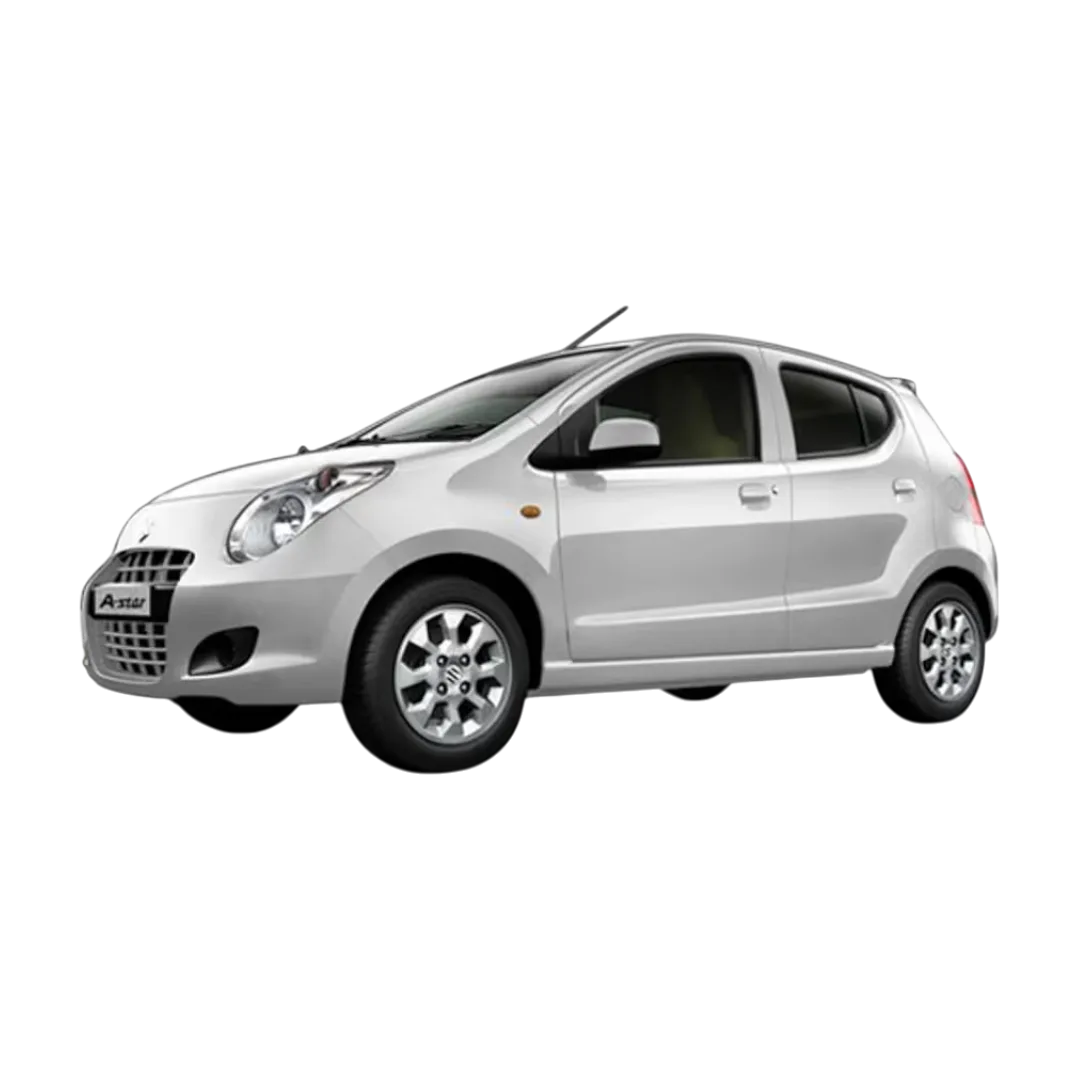 A-Star
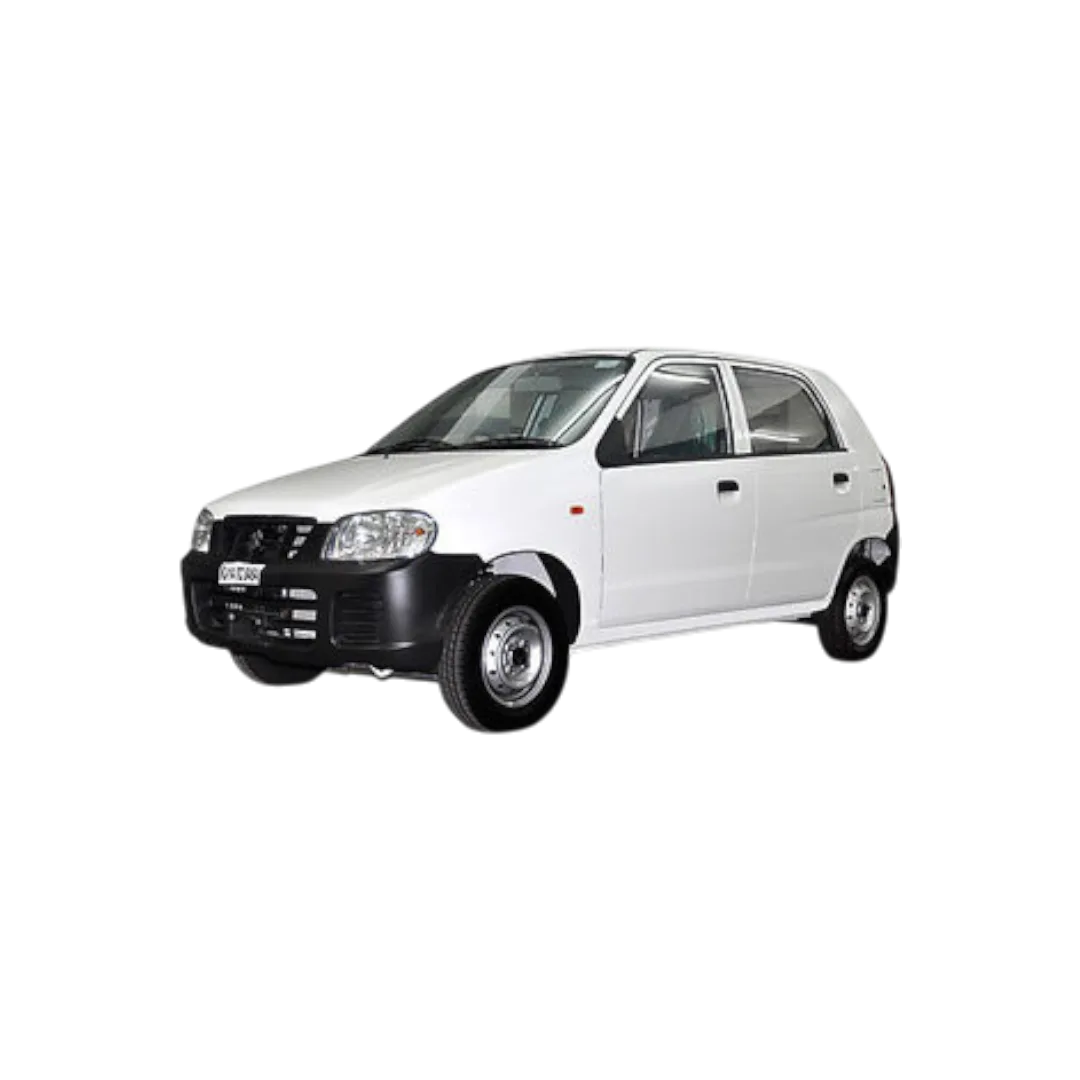 Alto
Alto
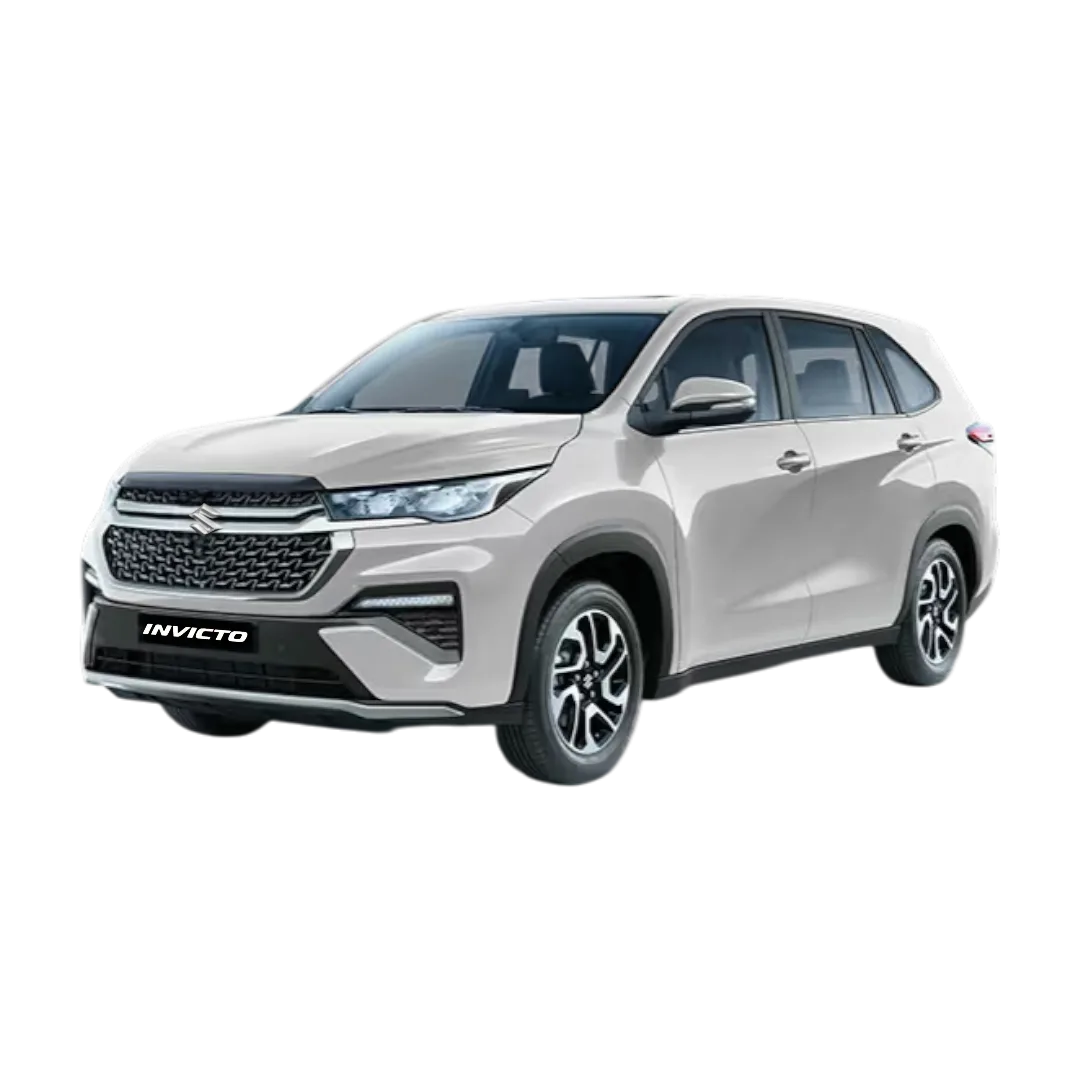 Invicto
Victoris
Wagon R
Invicto
Victoris
Wagon R
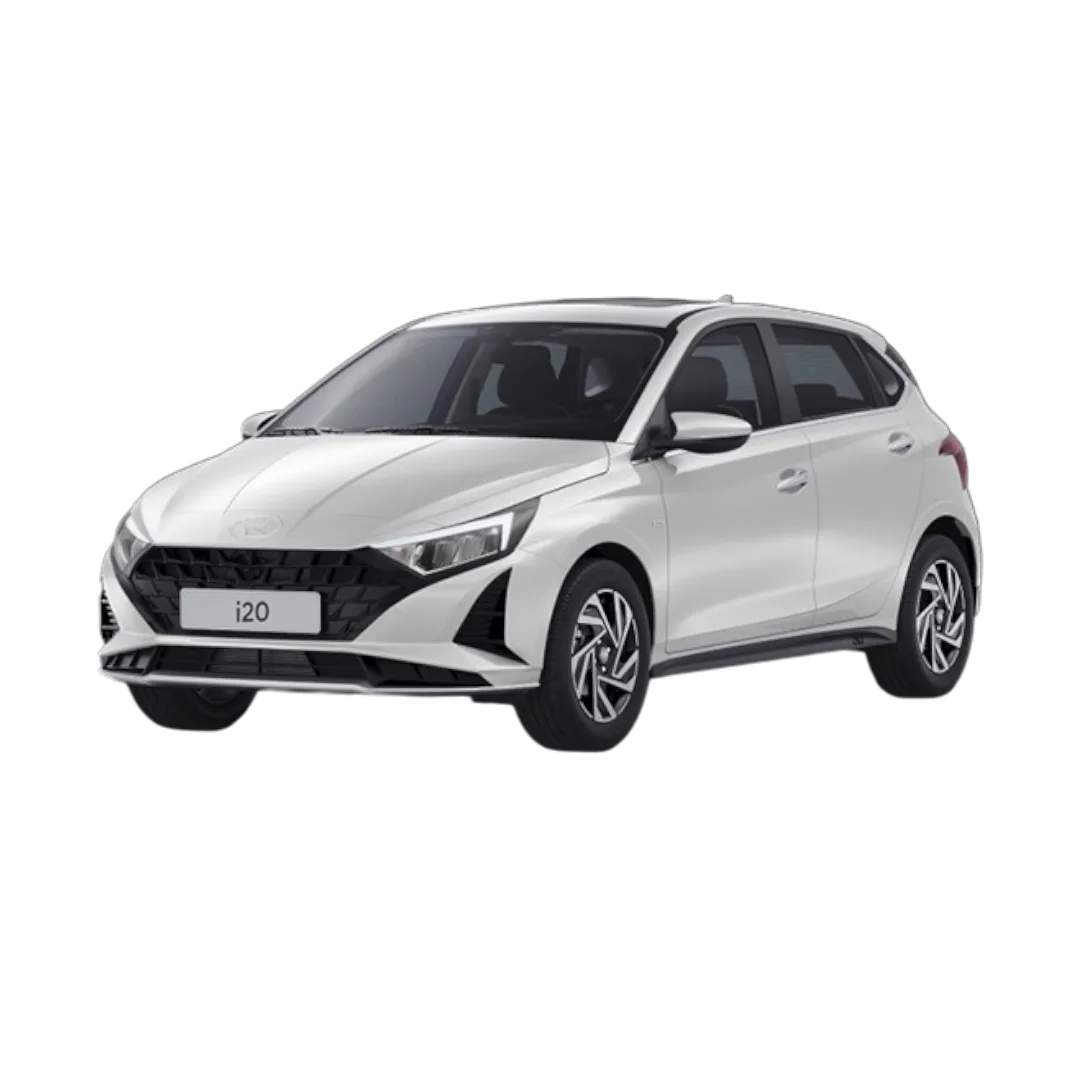 i20
i20
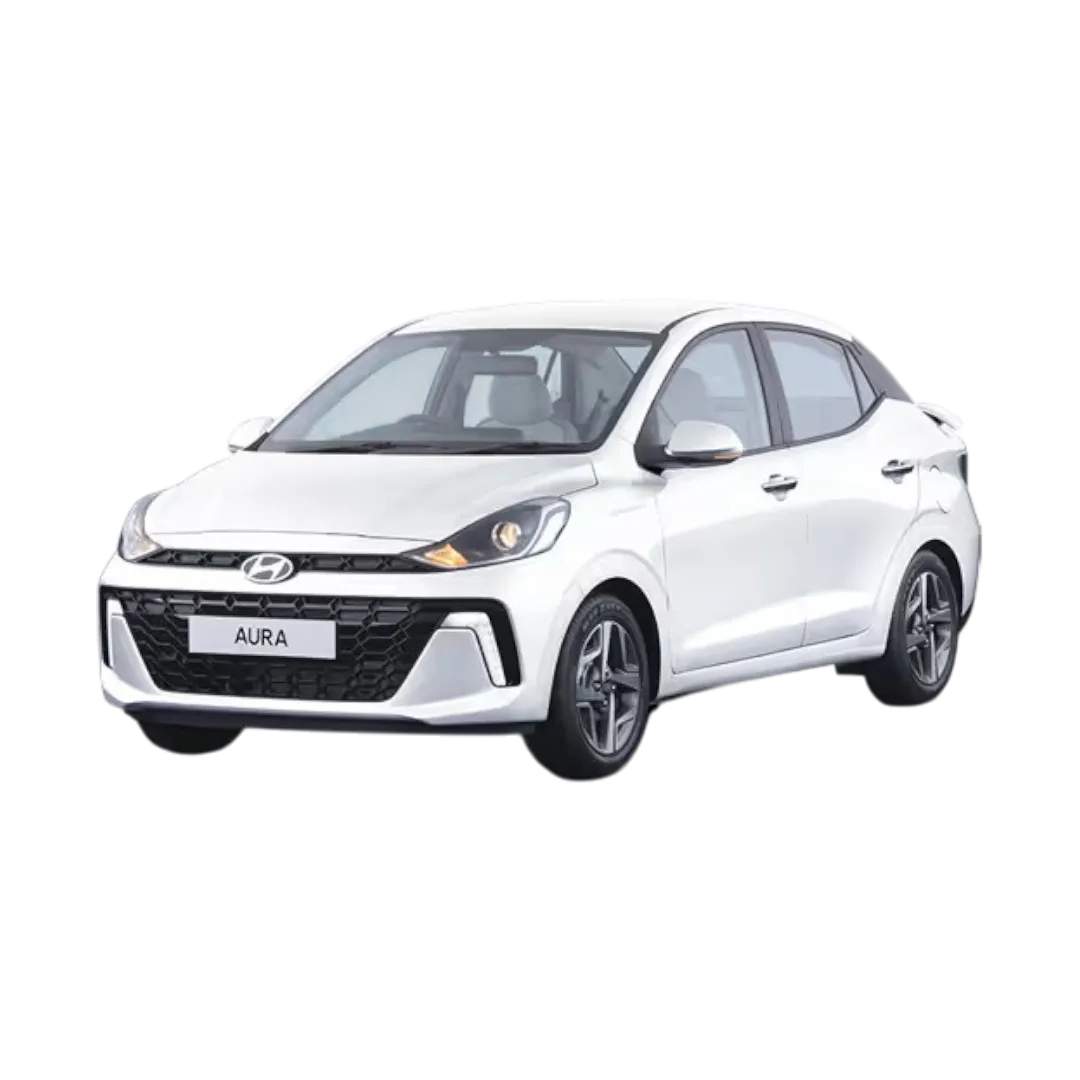 Aura
Aura
 Creta
Creta
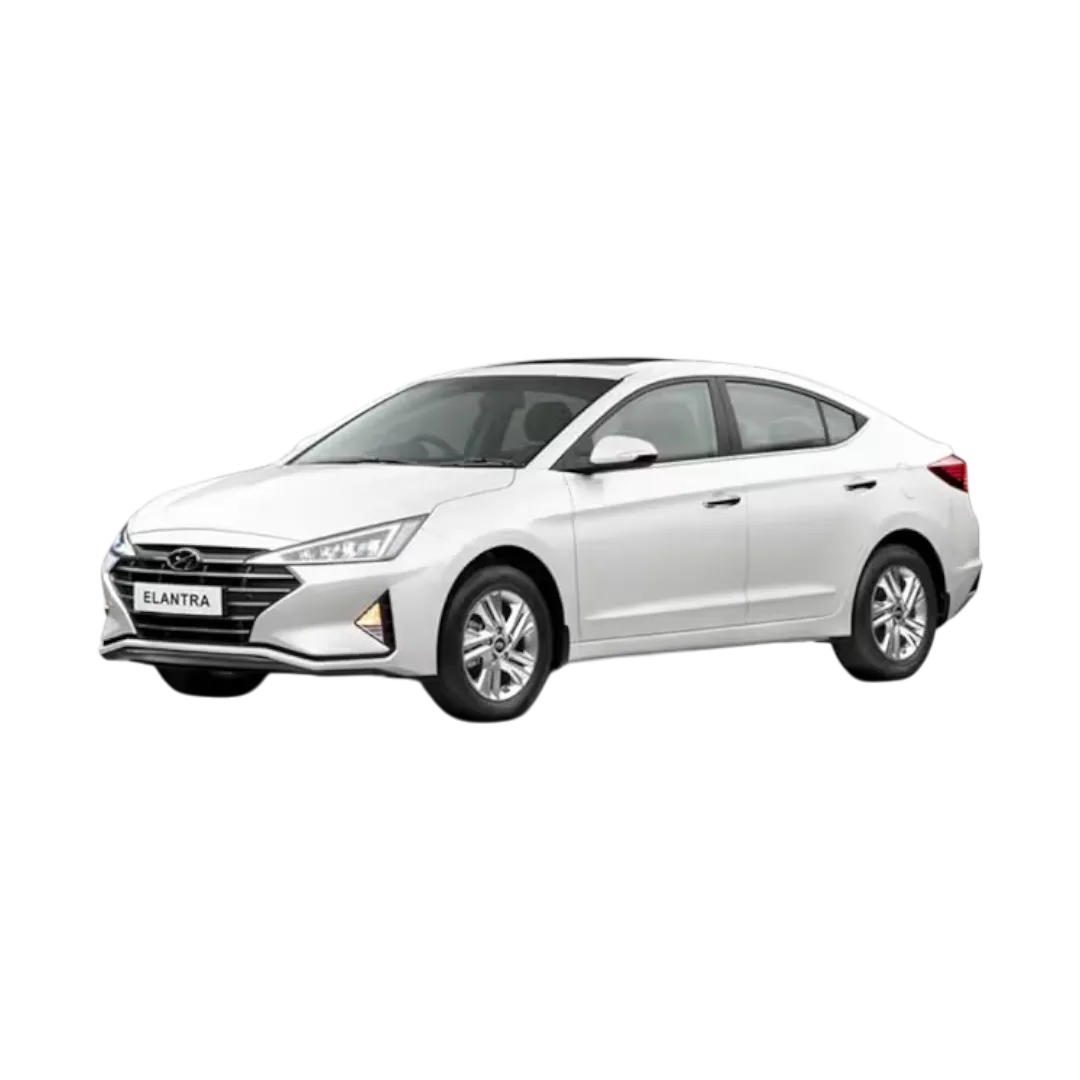 Elantra
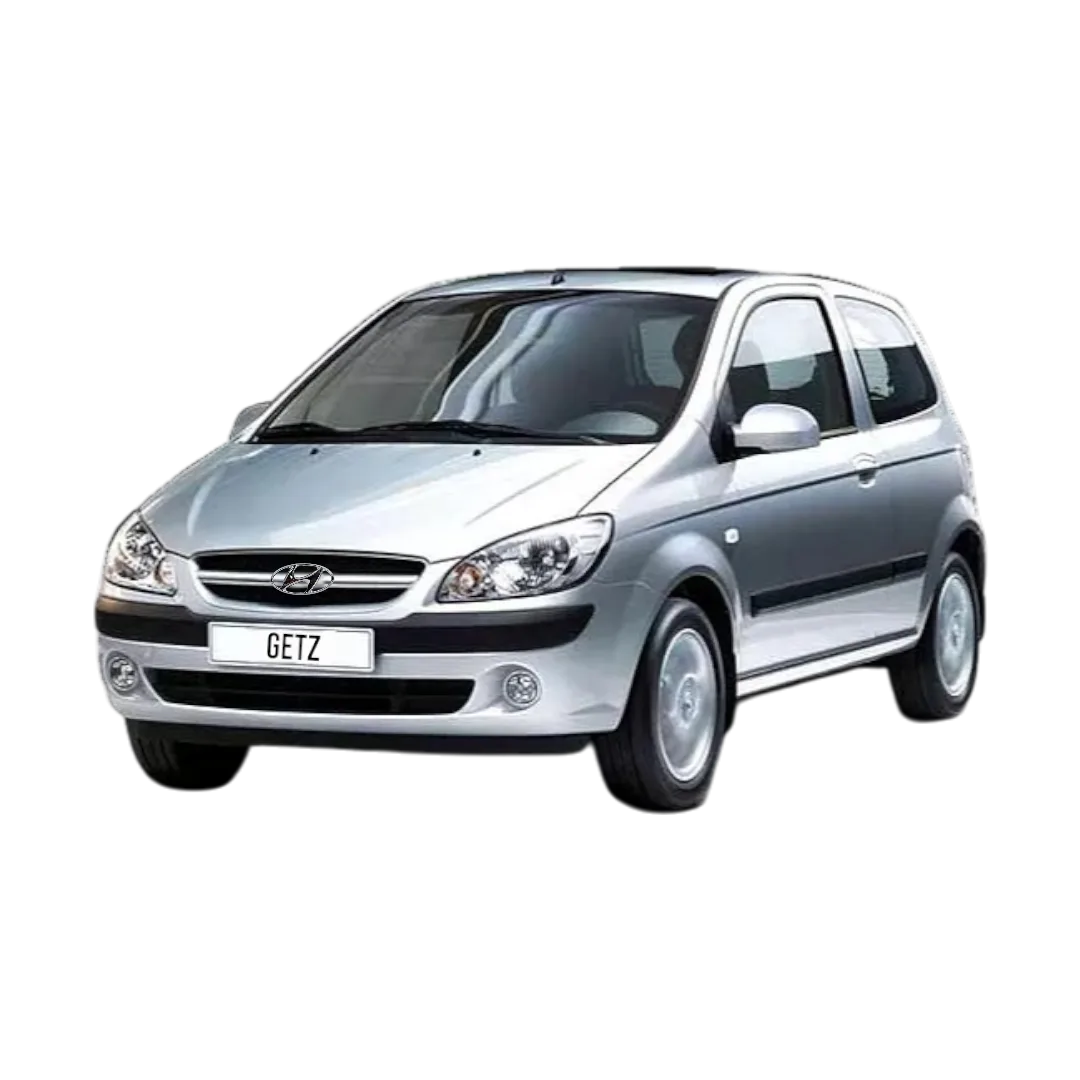 Getz
Getz
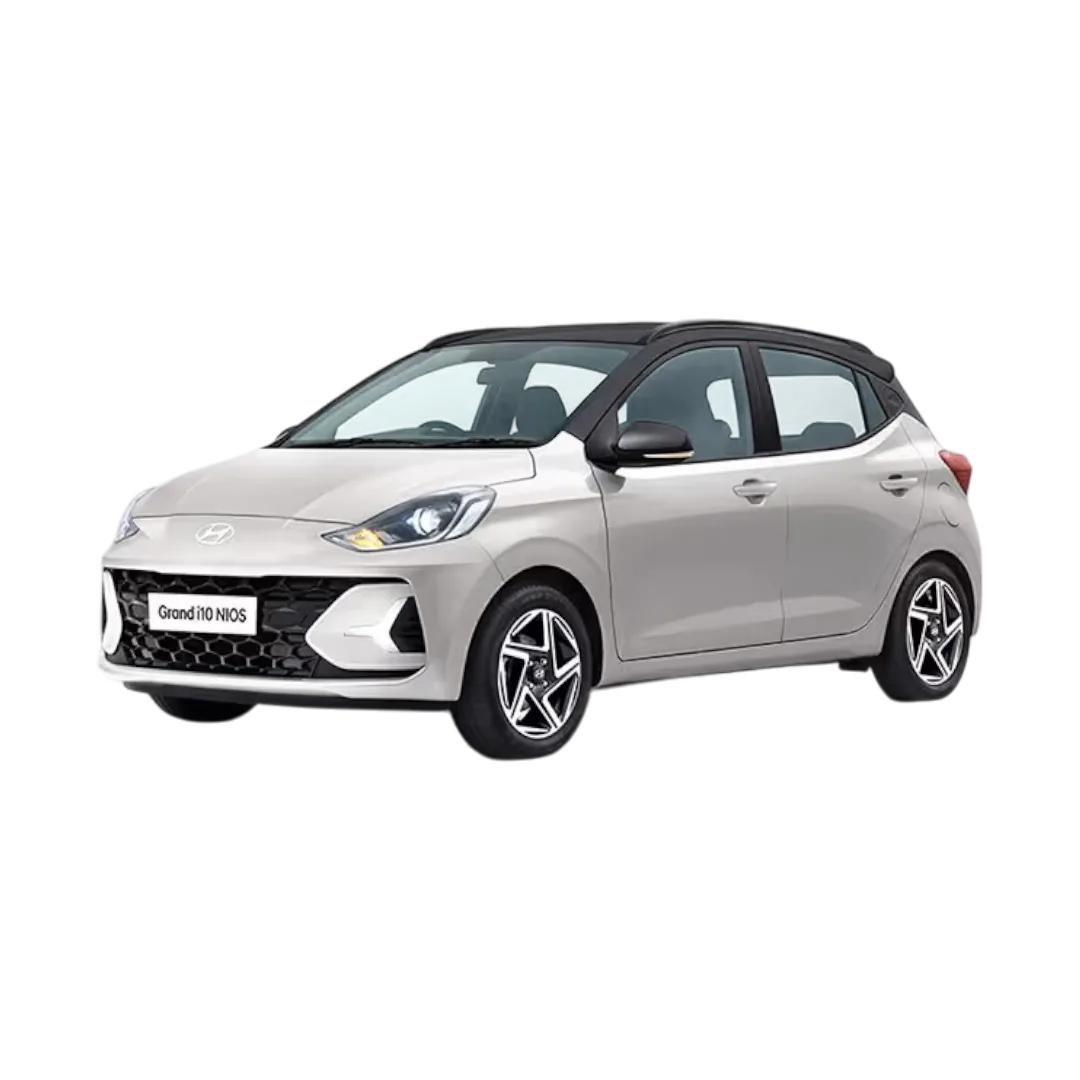 Grand i10 Nios
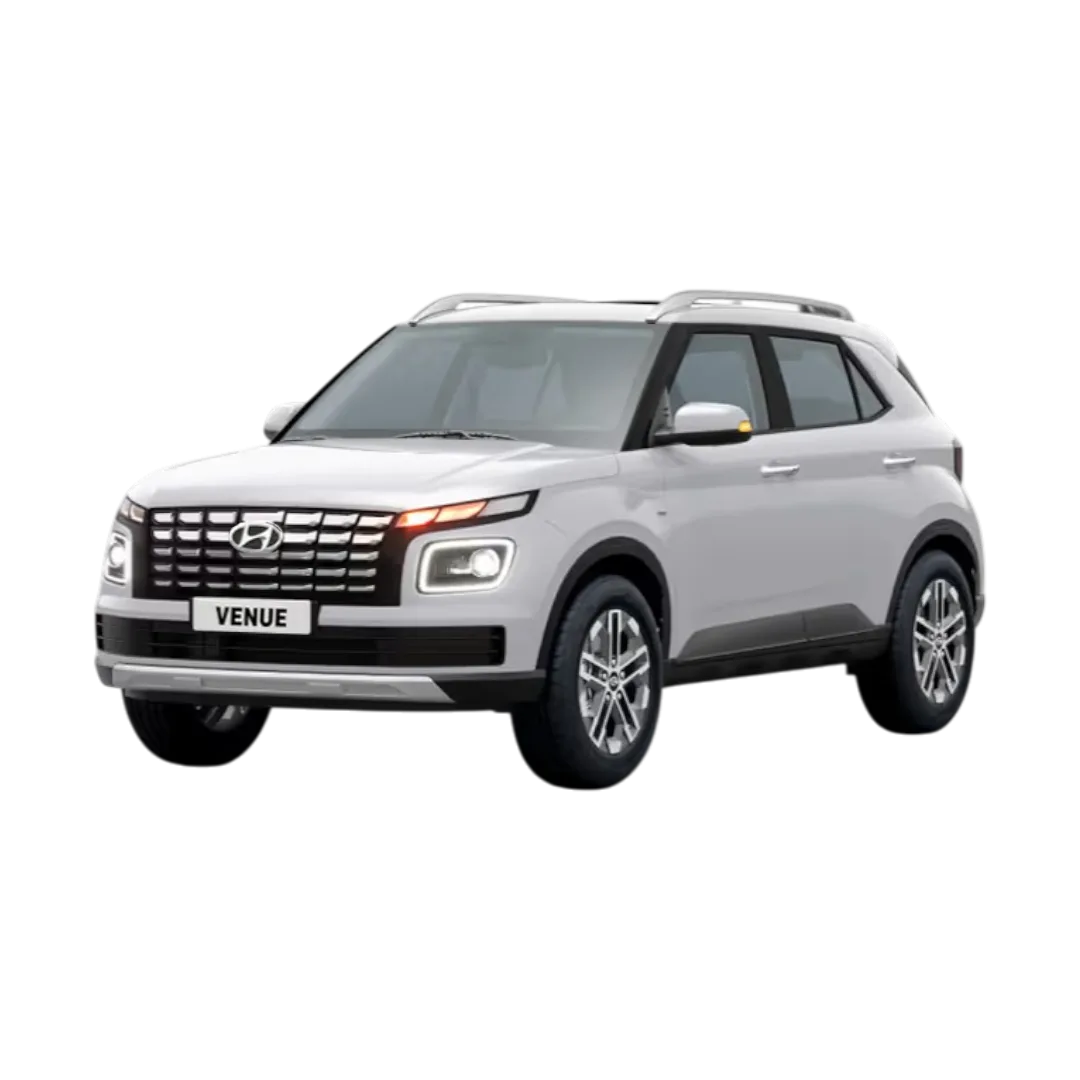 Venue
Venue
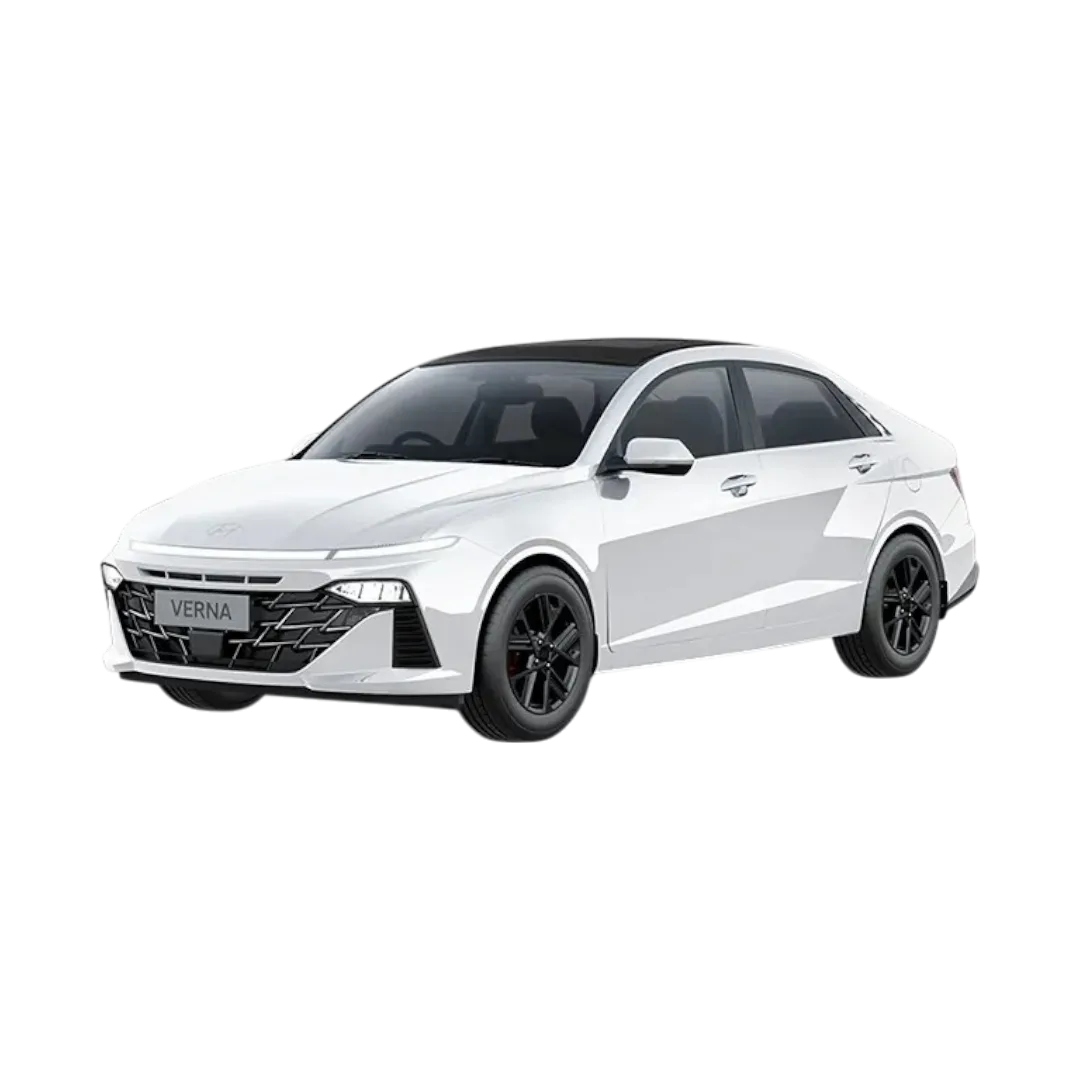 Verna
Verna
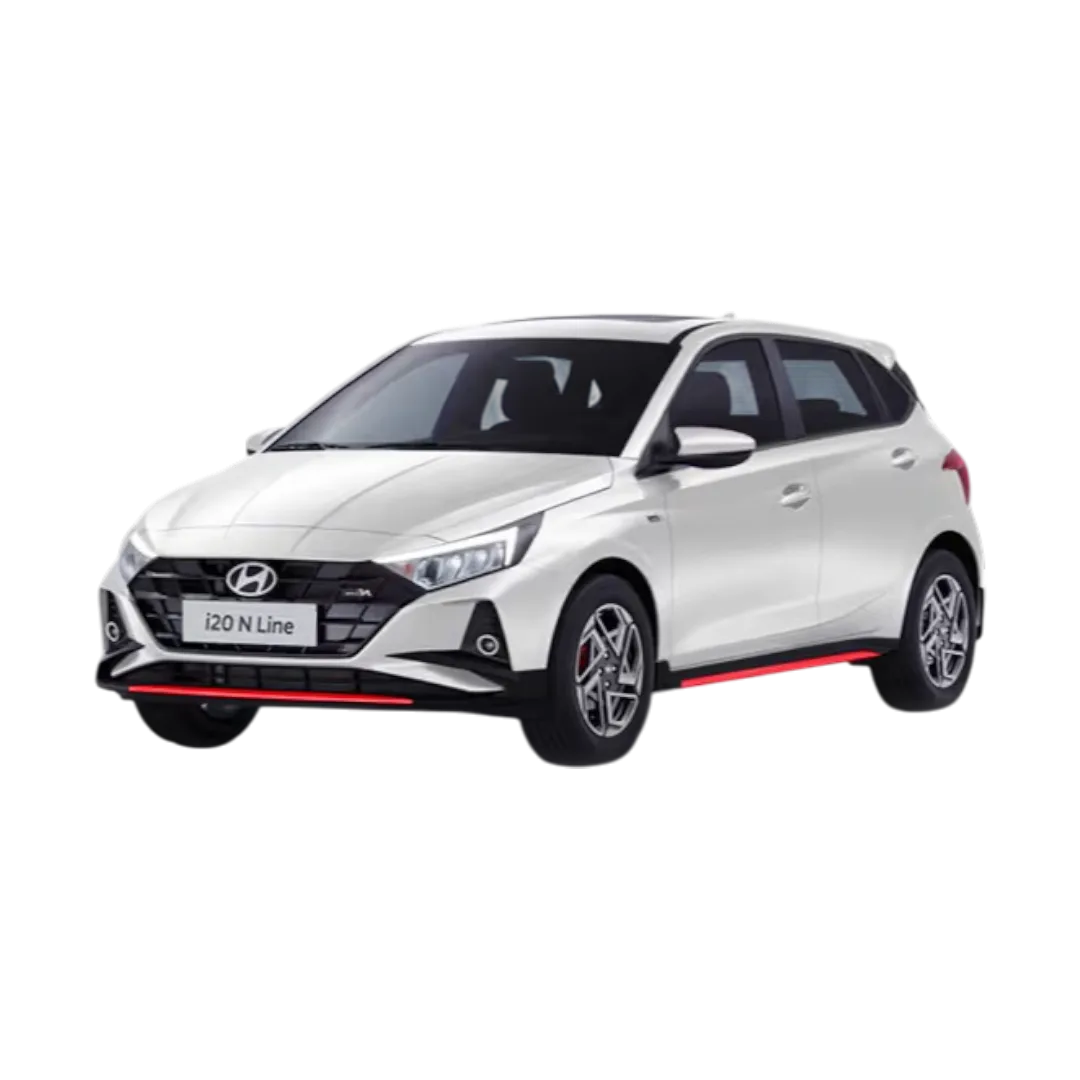 i20 N Line
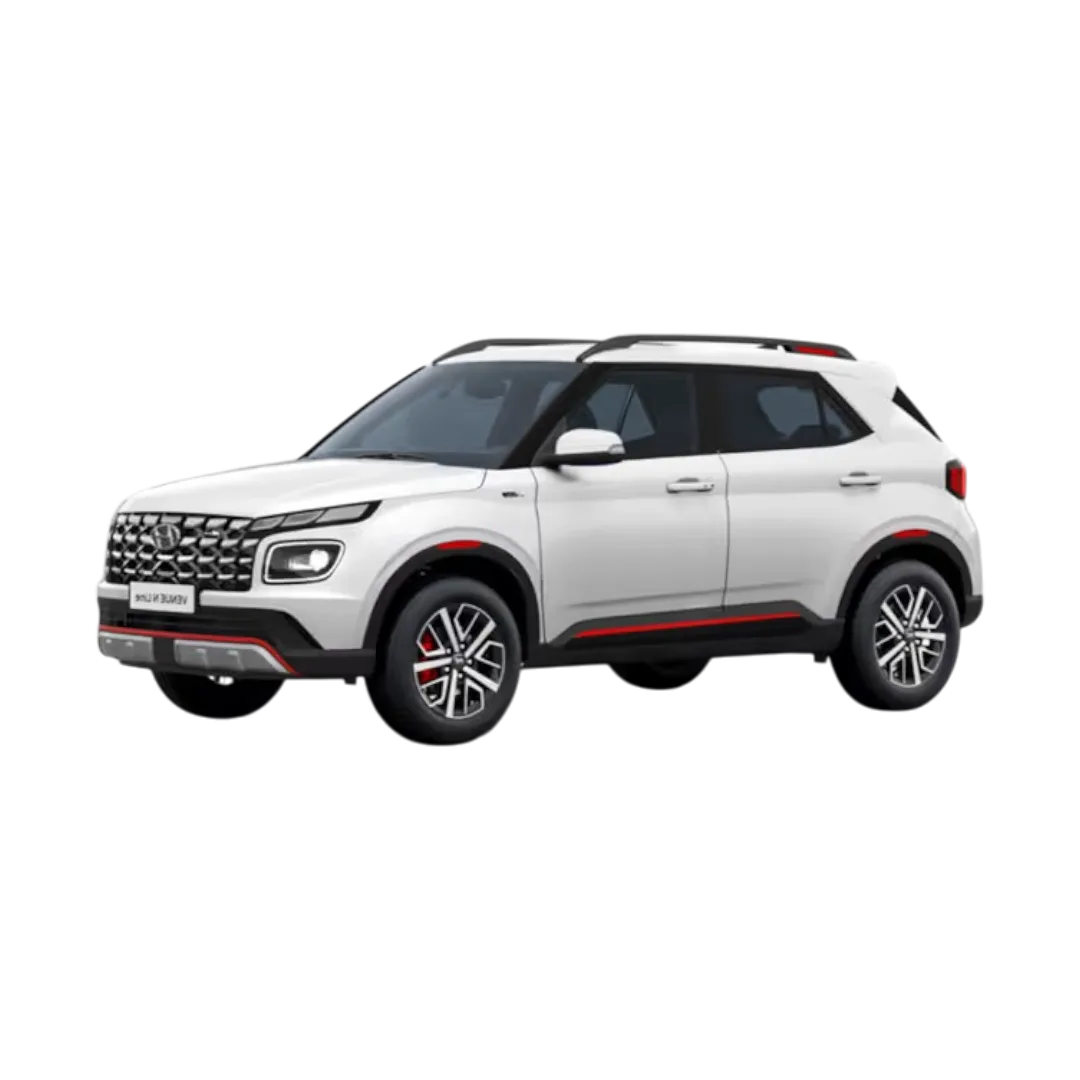 Venue N Line
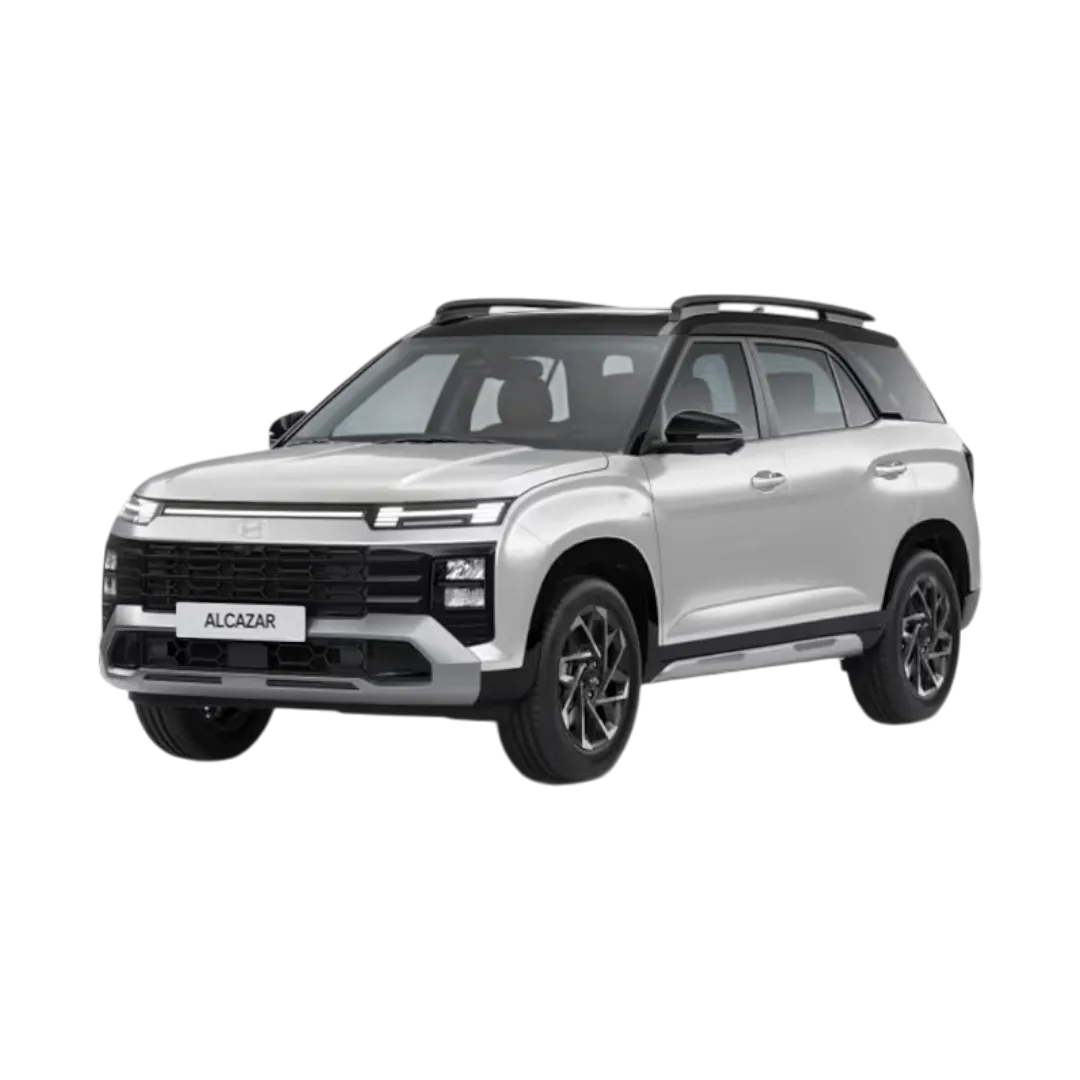 Alcazar
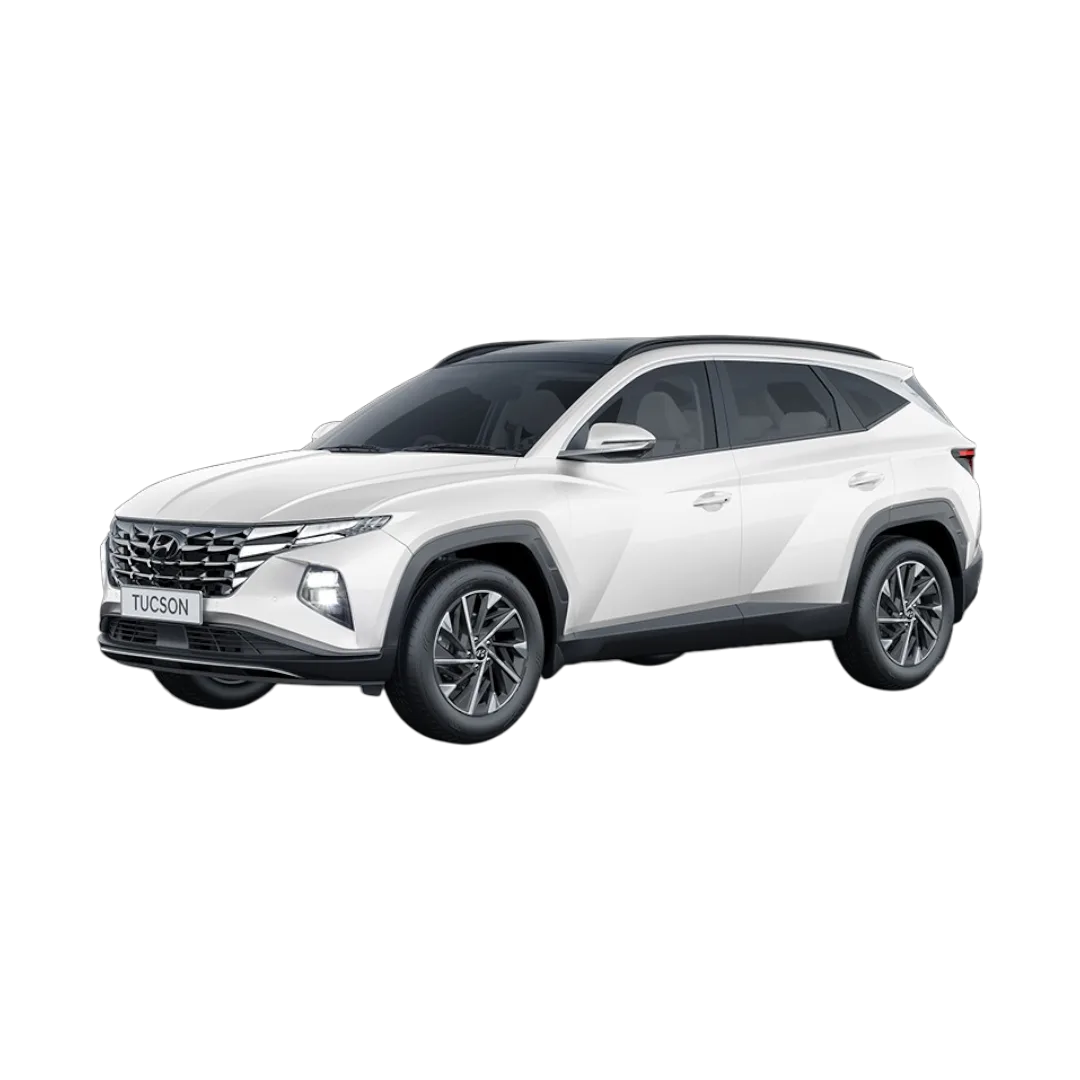 Tucson
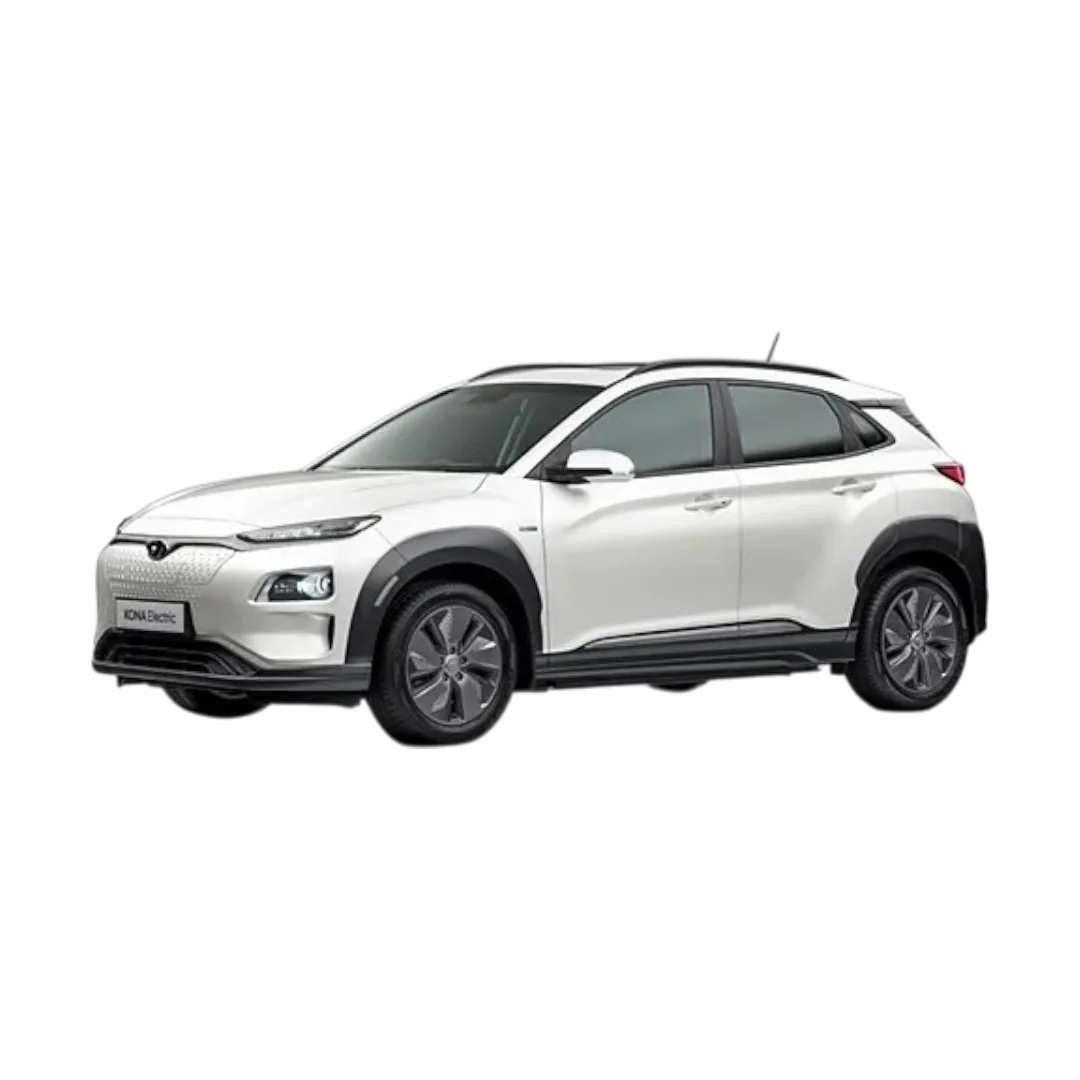 Kona
Kona
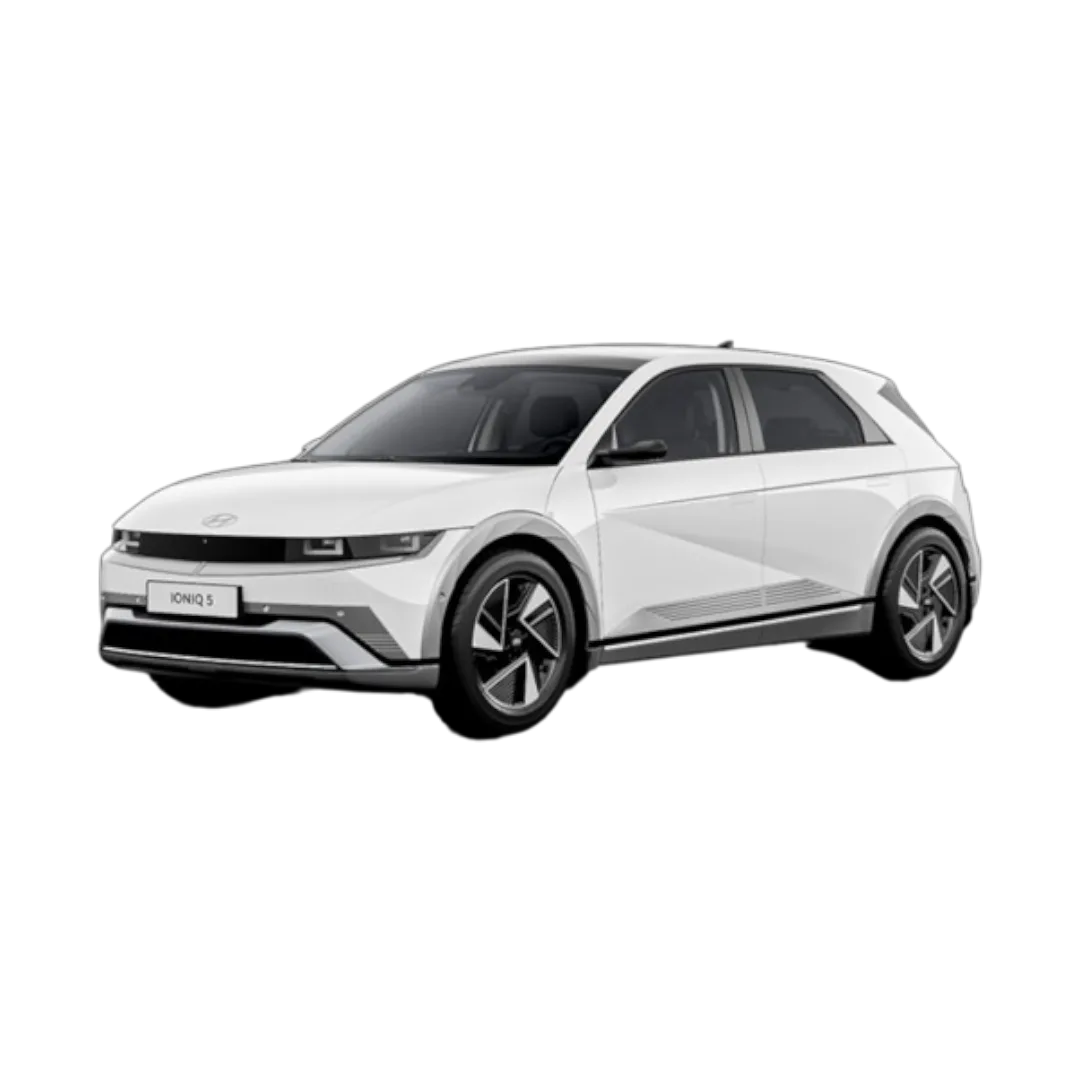 iONIQ 5
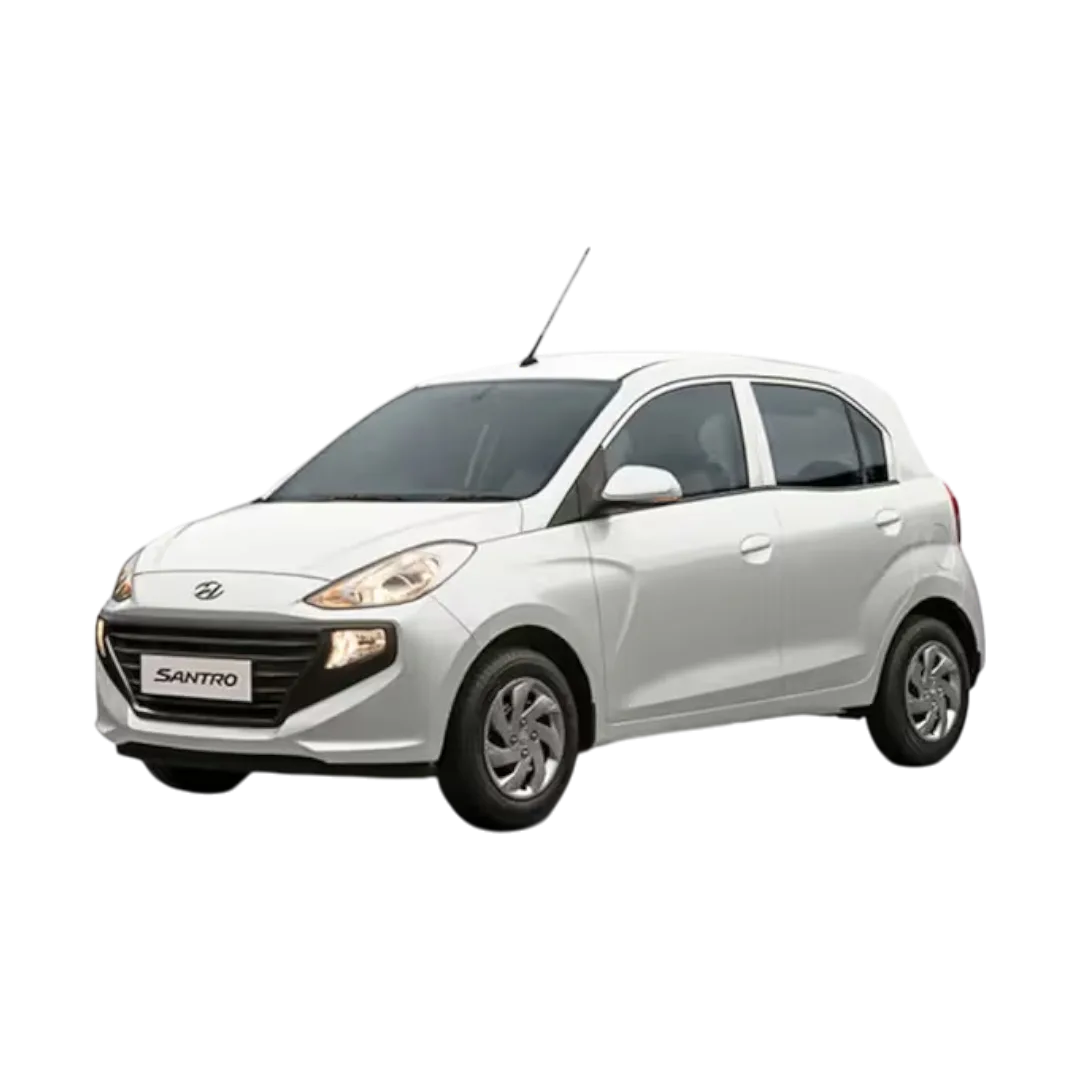 Santro
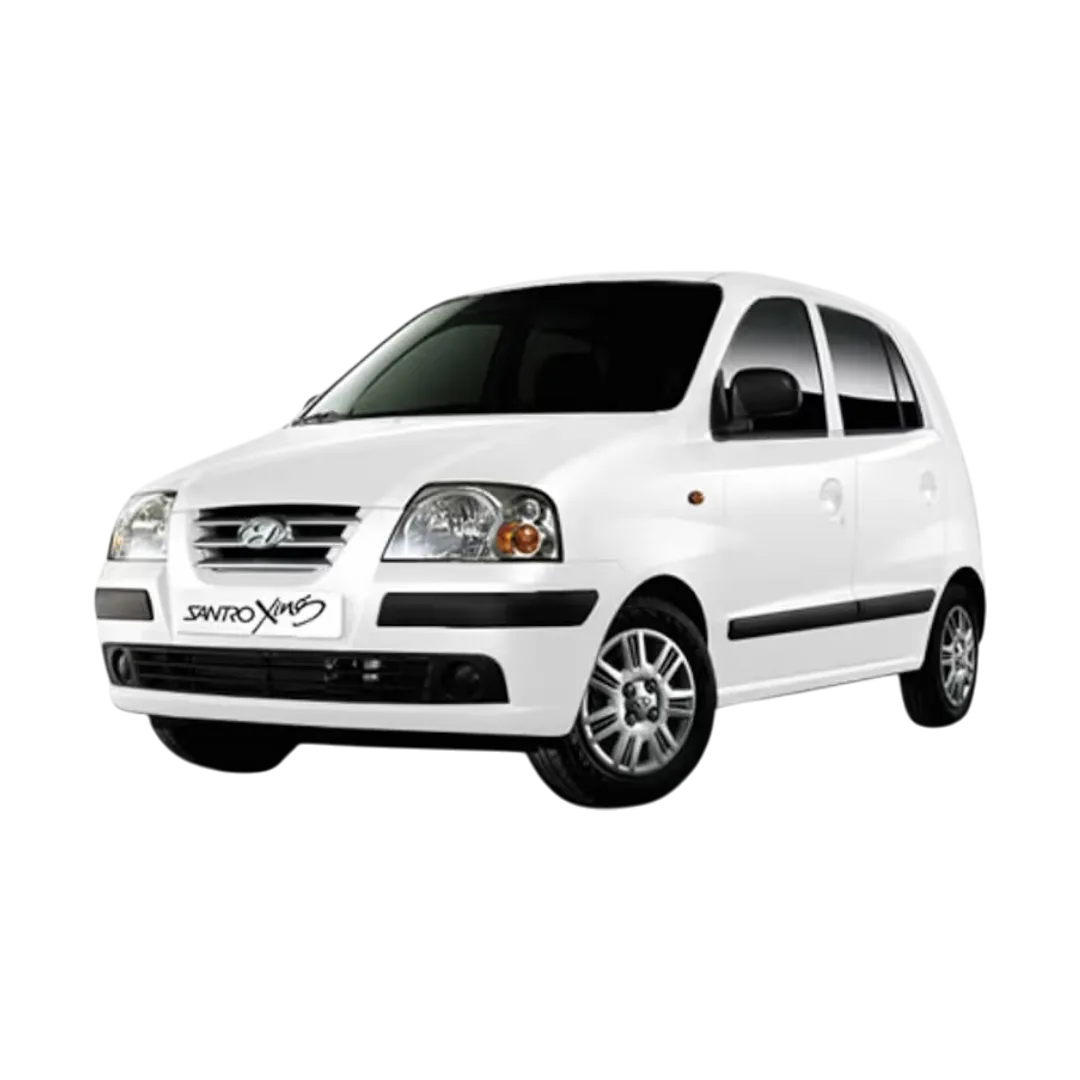 Santro Xing
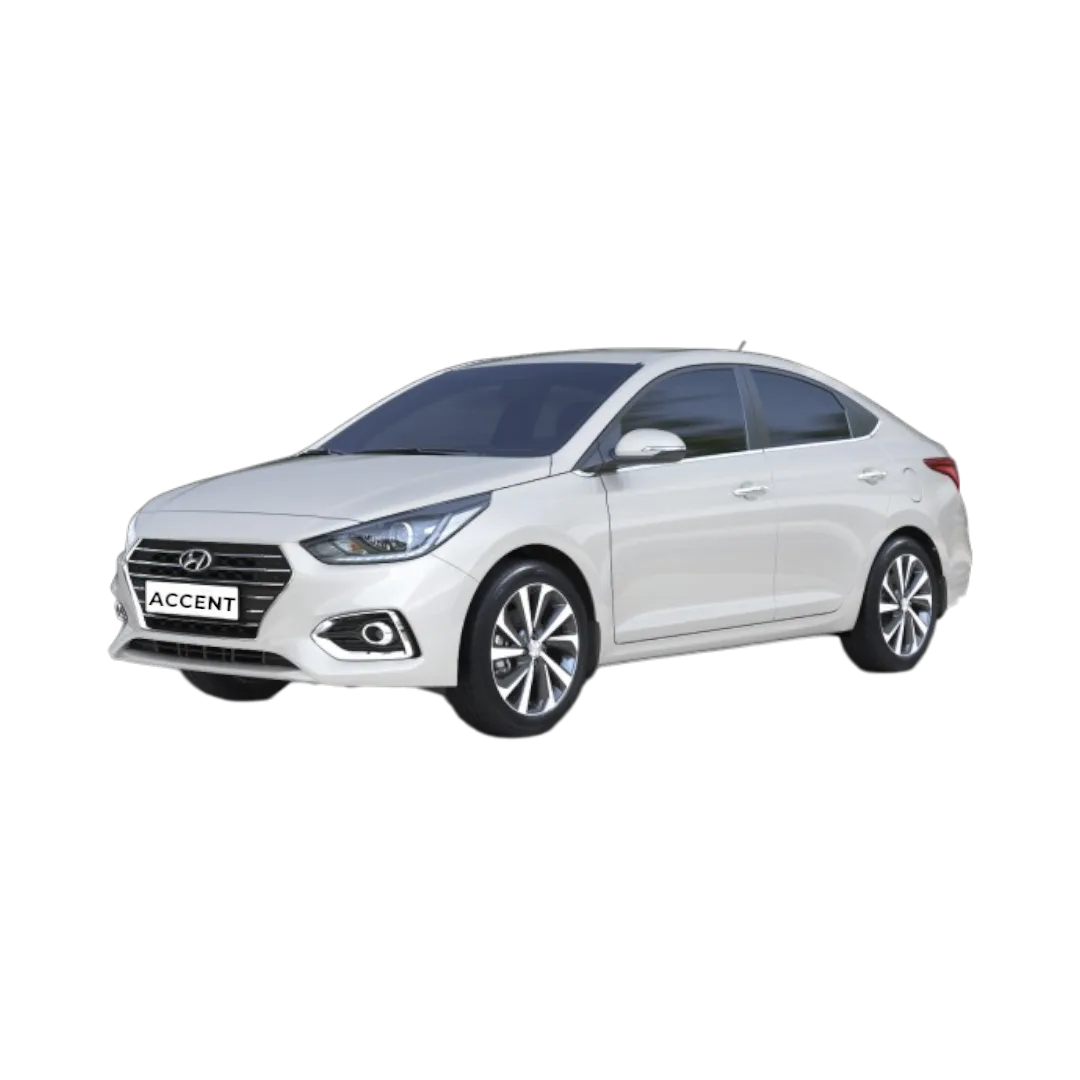 Accent
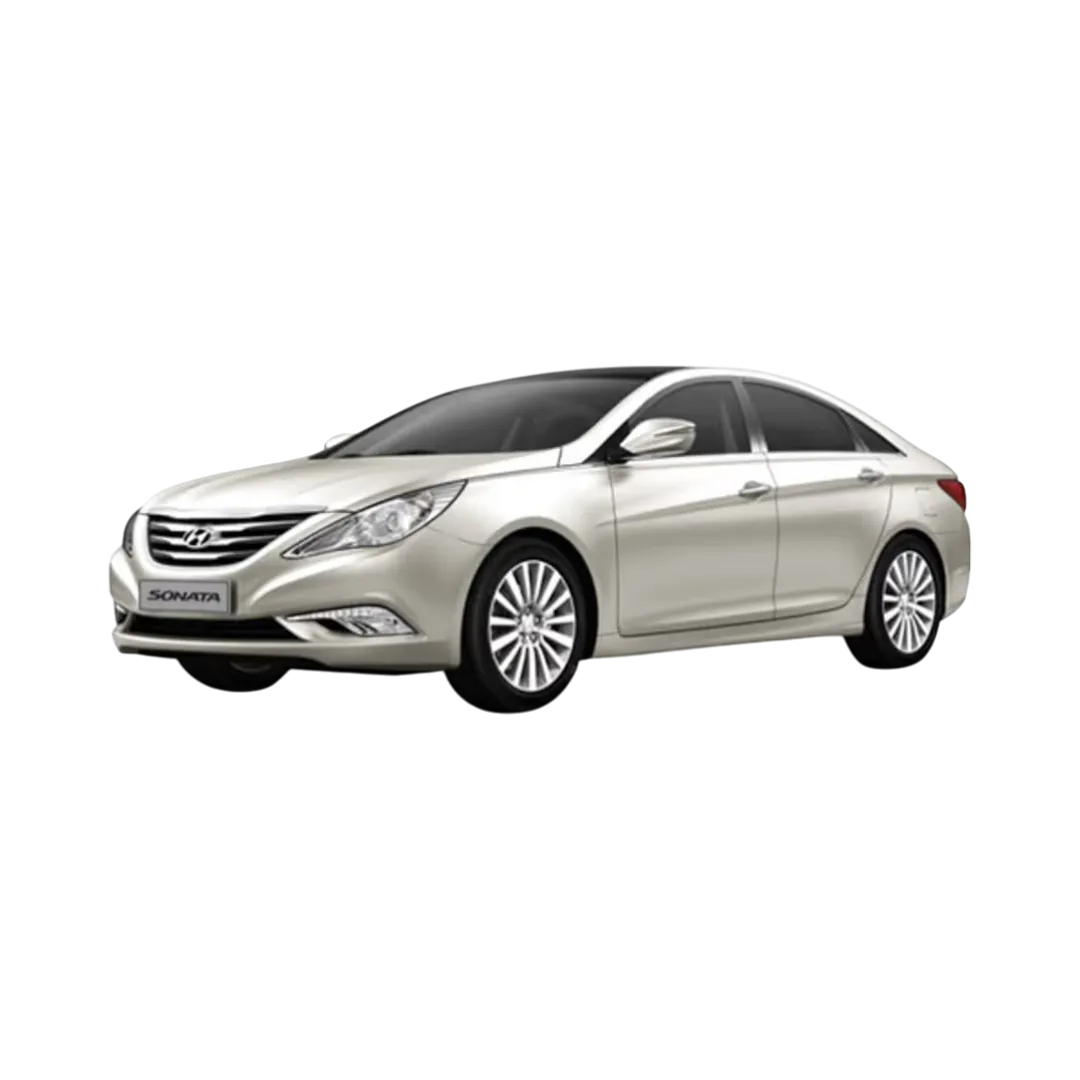 Sonata
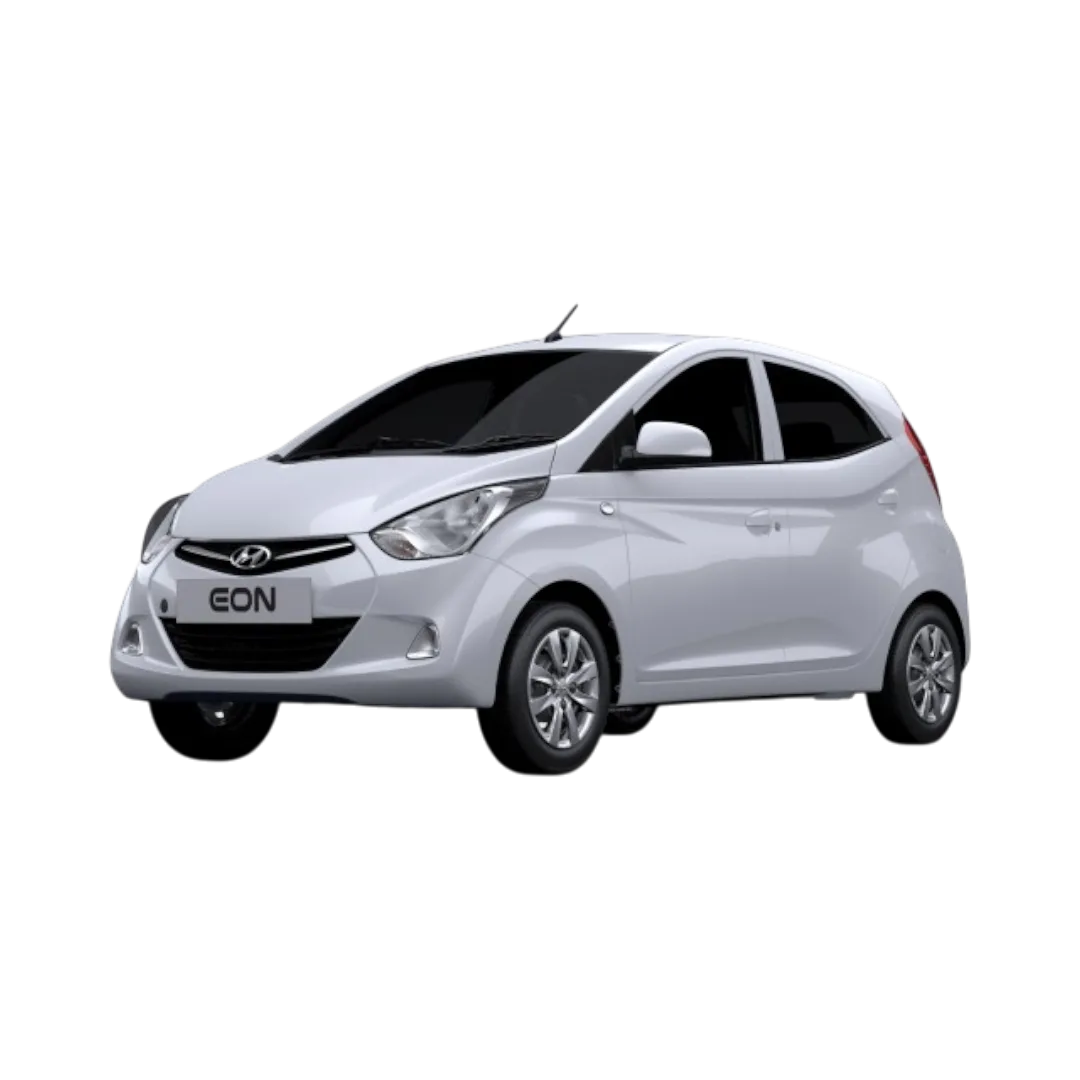 Eon
Eon
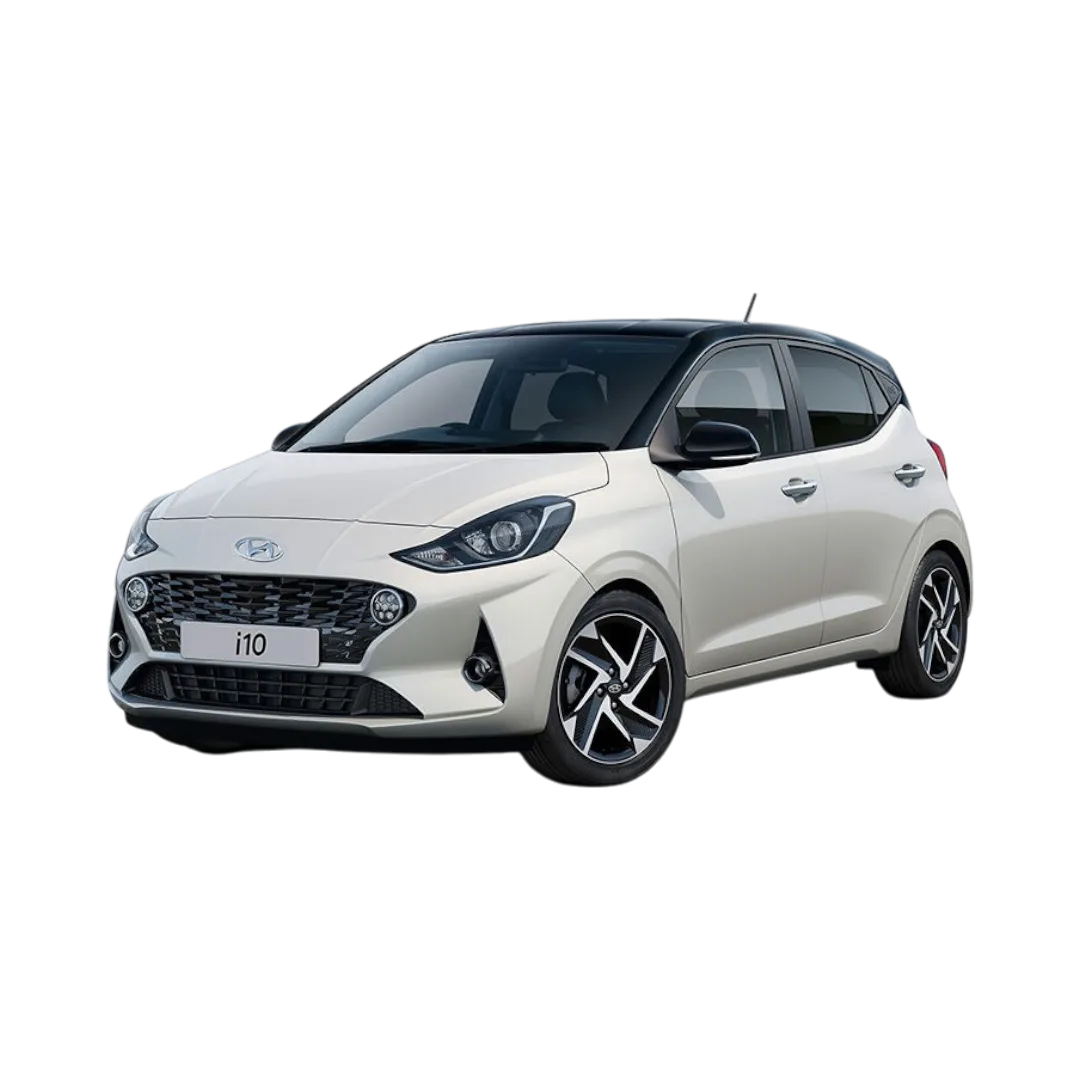 i10
i10
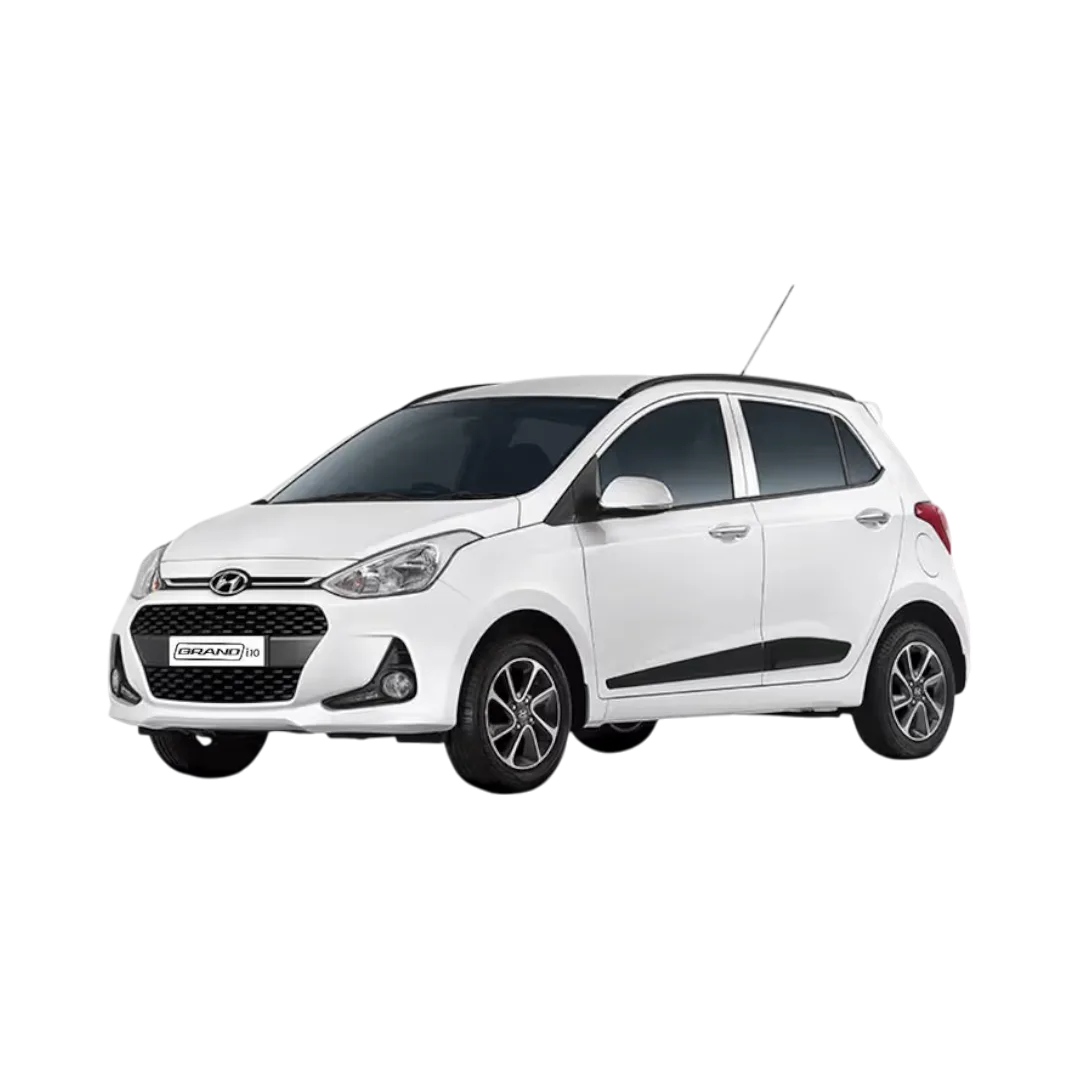 Grand i10
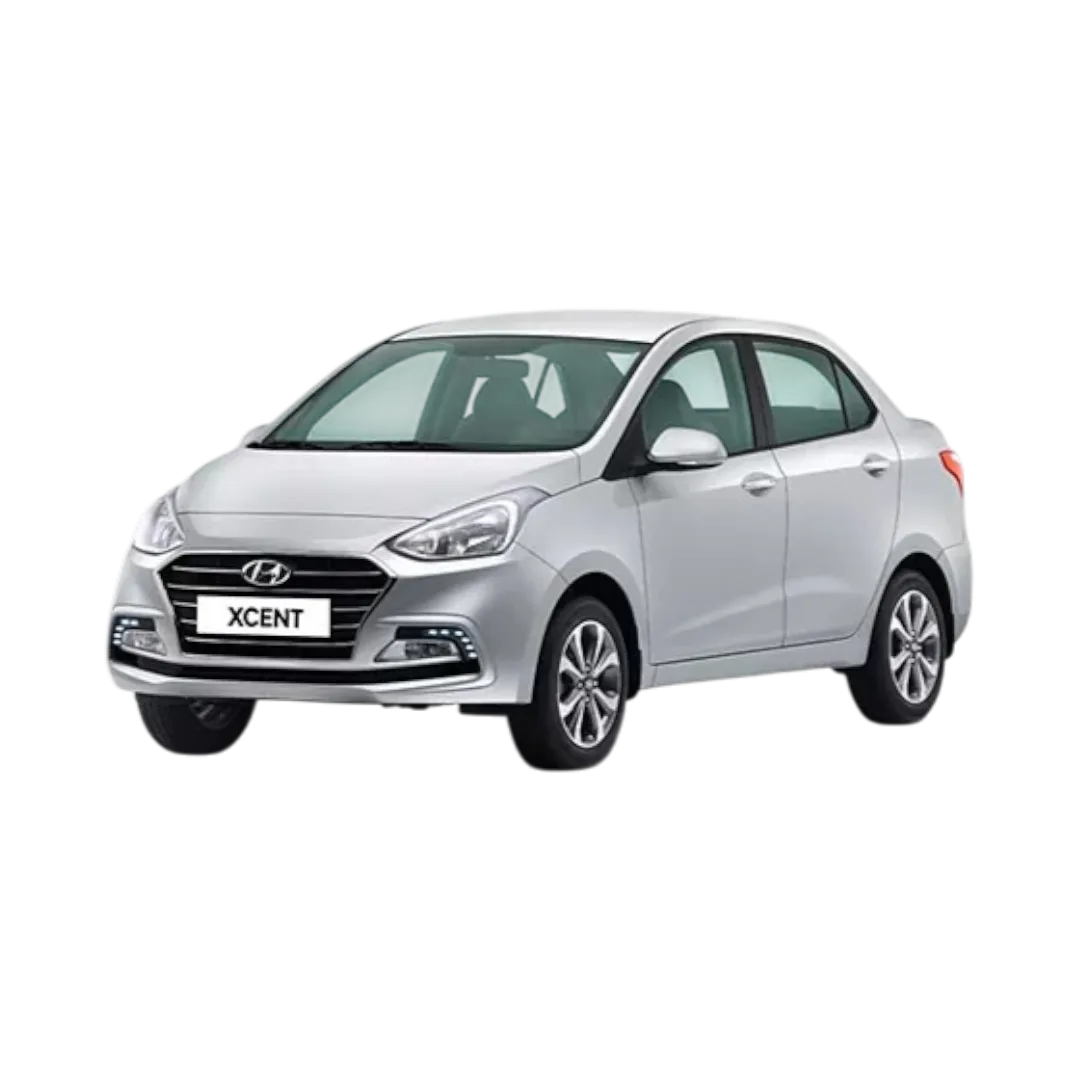 Xcent
Xcent
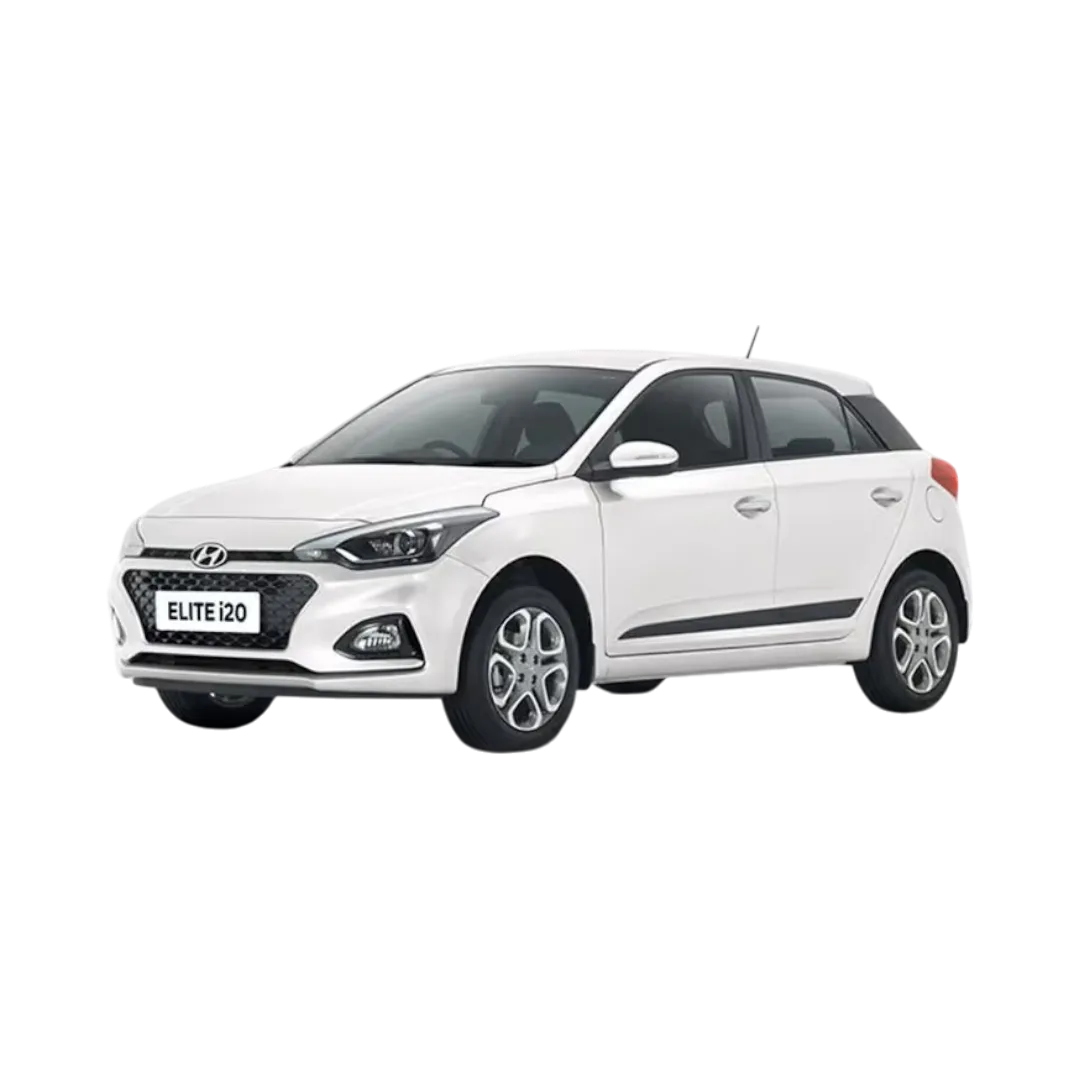 Elite i20
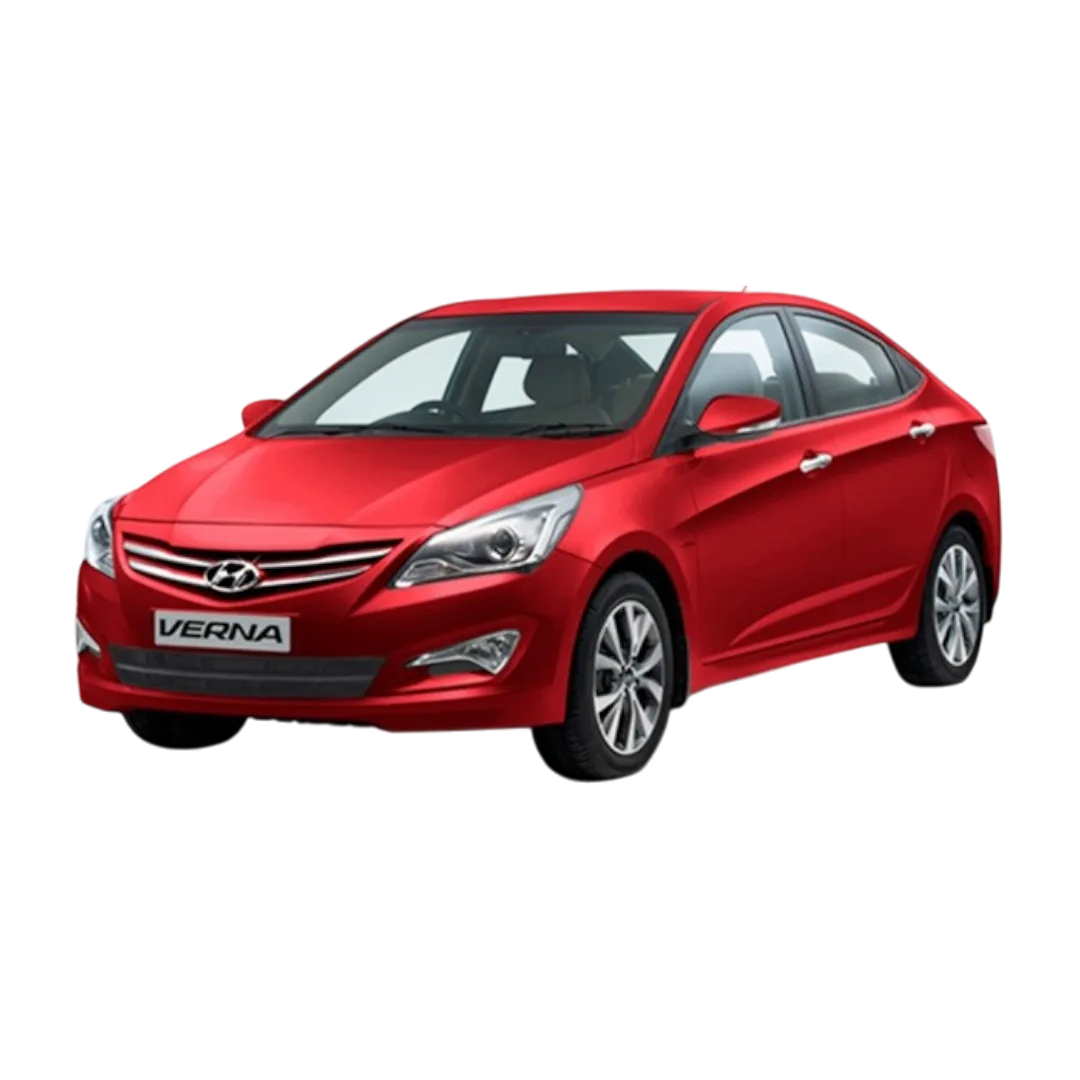 Verna Fluidic
 Santafe
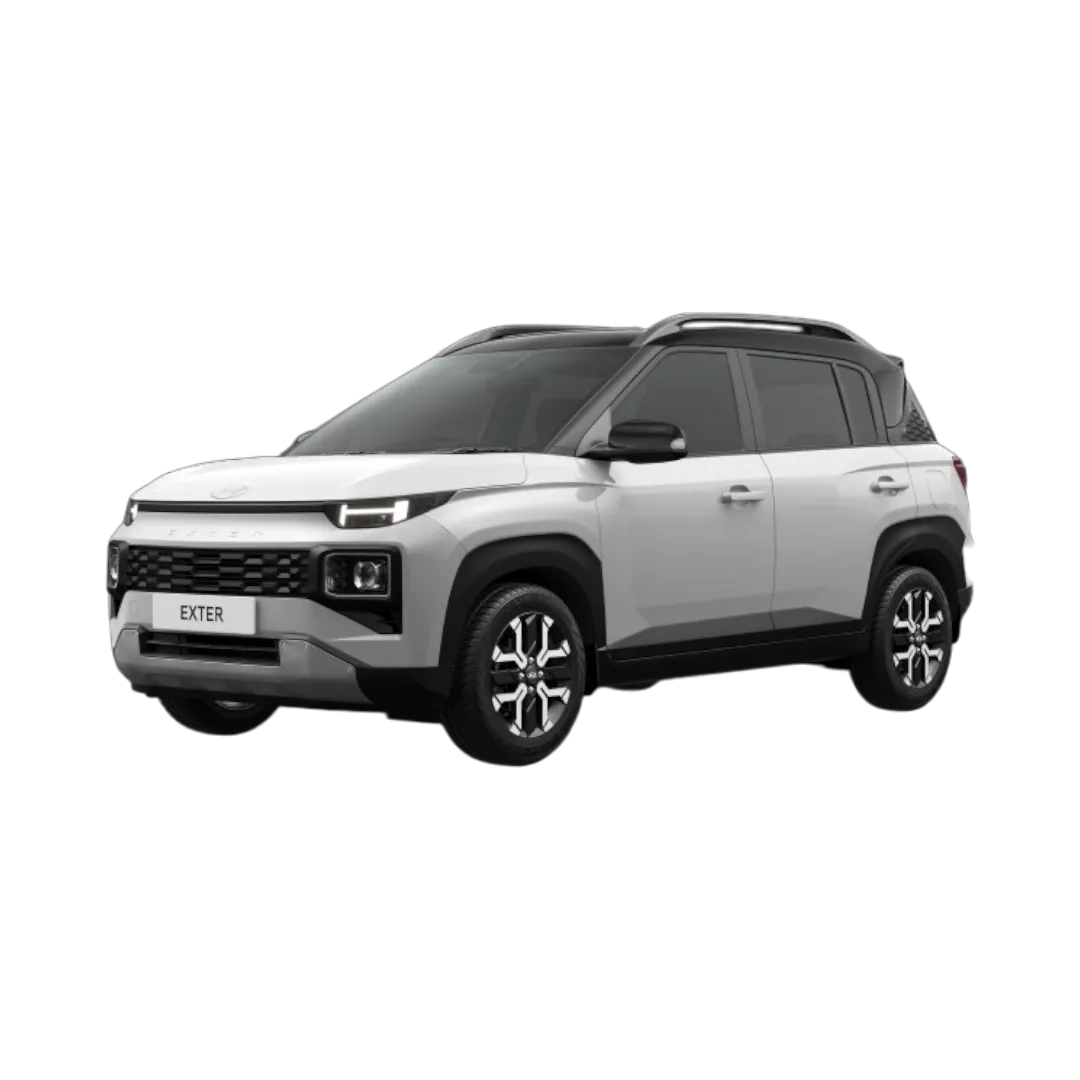 Exter
Sonata Fluidic
i20 Active
Exter
Sonata Fluidic
i20 Active
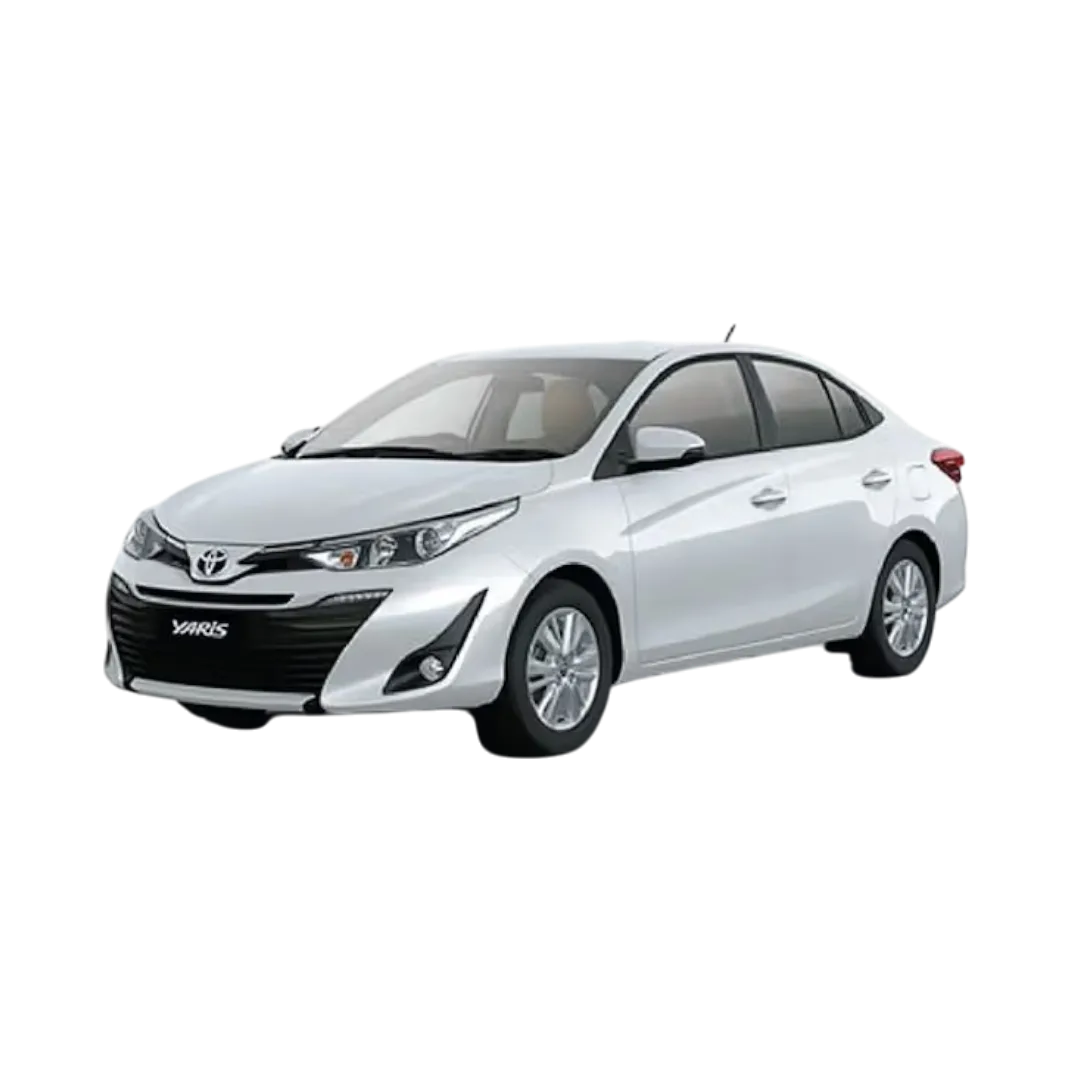 Yaris
Yaris
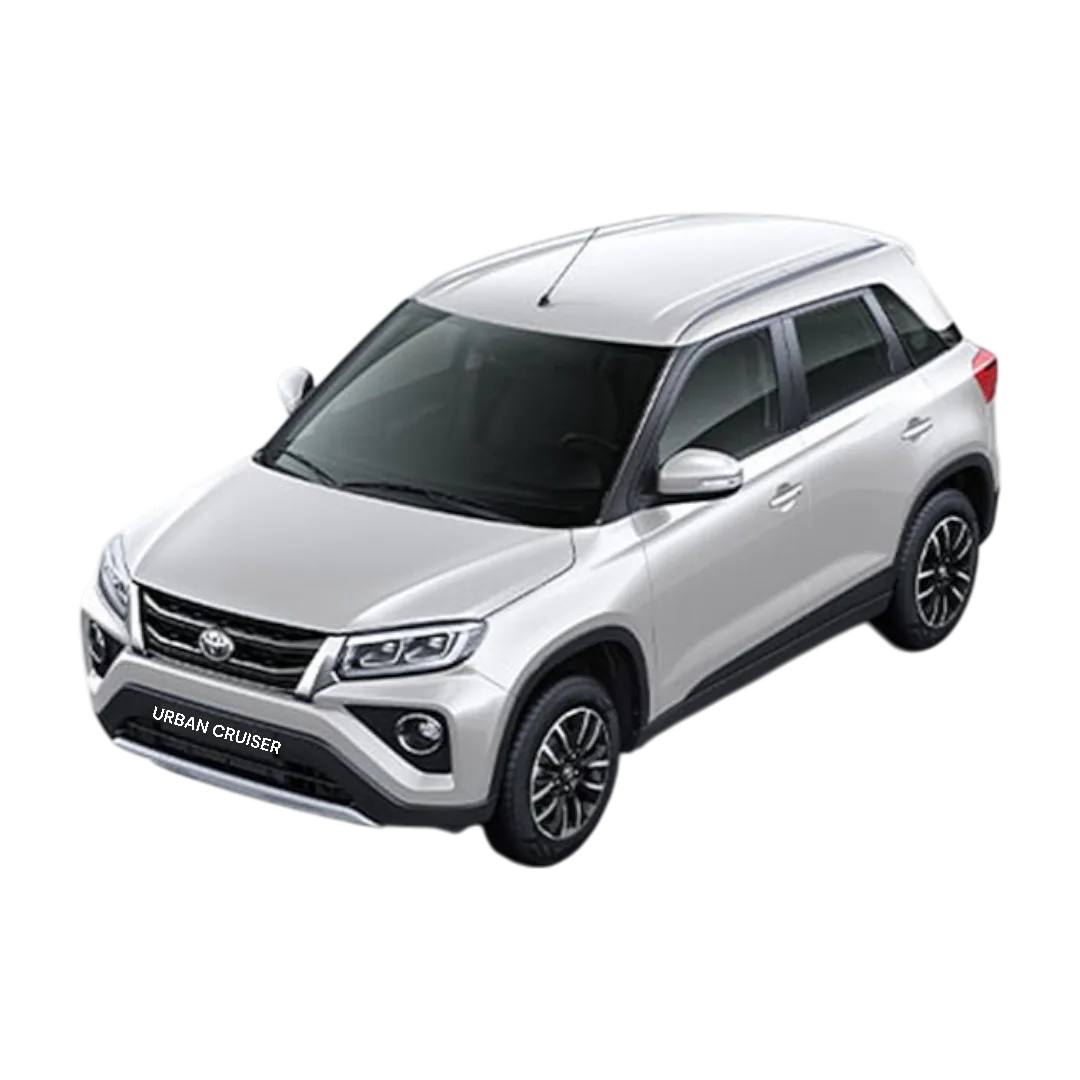 Urban Cruiser
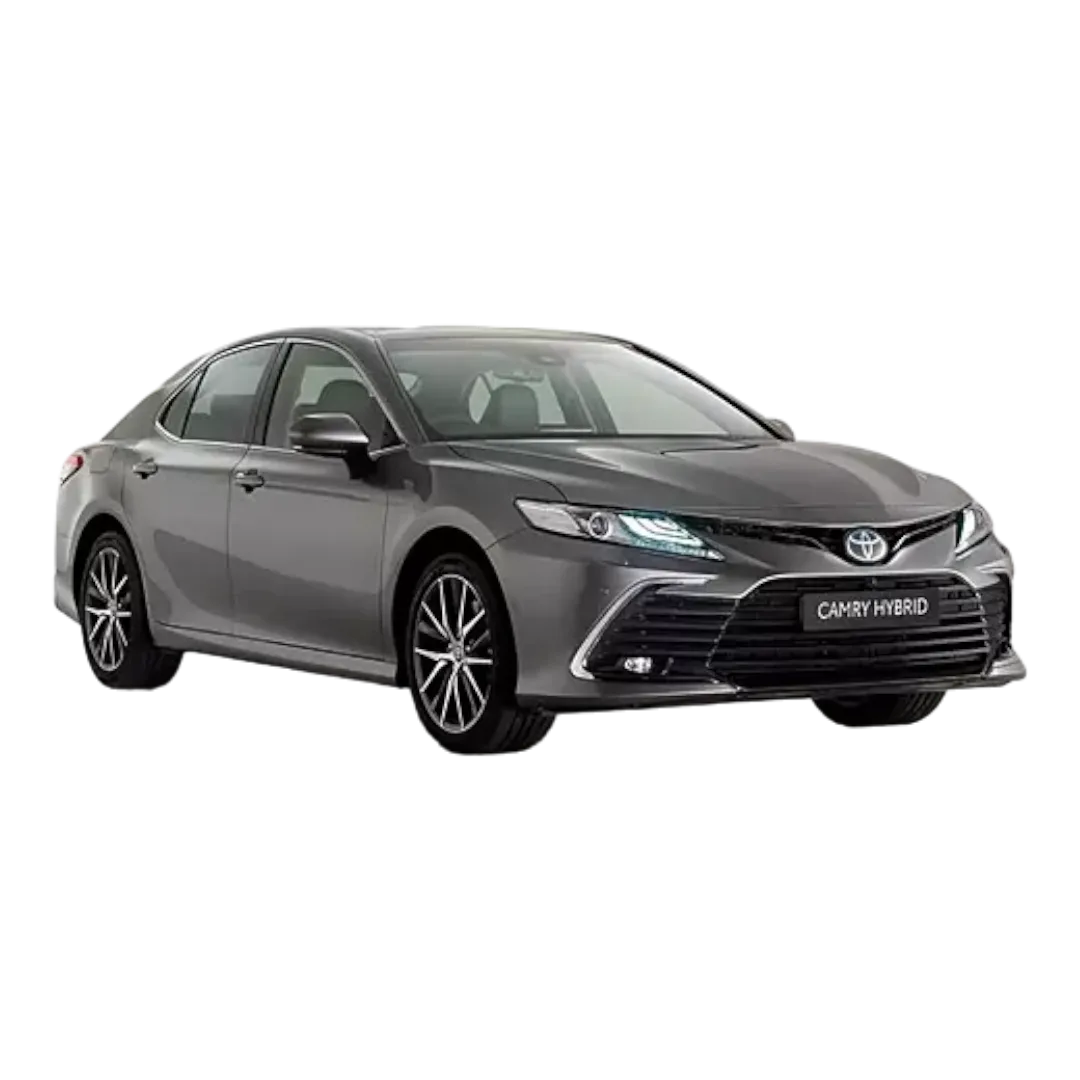 Camry
Camry
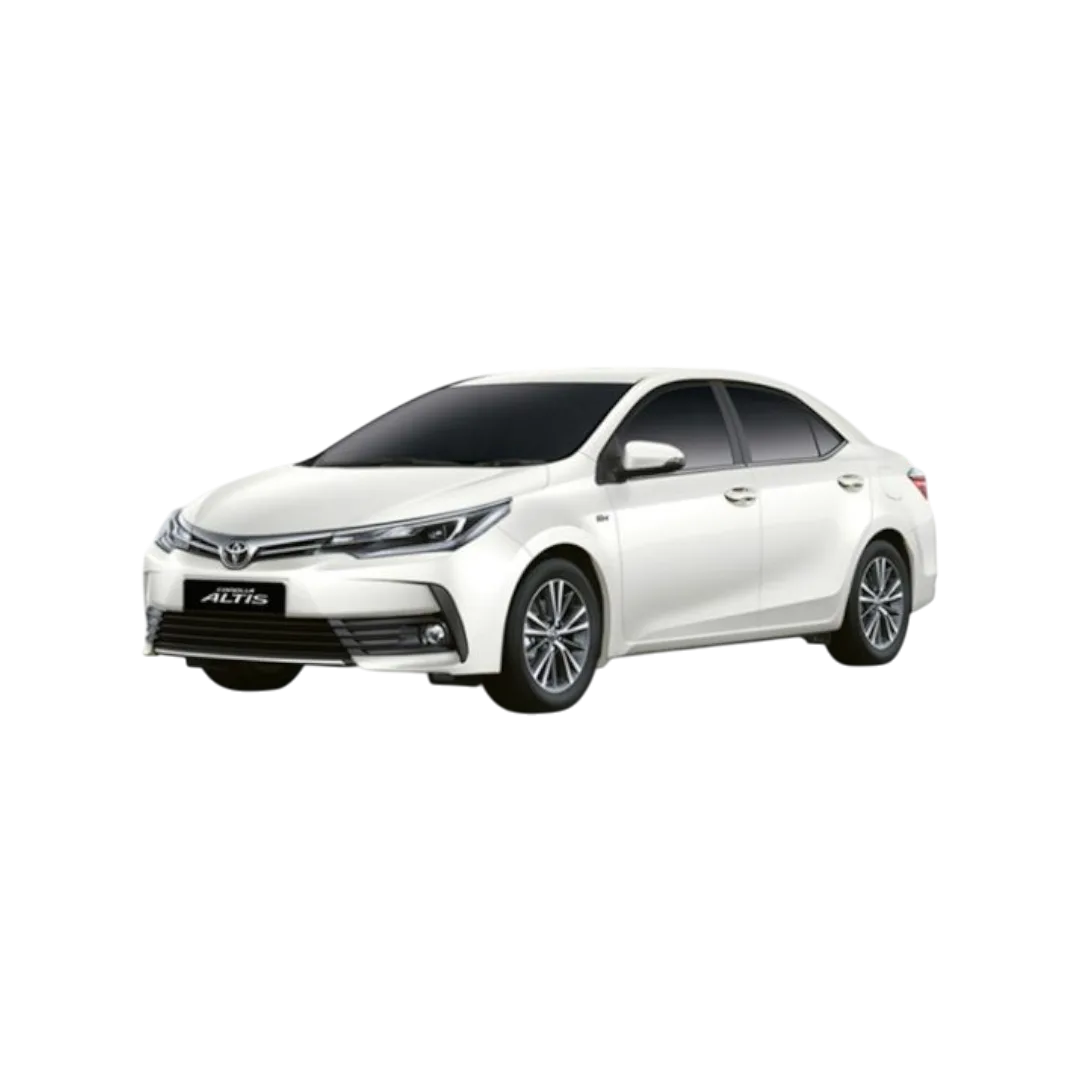 Corolla
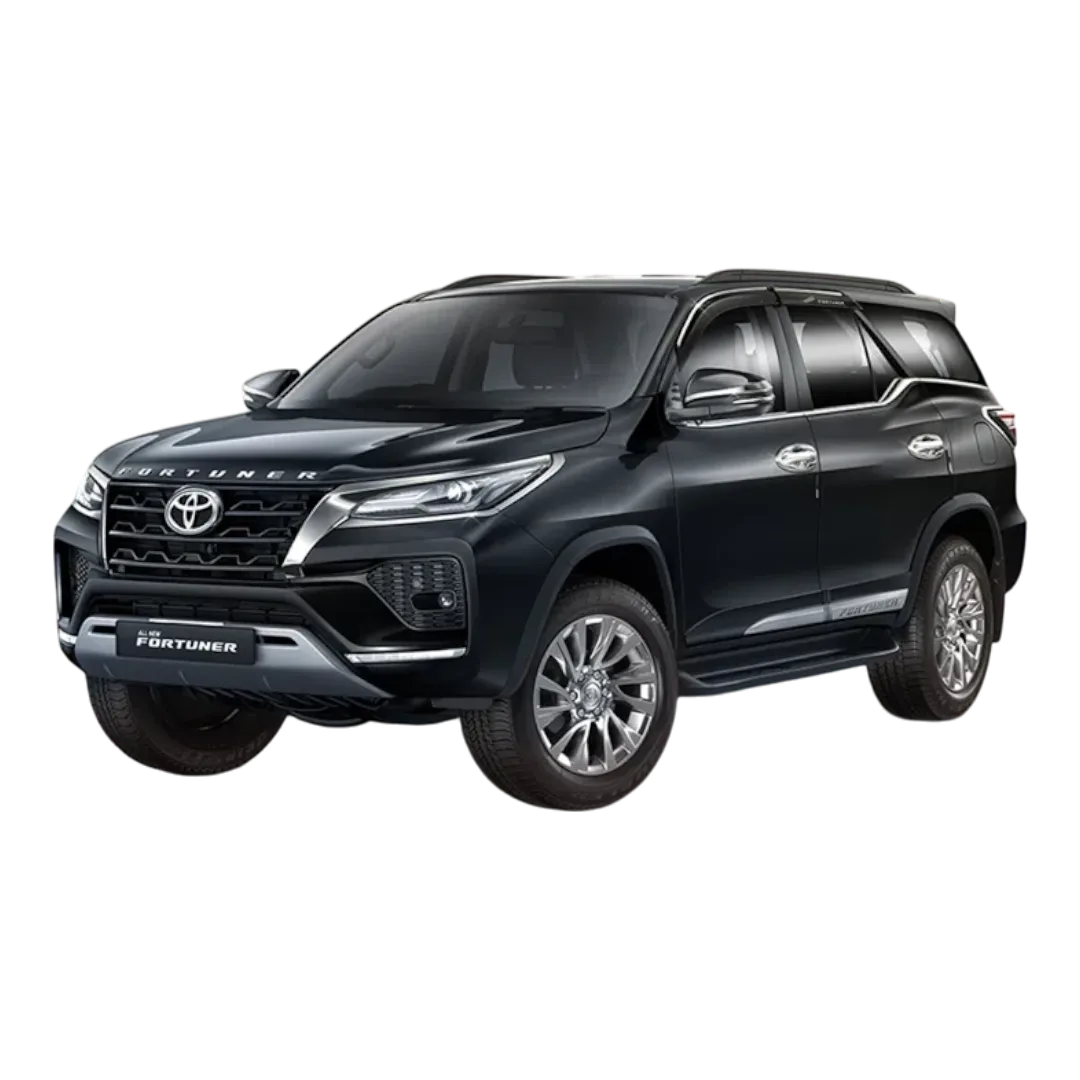 Fortuner
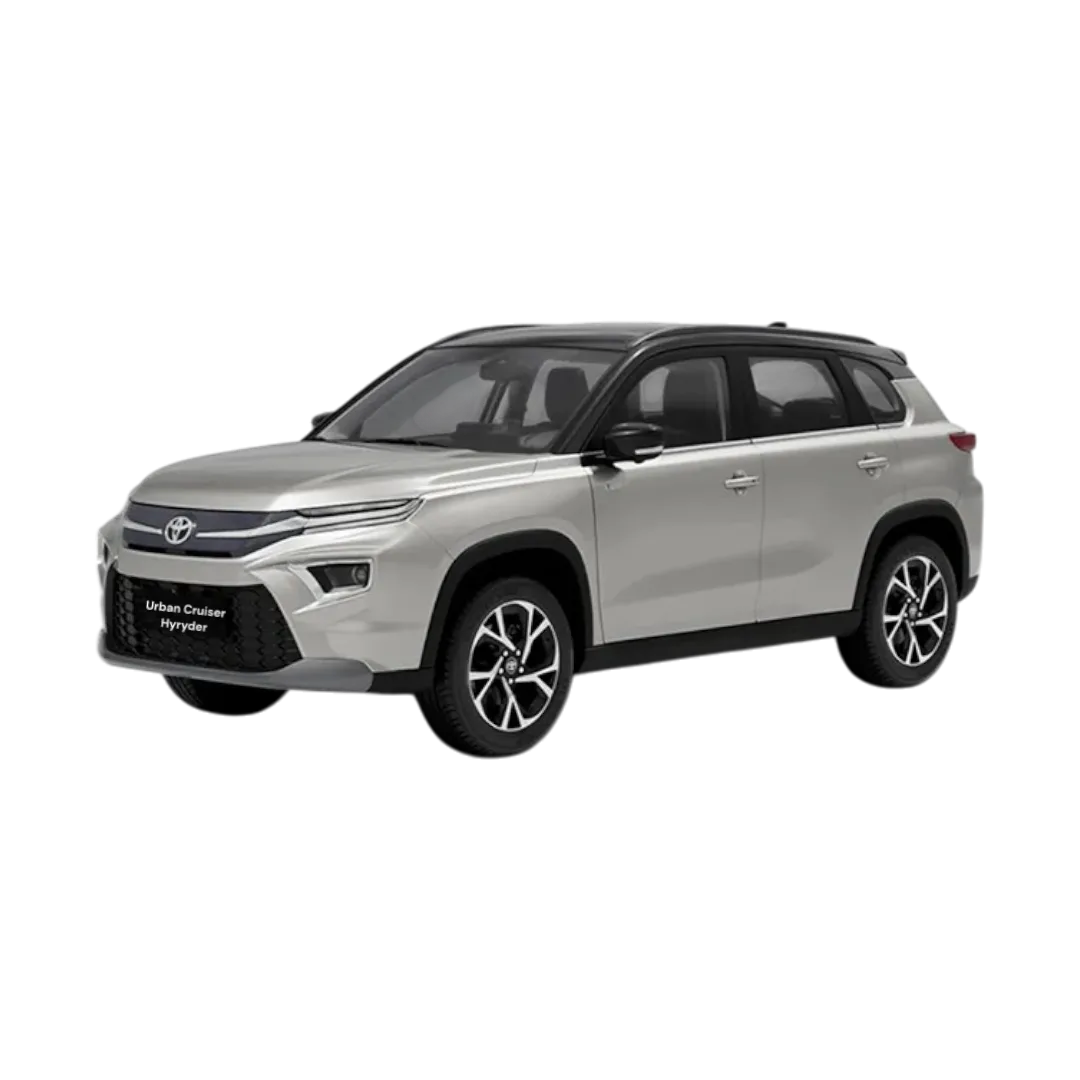 Urban Cruiser Hyryder
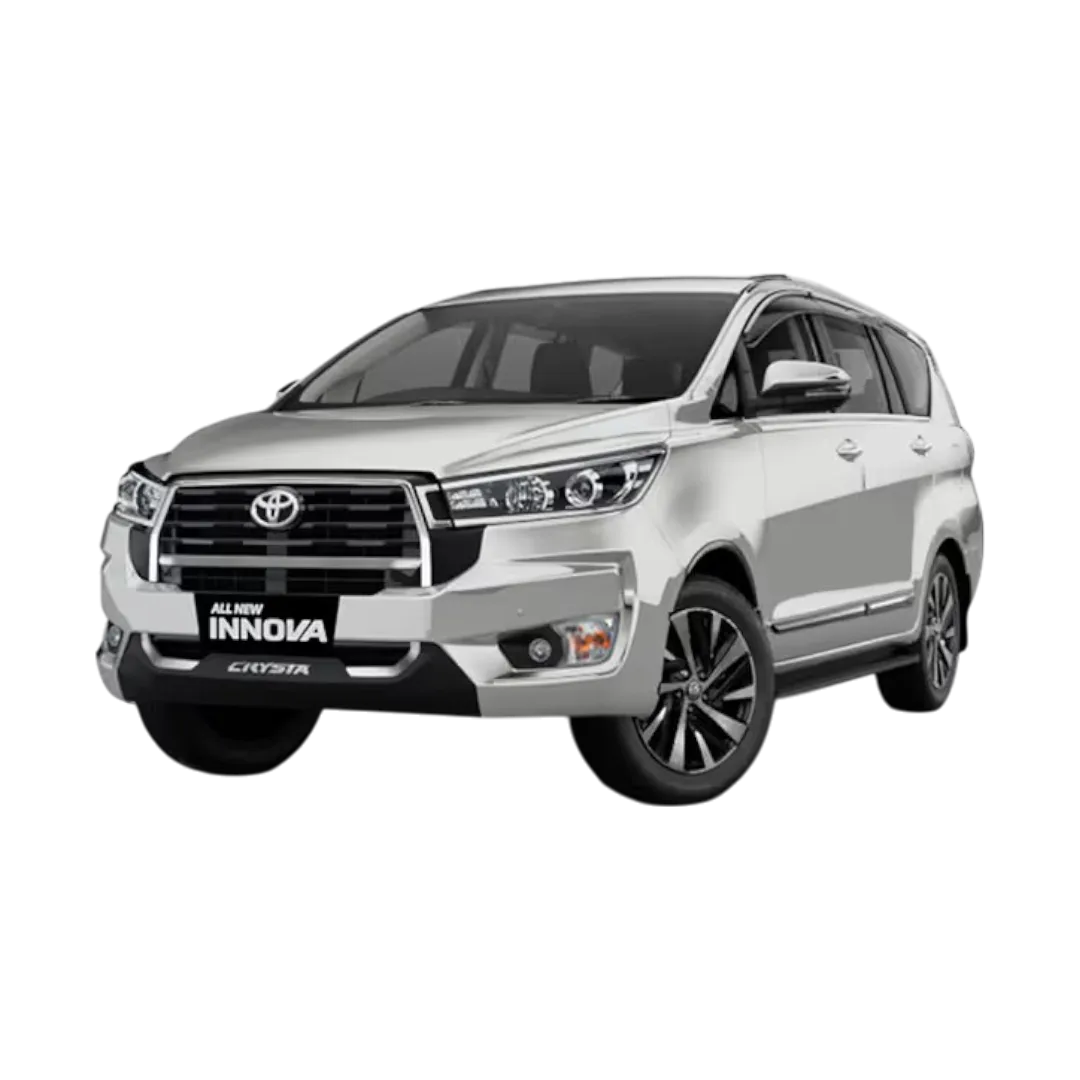 Innova Crysta
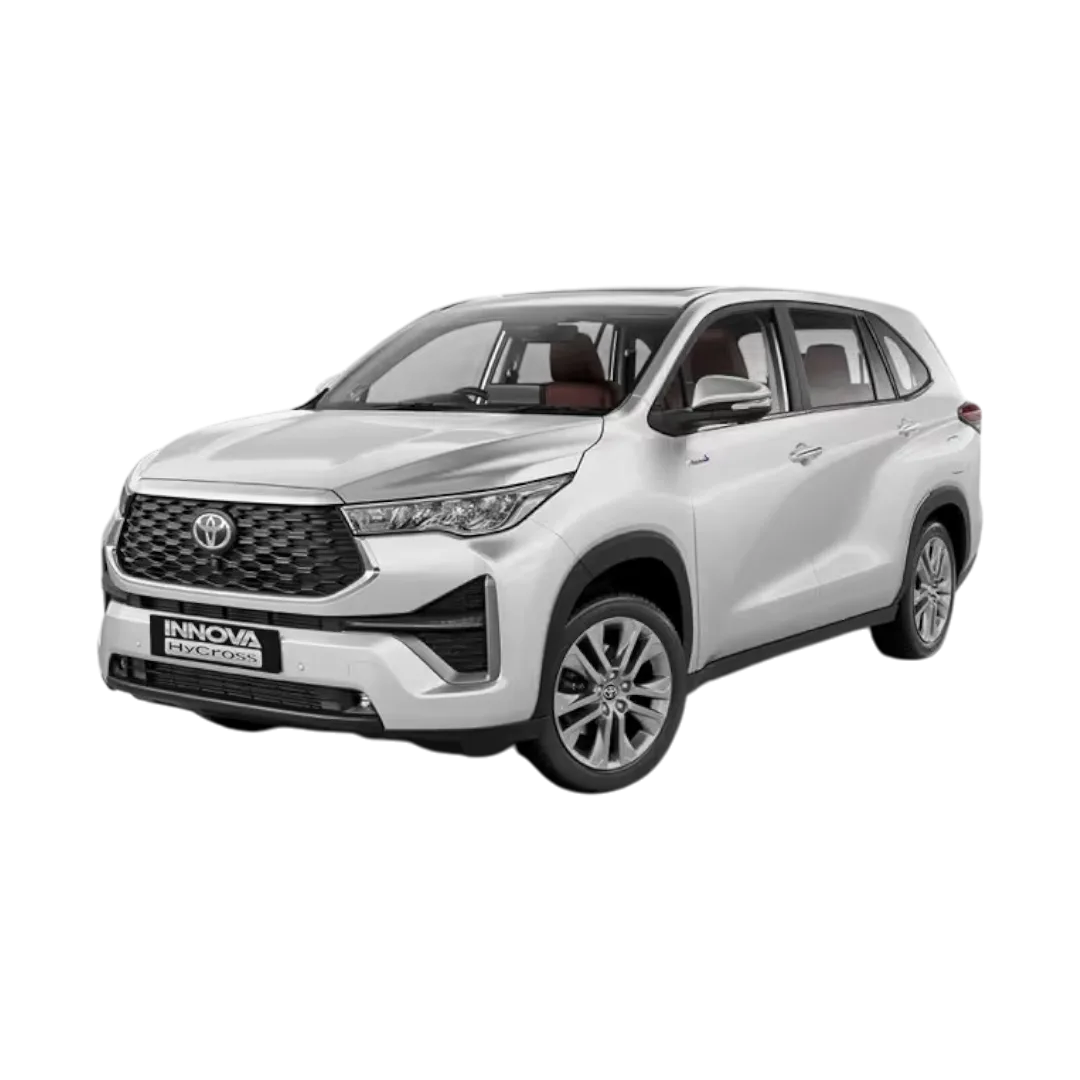 Innova Hycross
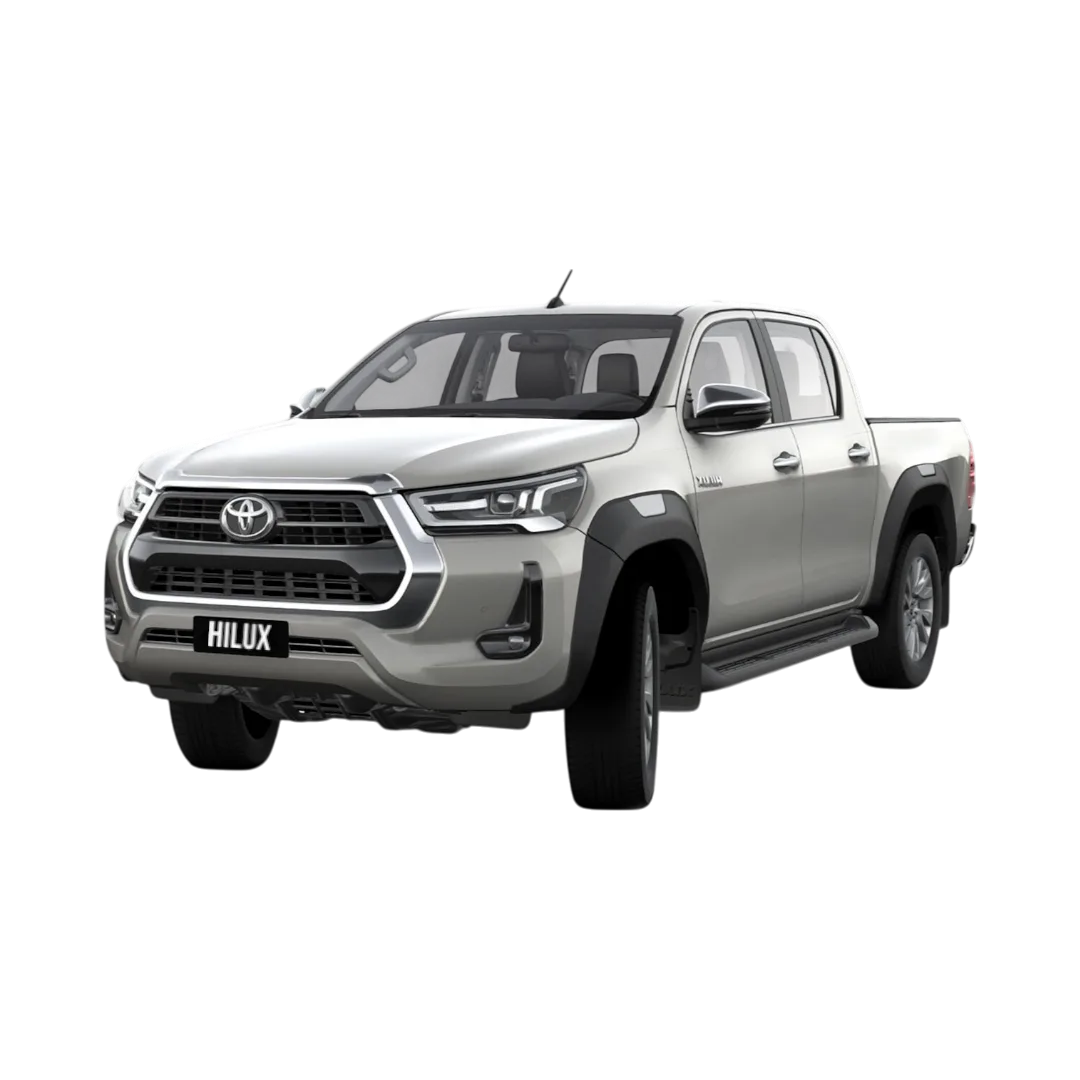 Hilux
Hilux
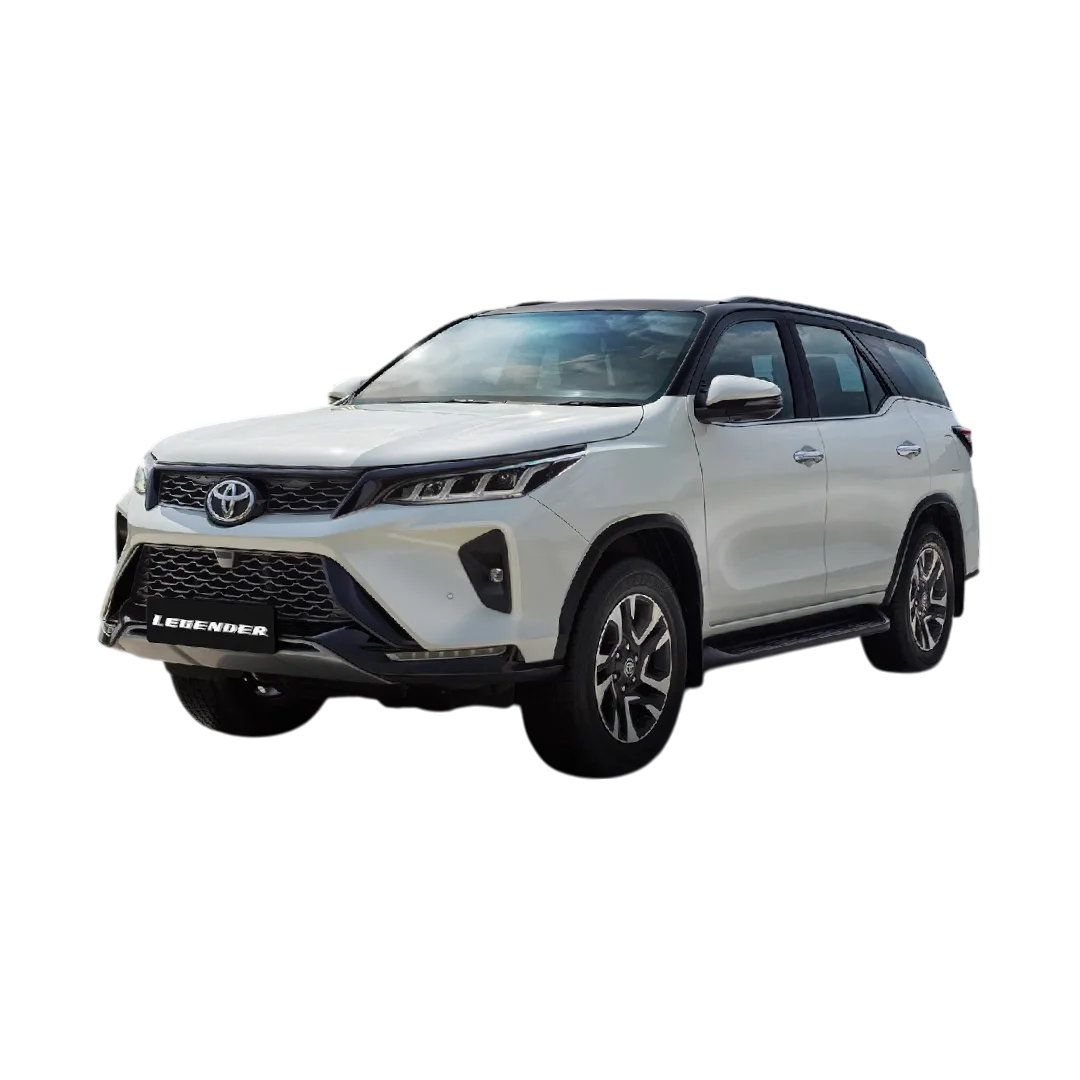 Fortuner Legender
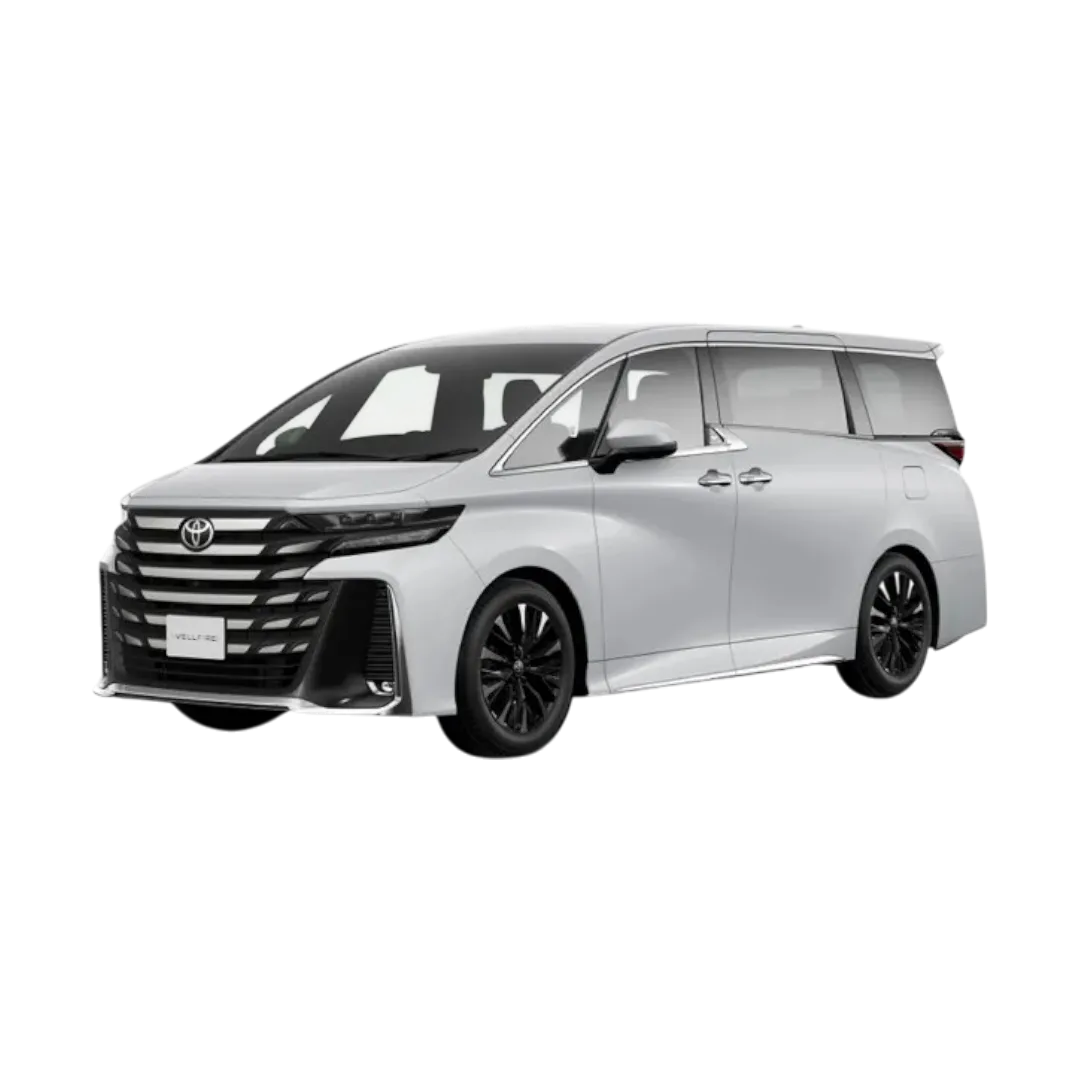 Vellfire
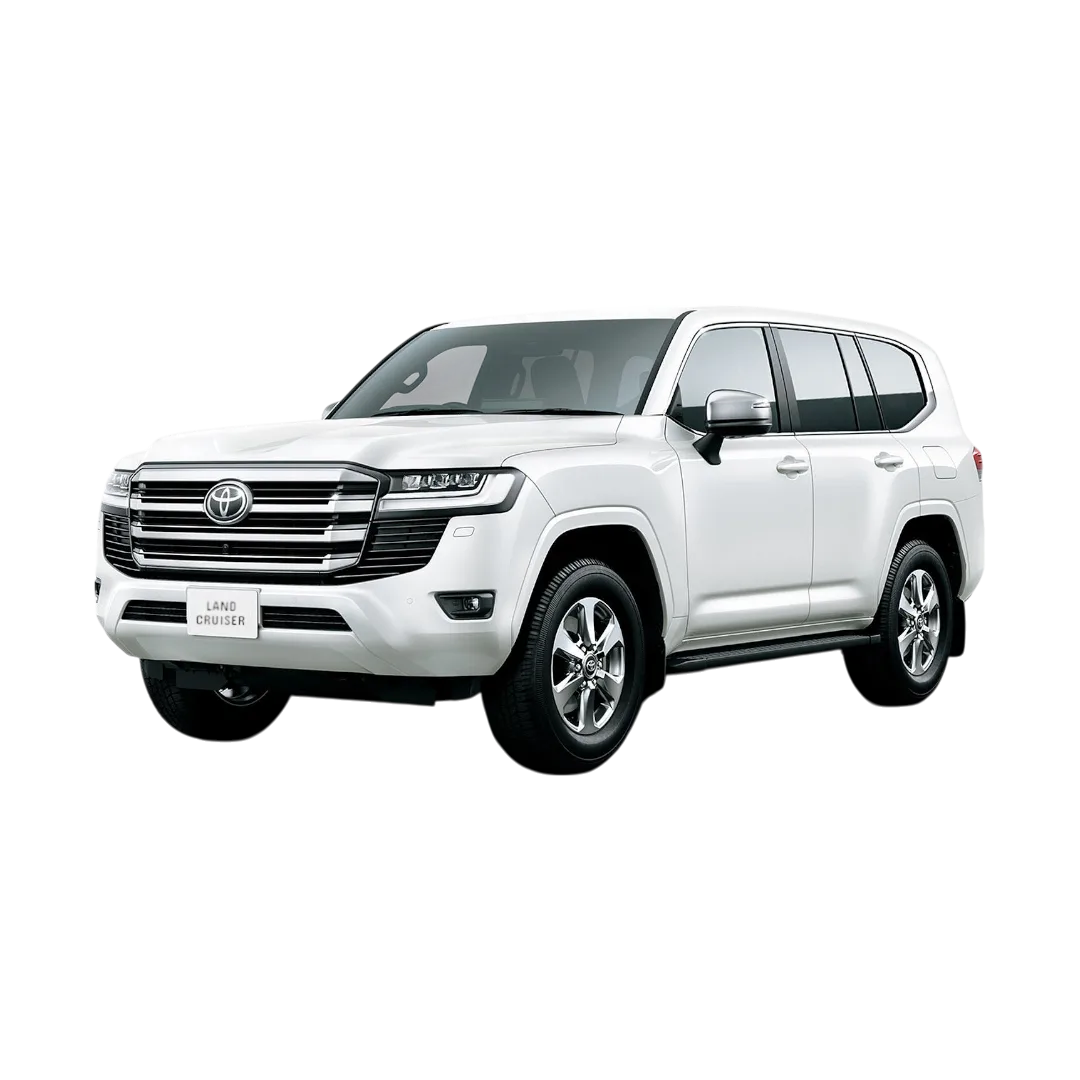 Land Cruiser
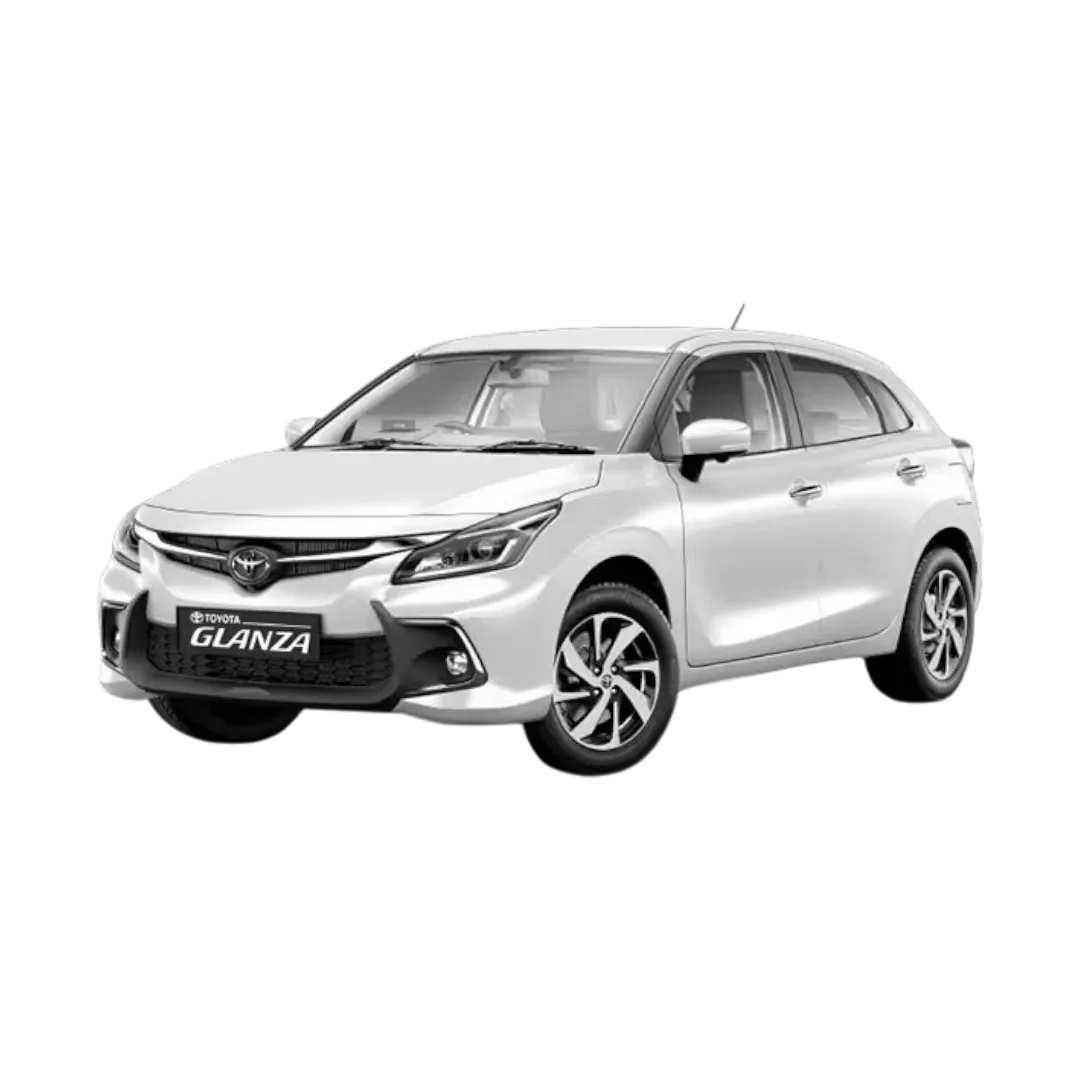 Glanza
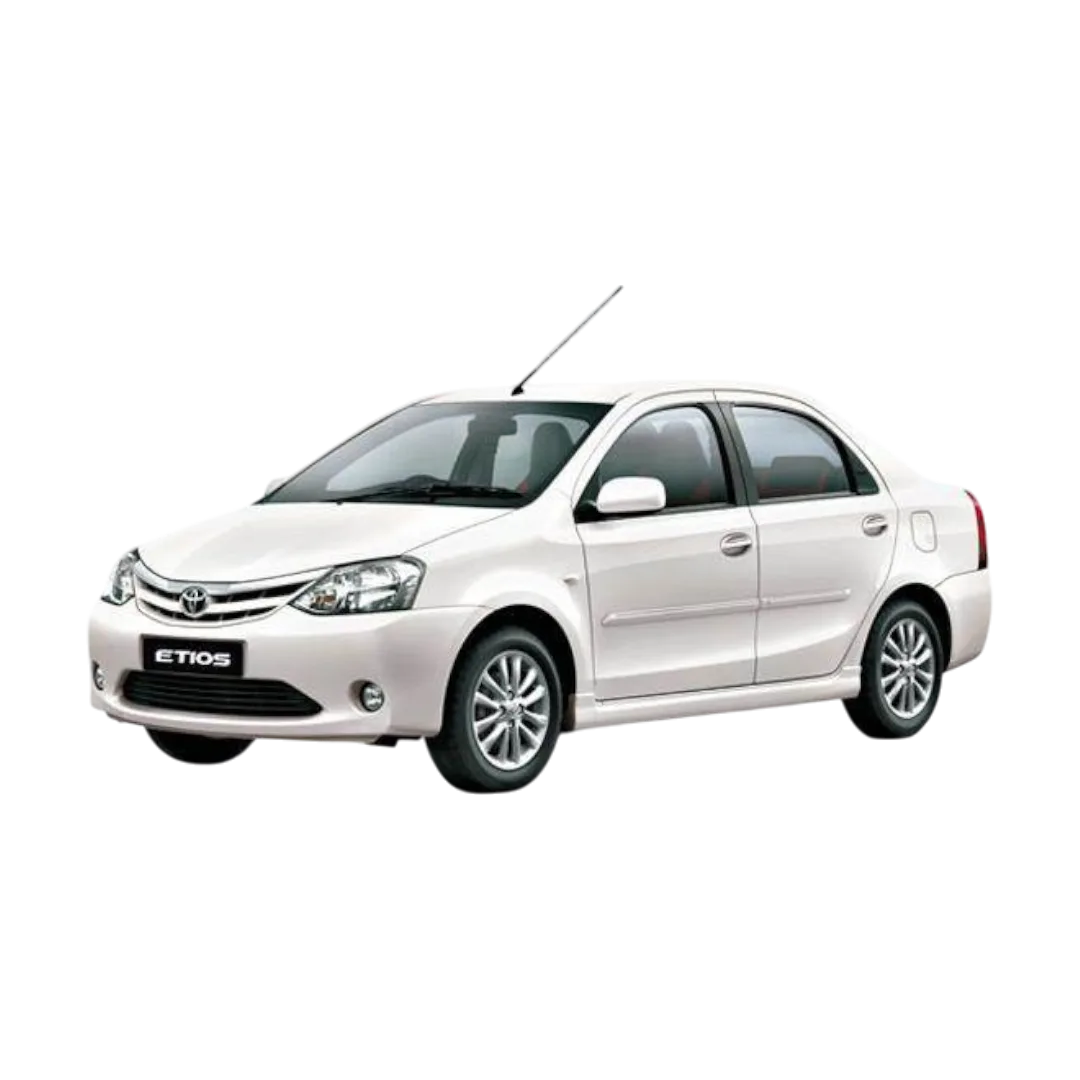 Etios
Etios
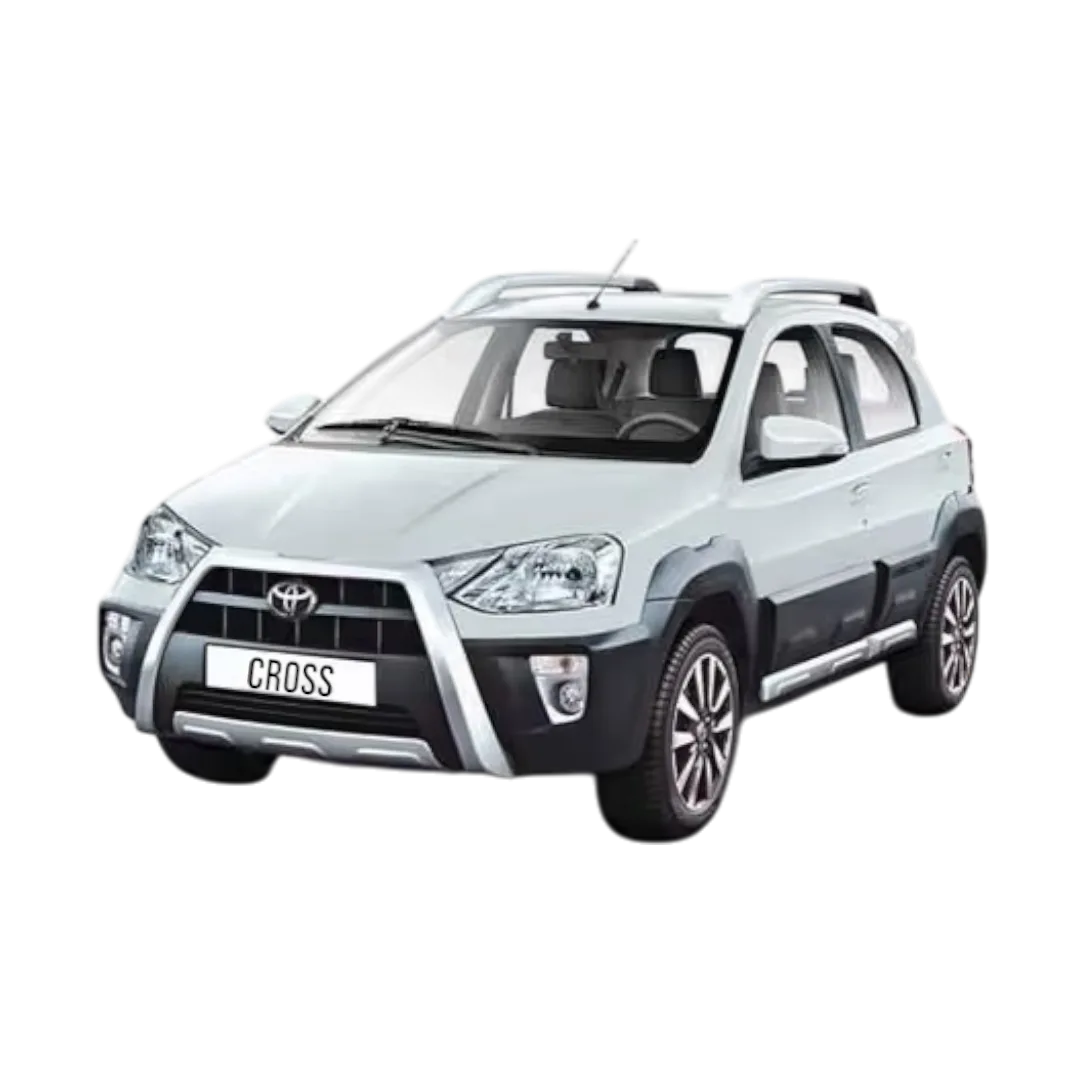 Etios cross
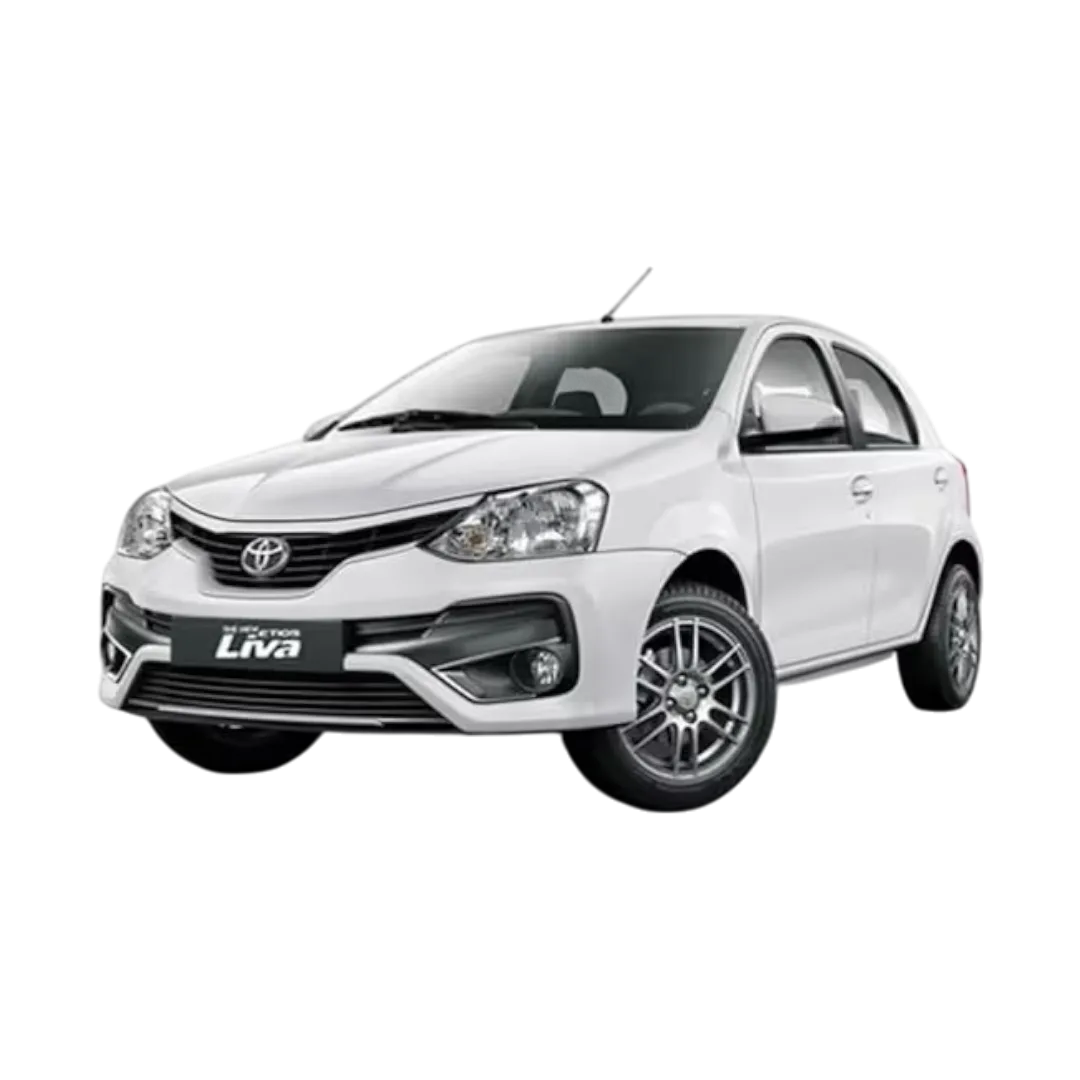 Etios Liva
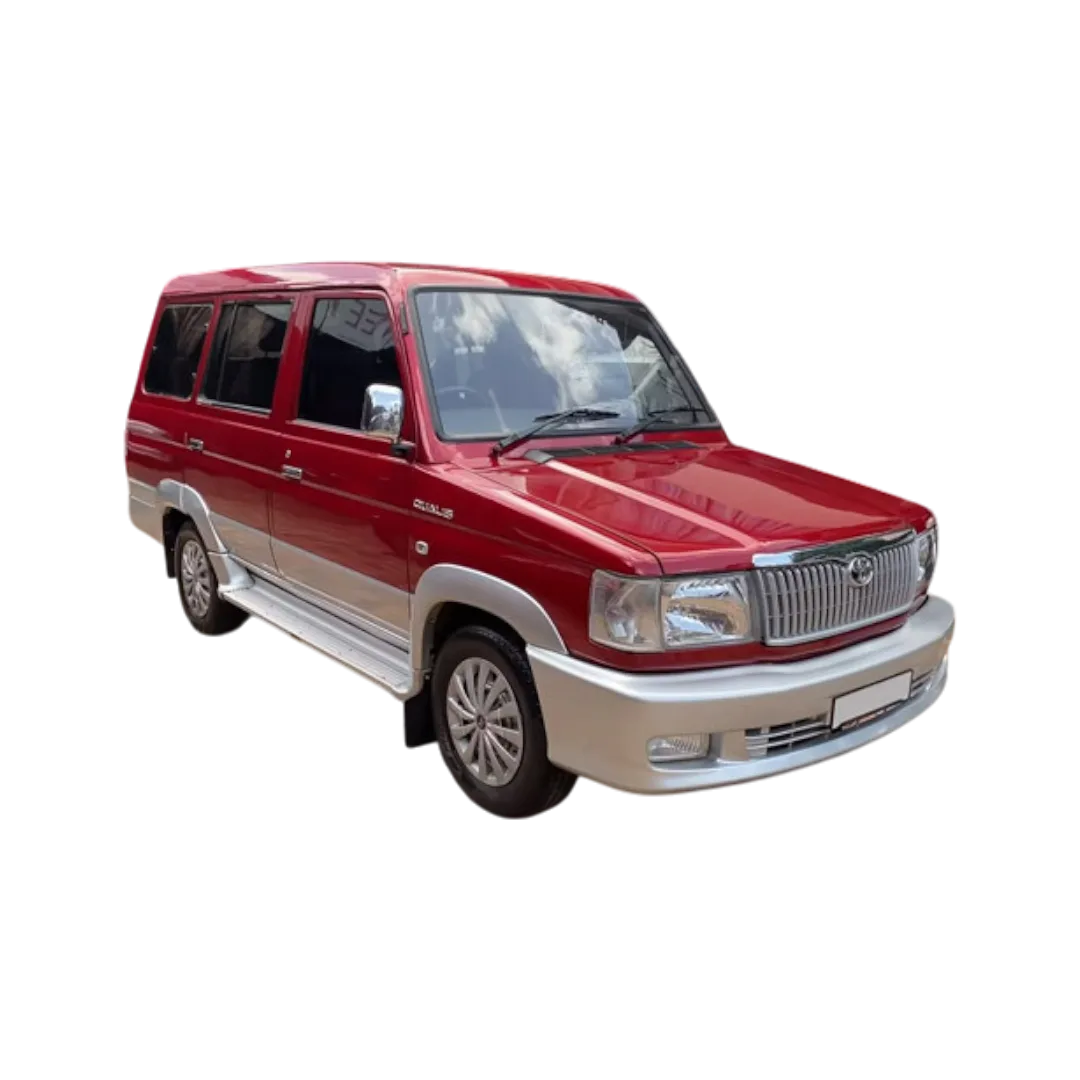 Qualis
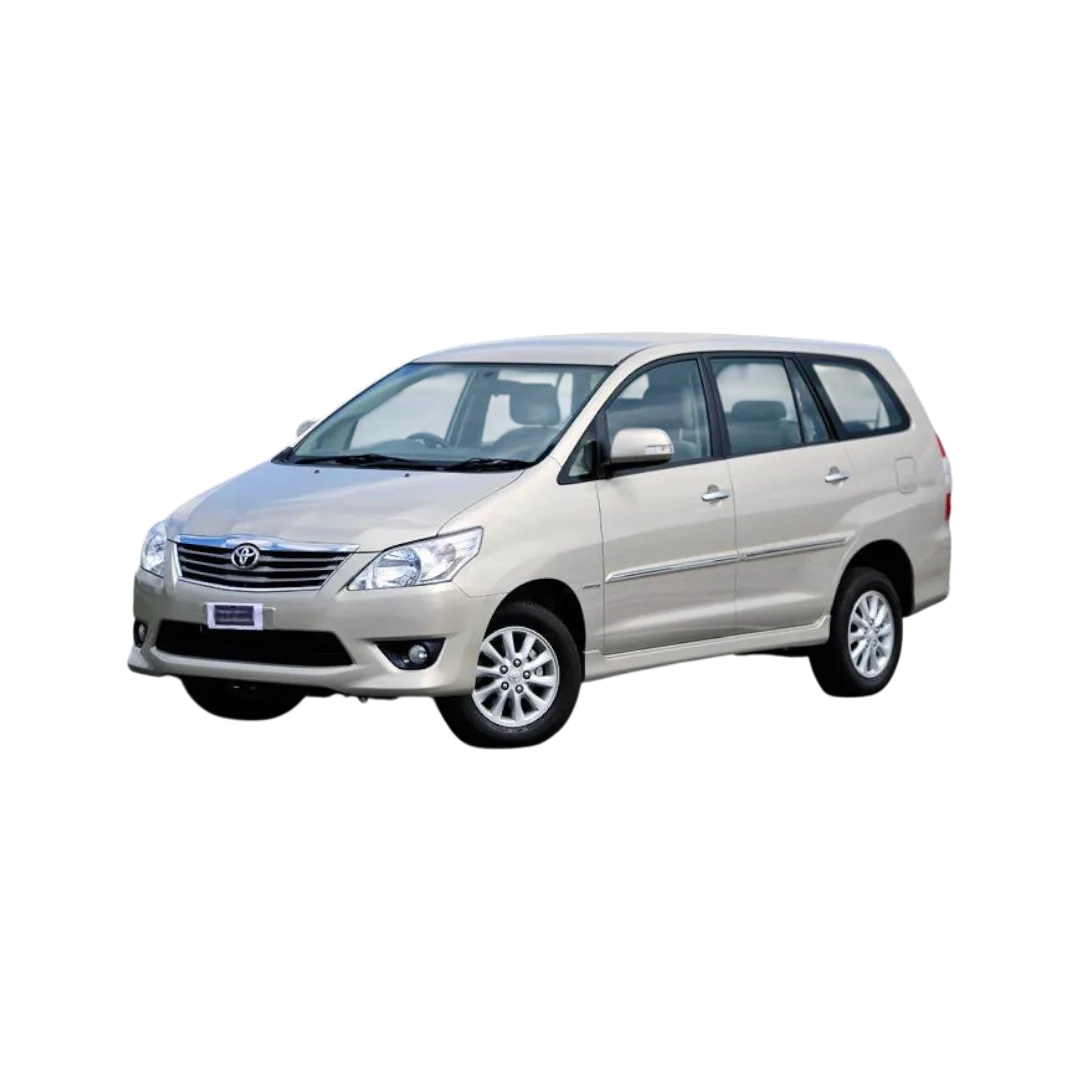 Innova
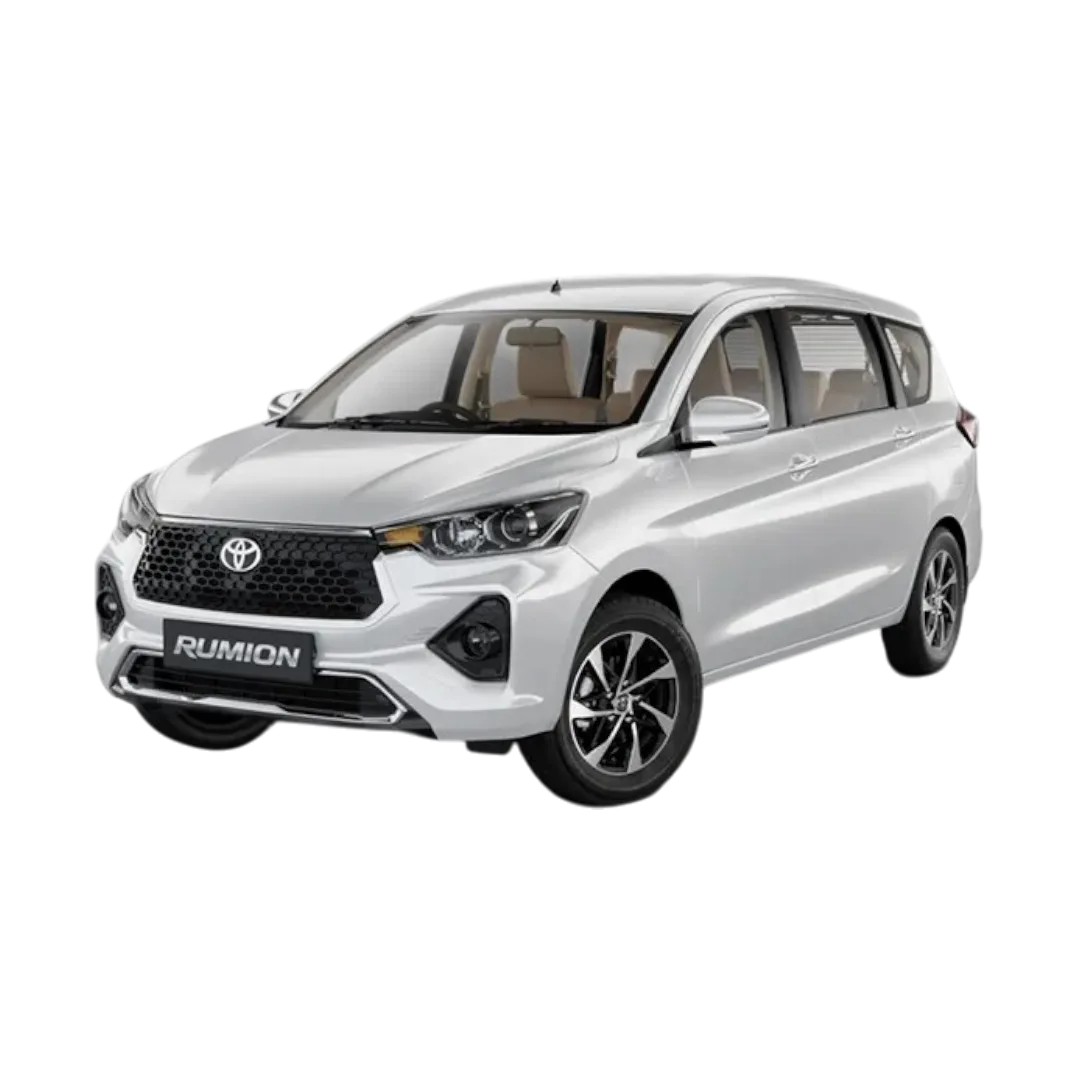 Rumion
Taisor
Corolla Altis
Hyryder
Rumion
Taisor
Corolla Altis
Hyryder
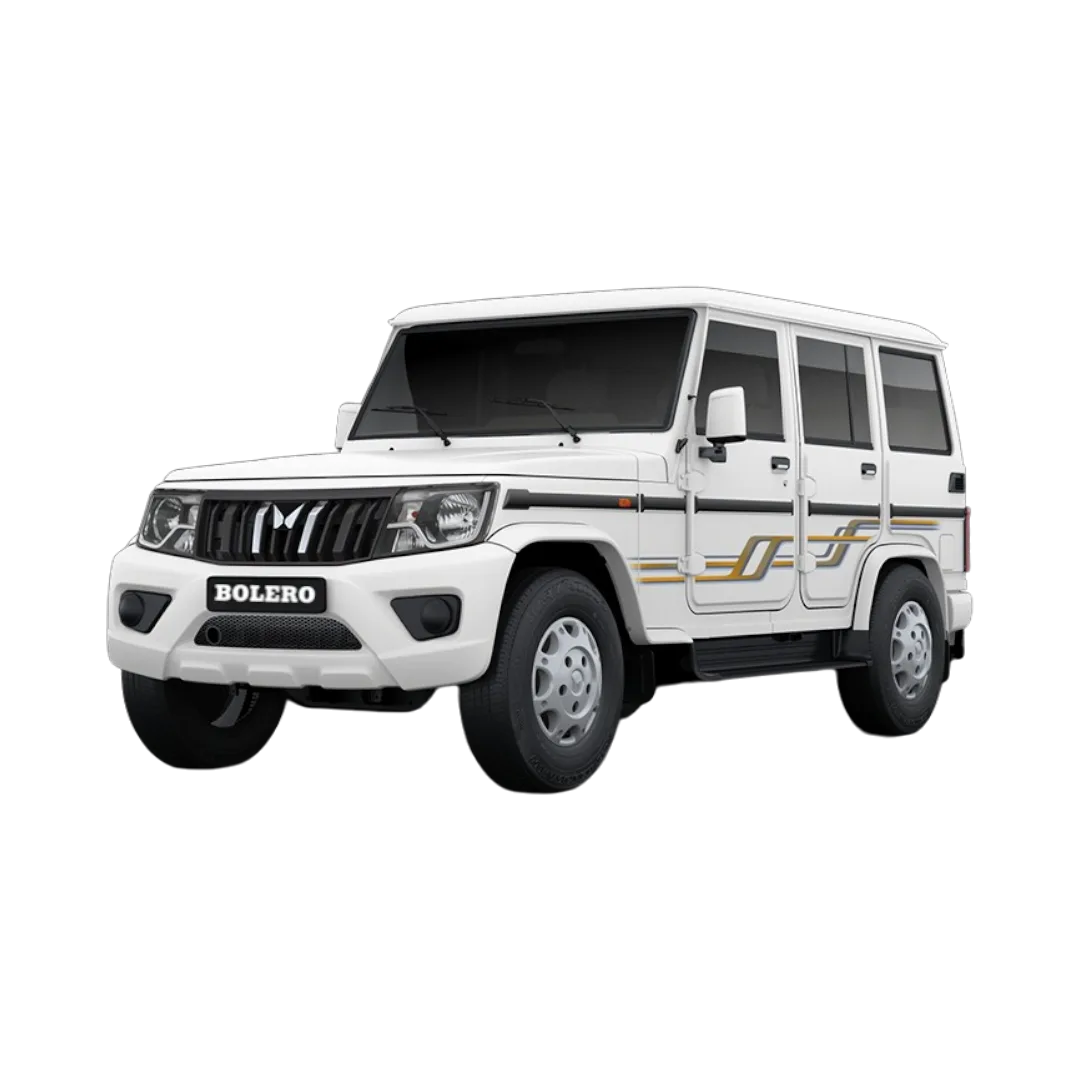 Bolero
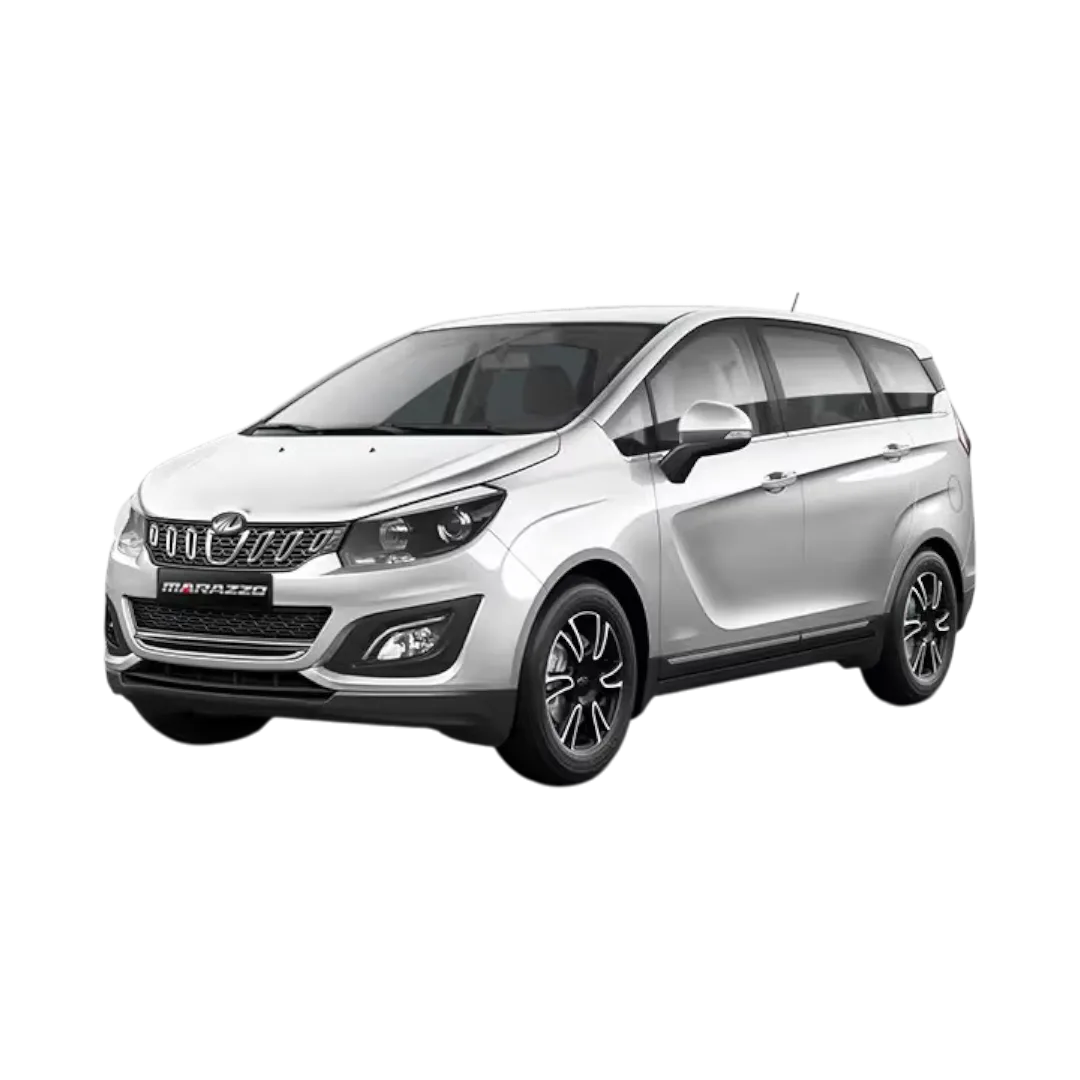 Marazzo
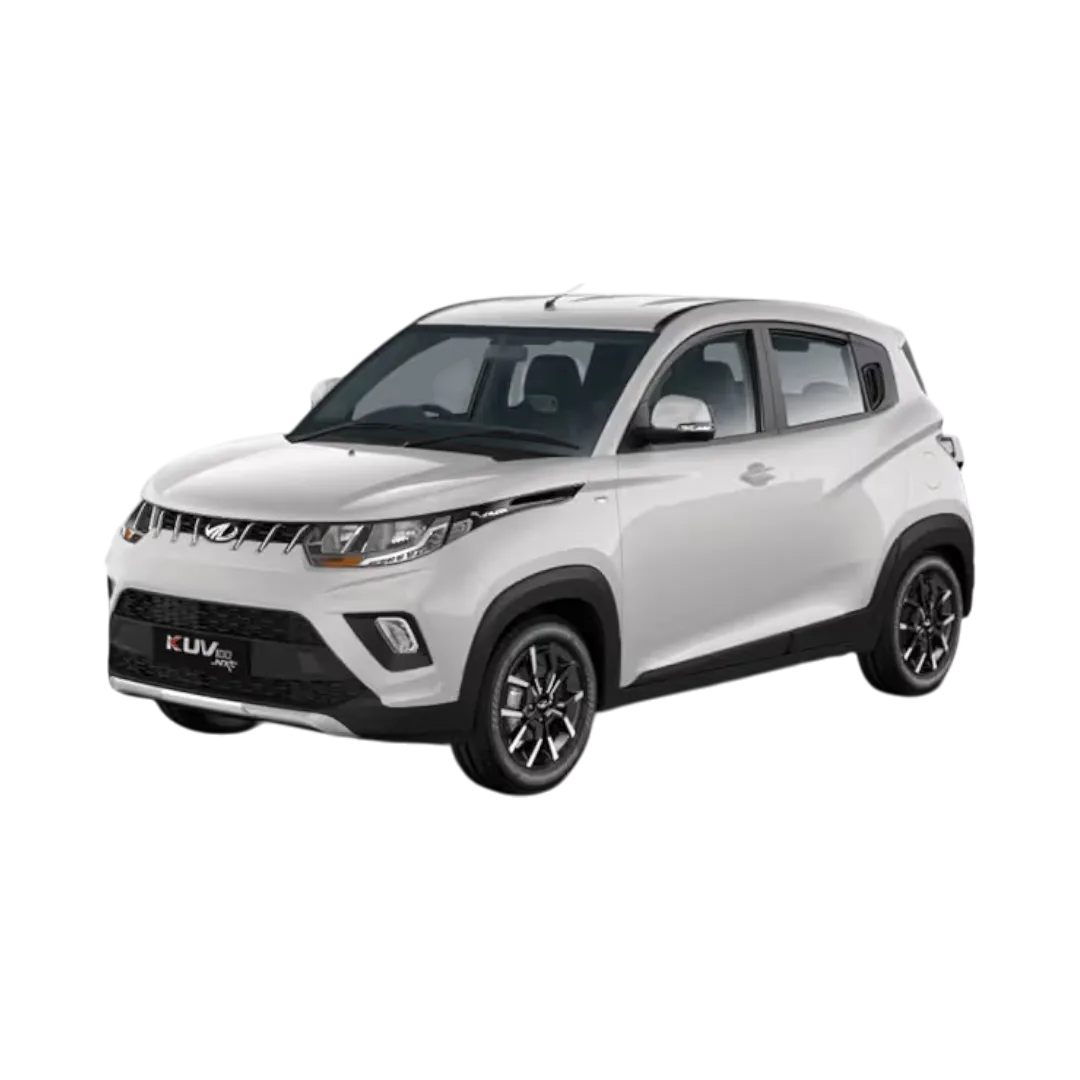 KUV100 NXT
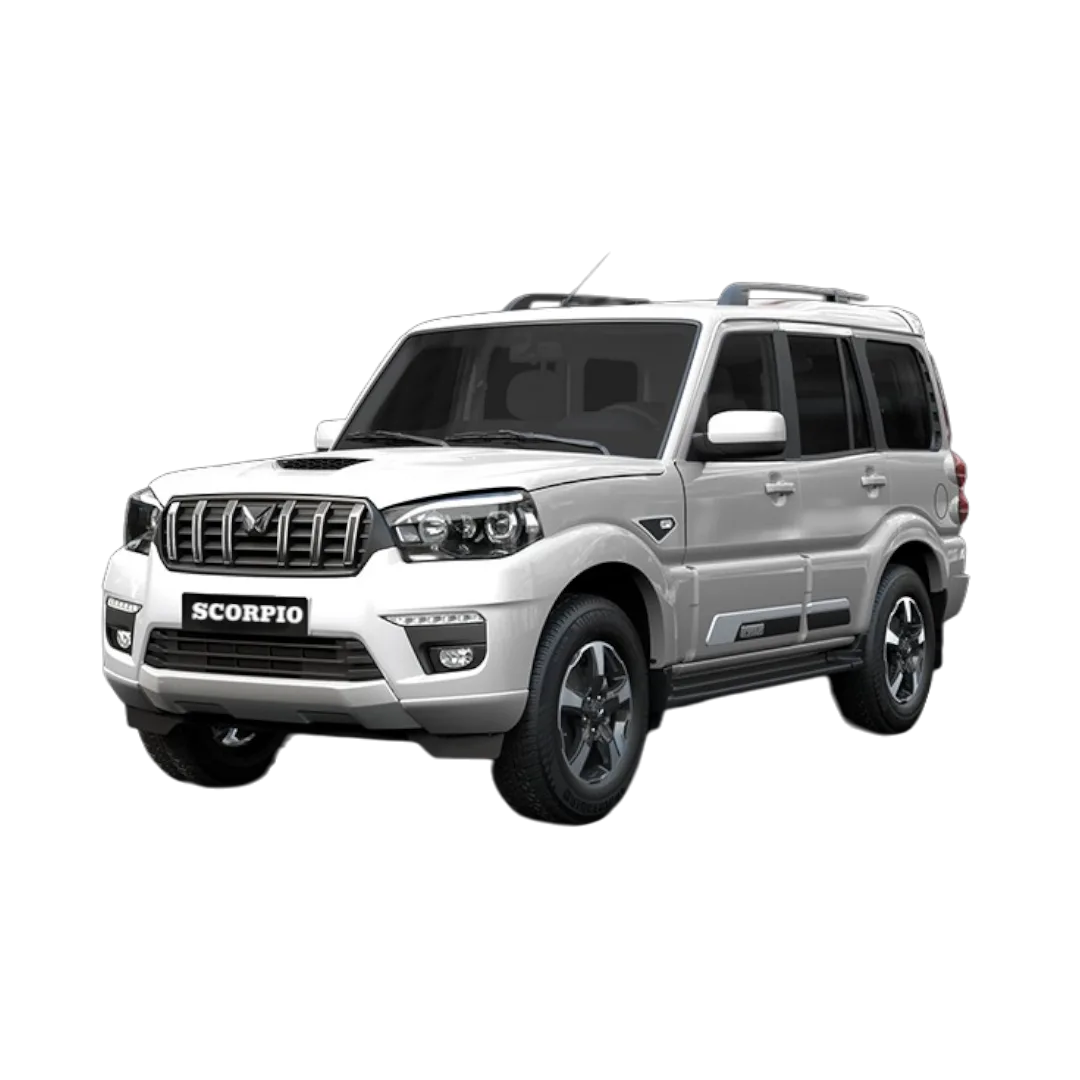 Scorpio
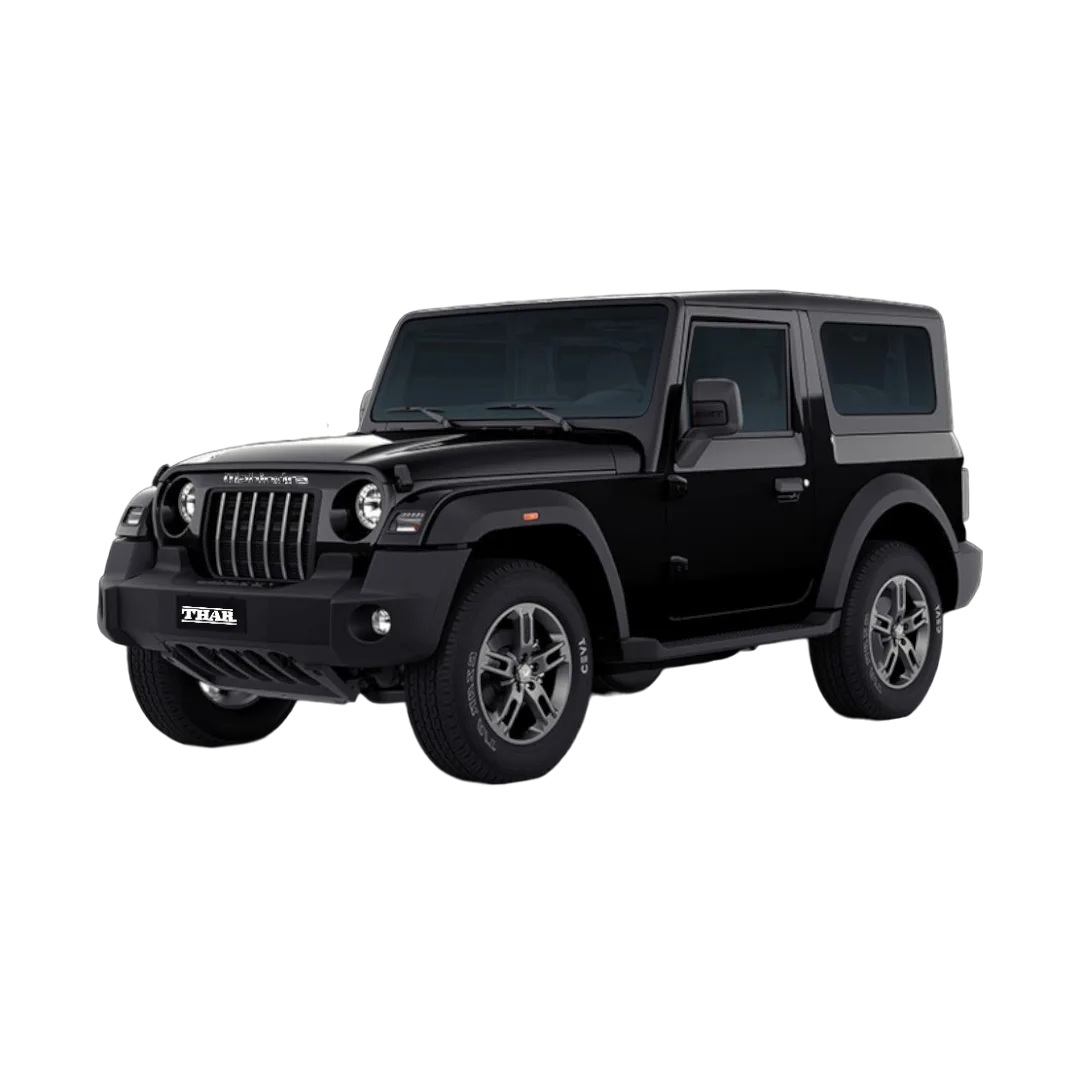 Thar
Thar
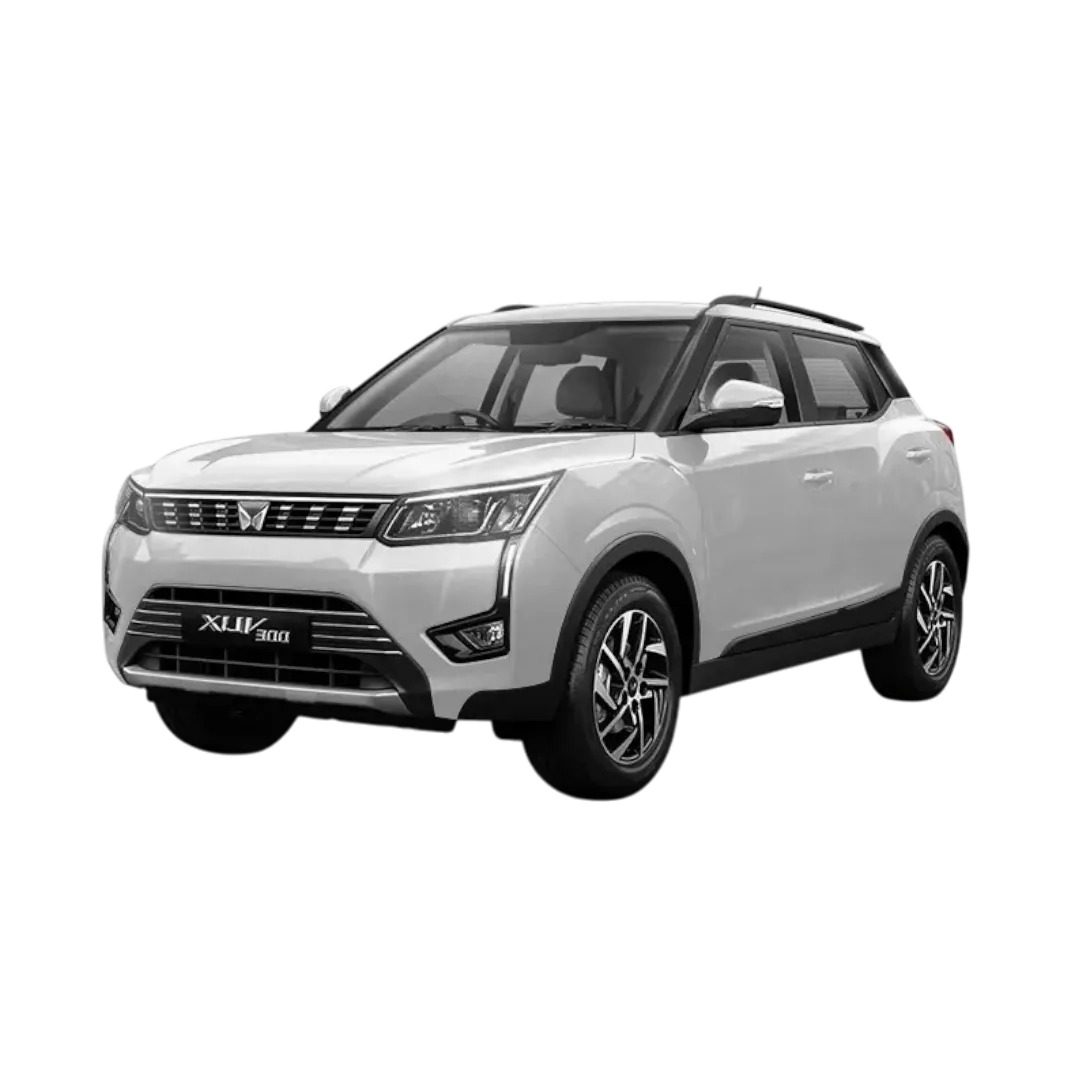 XUV 300
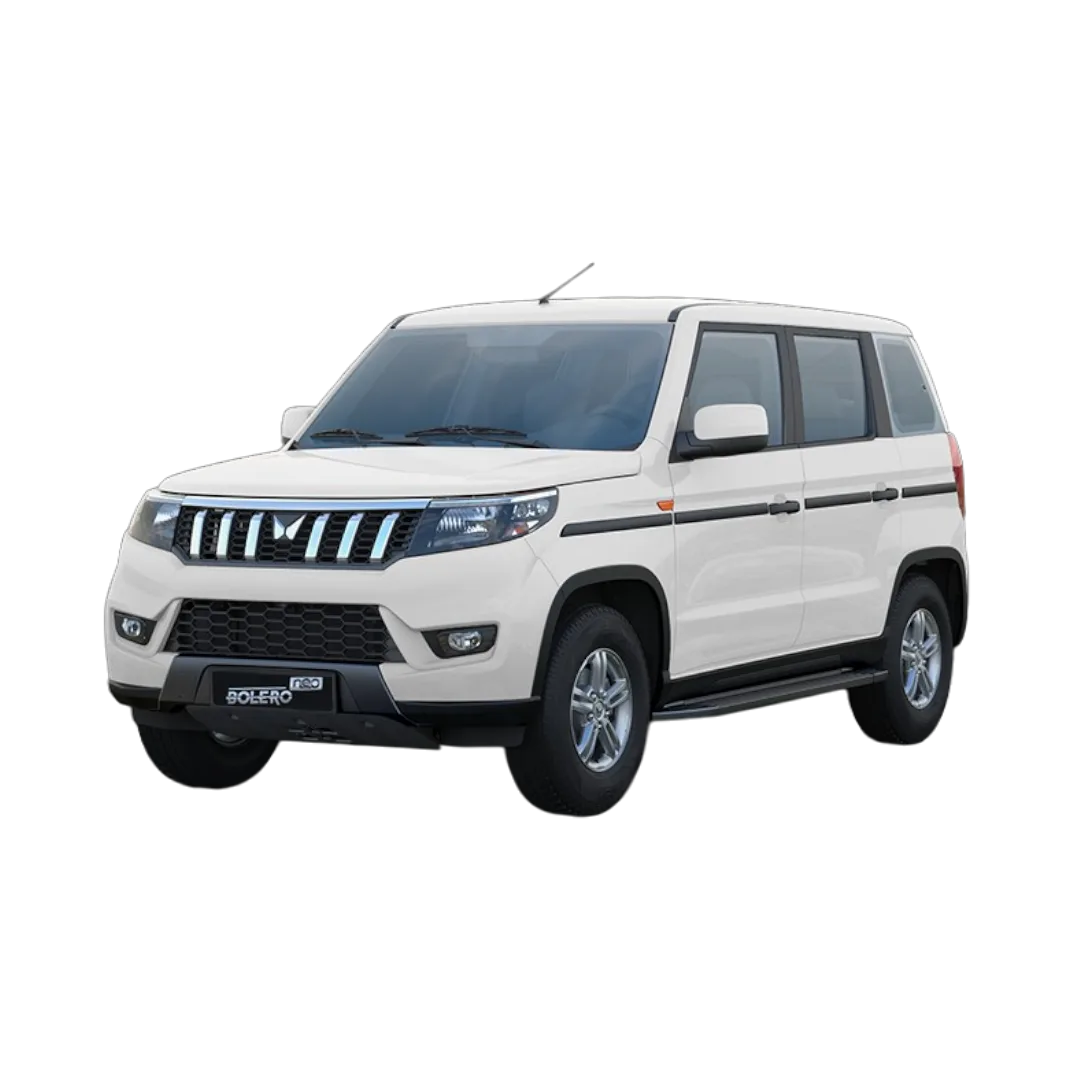 Bolero Neo
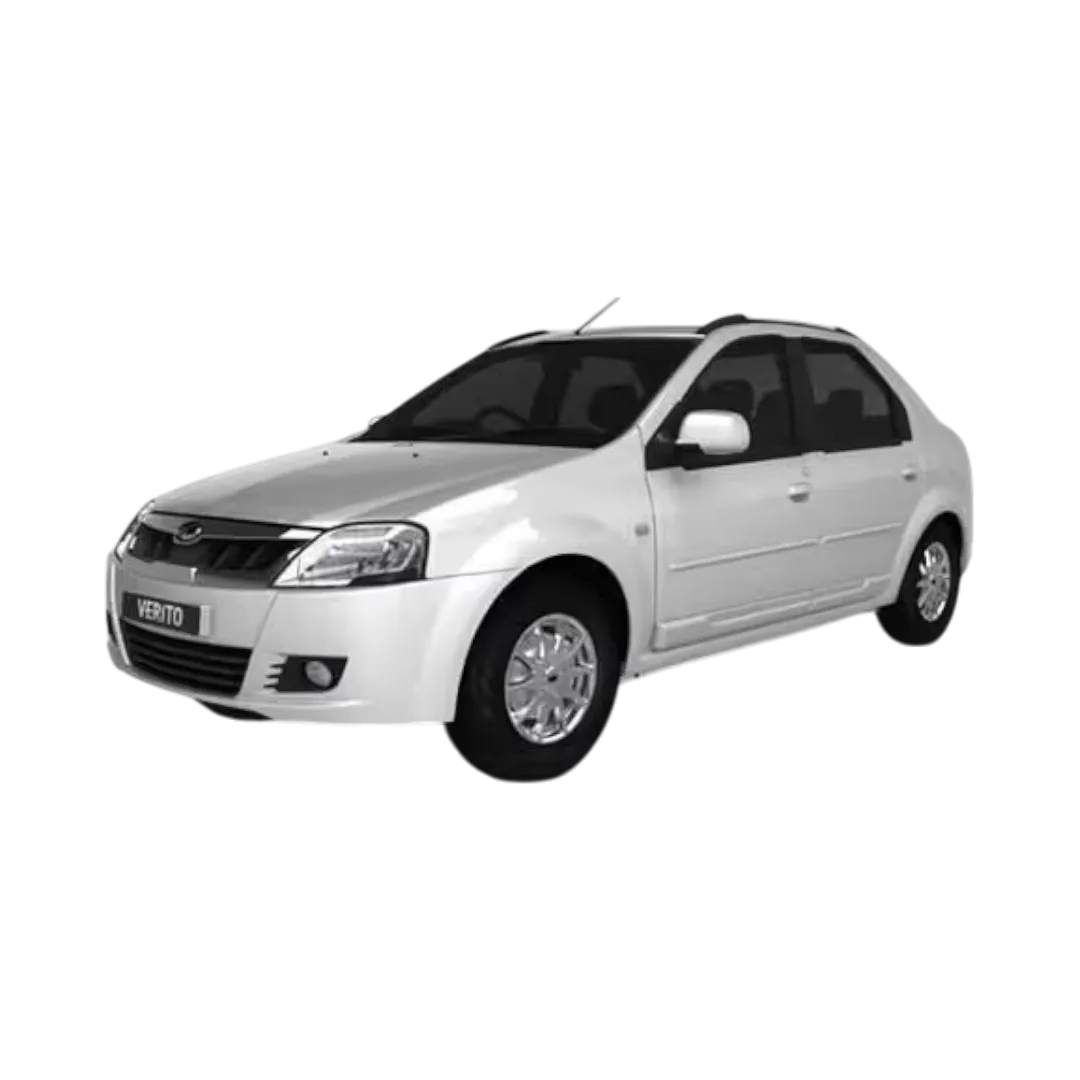 Verito
 Scorpio-N
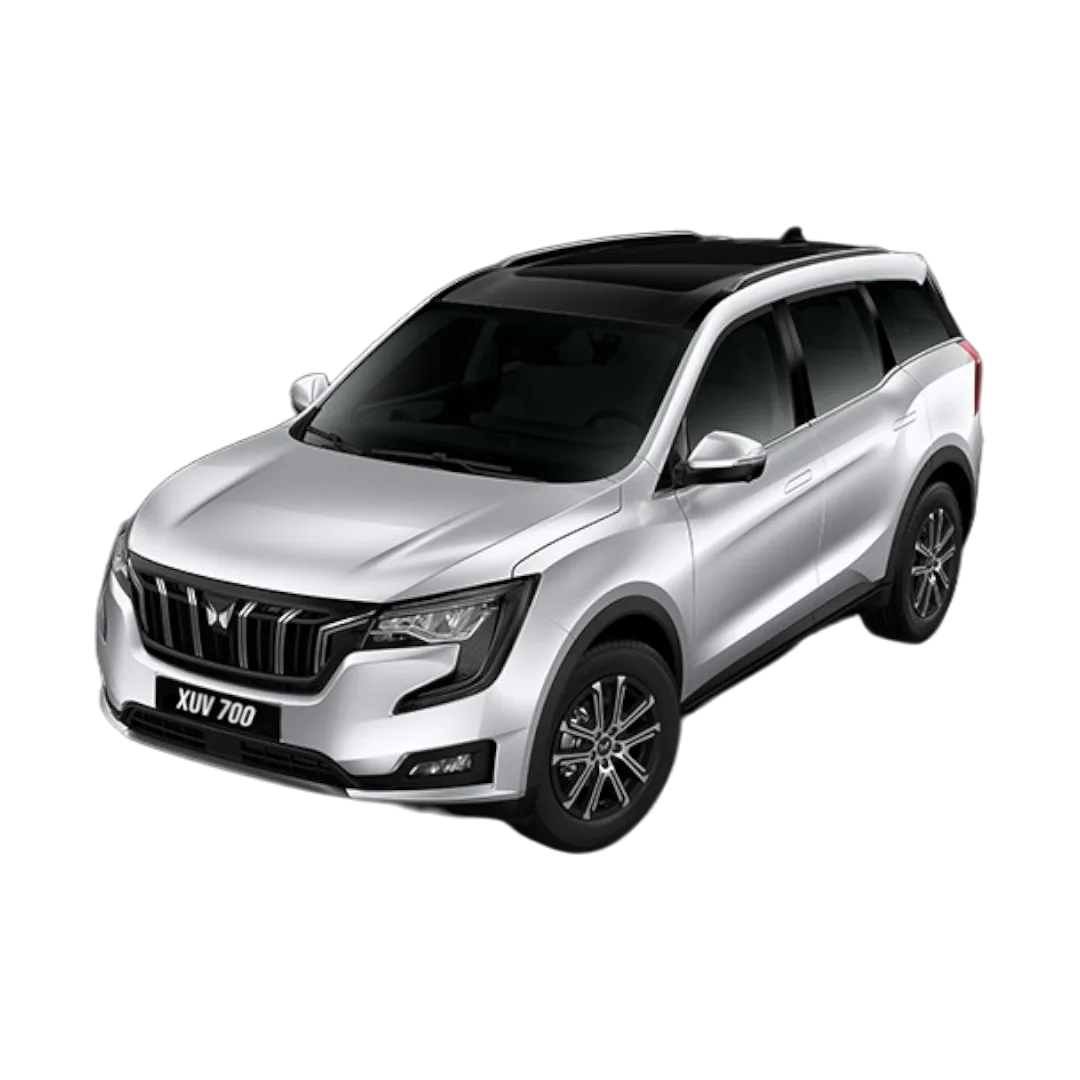 XUV 700
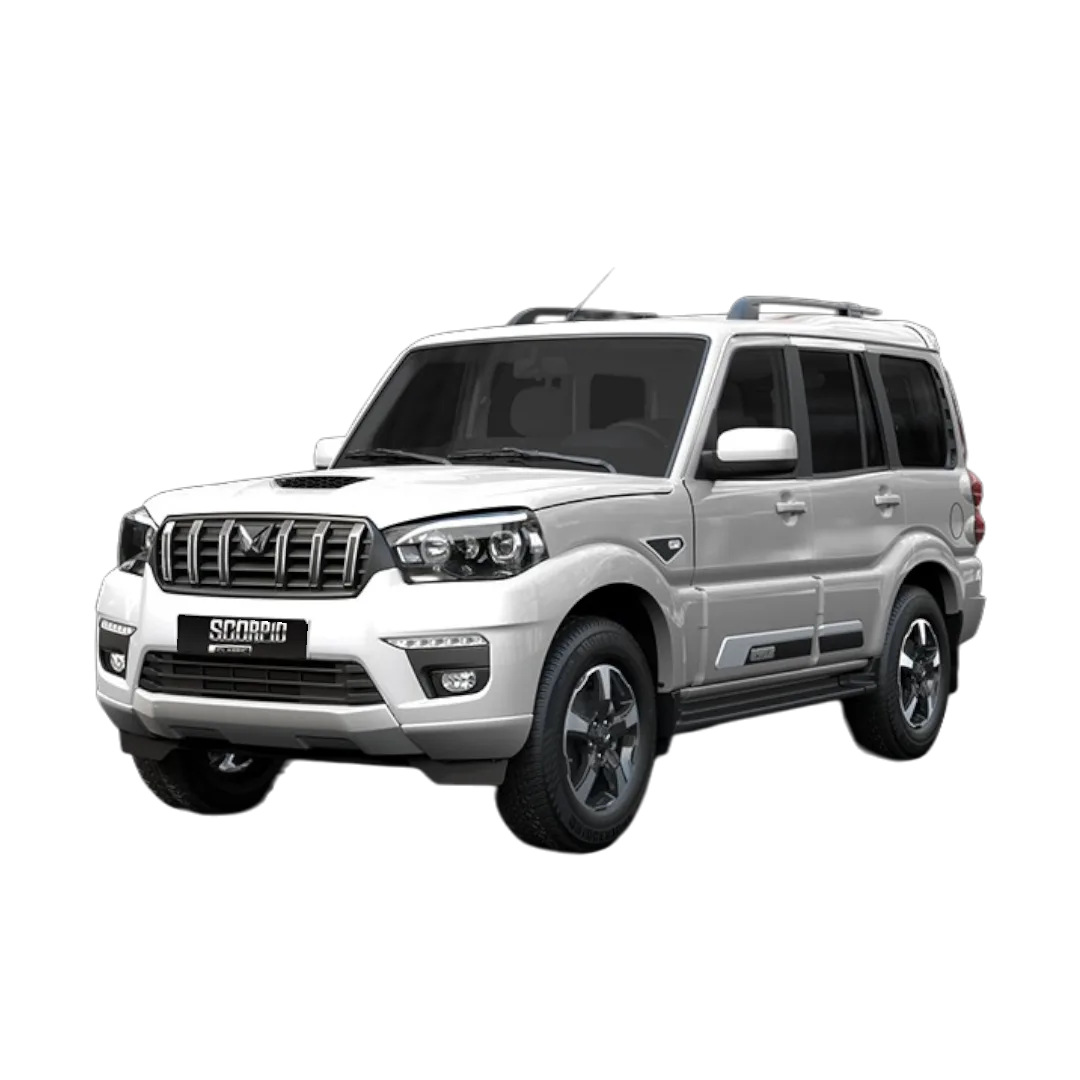 Scorpio Classic
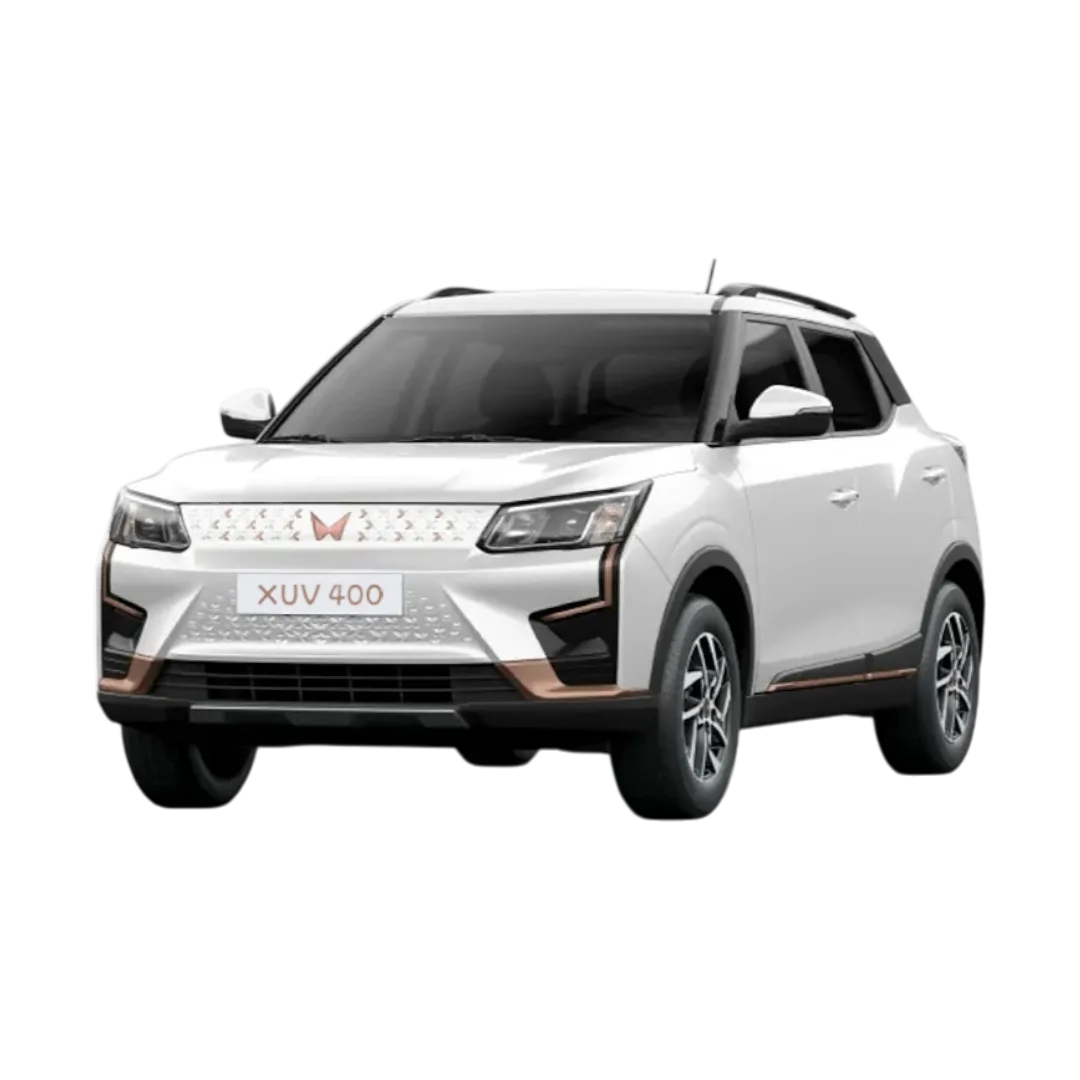 XUV400
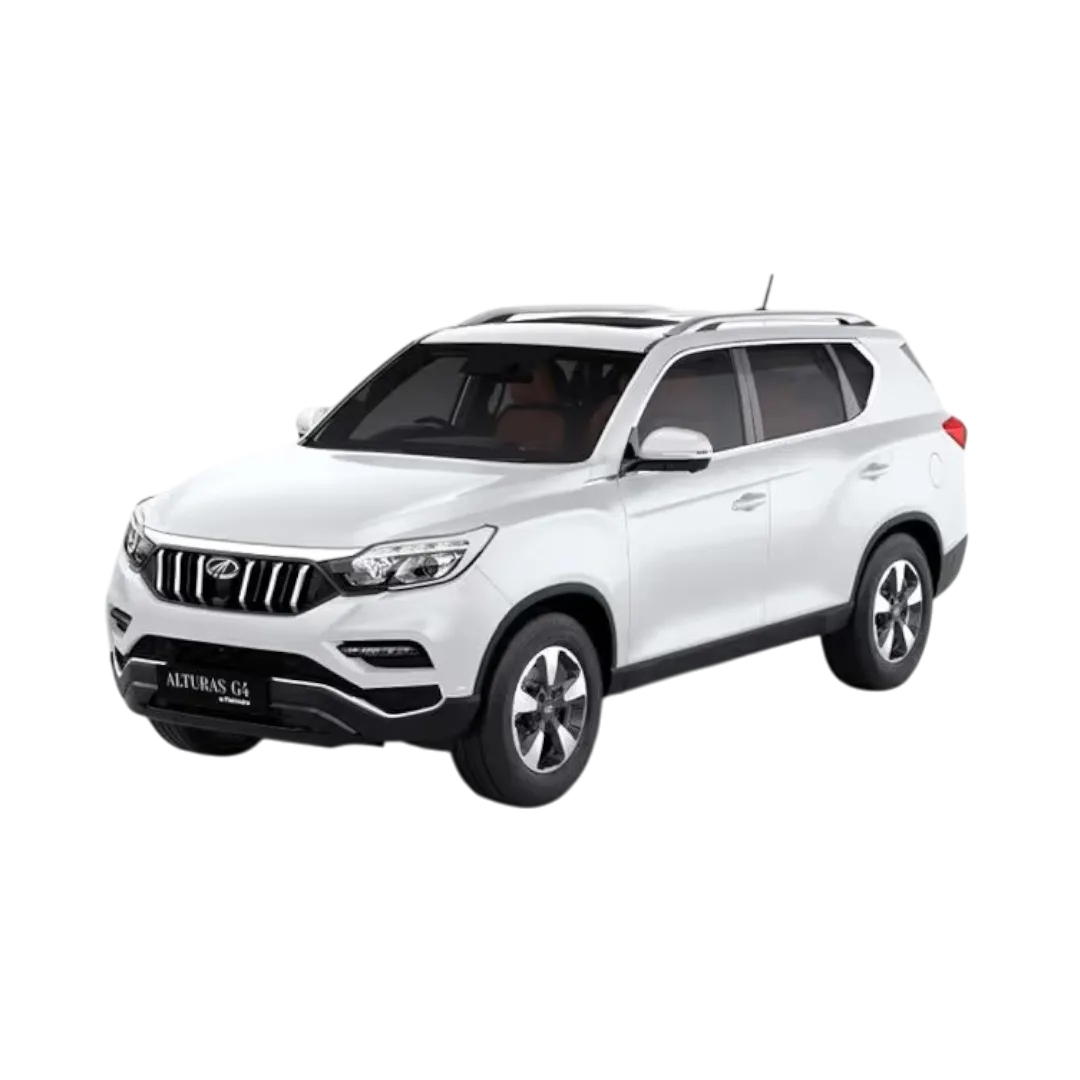 Alturas
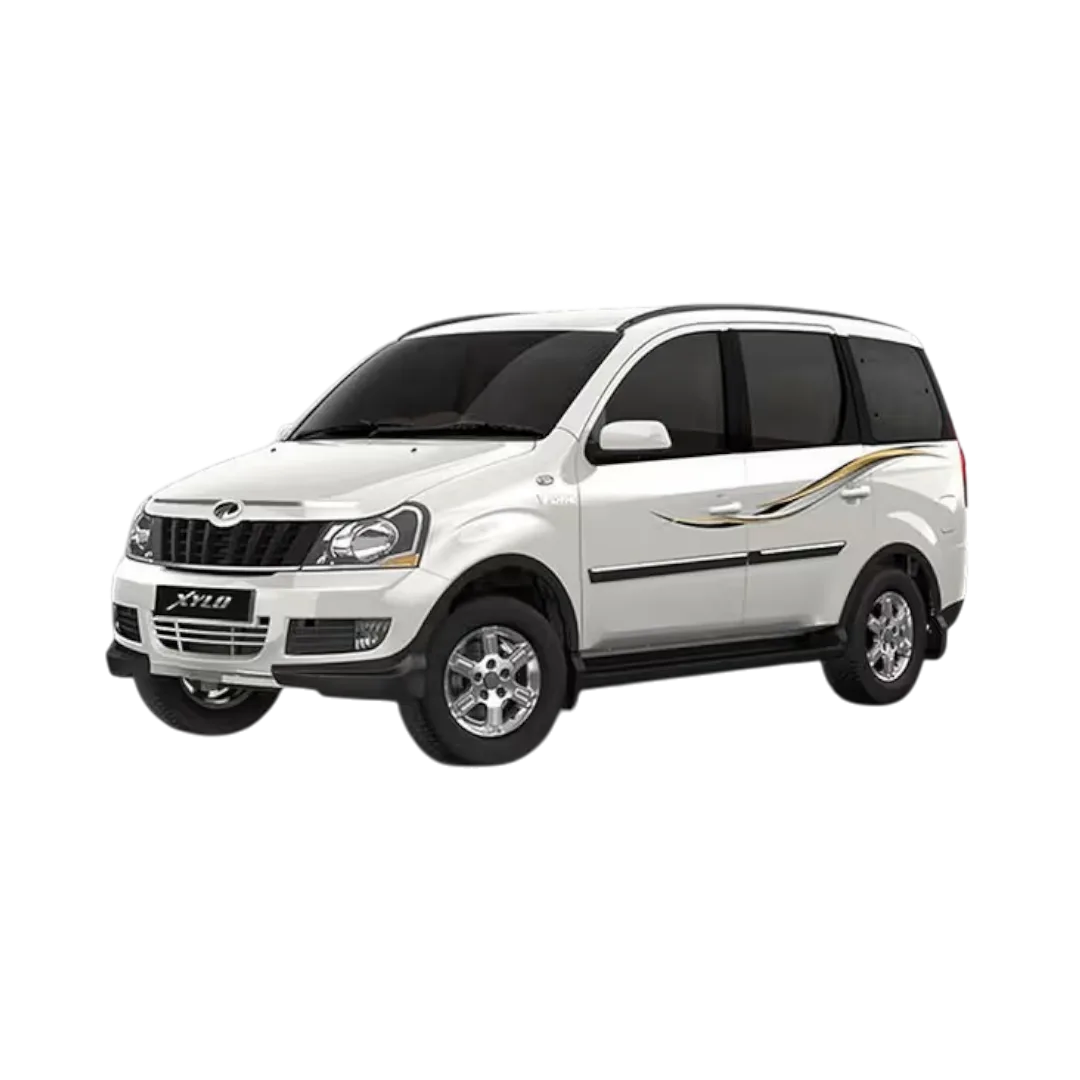 Xylo
Xylo
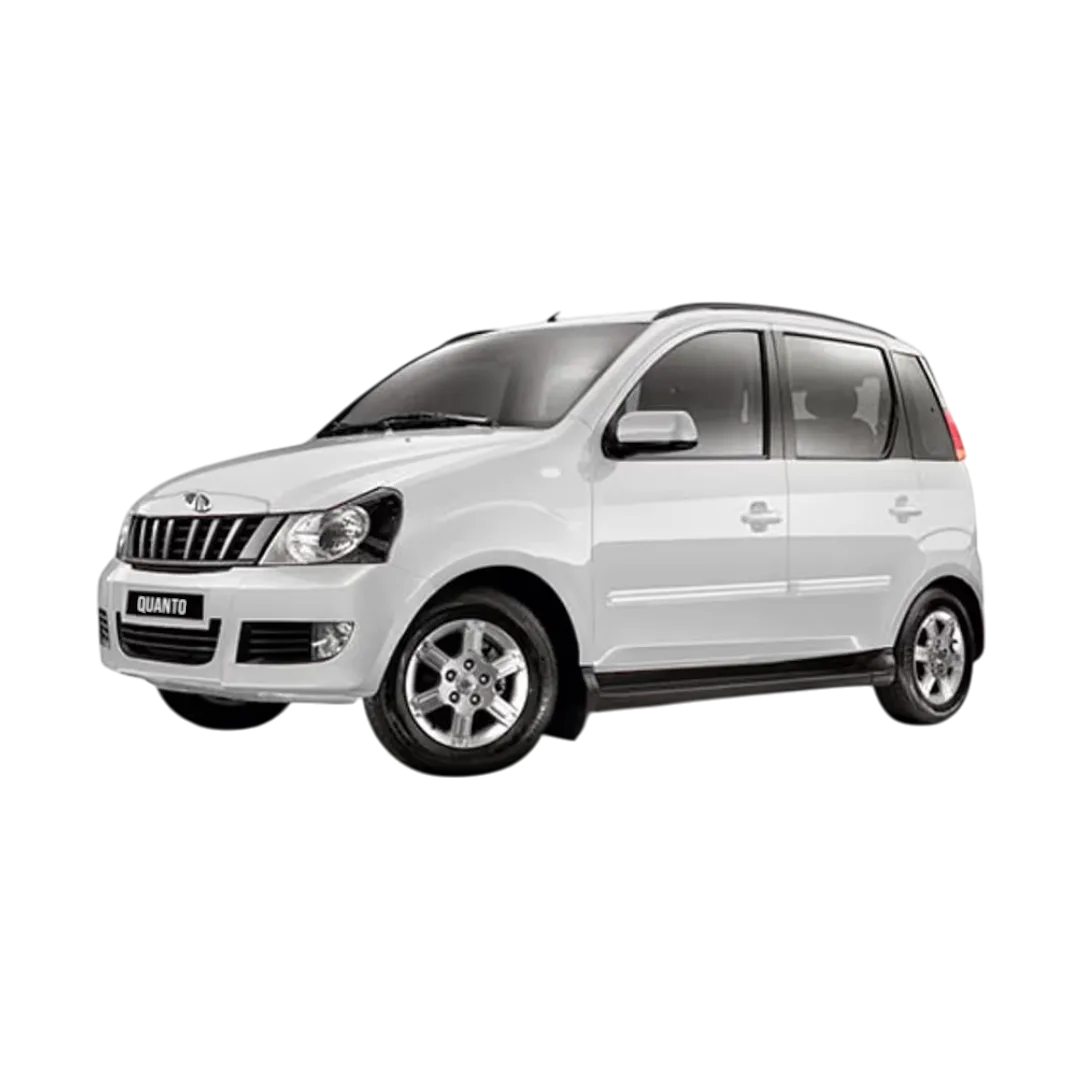 Quanto
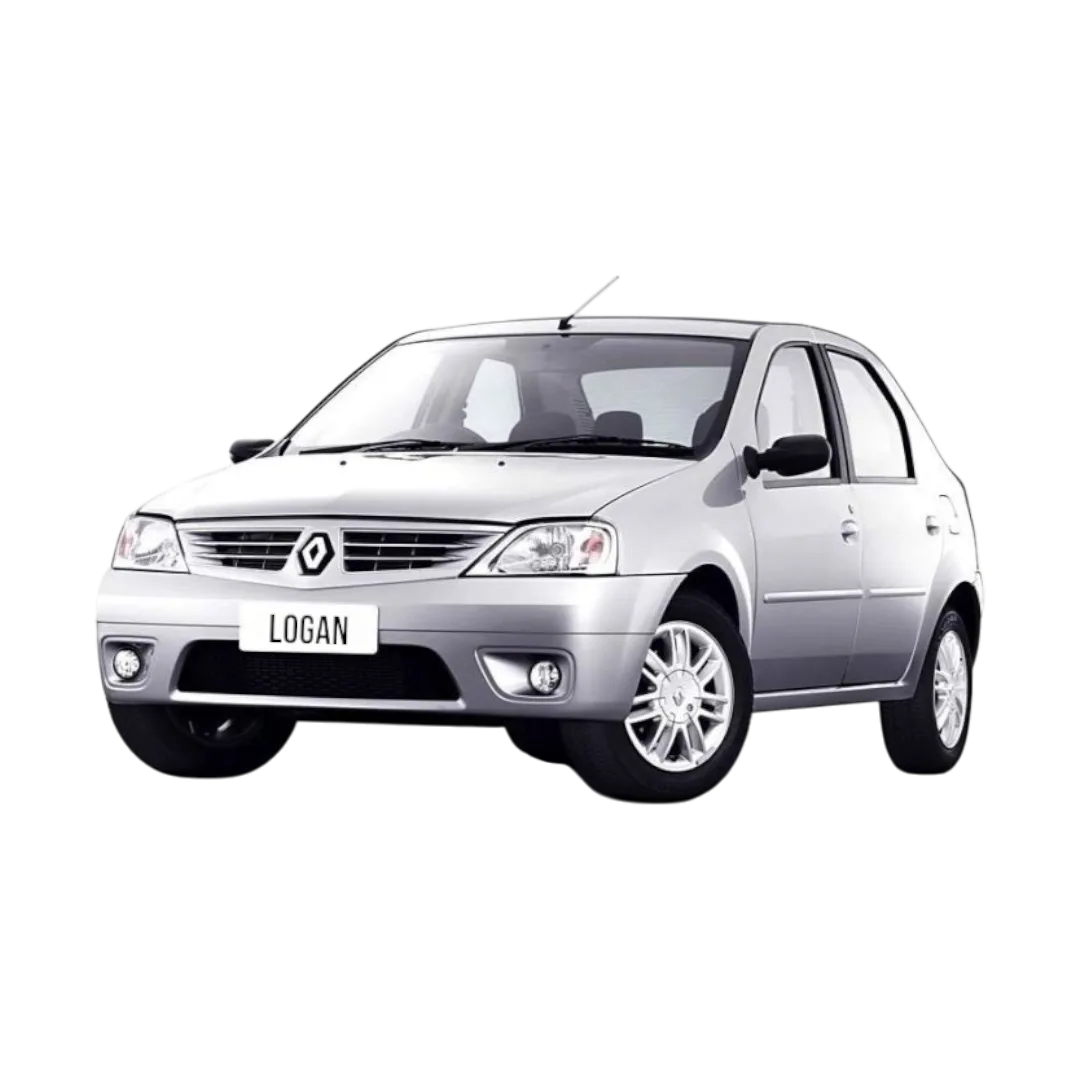 Logan
Logan
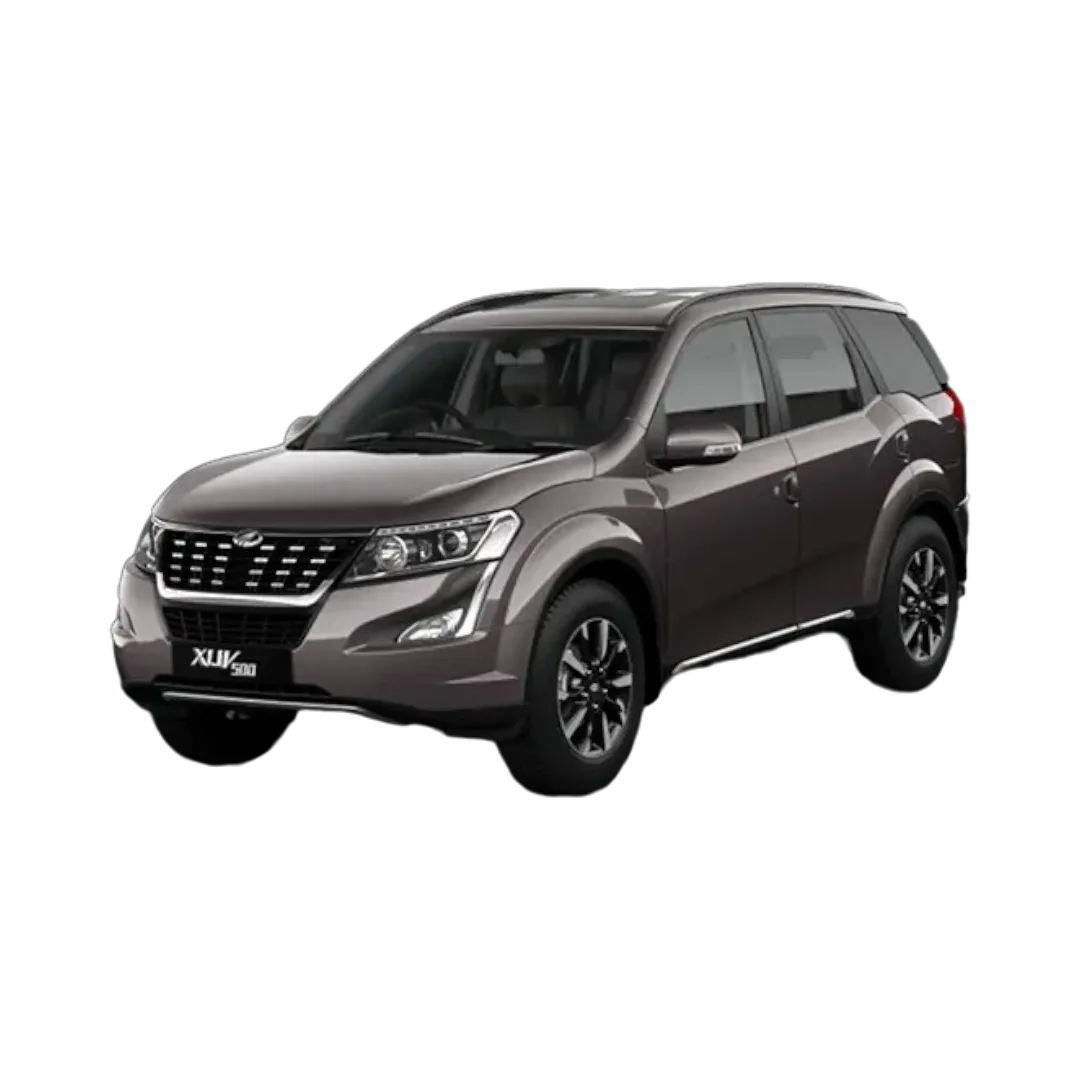 XUV 500
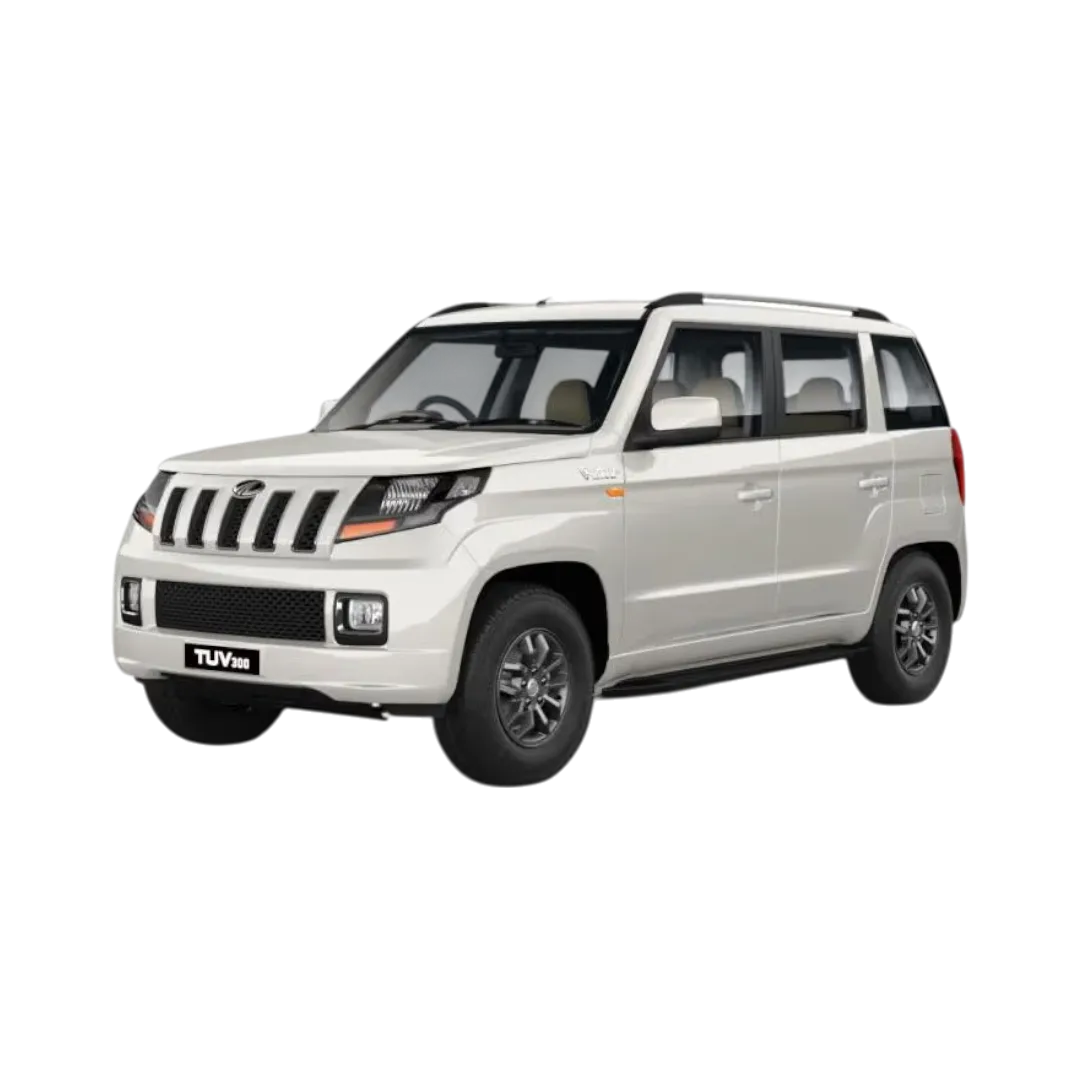 TUV 300
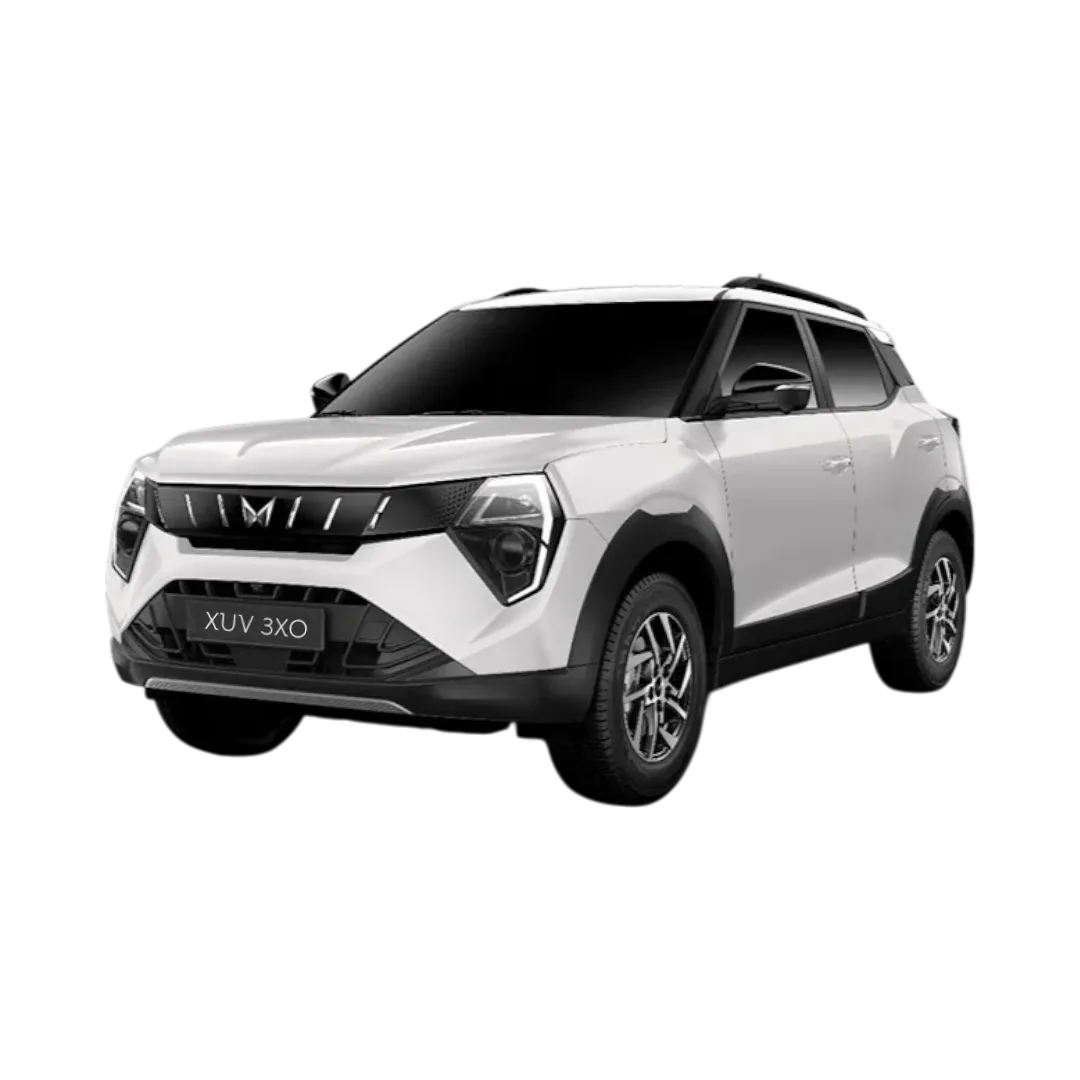 XUV 3XO
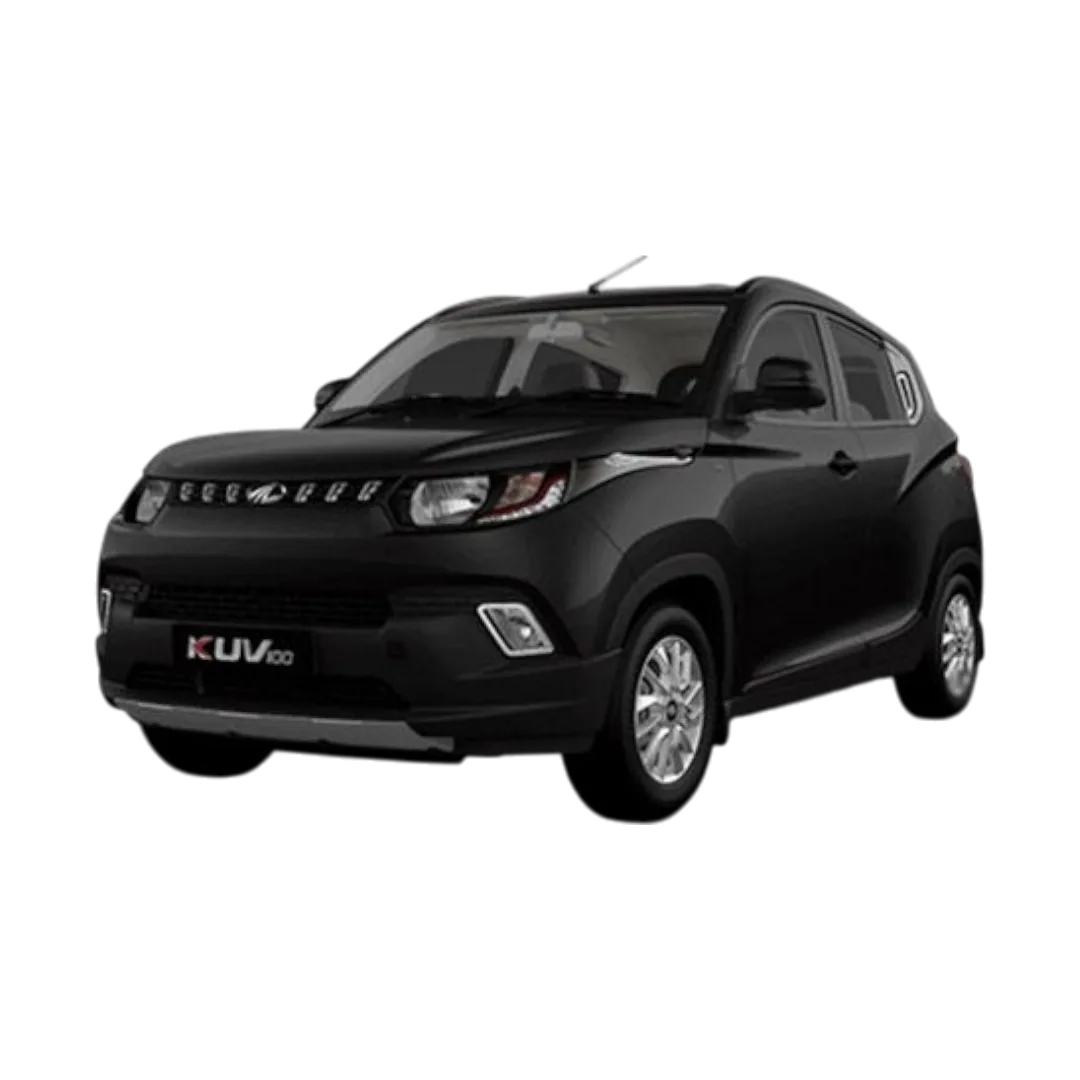 KUV 100
NuvoSport
XEV 9e
BE 6
Thar Roxx
E-Verito
XUV 7XO
TUV 100
BE6
Bolero Camper
Verito Vibe
XUV 400
KUV 100
NuvoSport
XEV 9e
BE 6
Thar Roxx
E-Verito
XUV 7XO
TUV 100
BE6
Bolero Camper
Verito Vibe
XUV 400
 Audi Q5
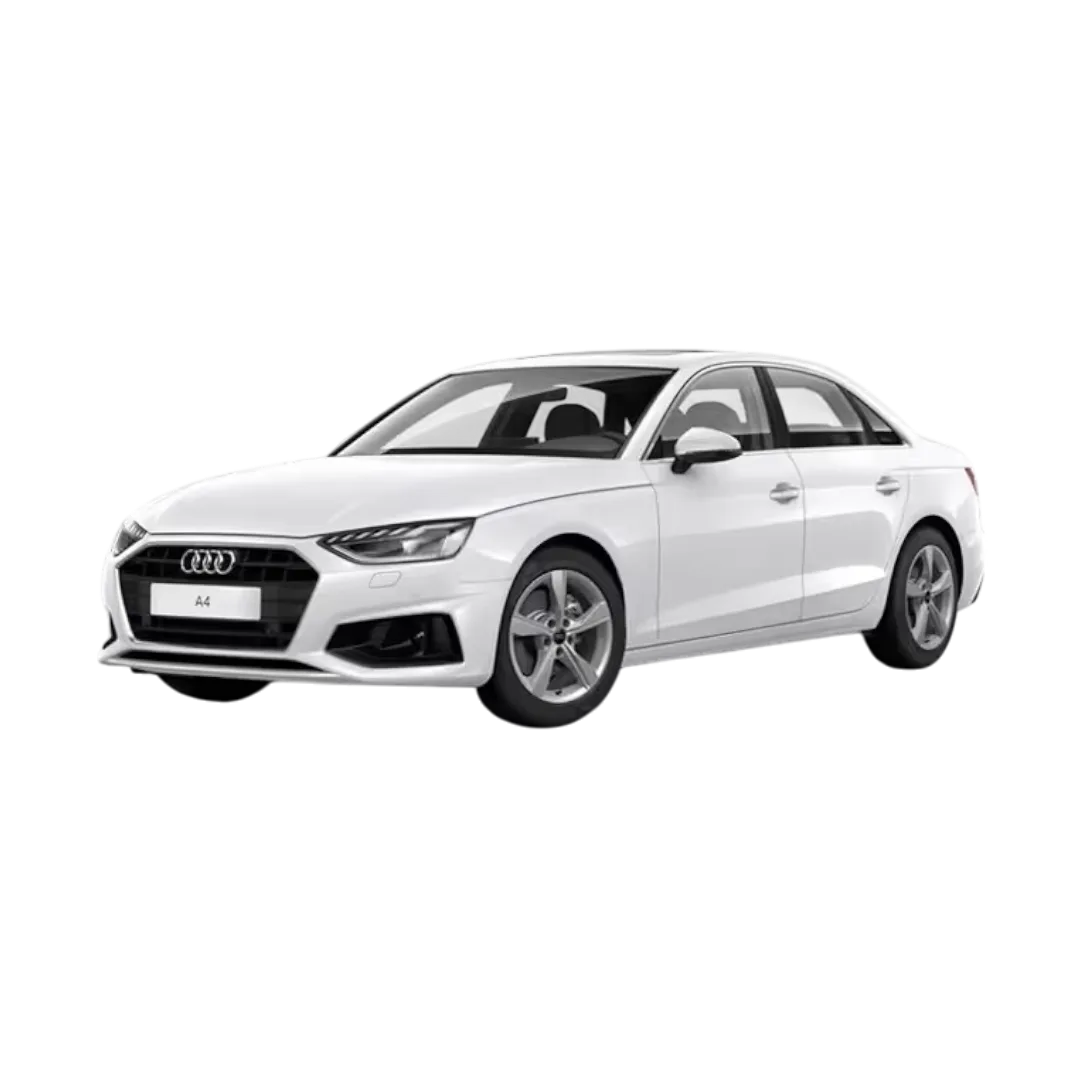 Audi A4
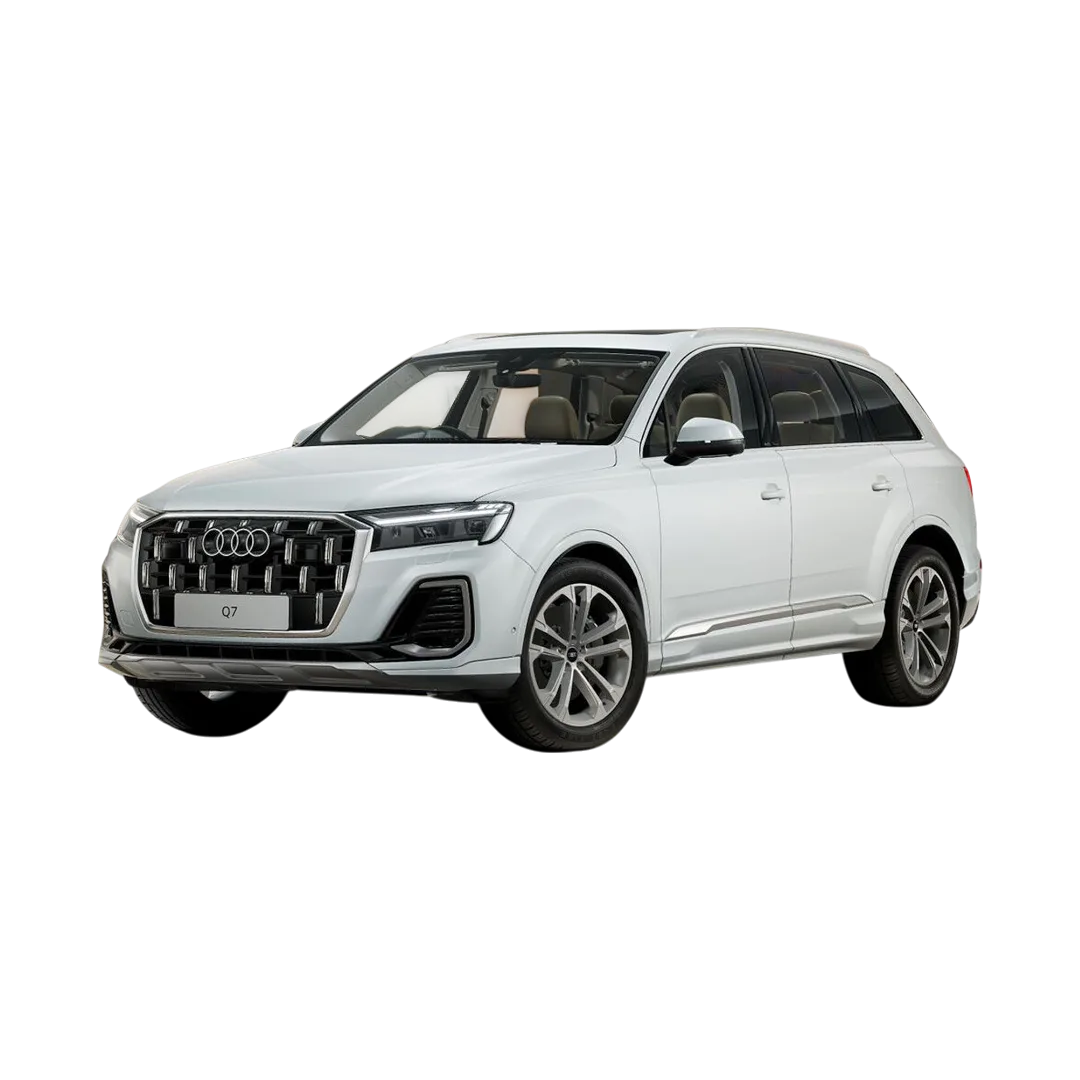 Audi Q7
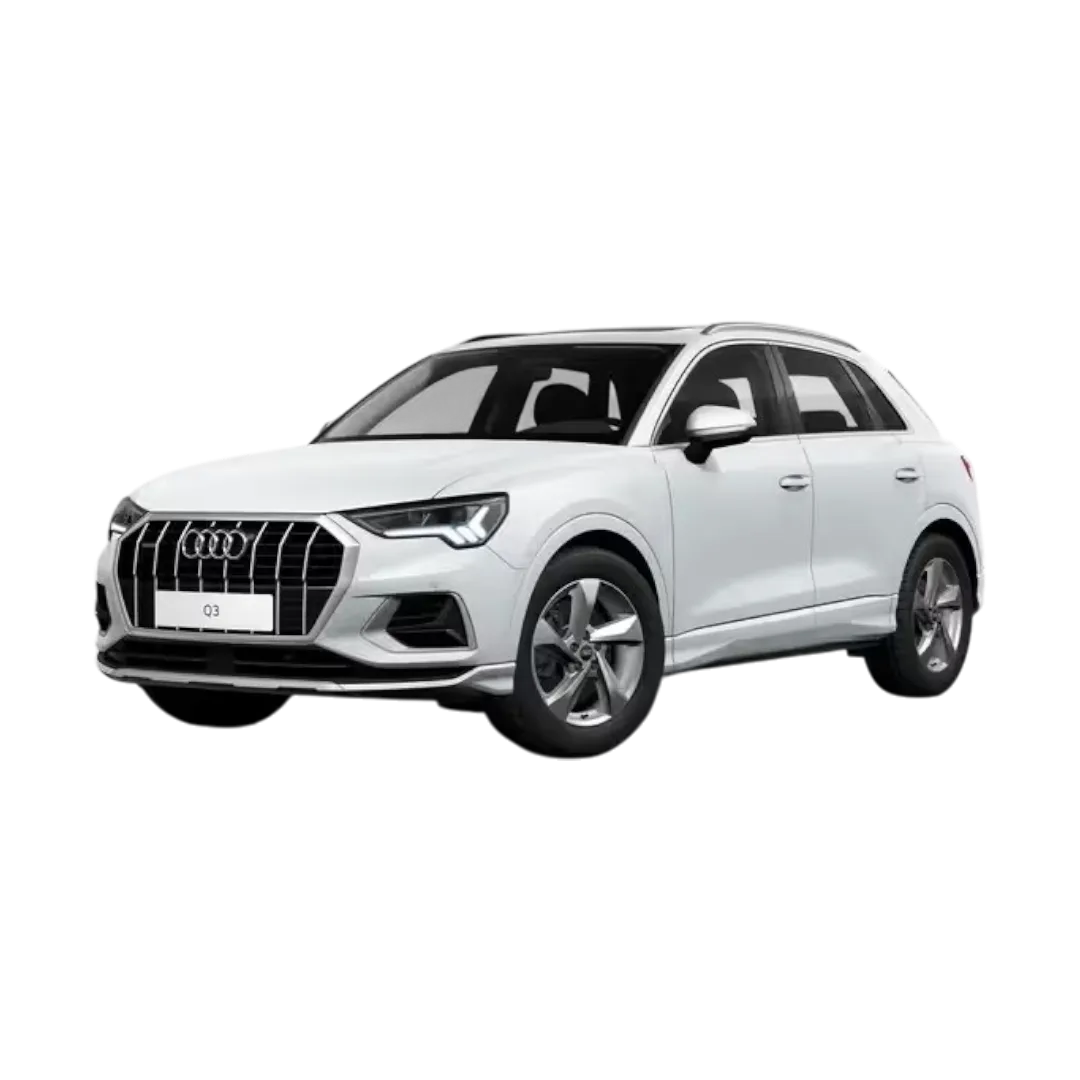 Audi Q3
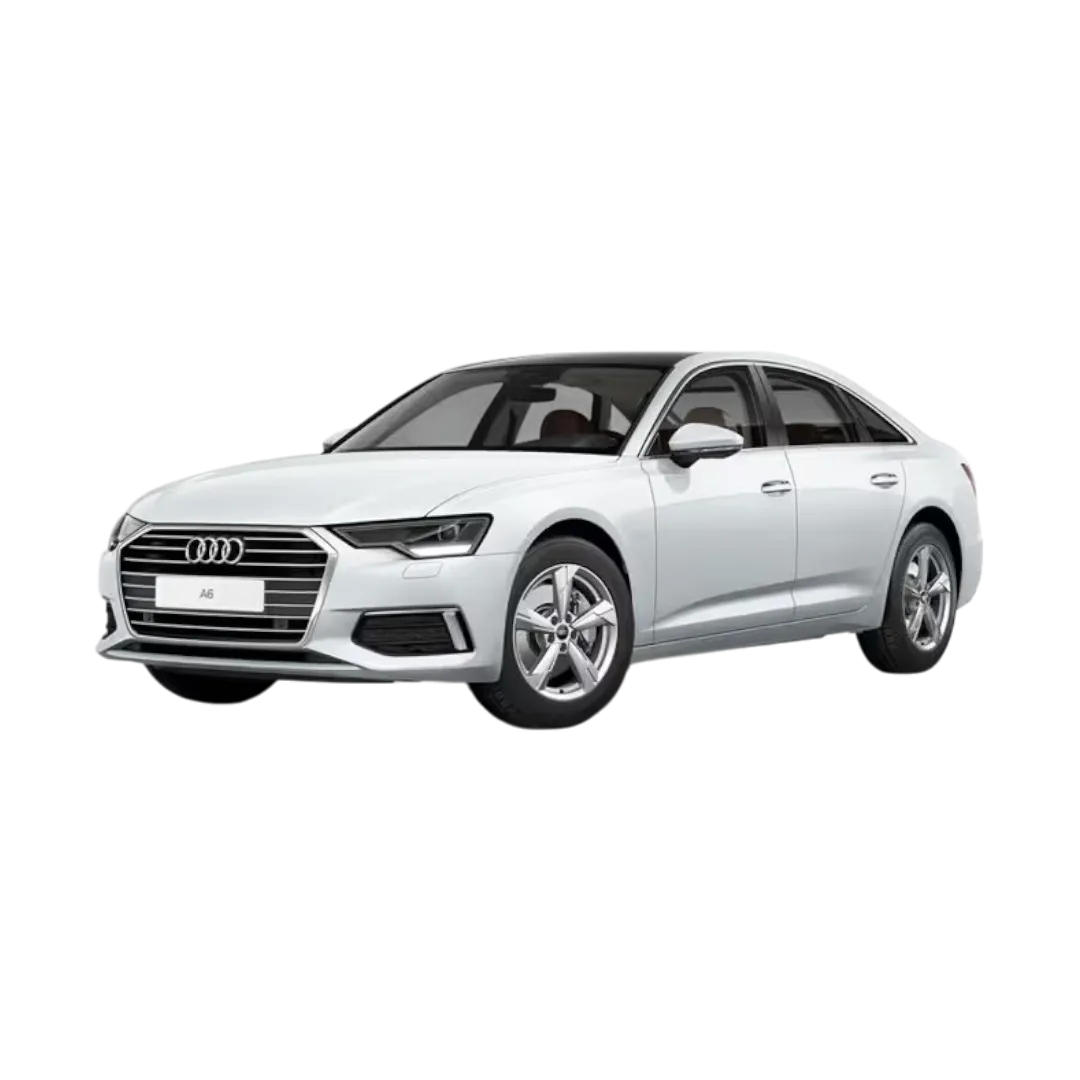 Audi A6
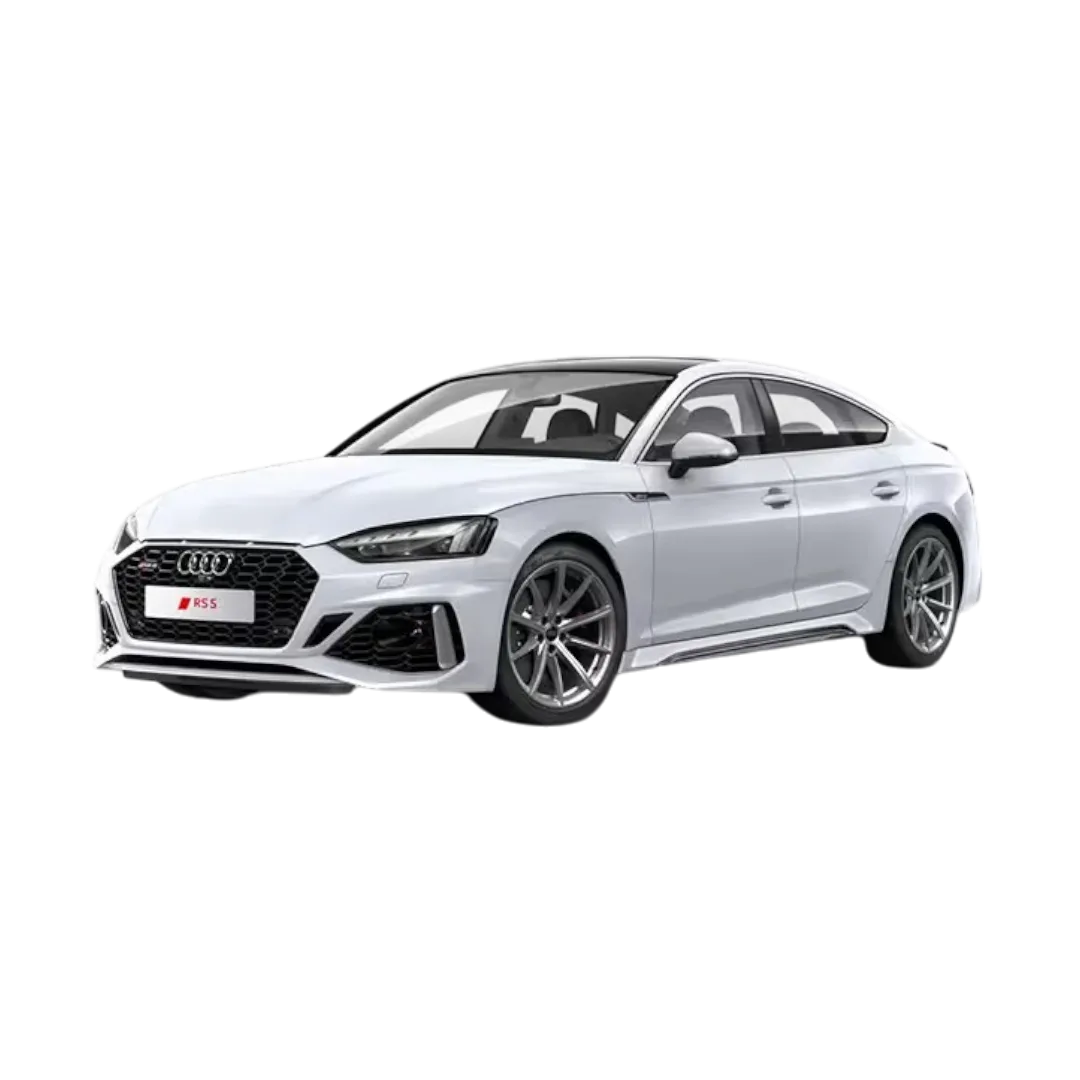 Audi RS5
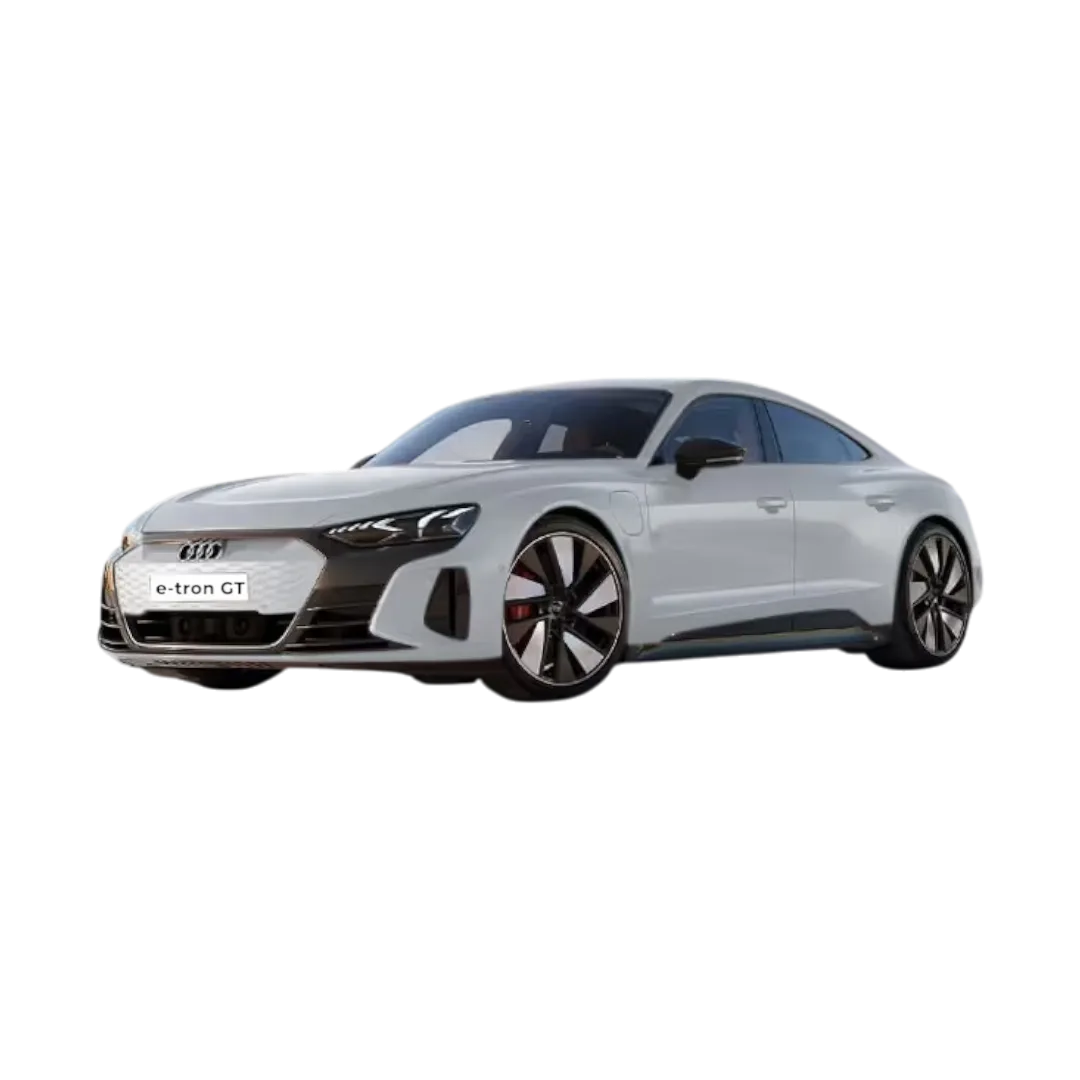 E-Tron GT
 Audi Q8
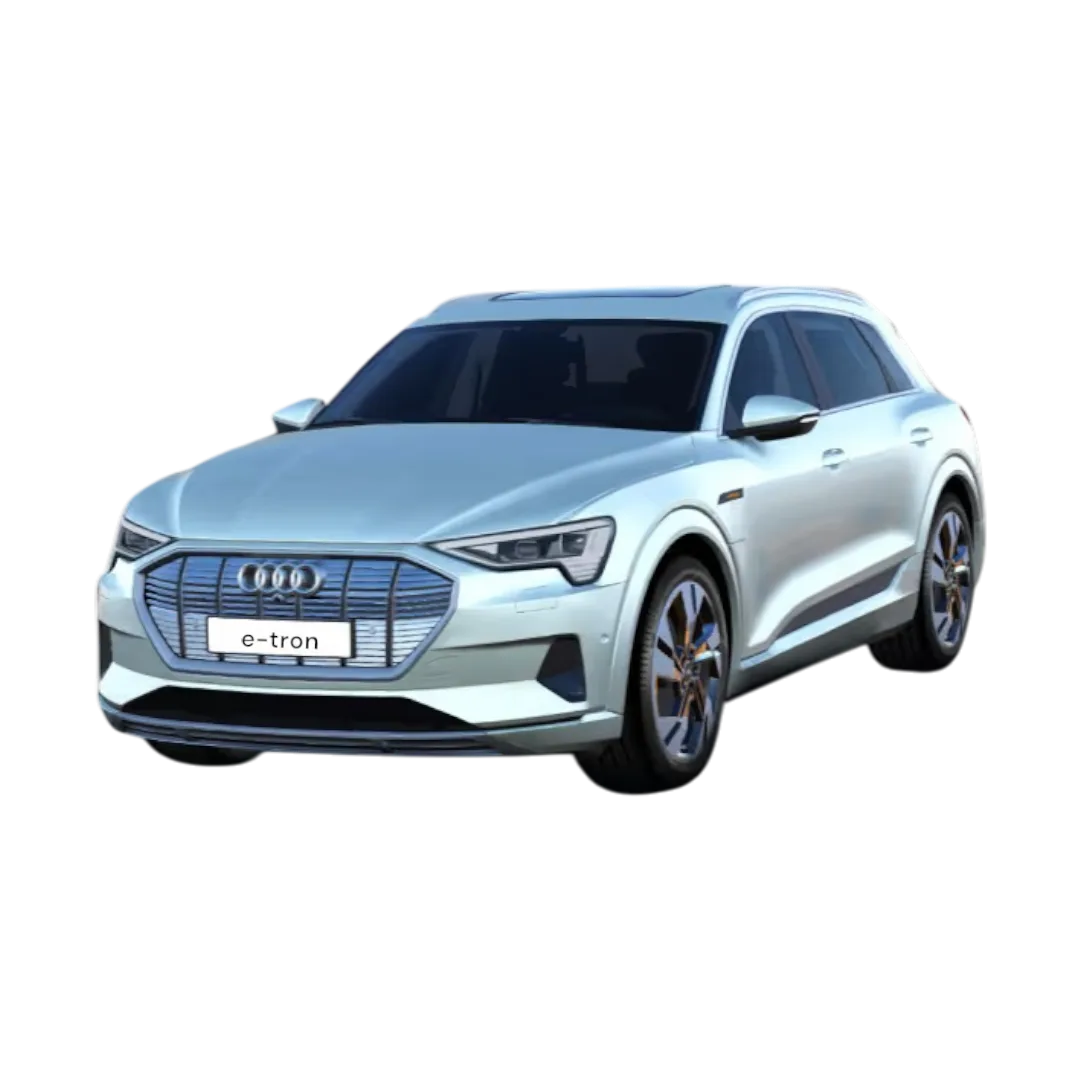 E-Tron
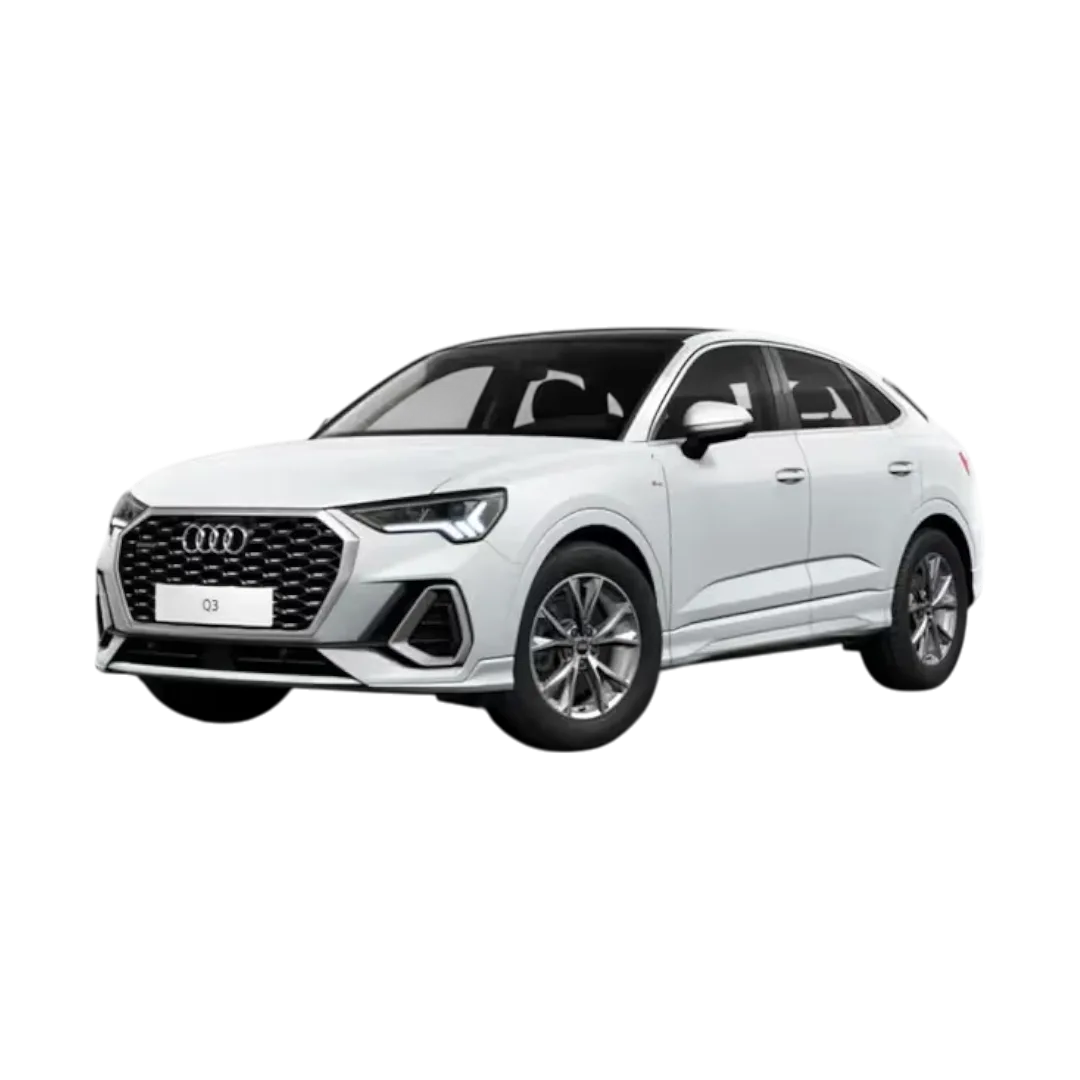 Q3 Sportback
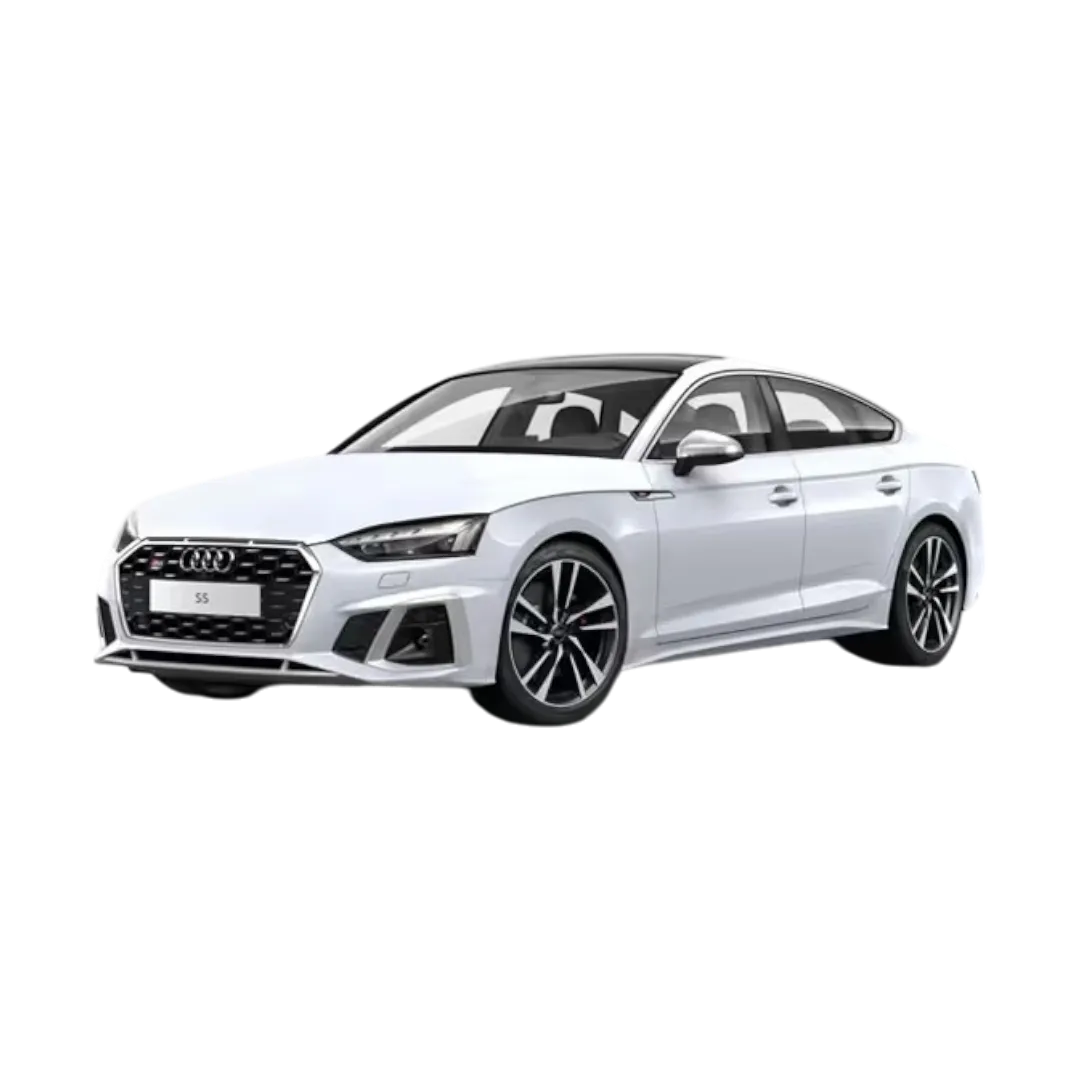 Audi S5 Sportback
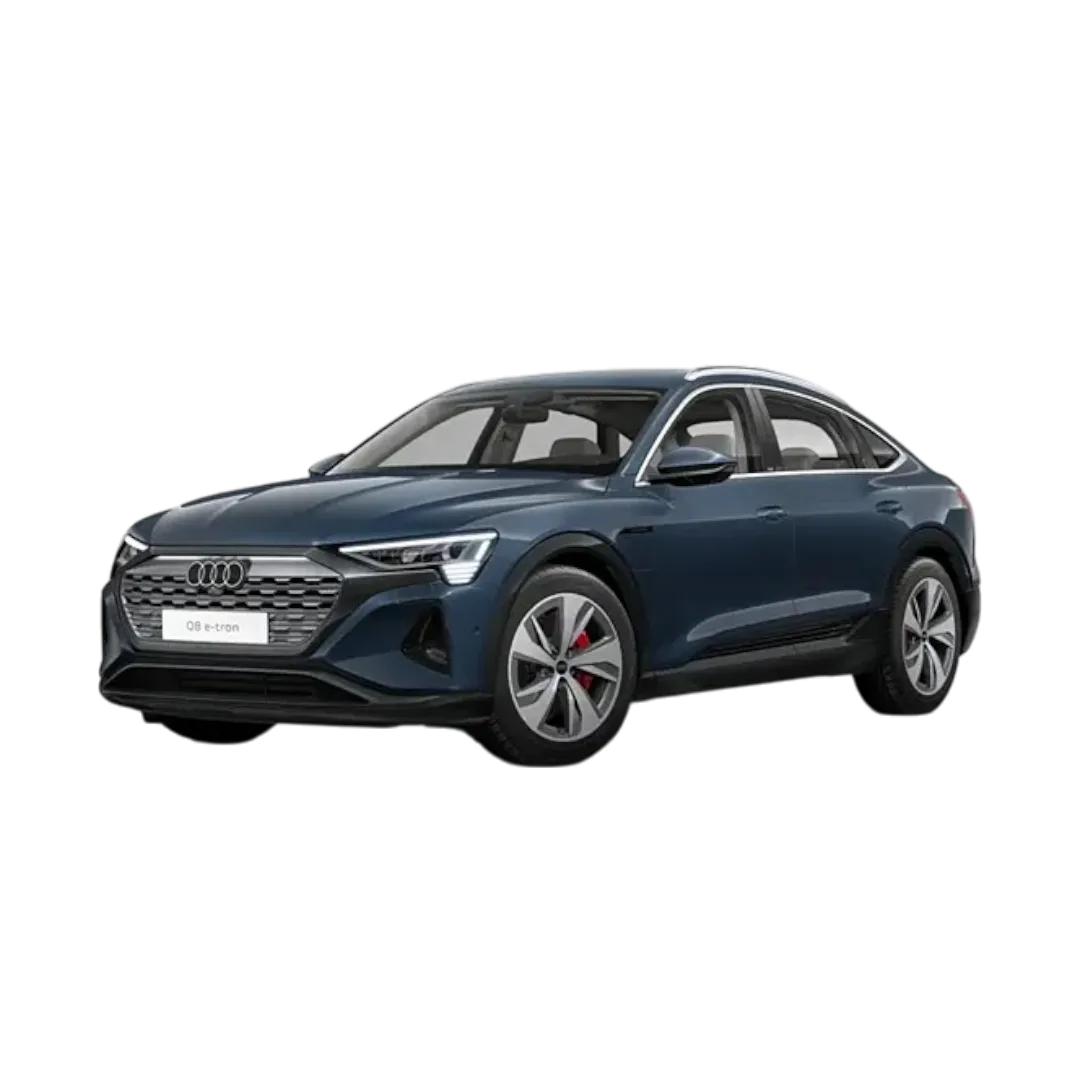 Q8 E-Tron
 Q8 E-Tron Sportback
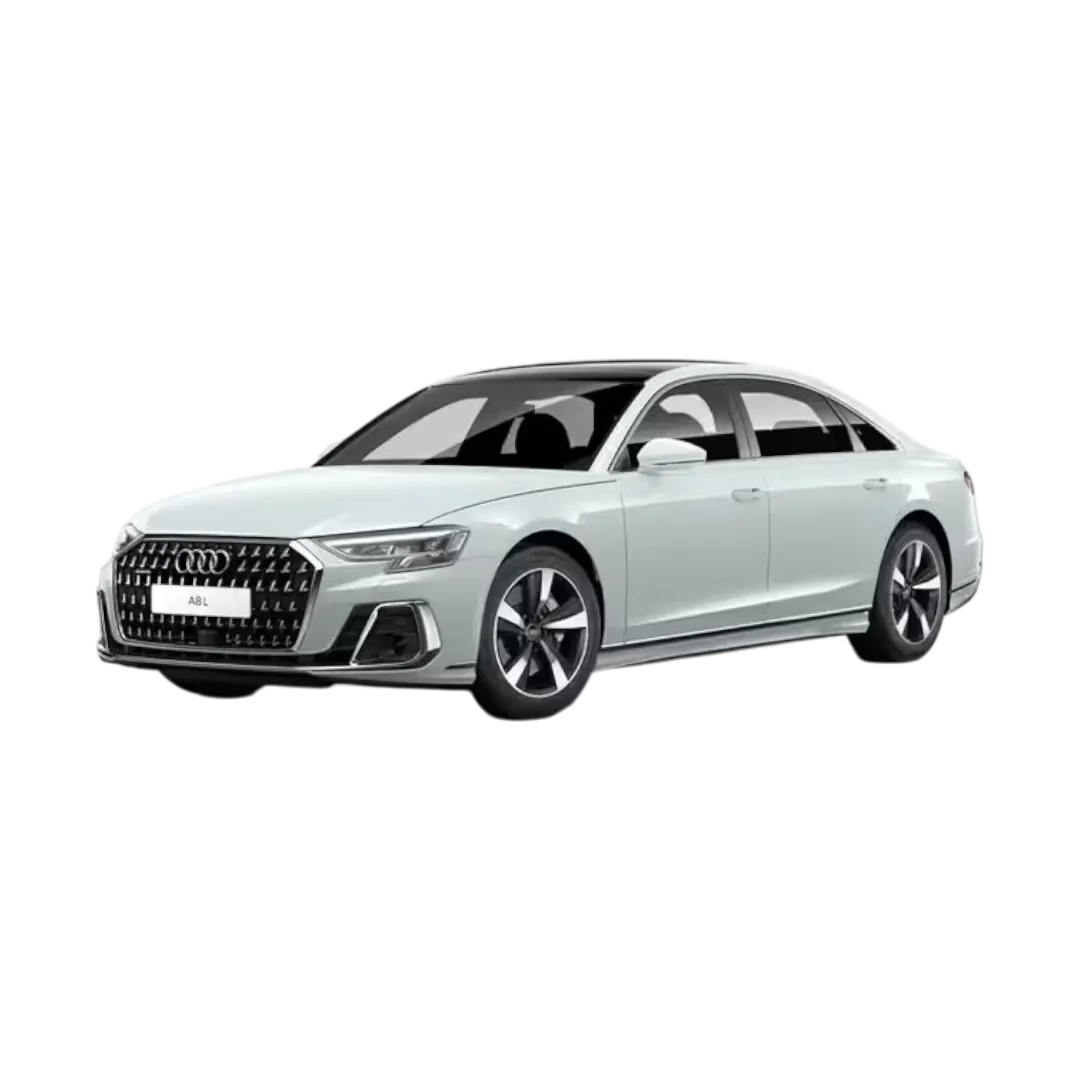 Audi A8L
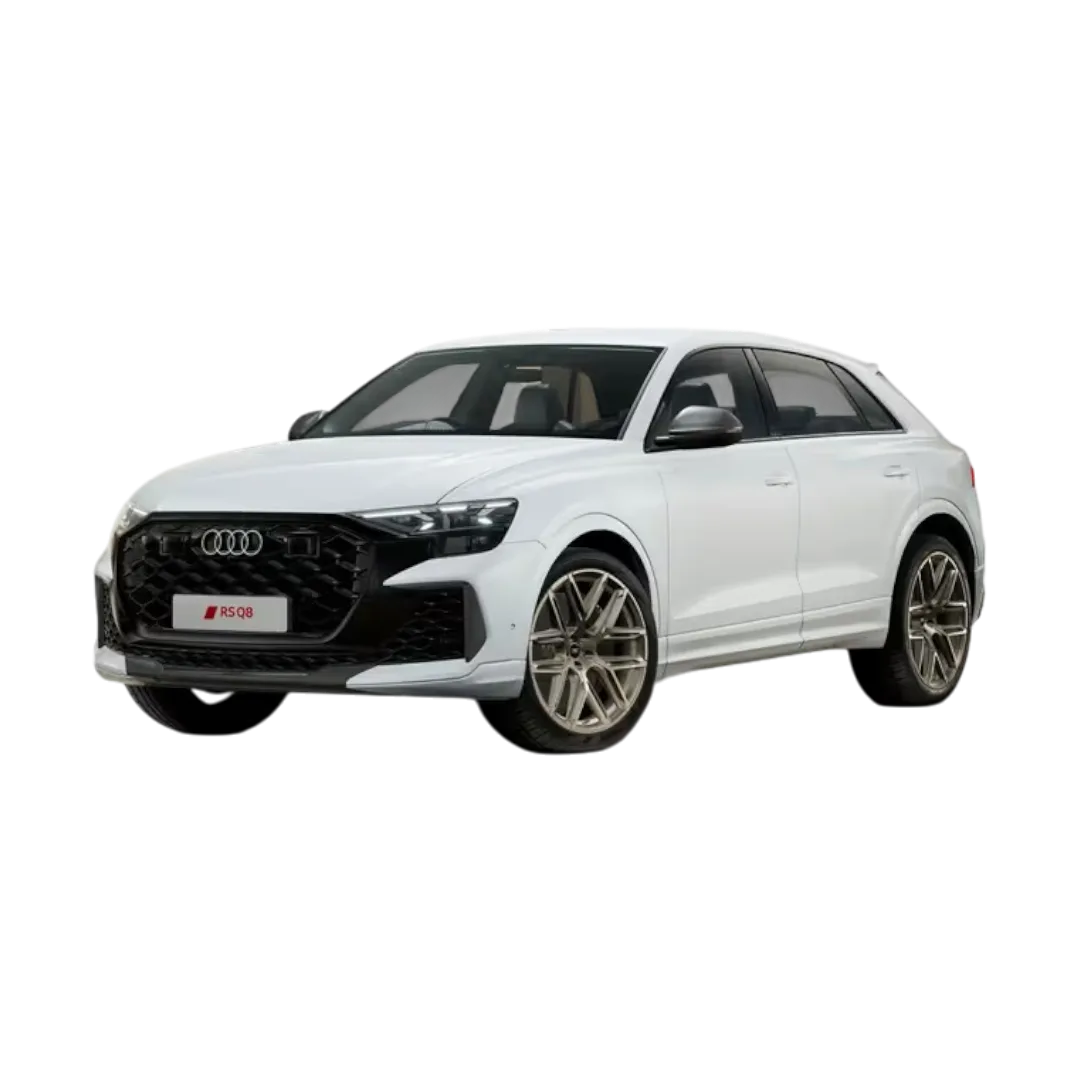 Audi RS Q8
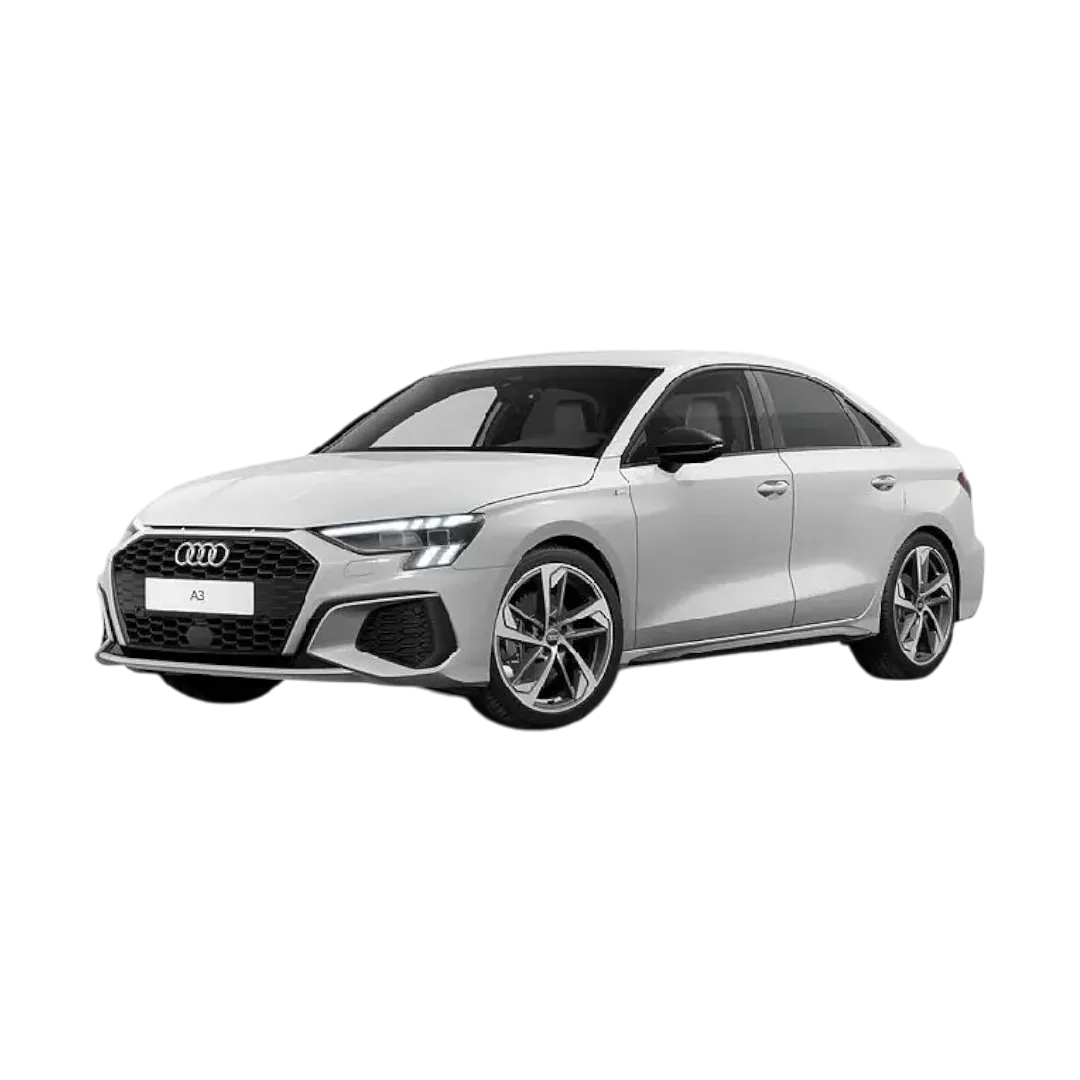 Audi A3
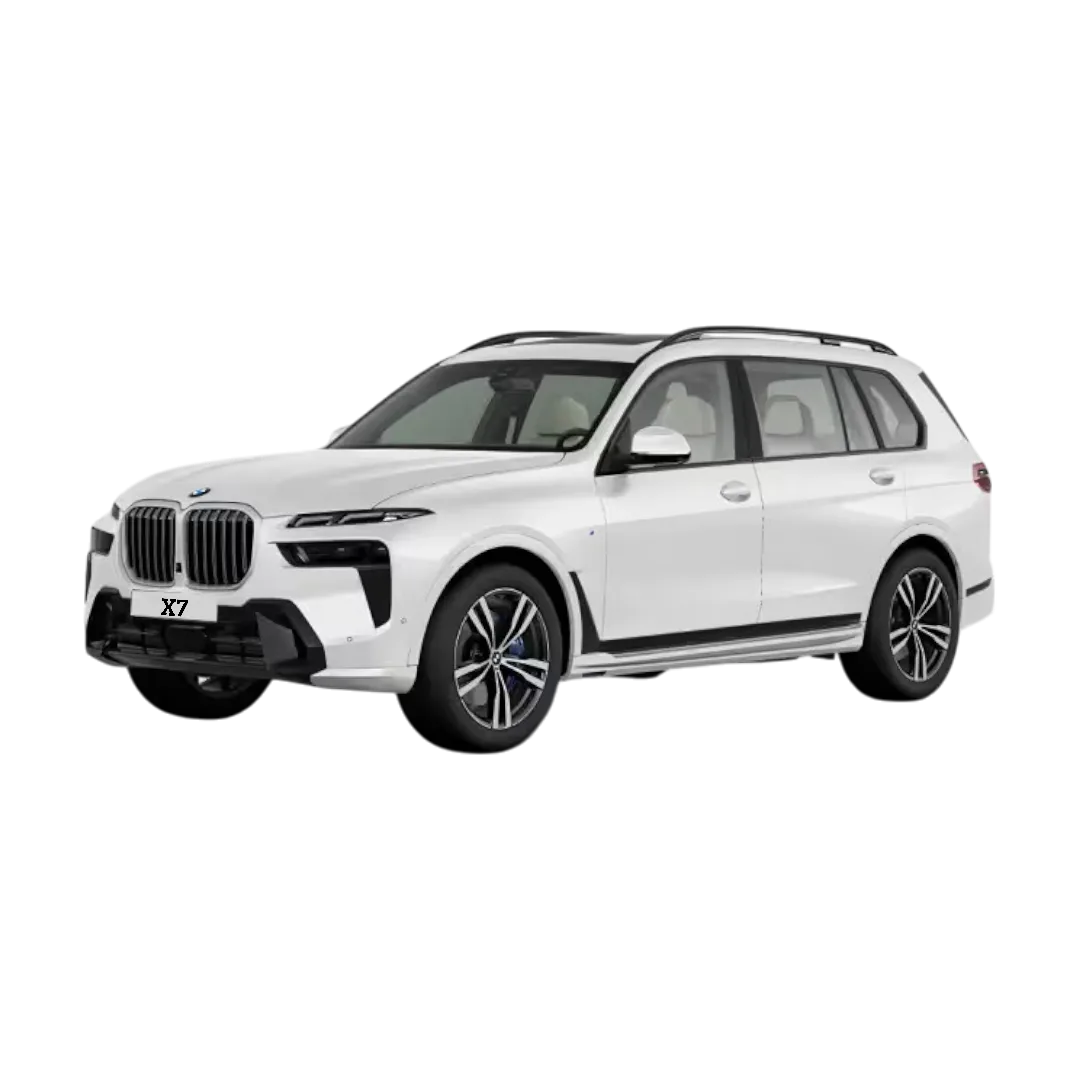 BMW X7
 BMW X1
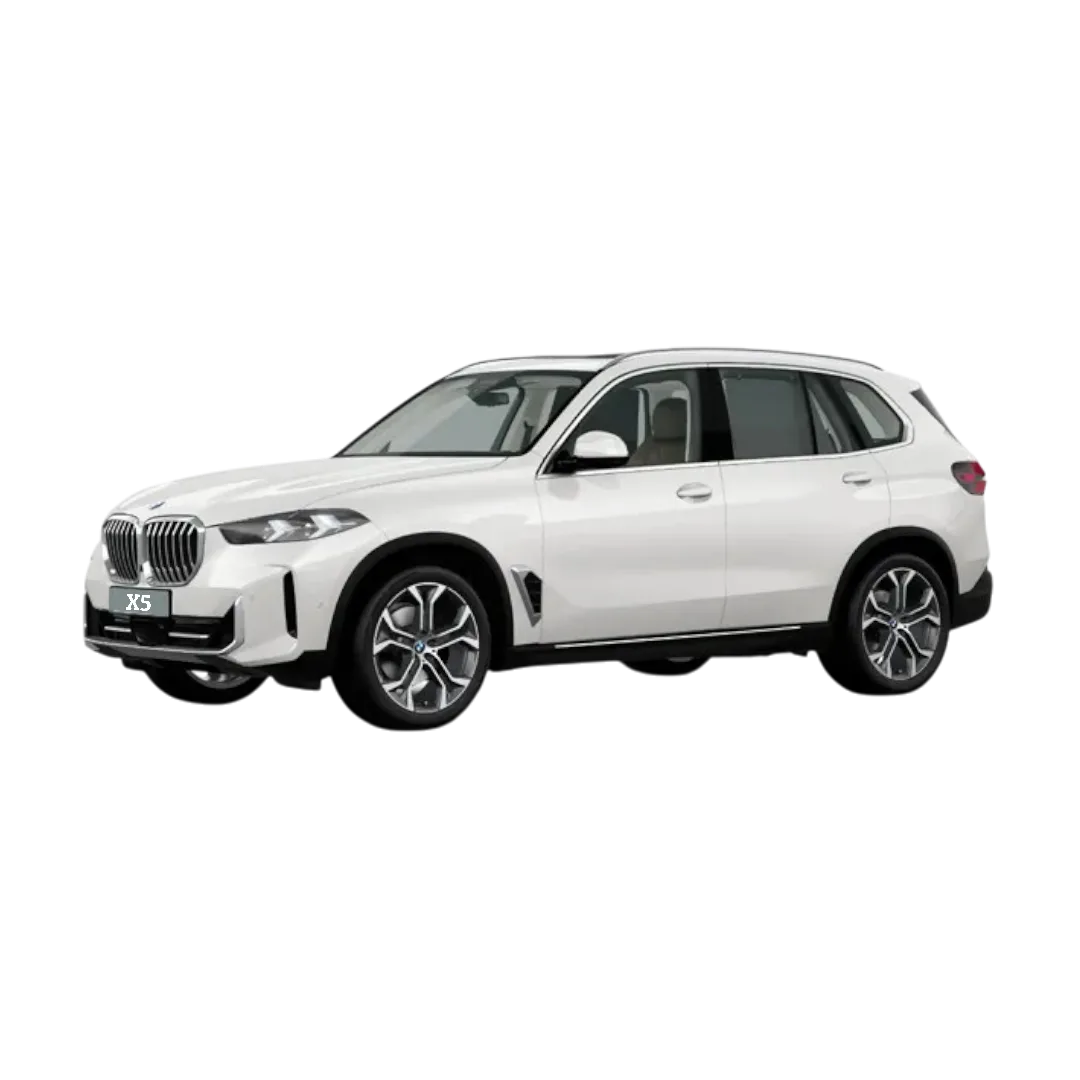 BMW X5
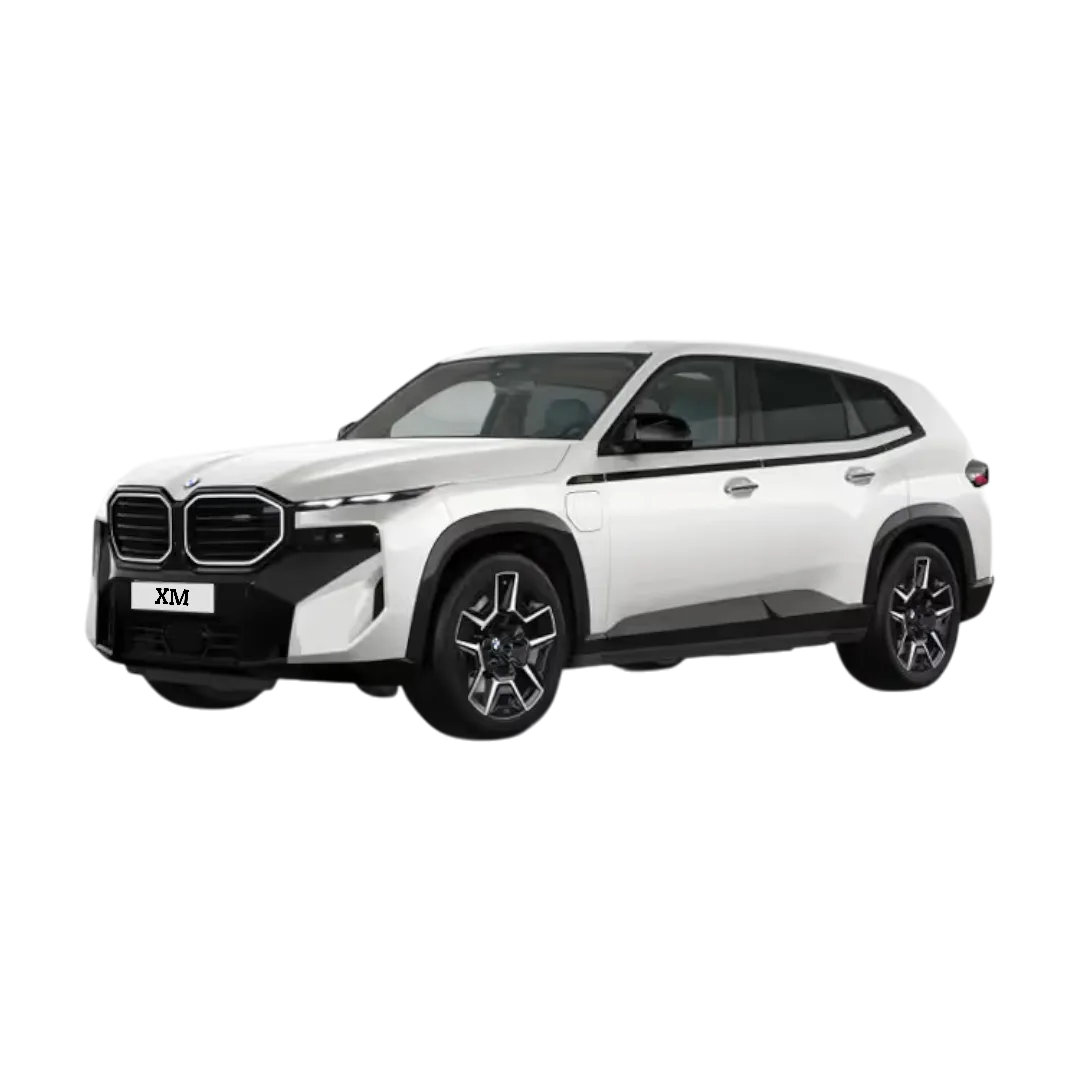 BMW XM
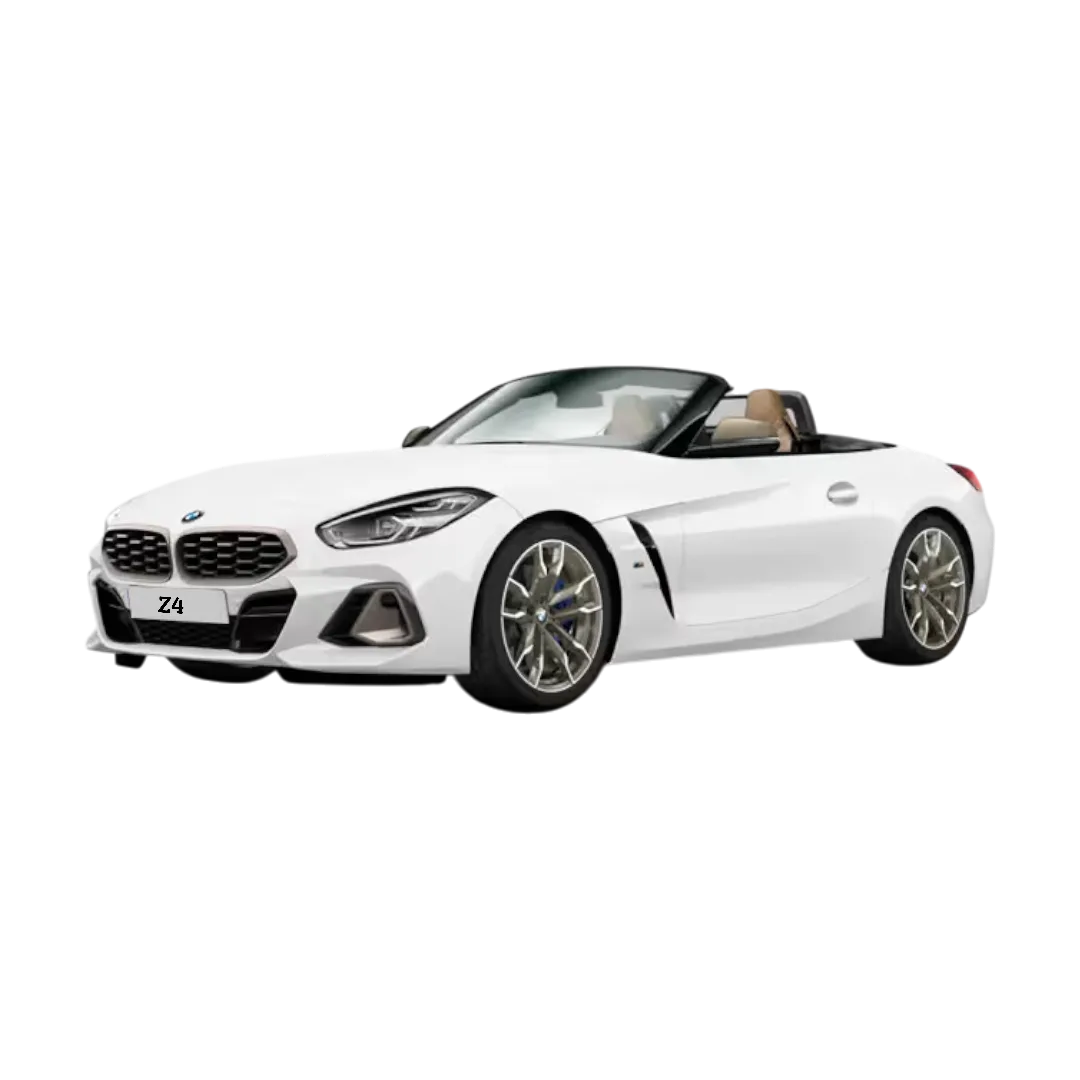 BMW Z4
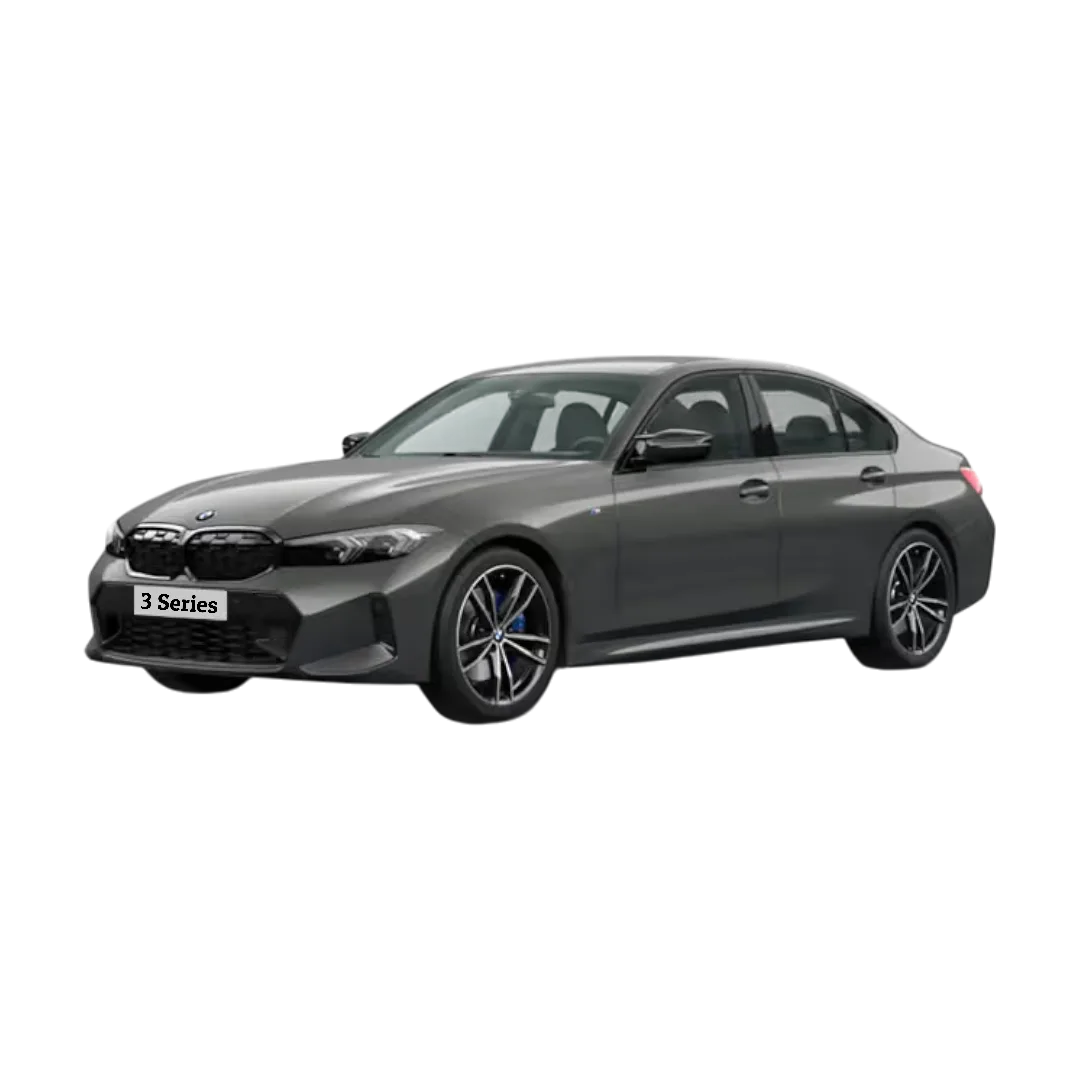 3 Series
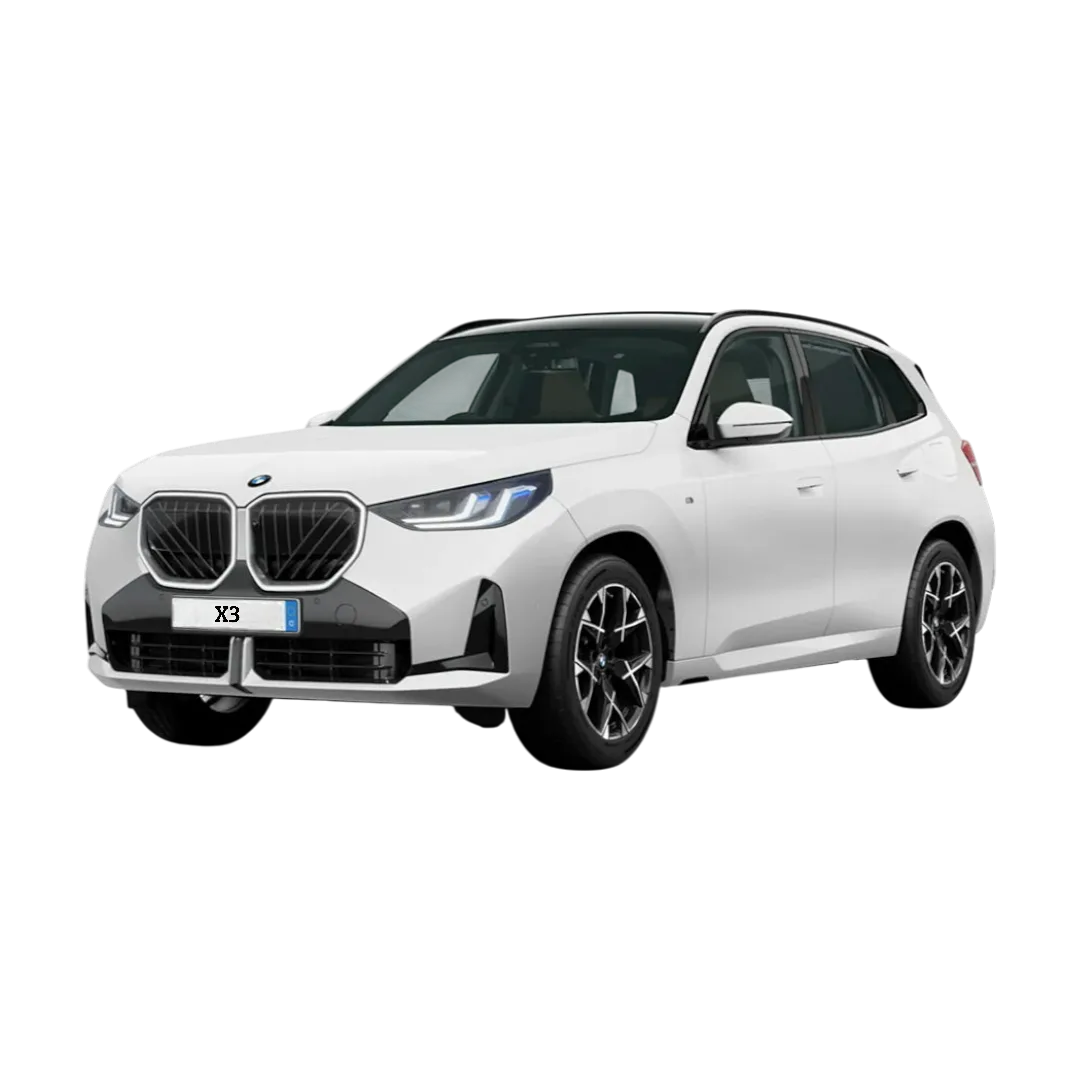 BMW X3
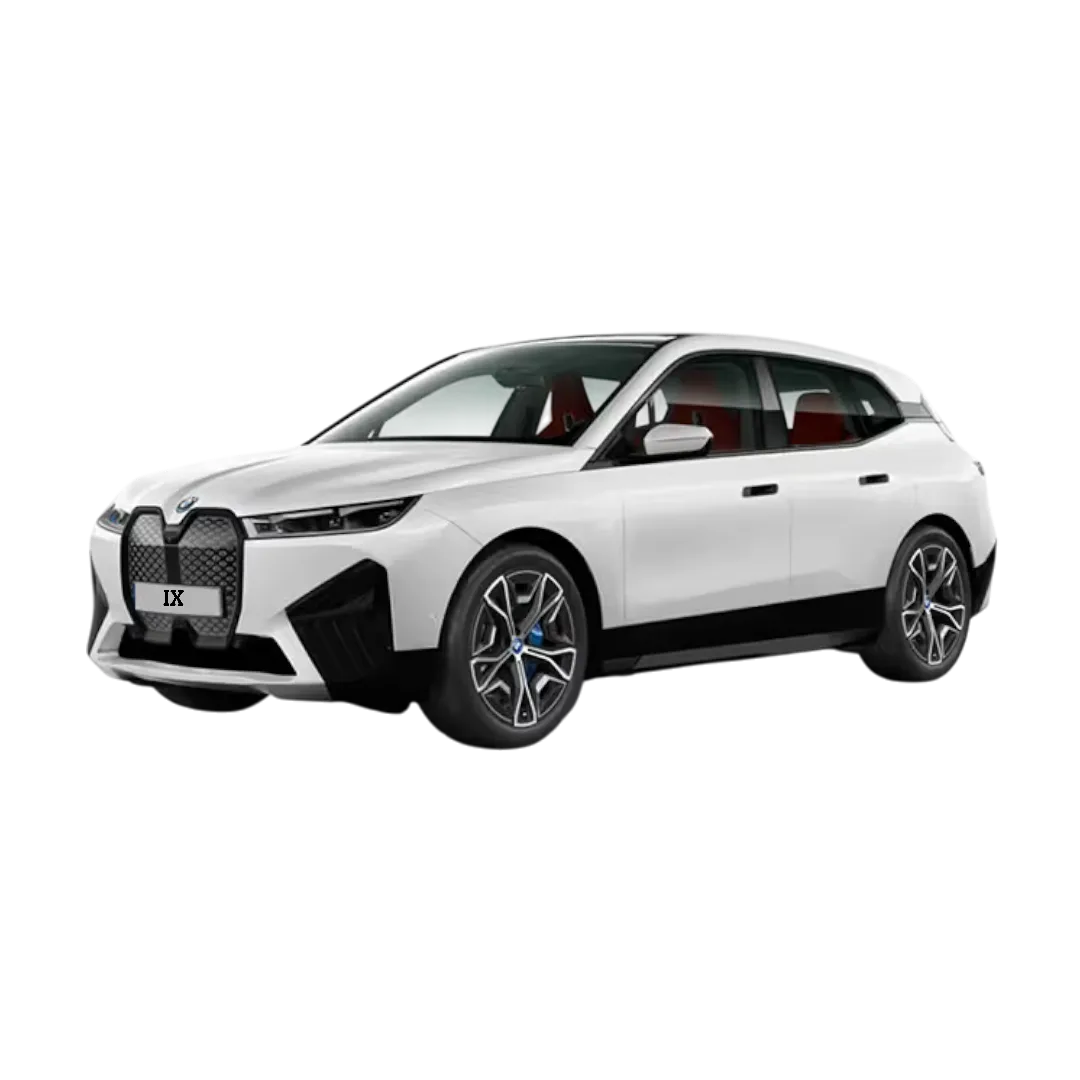 BMW iX
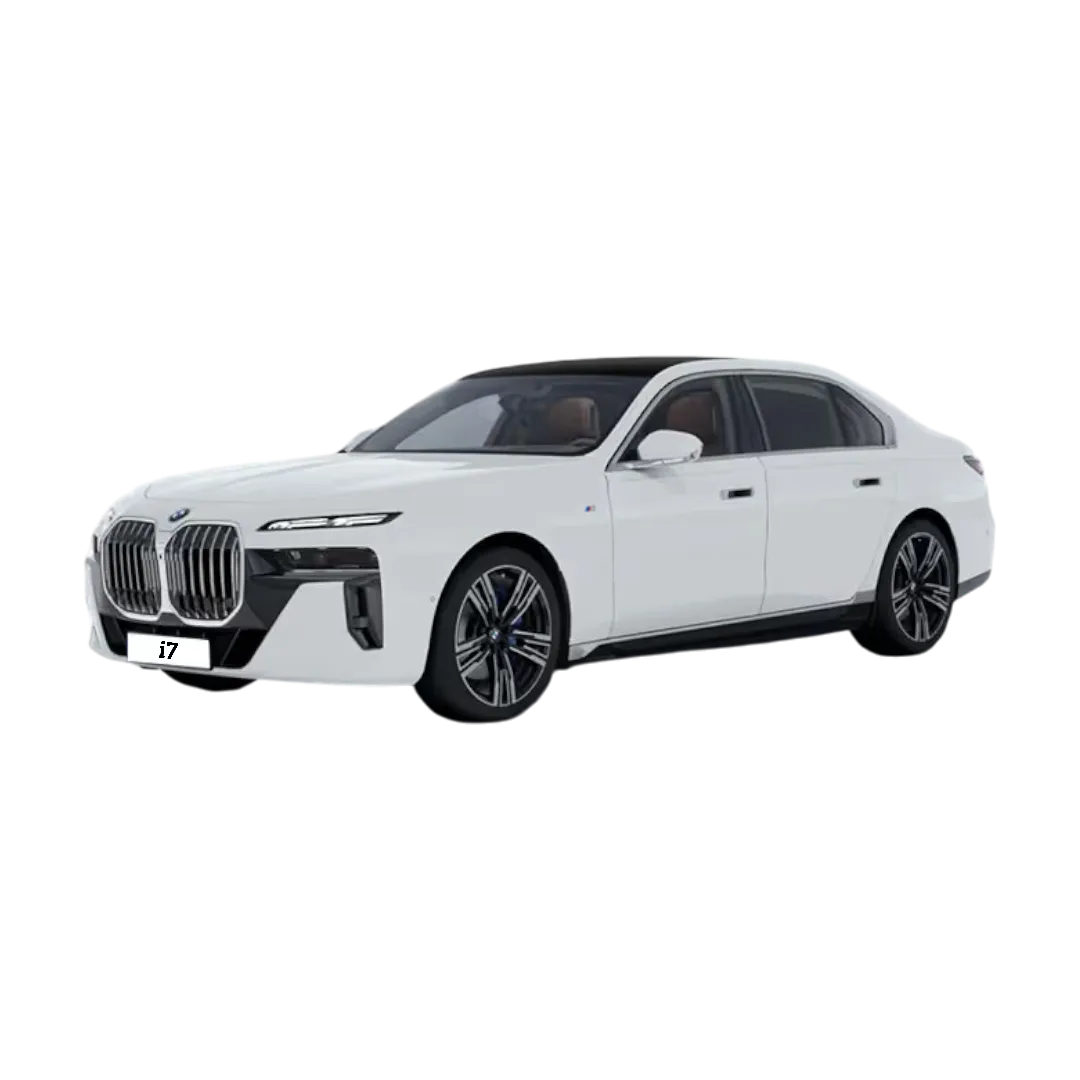 BMW i7
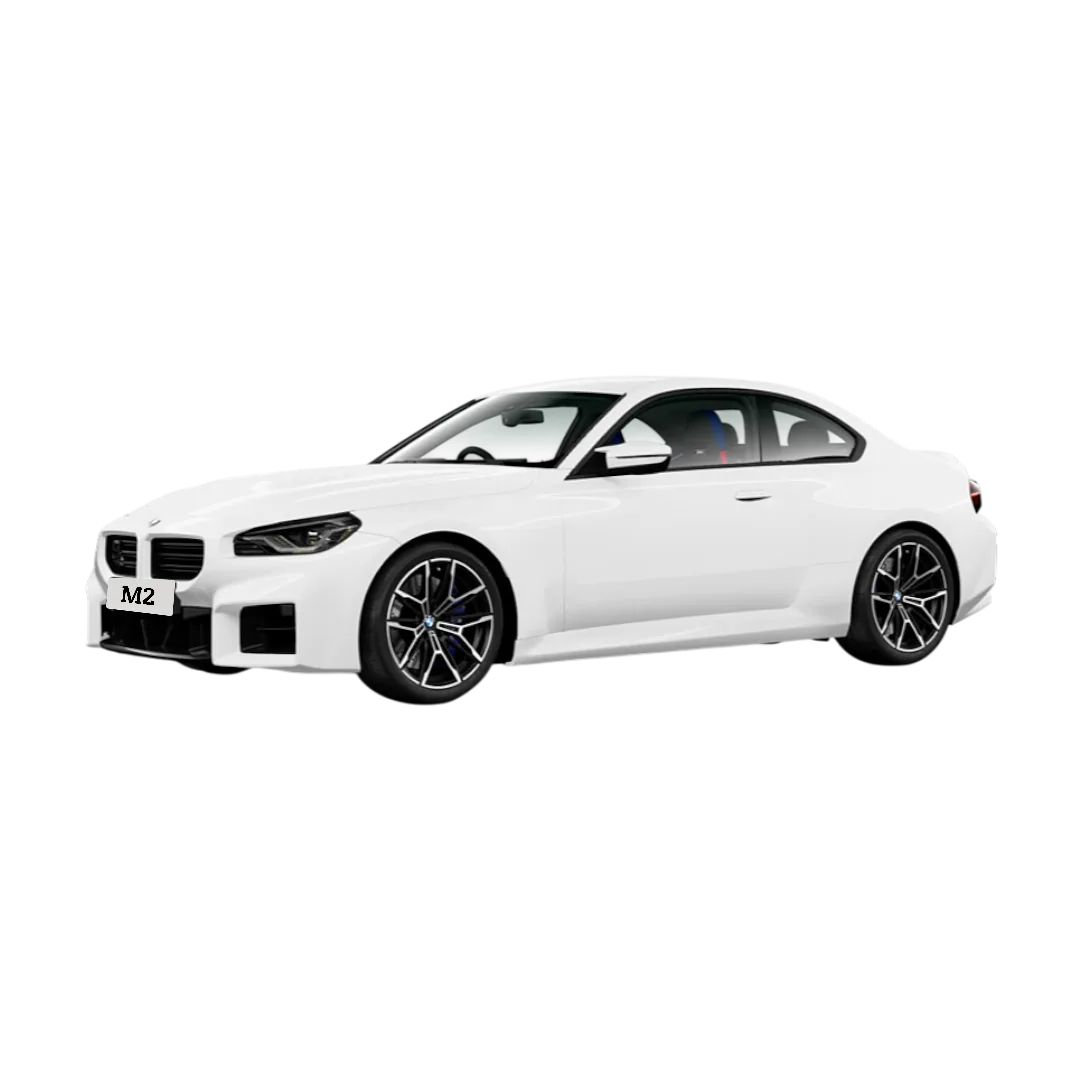 BMW M2
 7 Series
 2 Series
 BMW i4
 5 Series
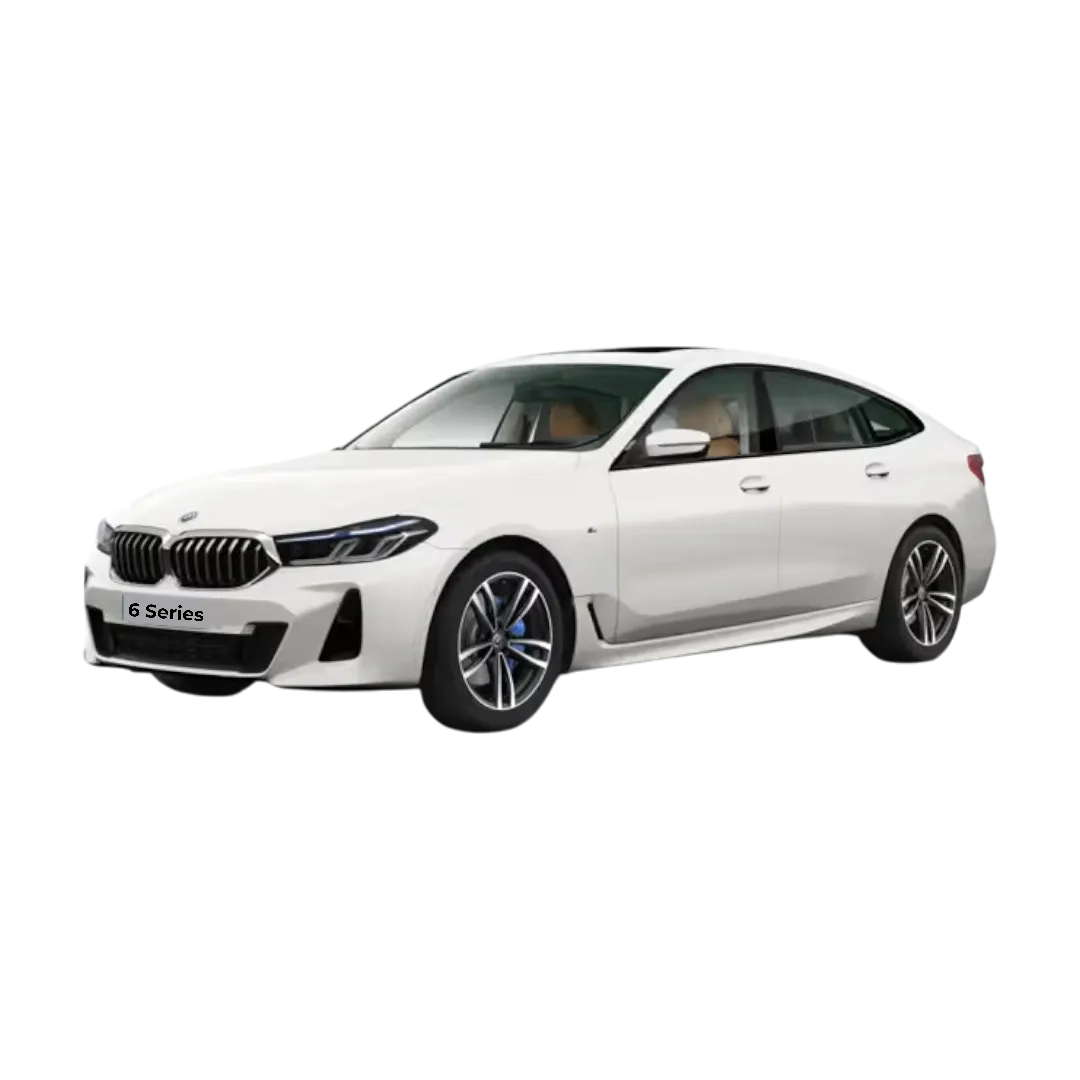 6 Series
 BMW ix1
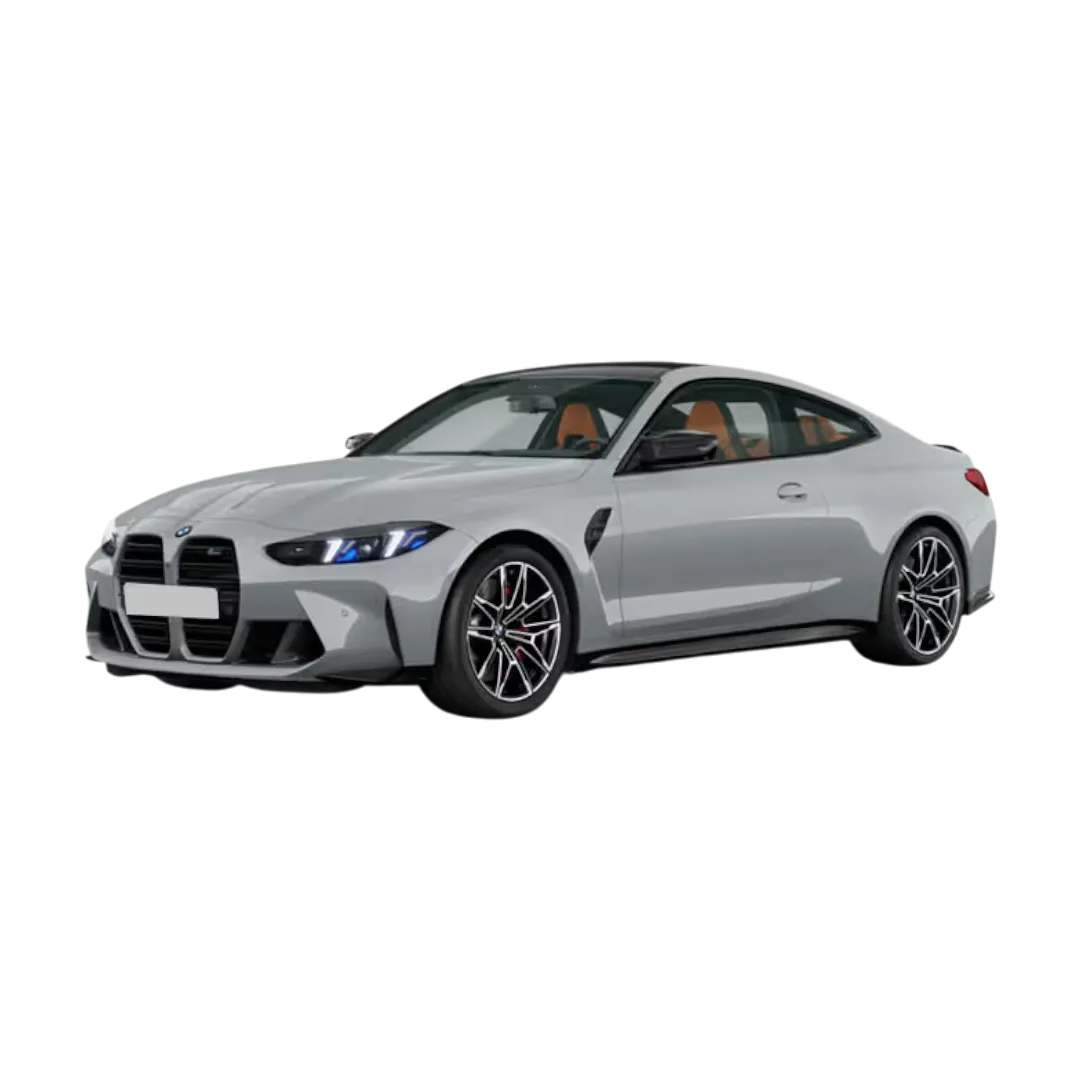 M4 Competition
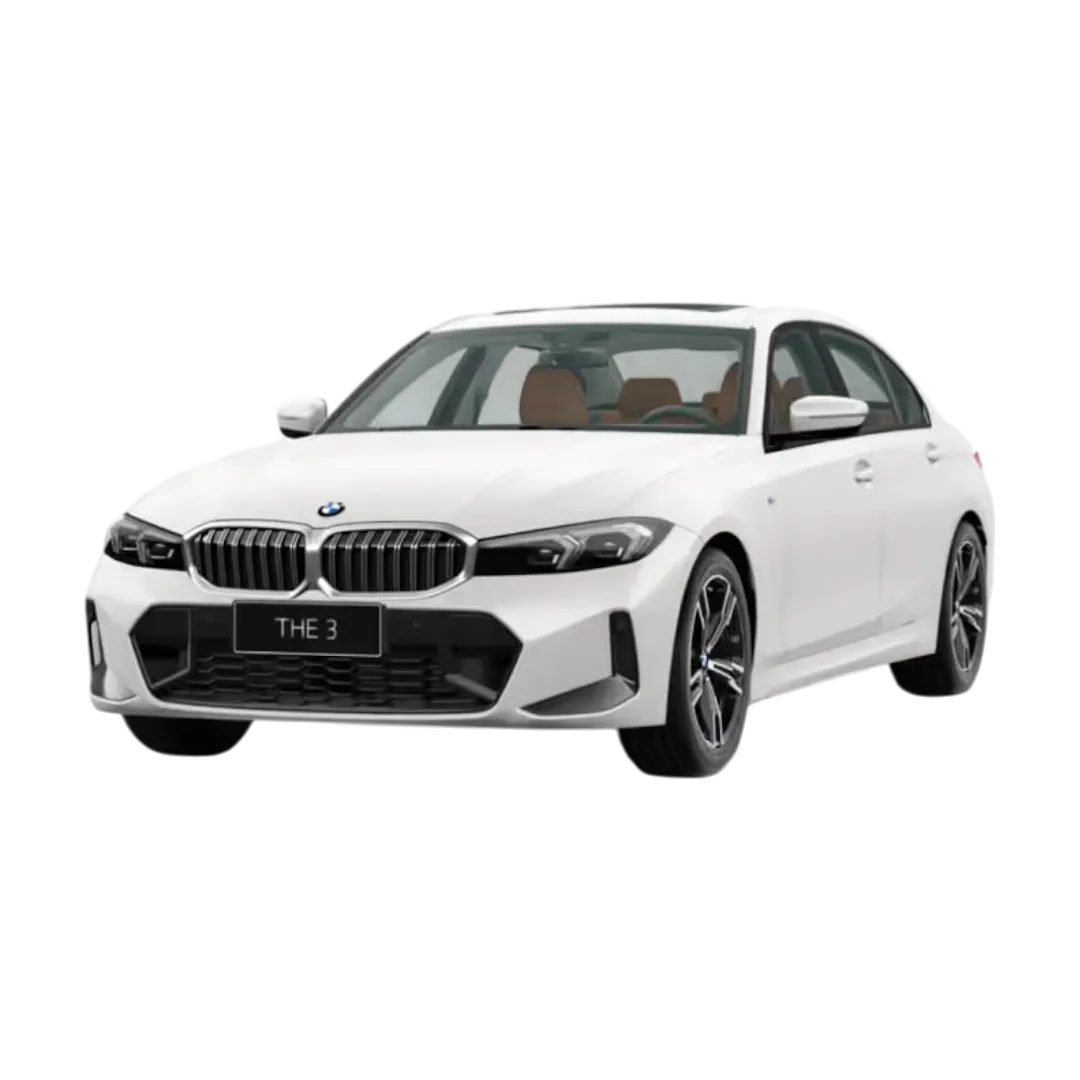 3 Series Gran Limousine
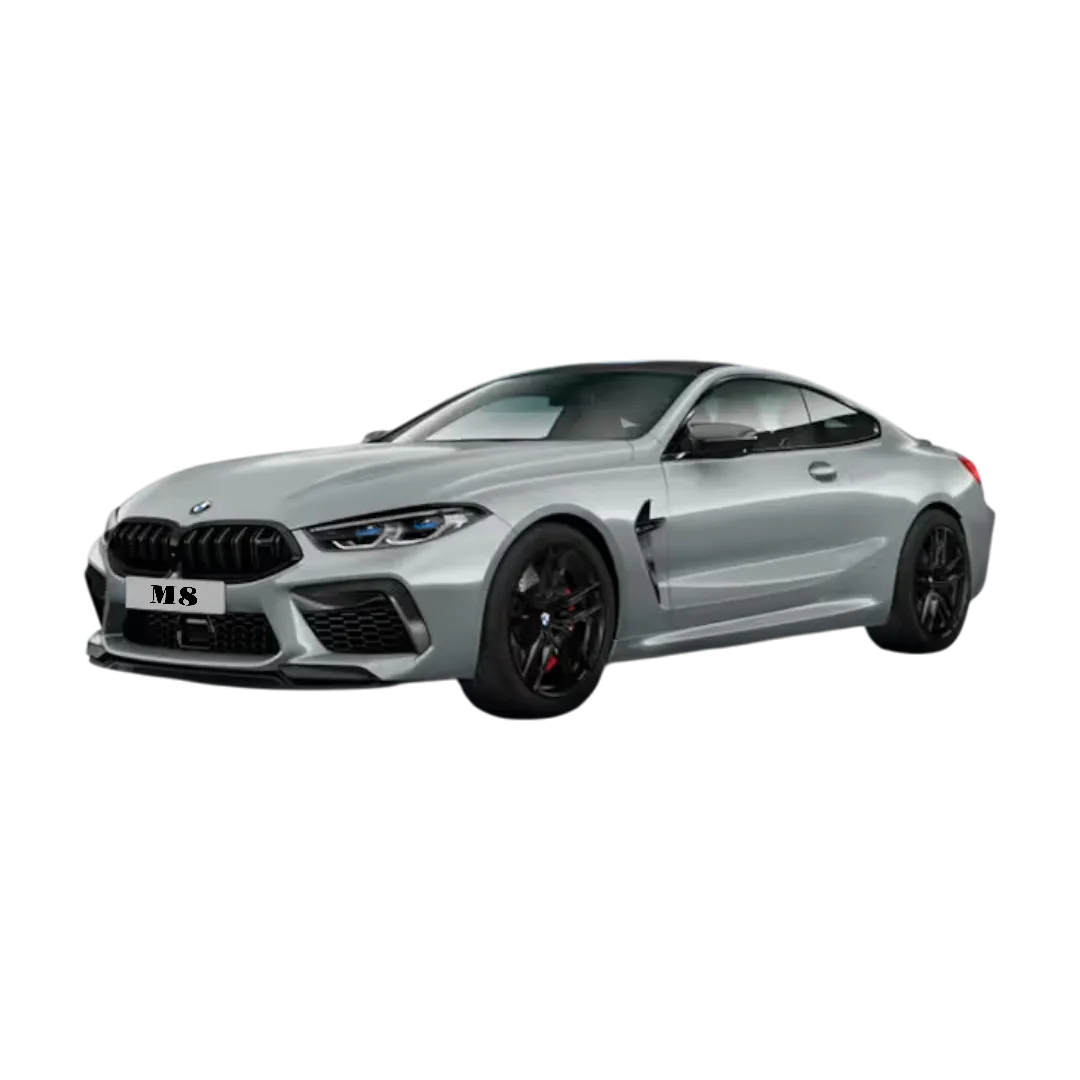 M8 Coupe
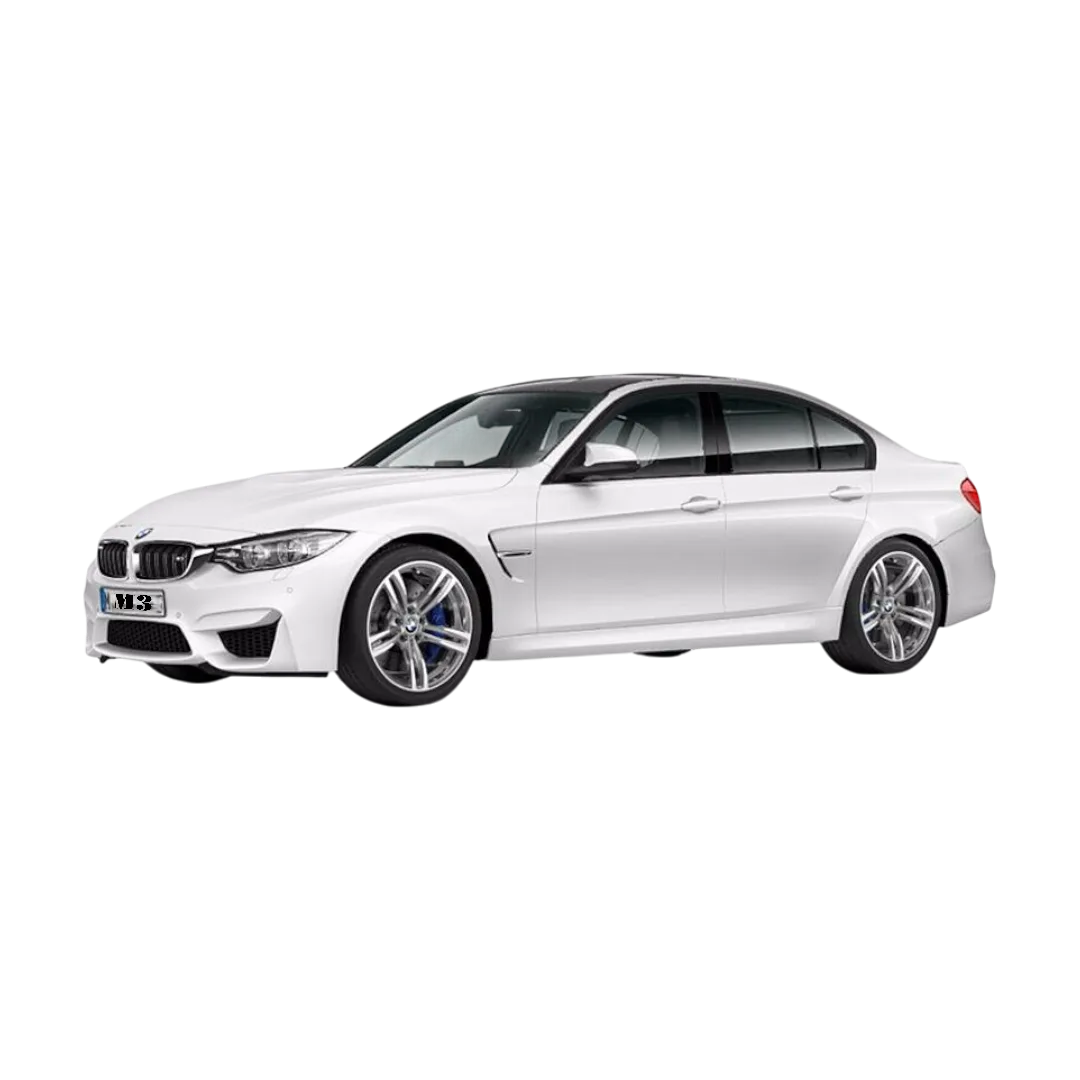 BMW M3
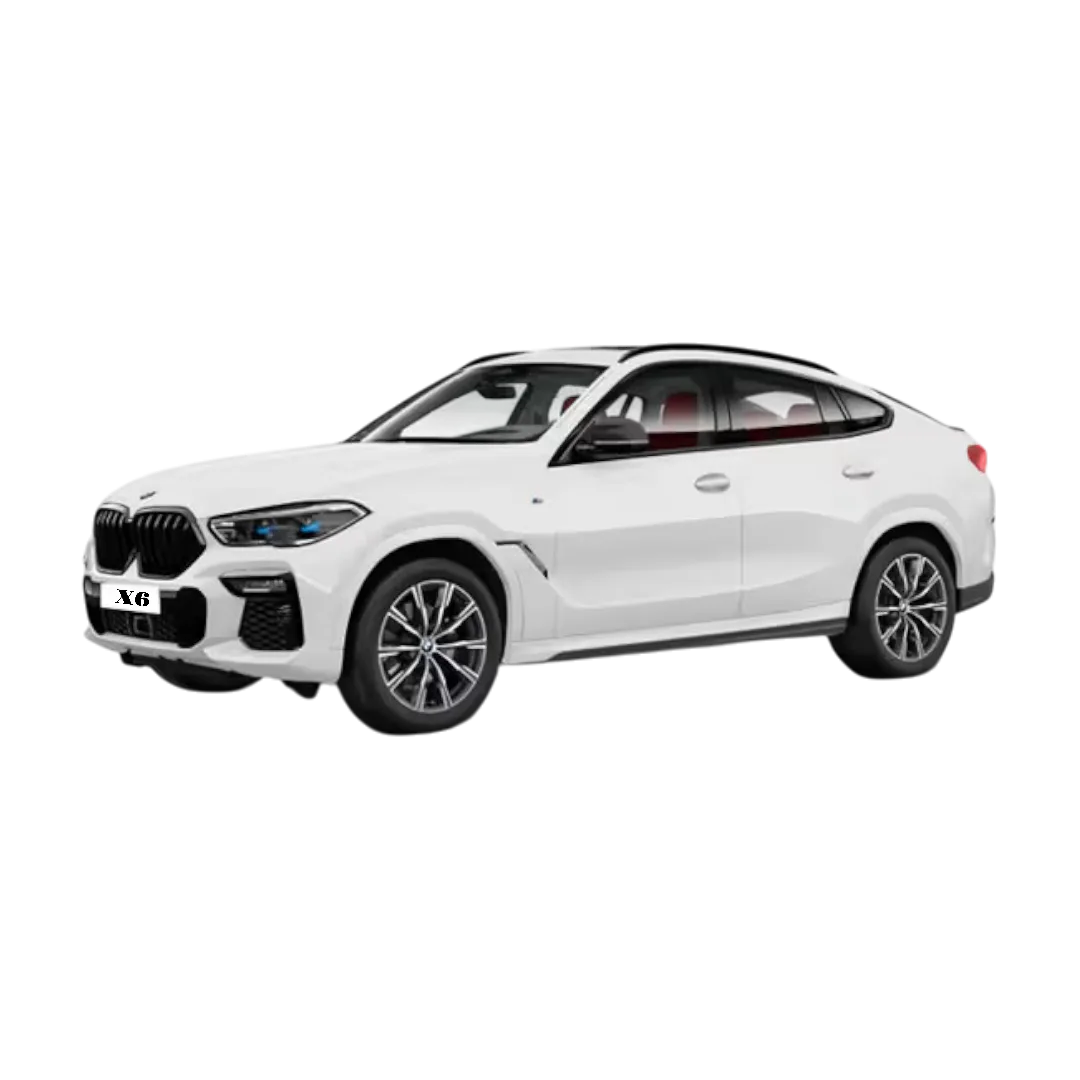 BMW X6
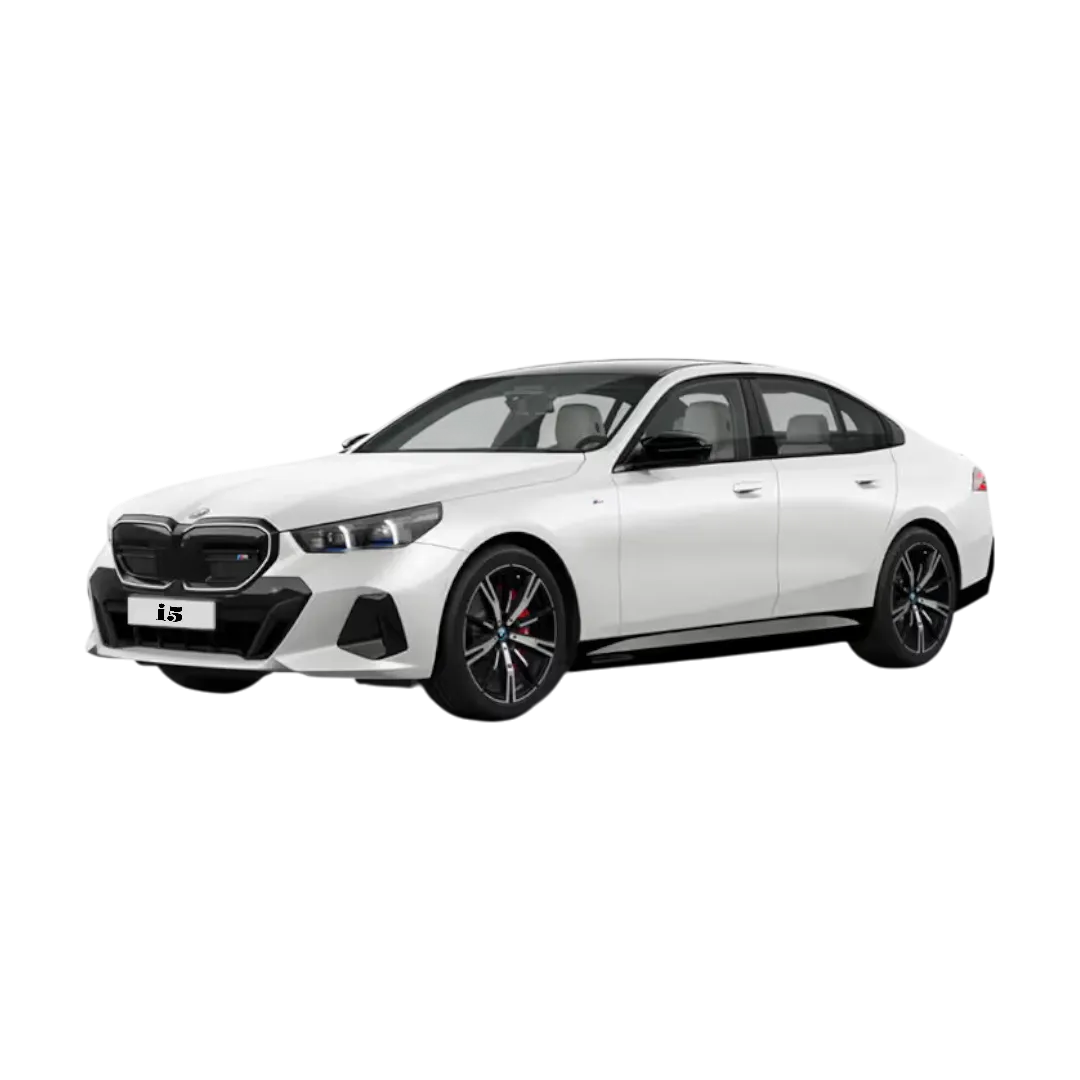 BMW i5
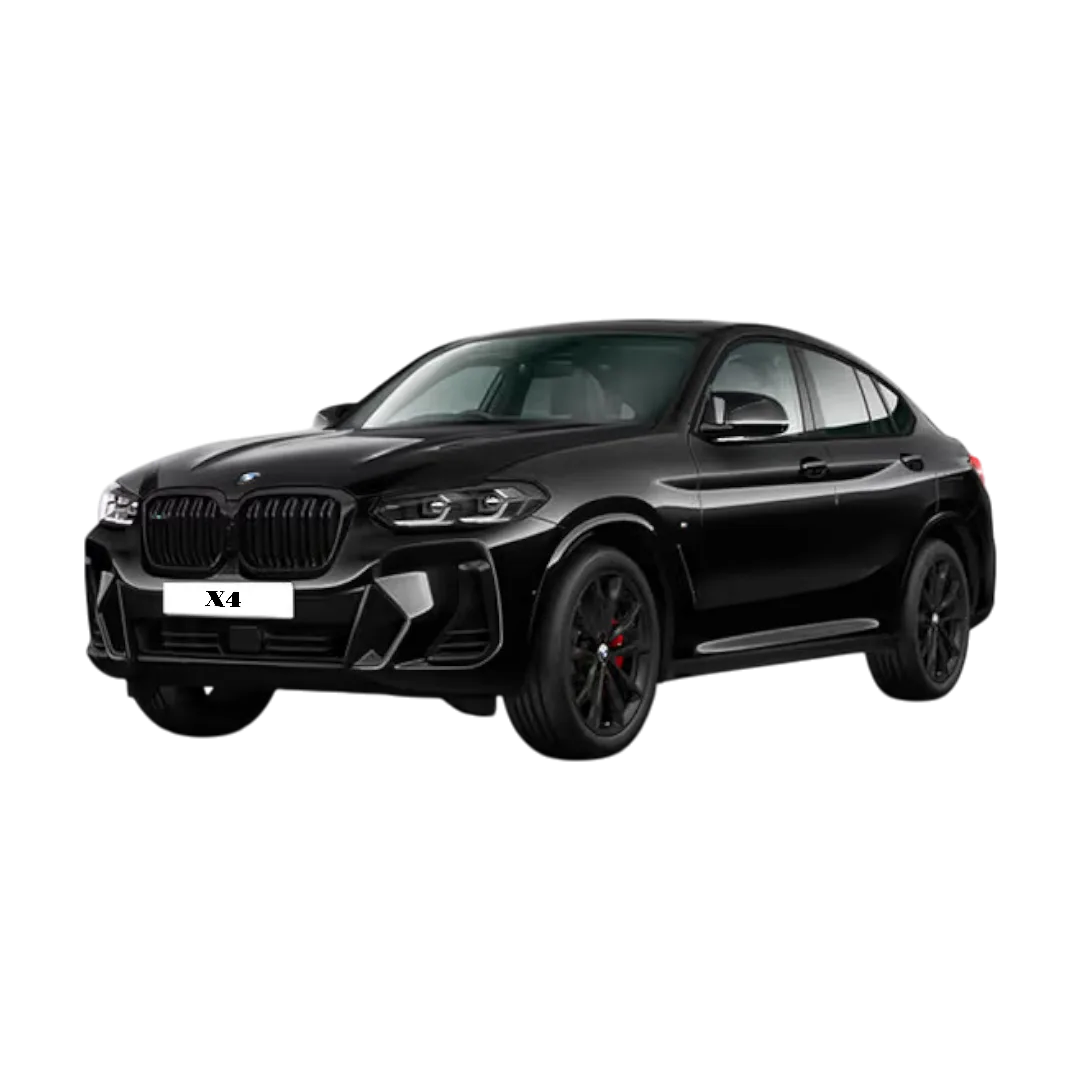 BMW X4
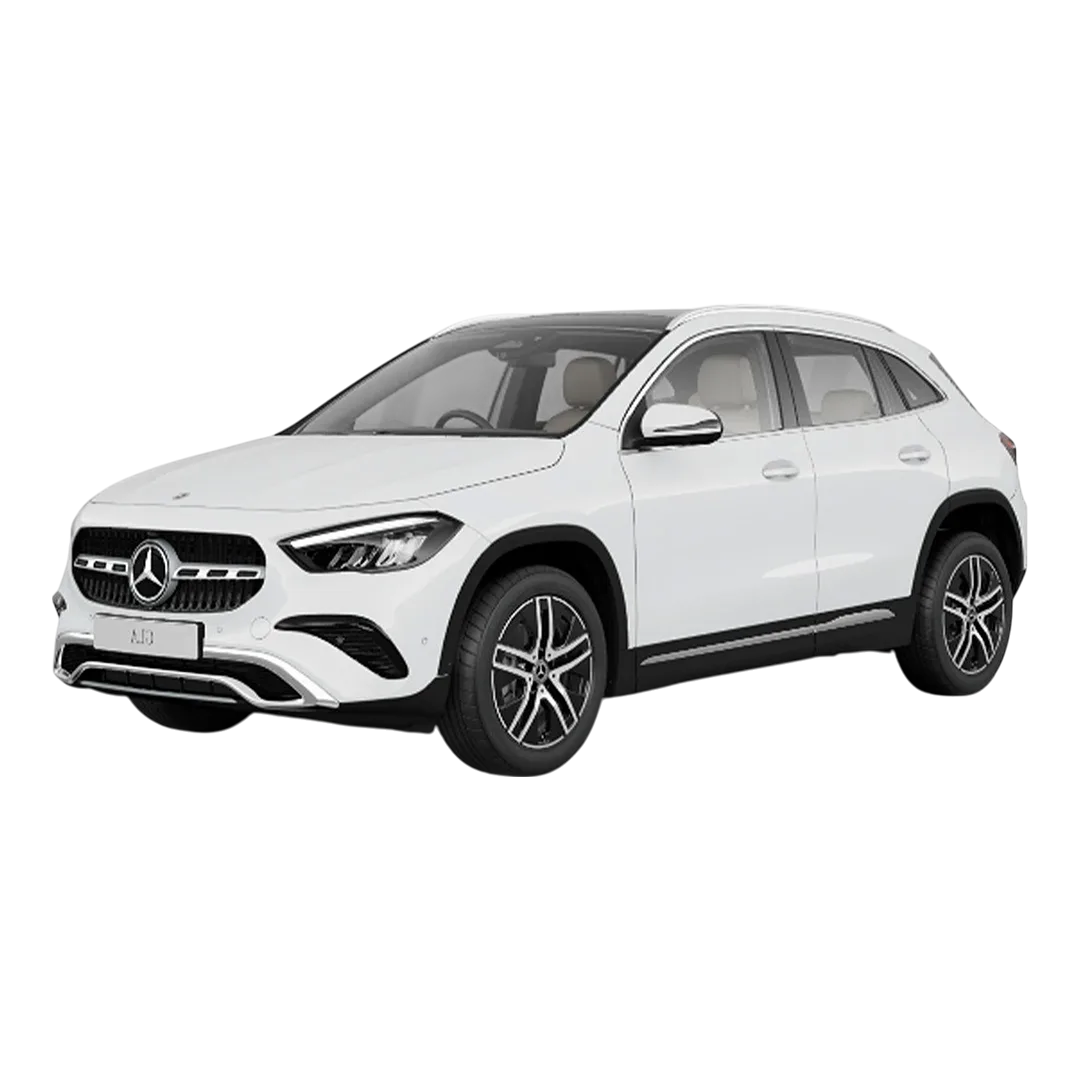 Mercedes Benz GLA
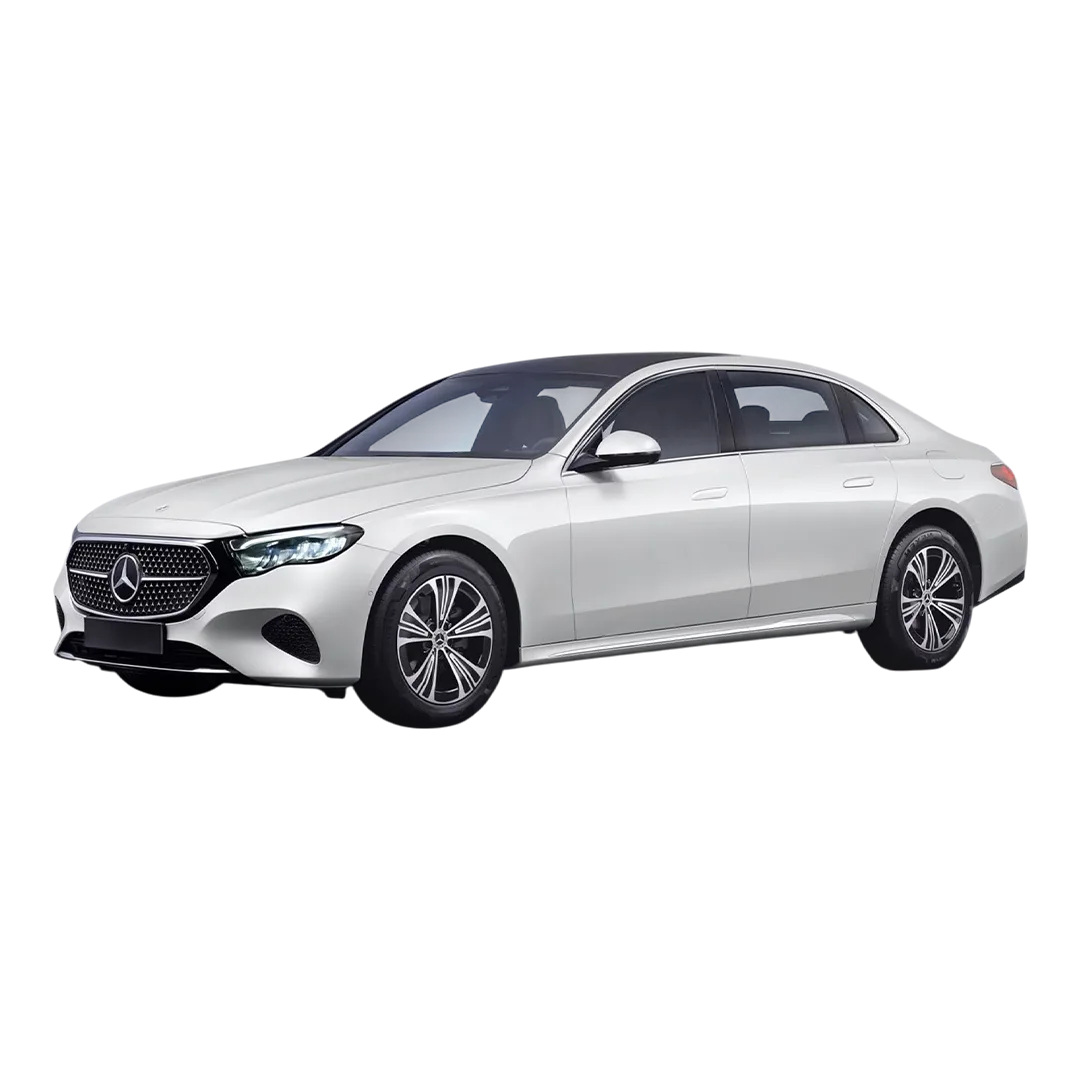 Mercedes E-Class
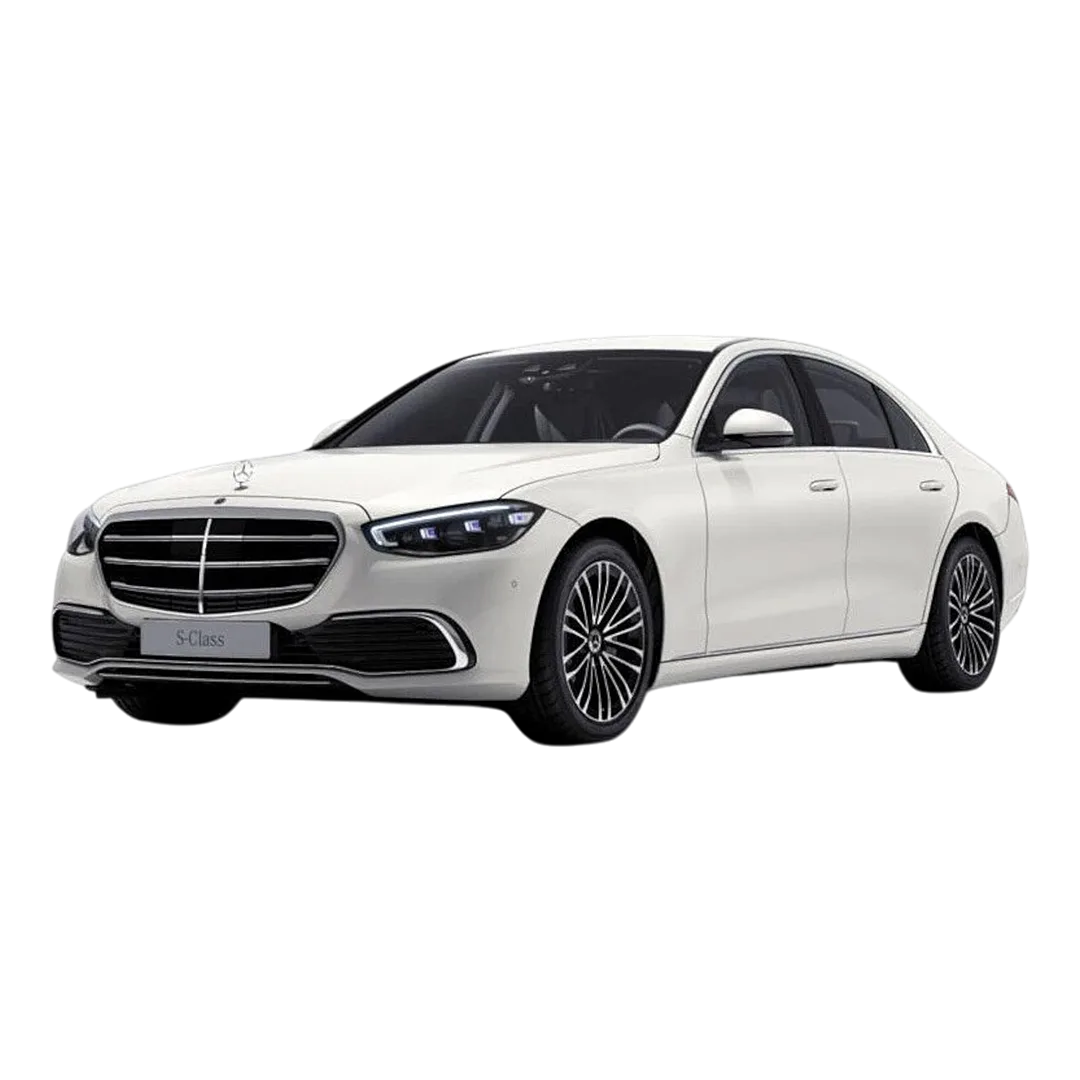 Mercedes S-Class
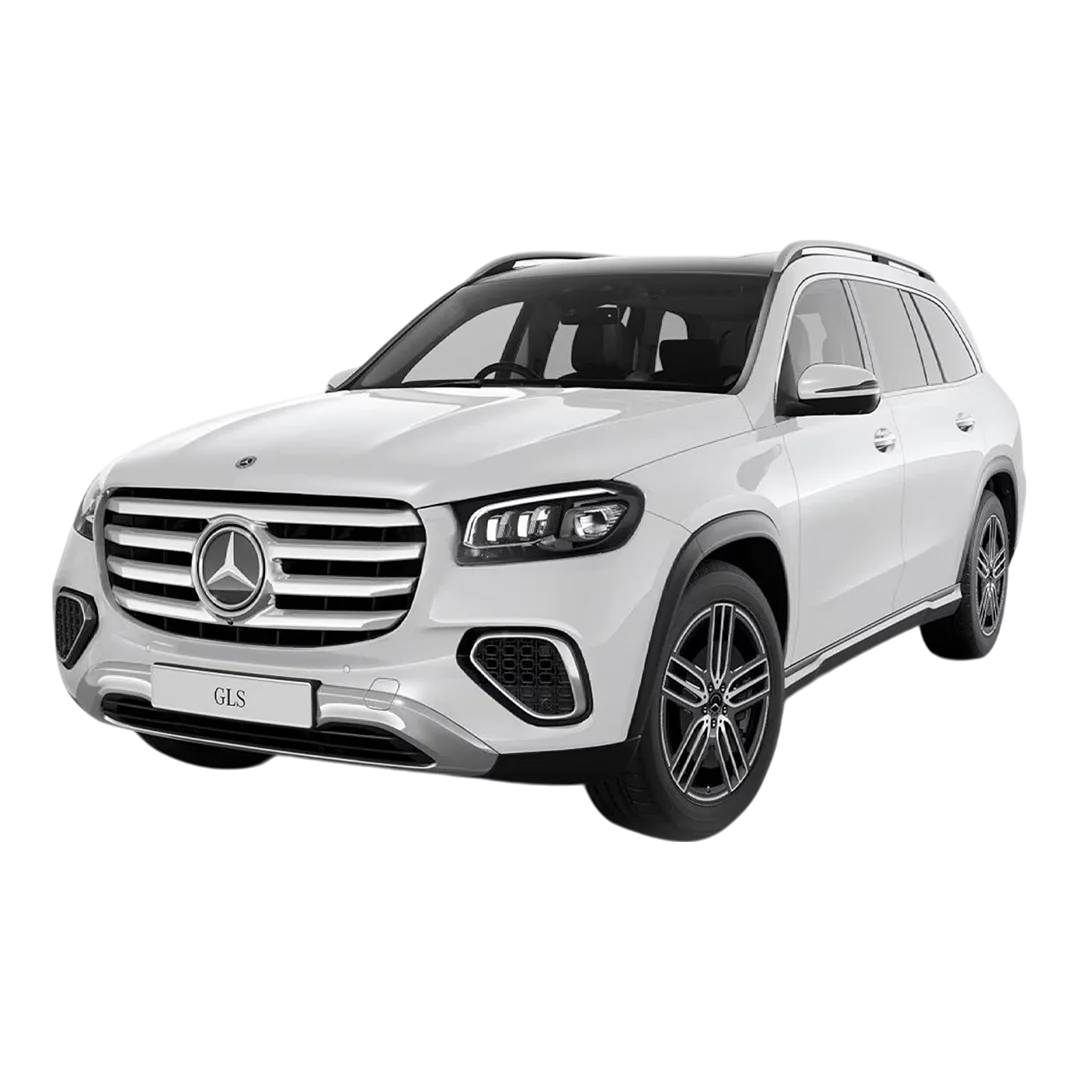 Mercedes Benz GLS
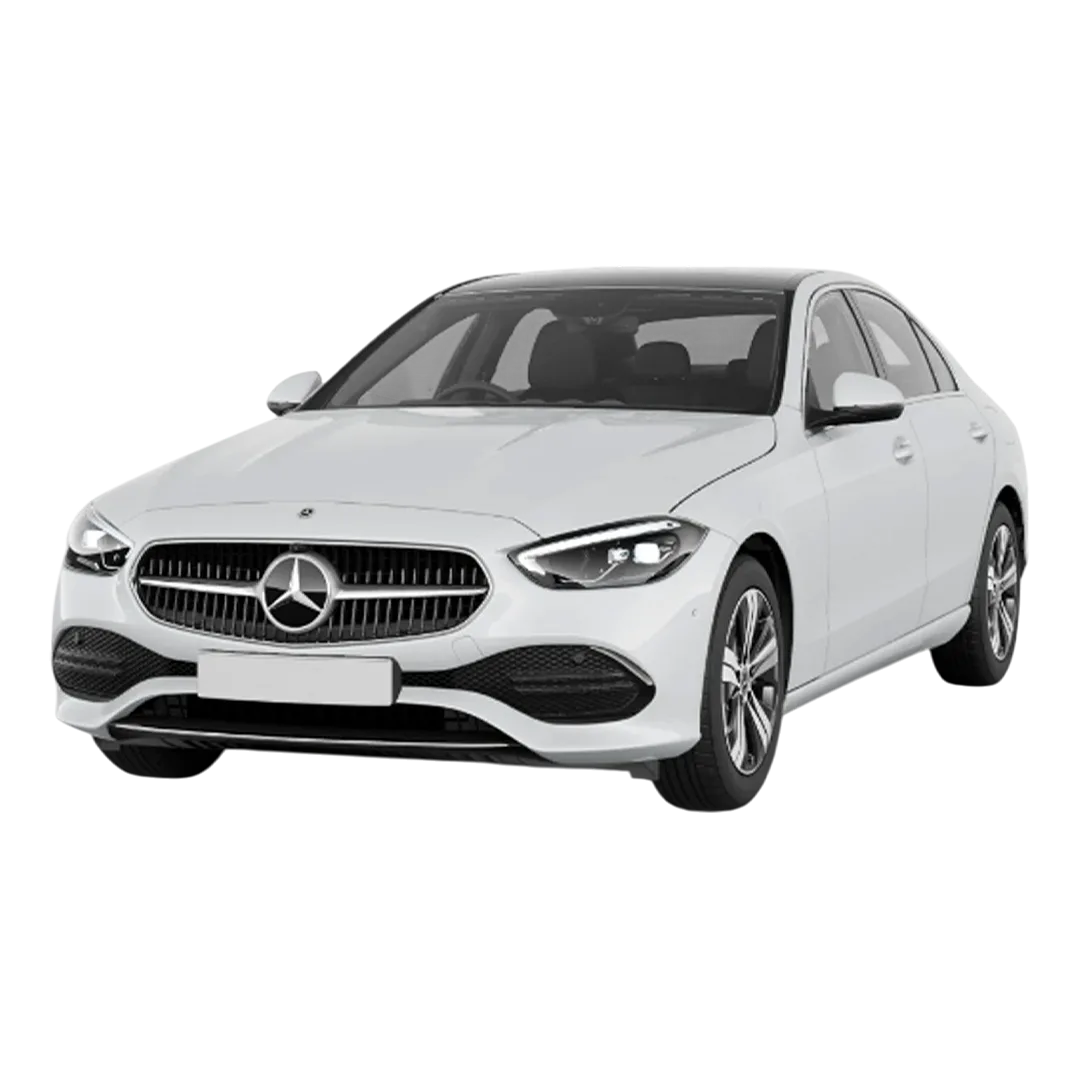 Mercedes Benz C-Class
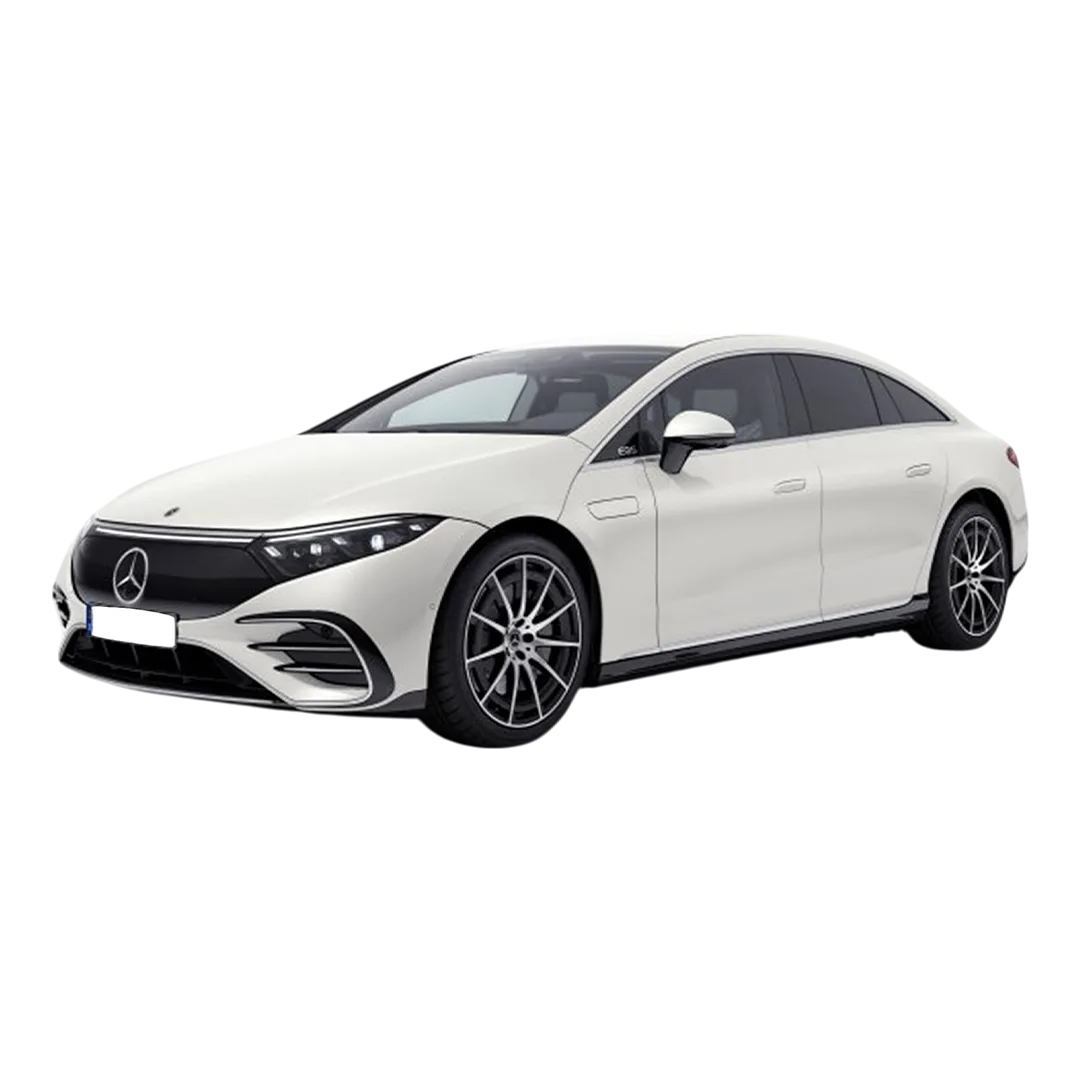 Mercedes Benz EQS
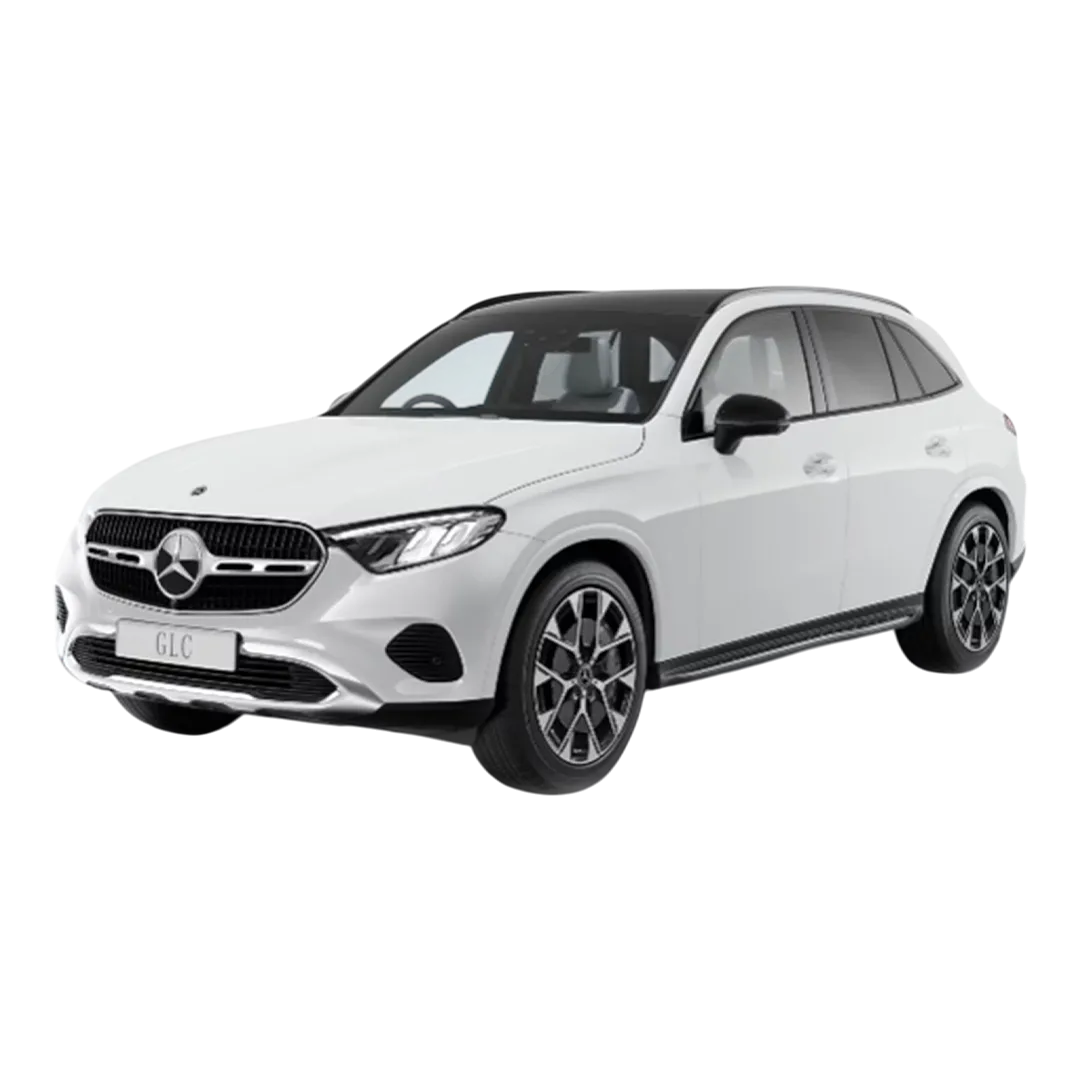 Mercedes Benz GLC
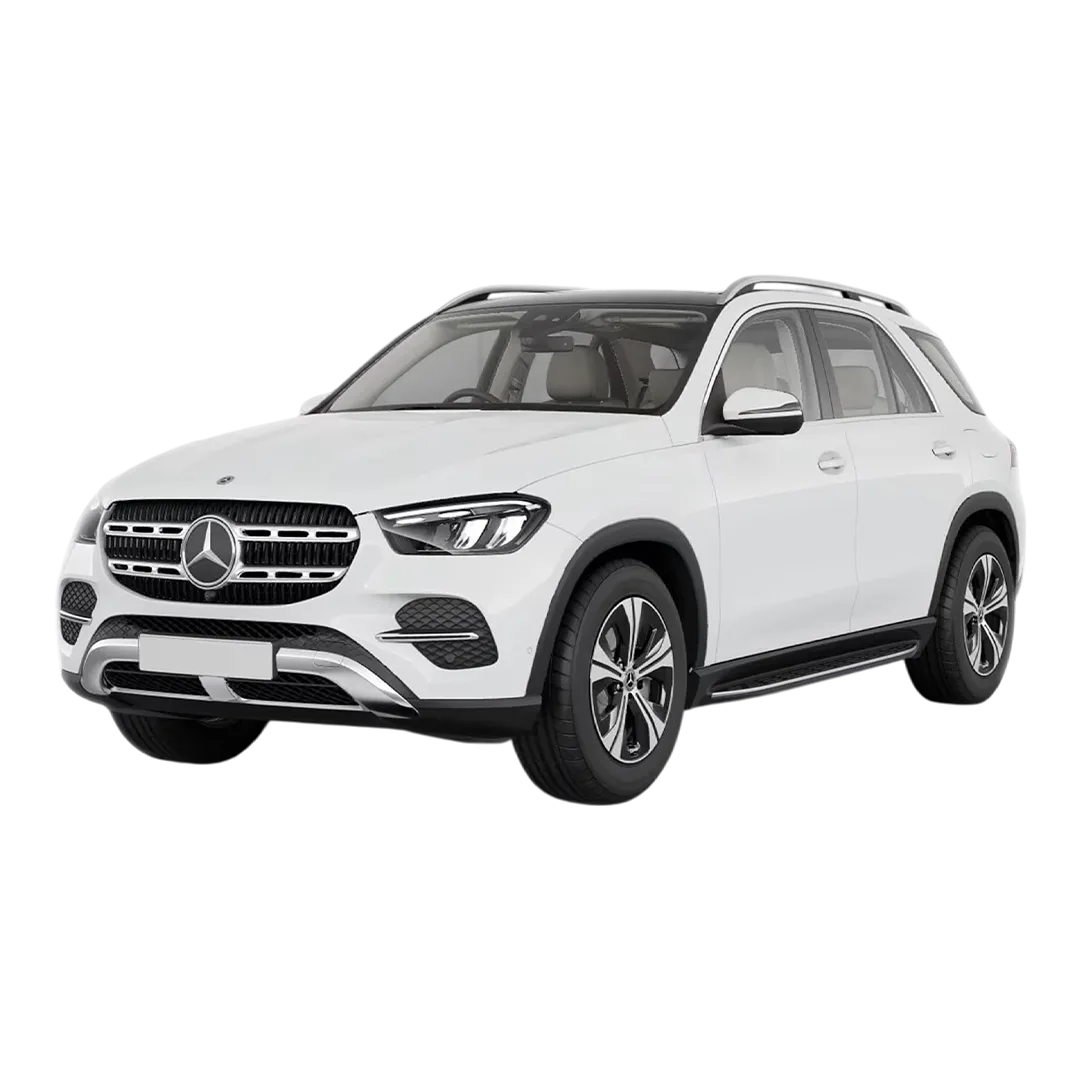 Mercedes Benz GLE
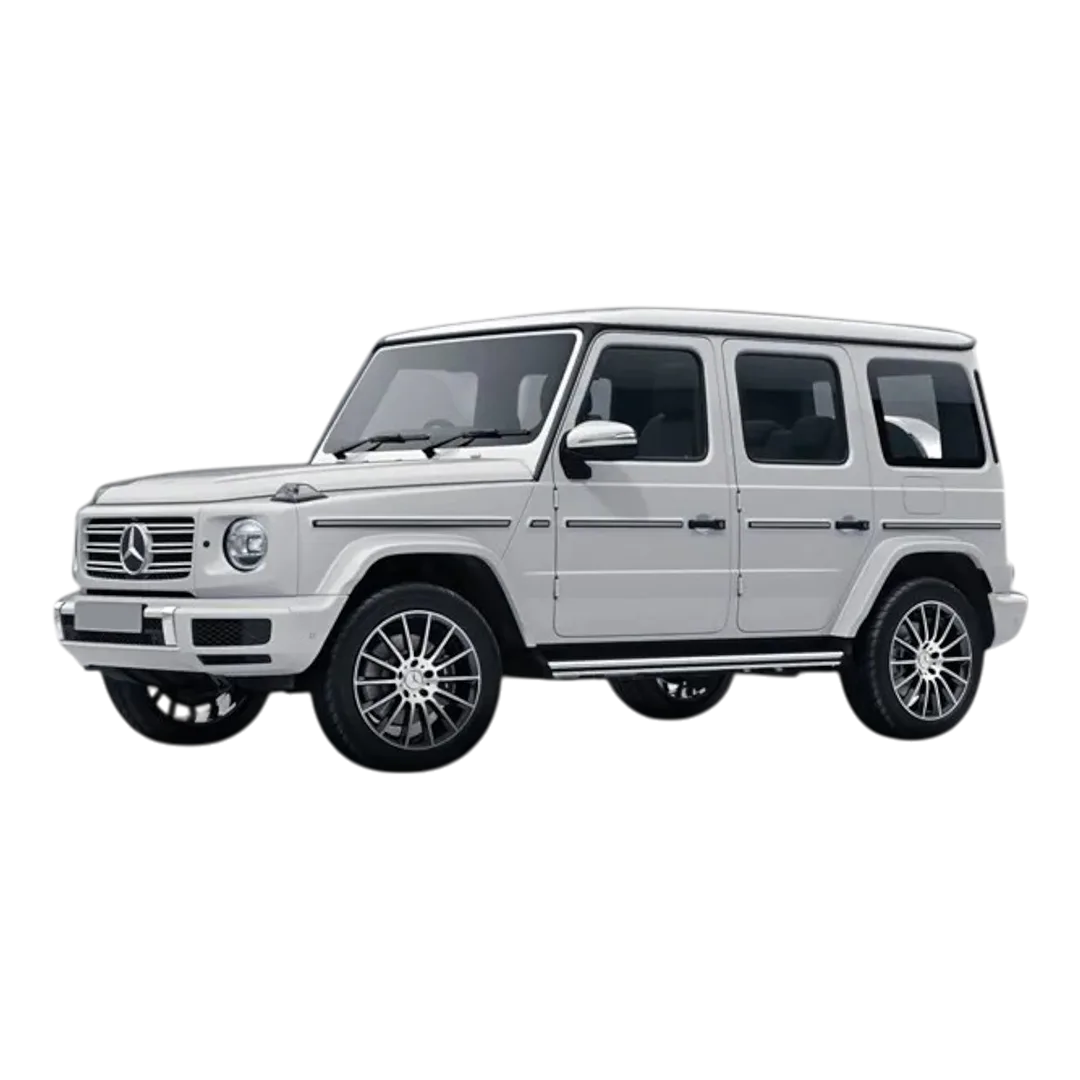 Mercedes Benz G-Class
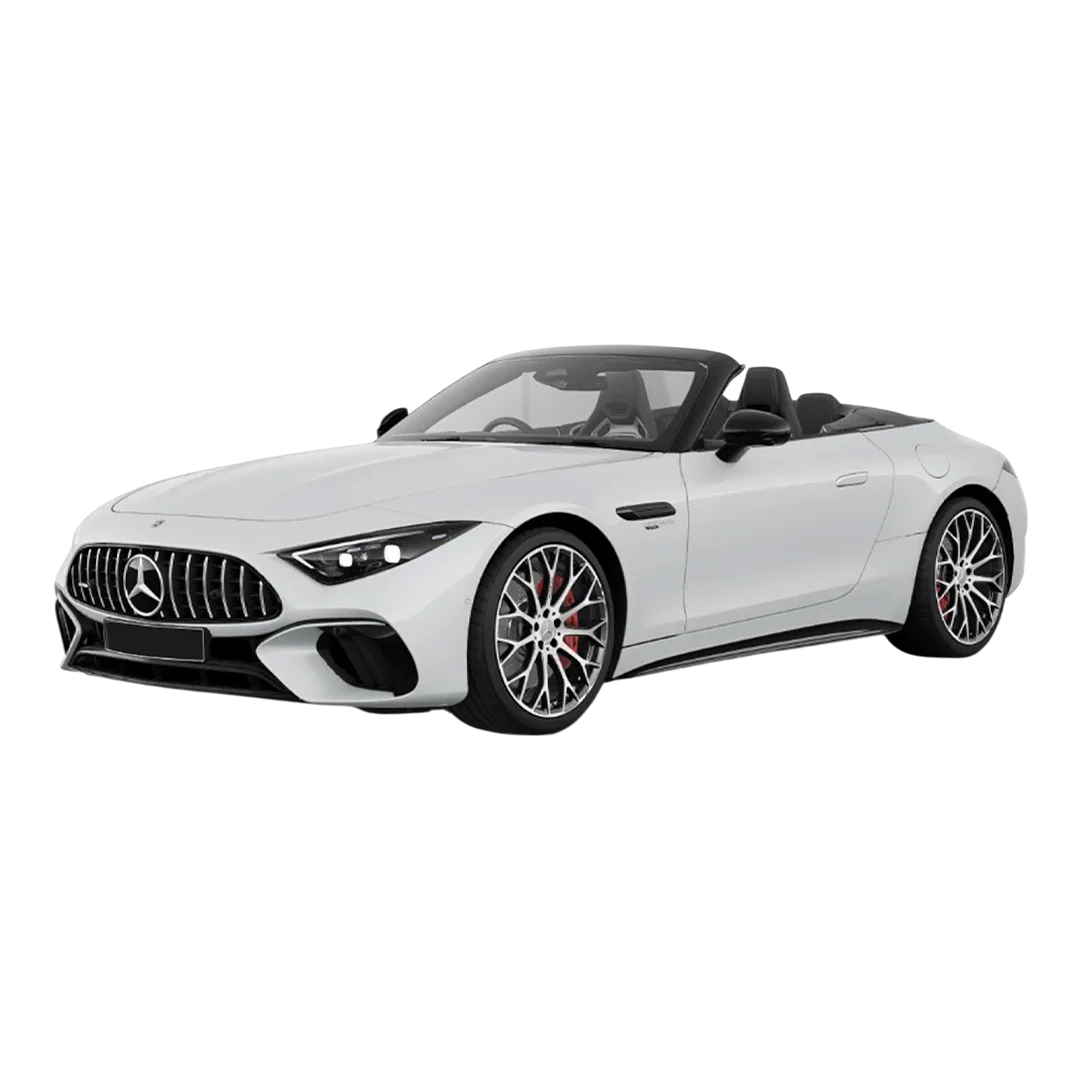 Mercedes Benz AMG SL
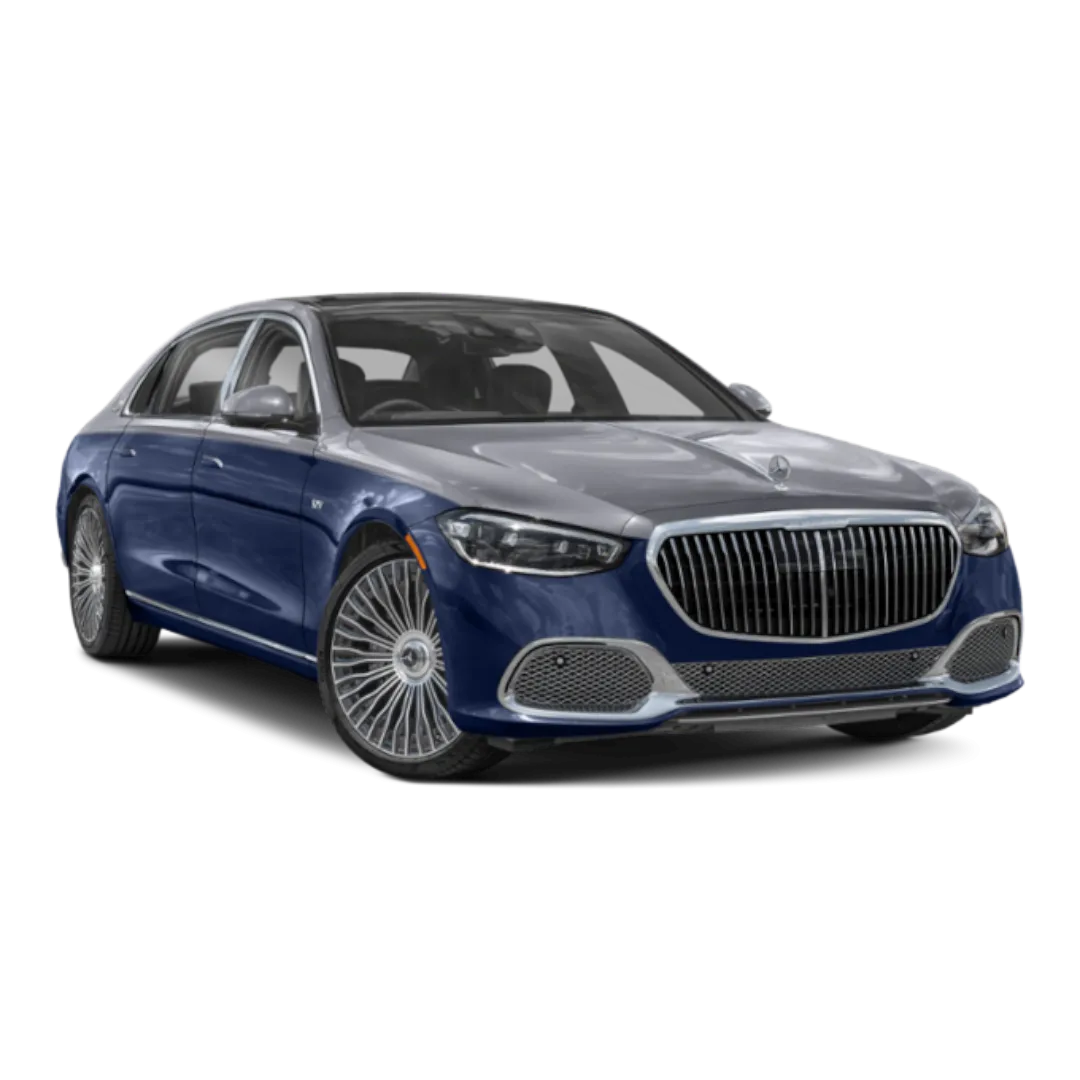 Mercedes Benz MAYBACH S- Class
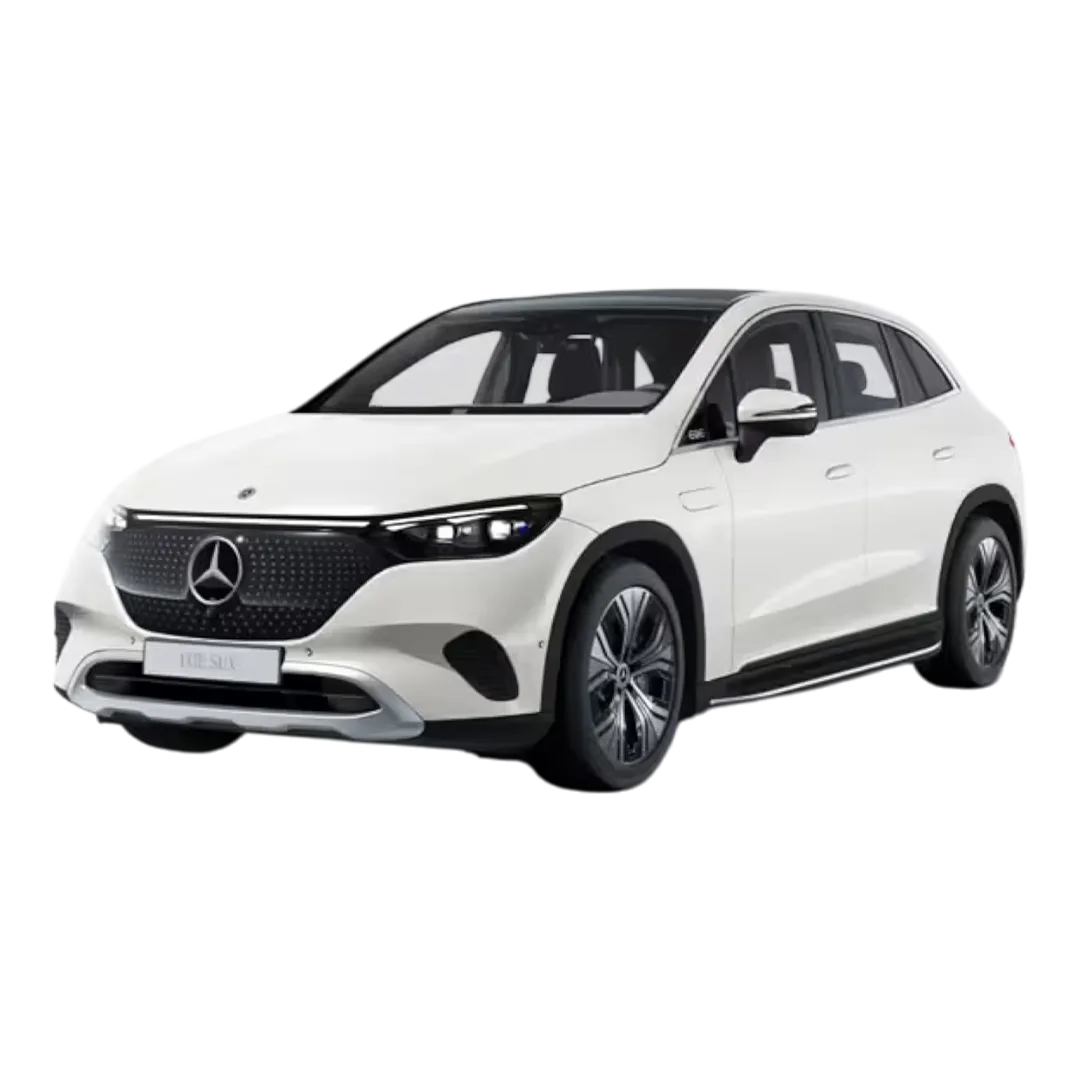 Mercedes Benz EQE-SUV
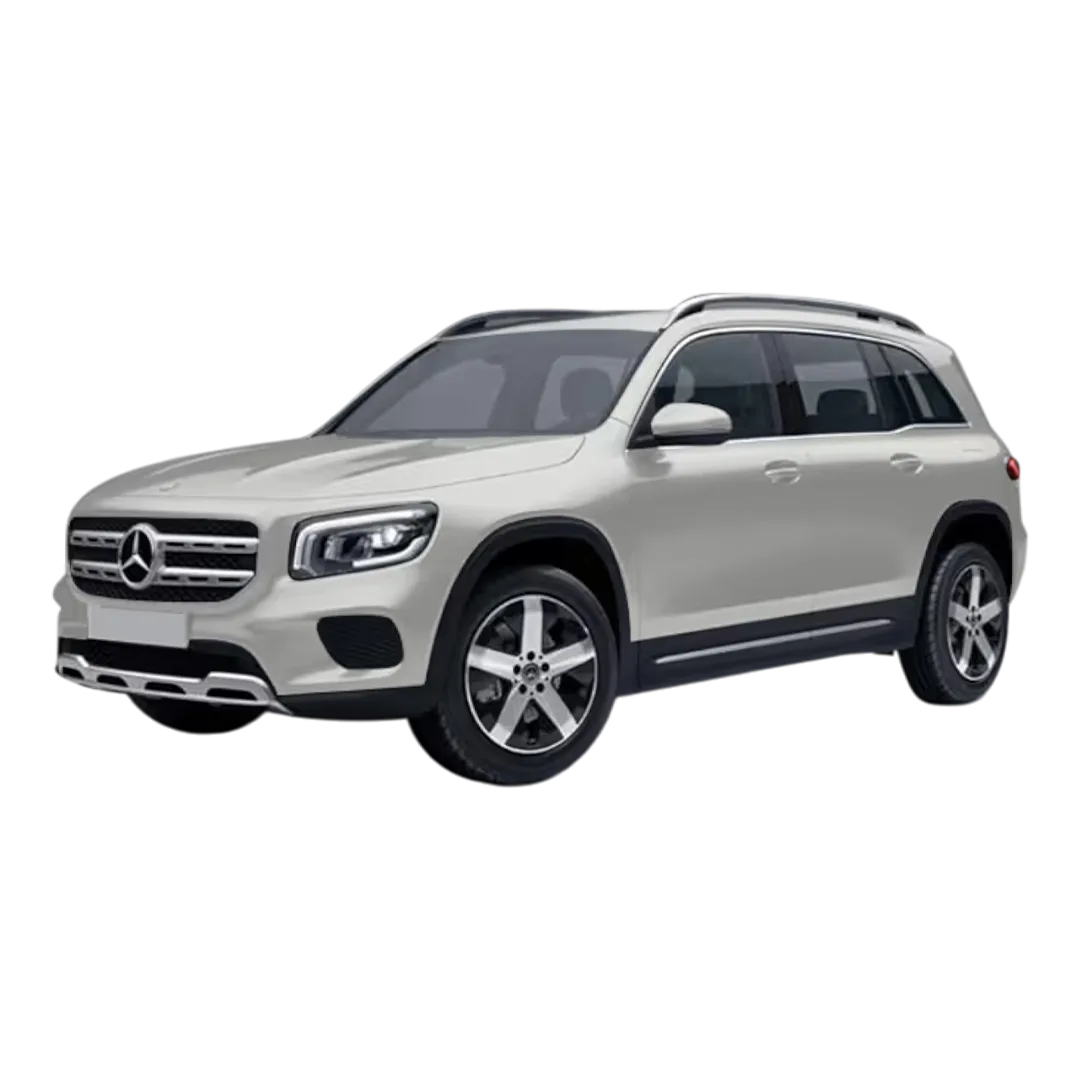 Mercedes Benz GLB
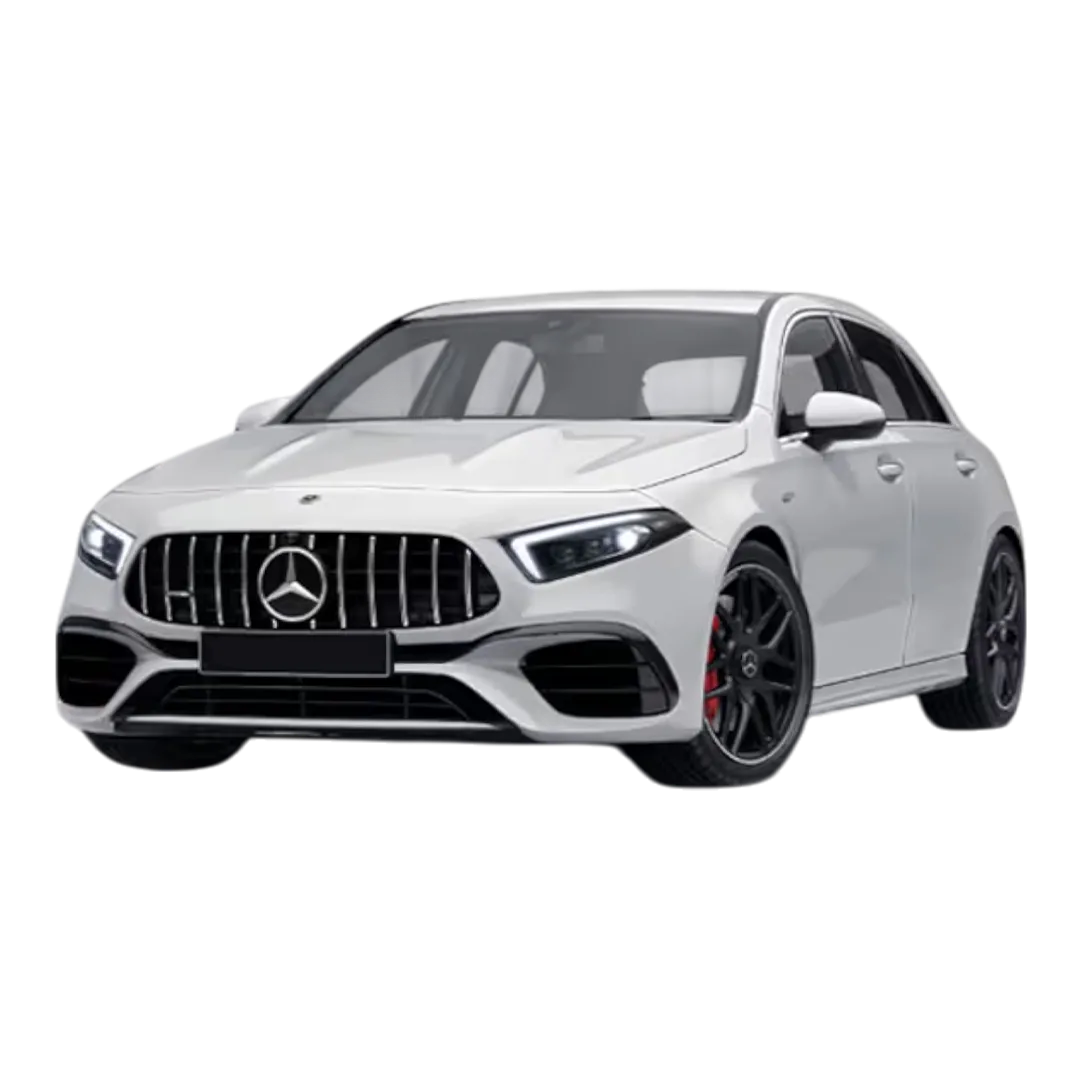 Mercedes Benz AMG A 45 S
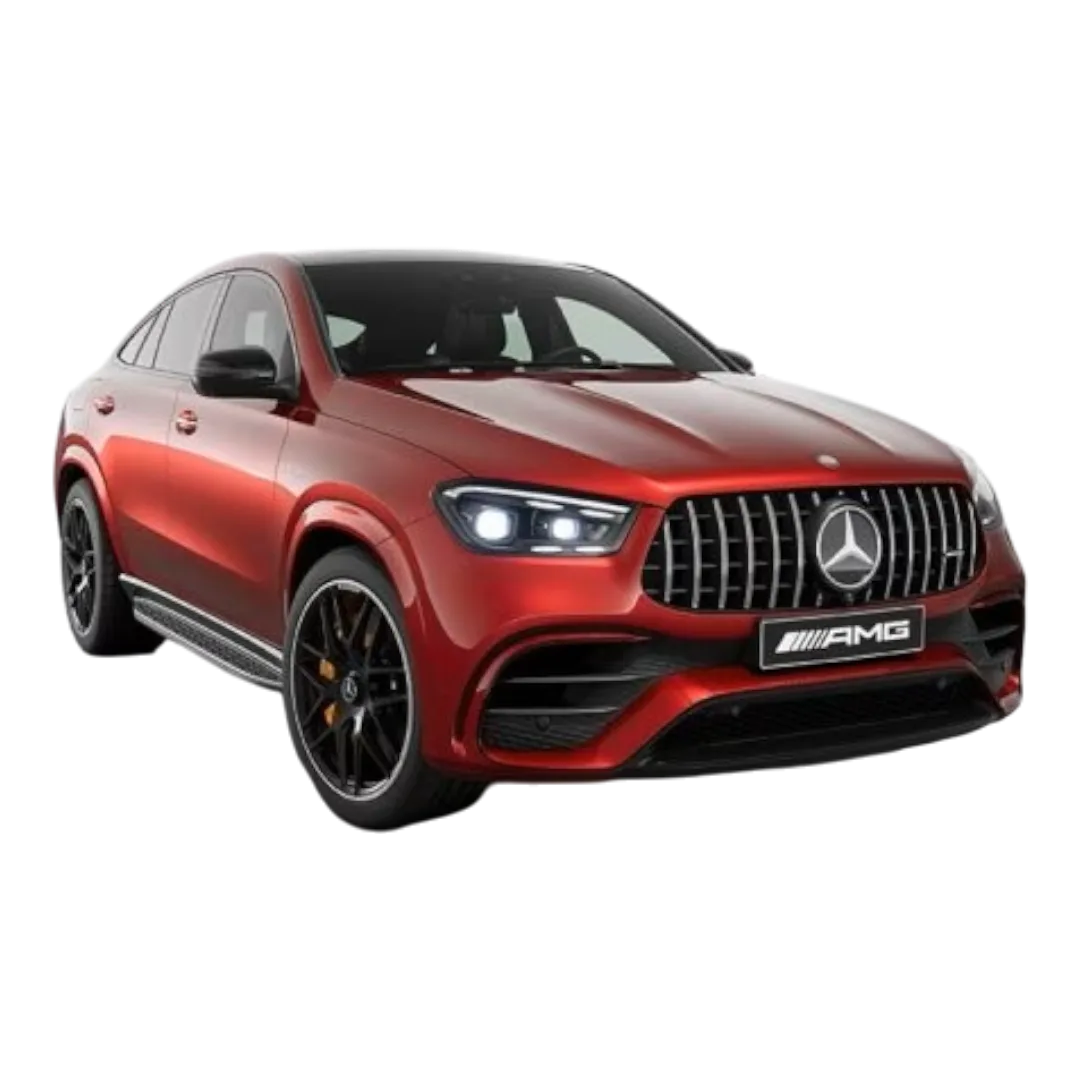 Mercedes Benz AMG GLE S3
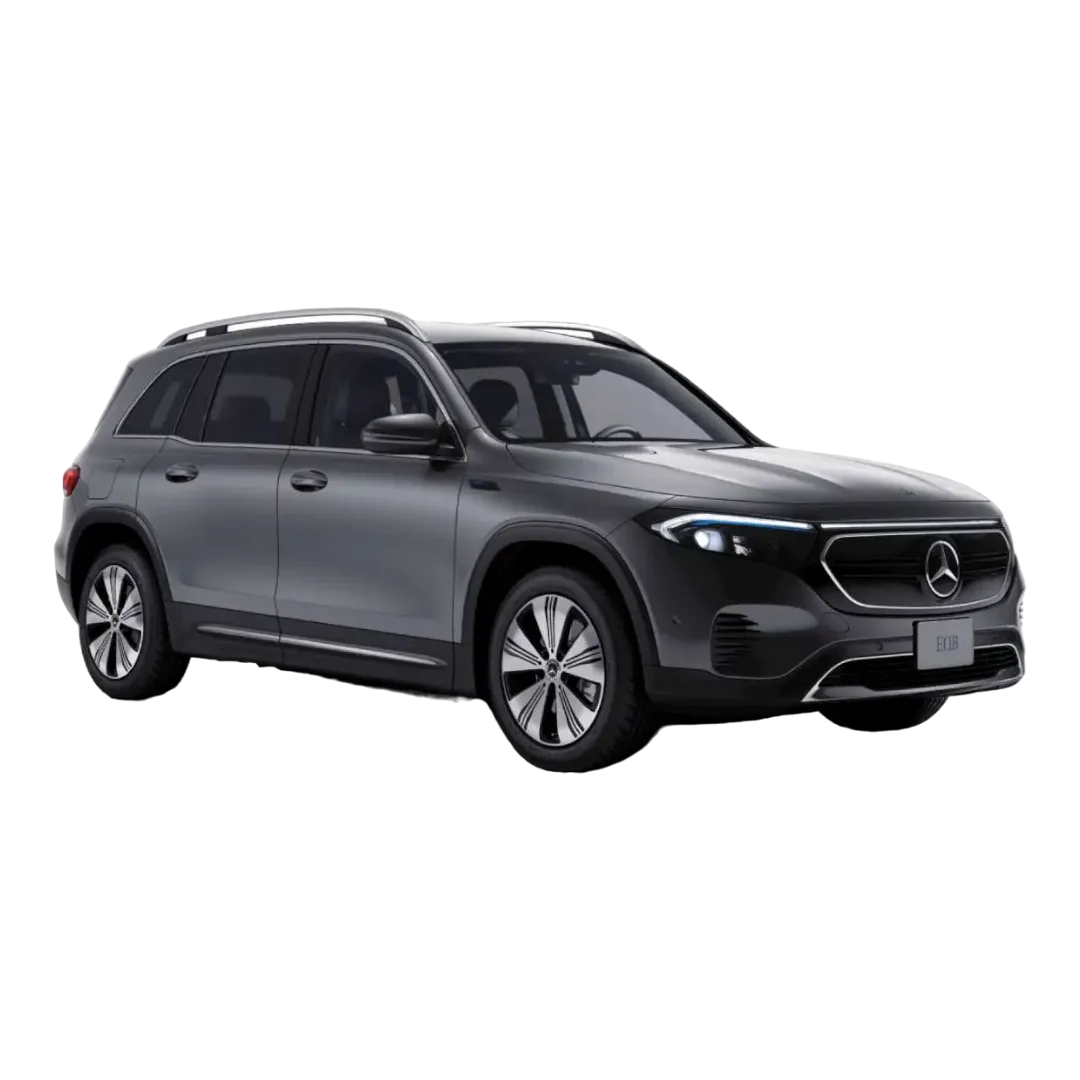 Mercedes Benz EQB
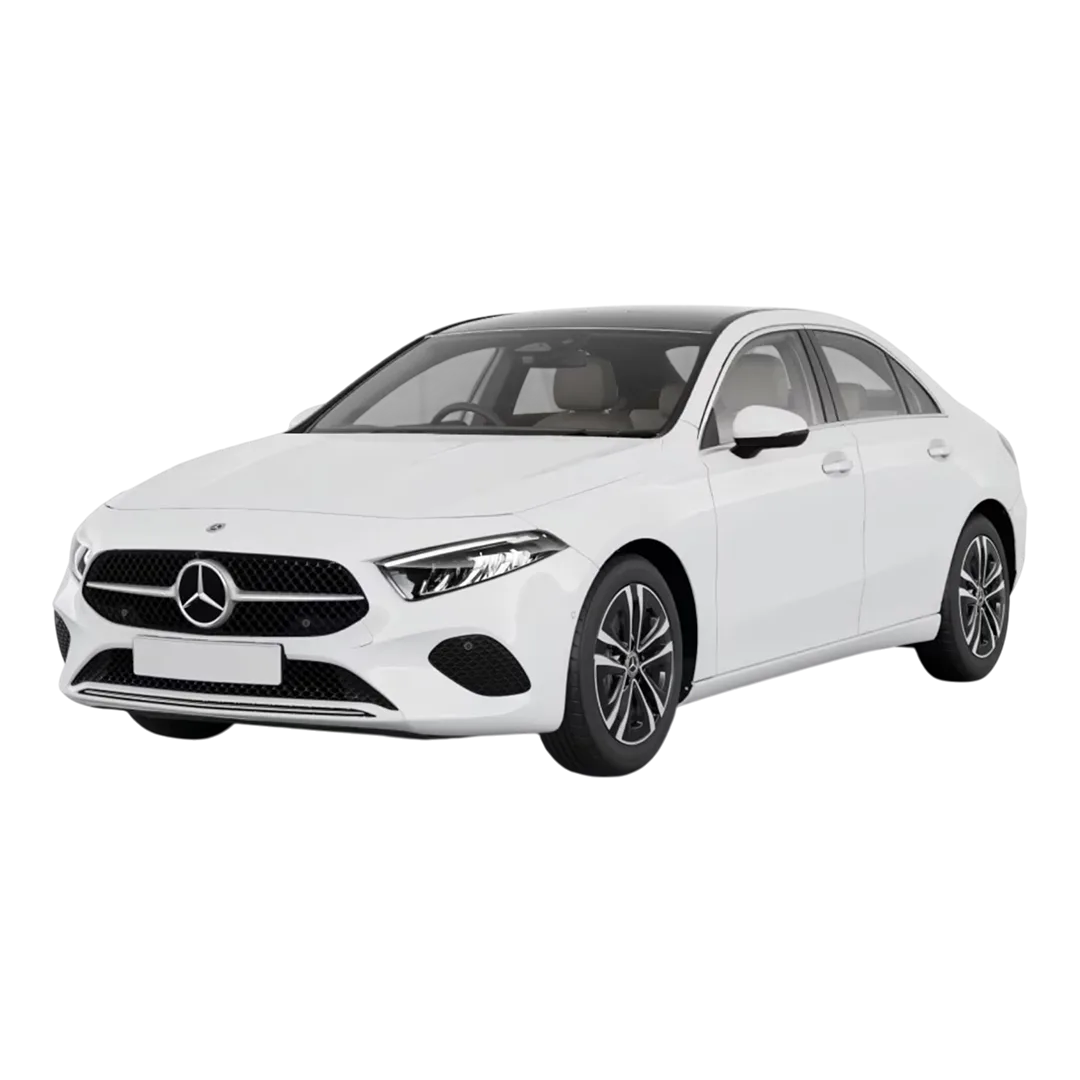 Mercedes Benz A Class limousine
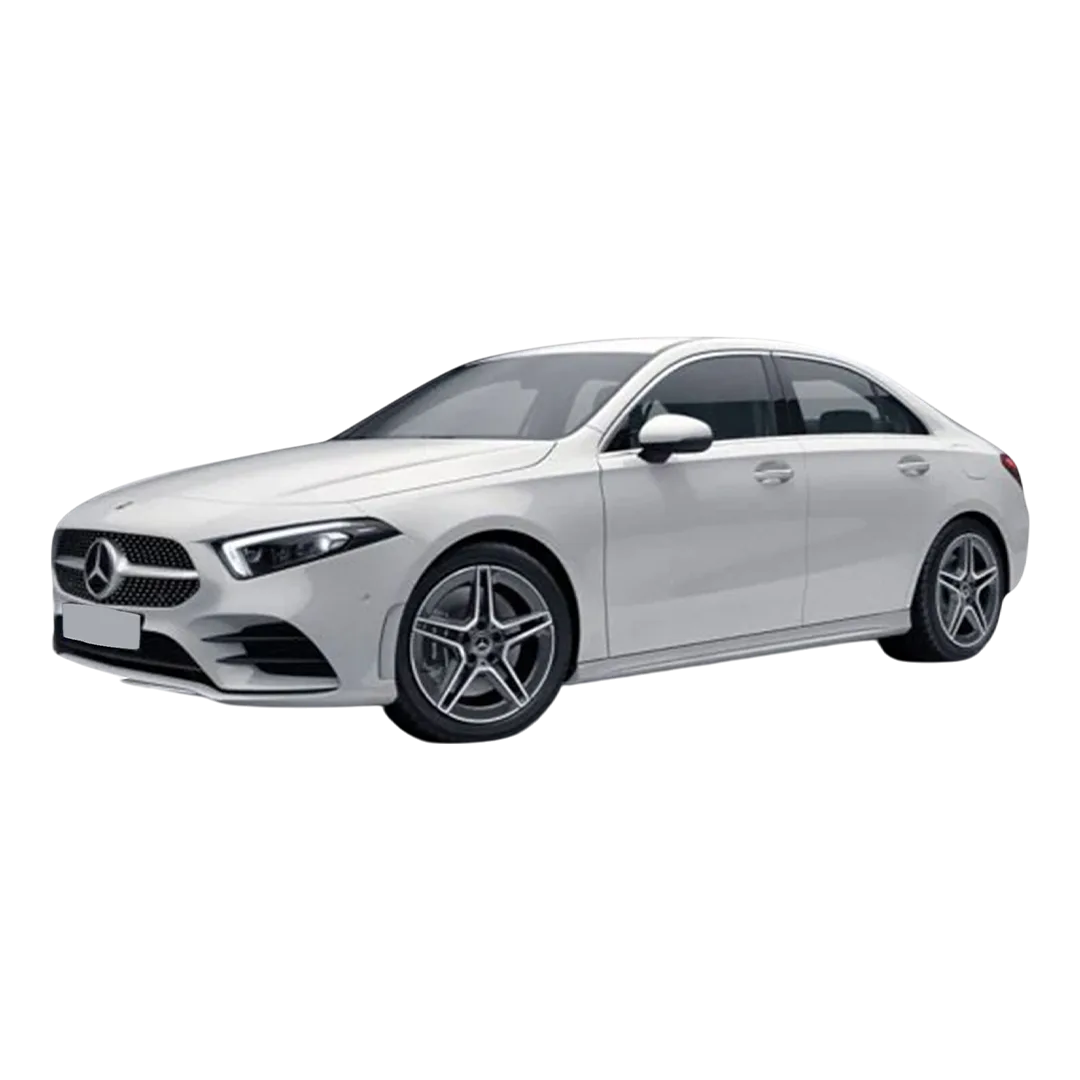 Mercedes Benz AMG A 35
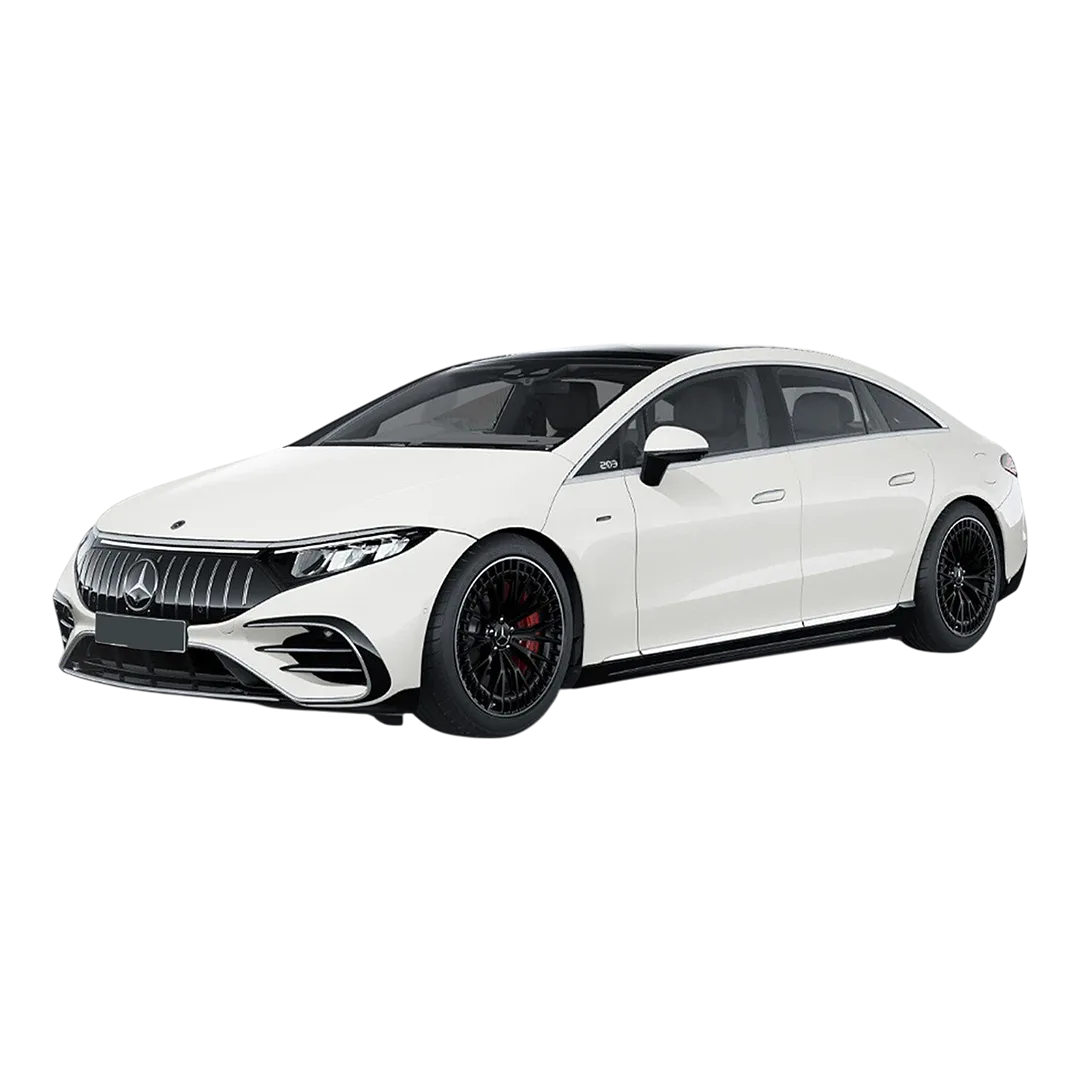 Mercedes-Benz AMG EQS
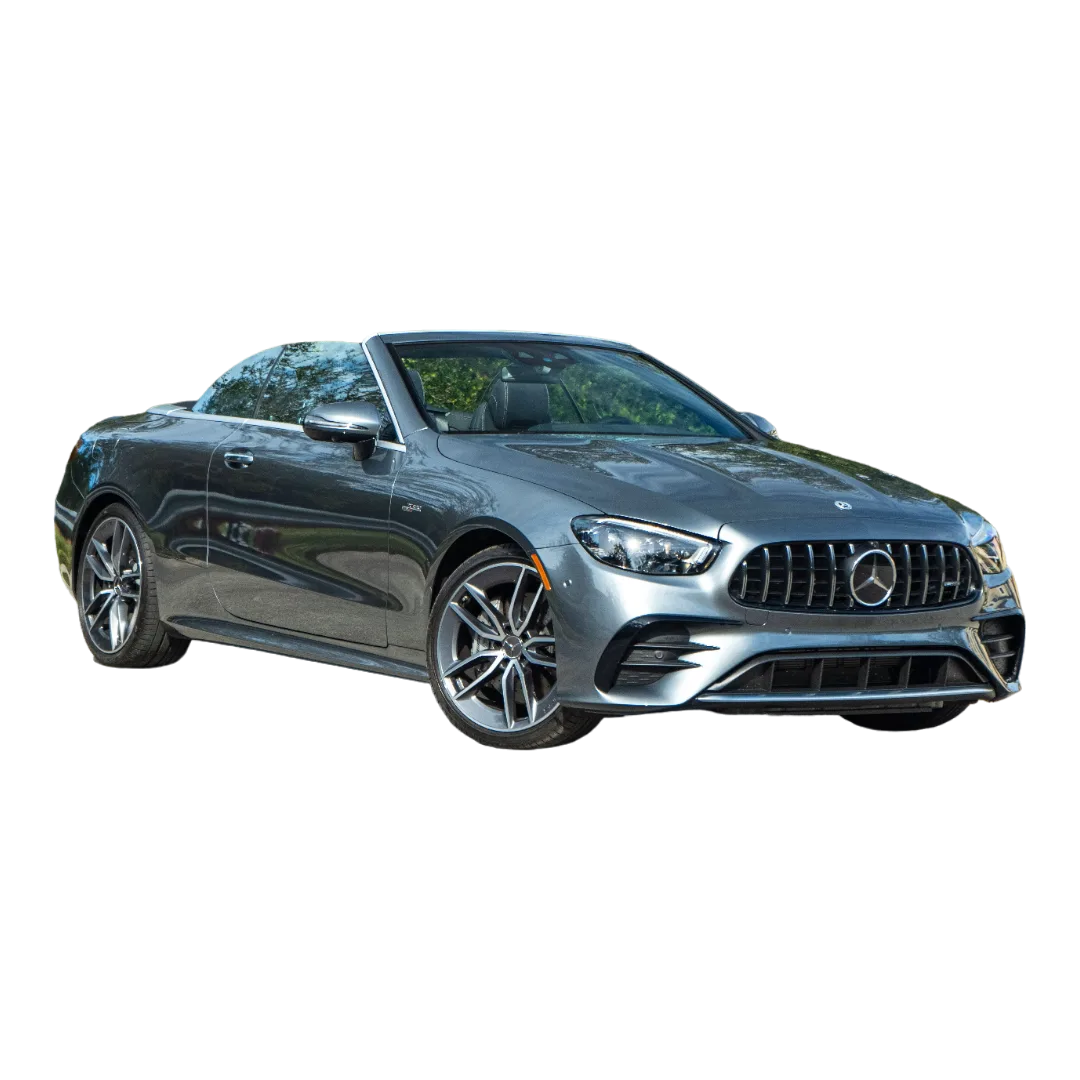 Mercedes-Benz AMG E 53 Cabriolet
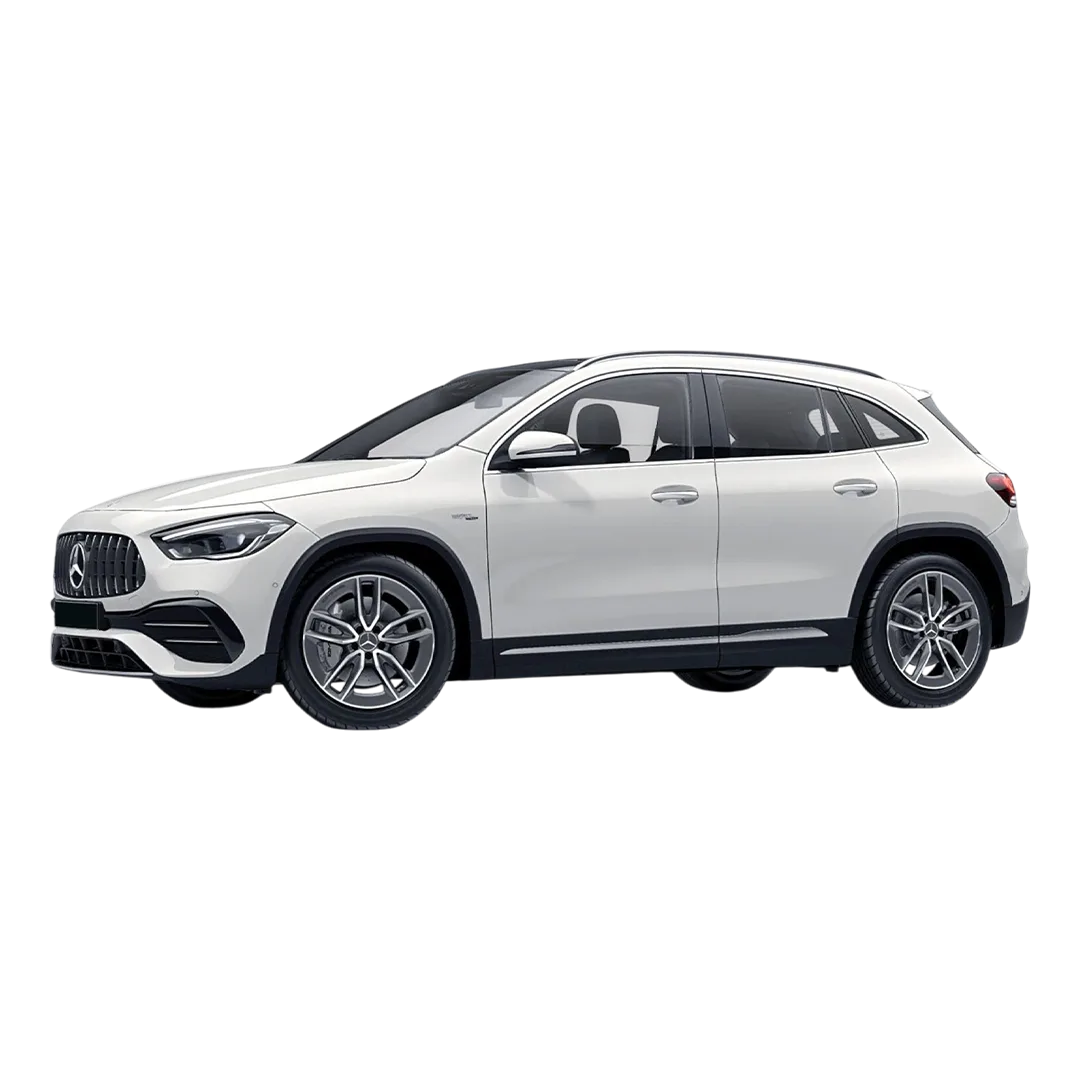 Mercedes-Benz AMG GLA 35
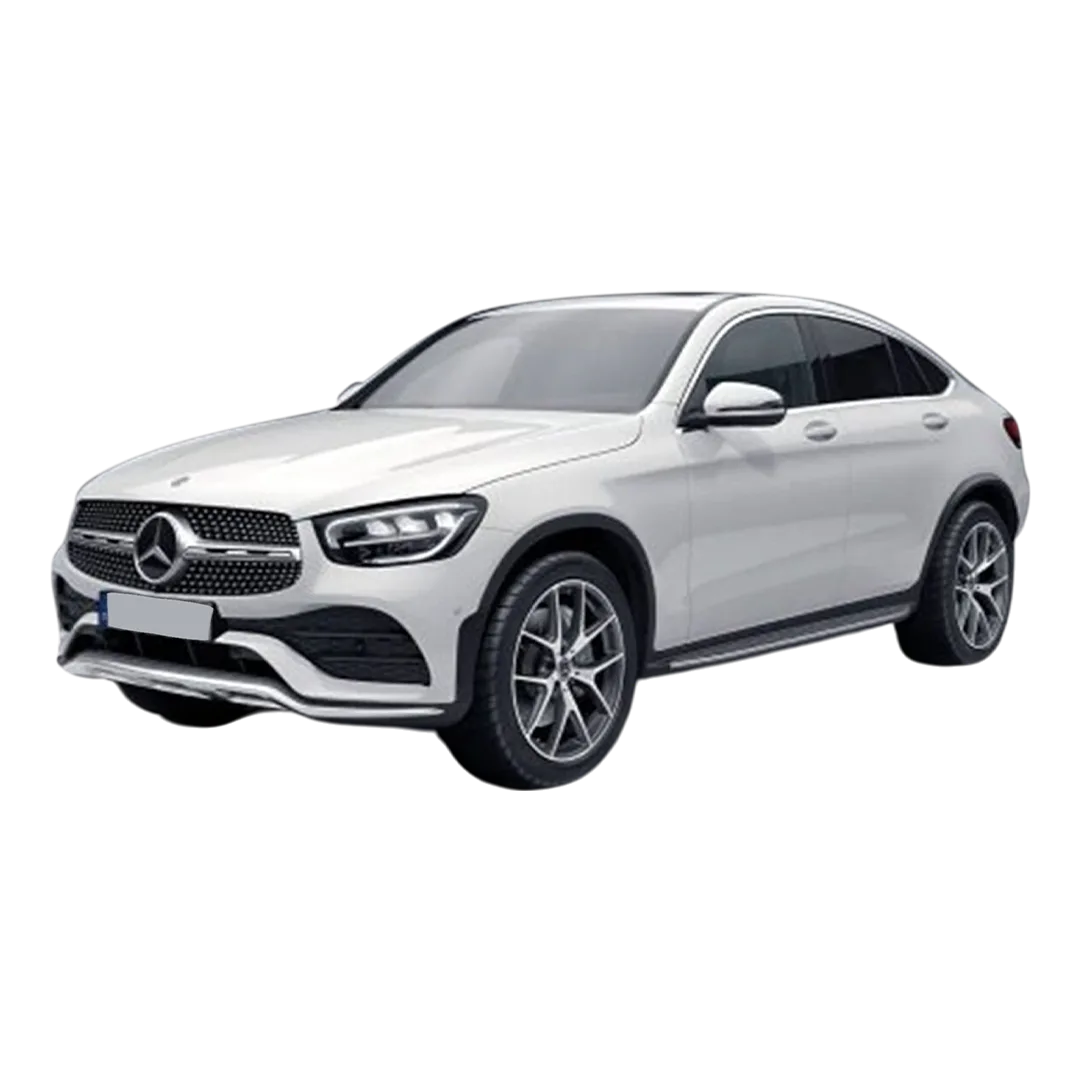 Mercedes-Benz GLC Coupe 2023
 Mercedes M-Class
R-Class
Mercedes M-Class
R-Class
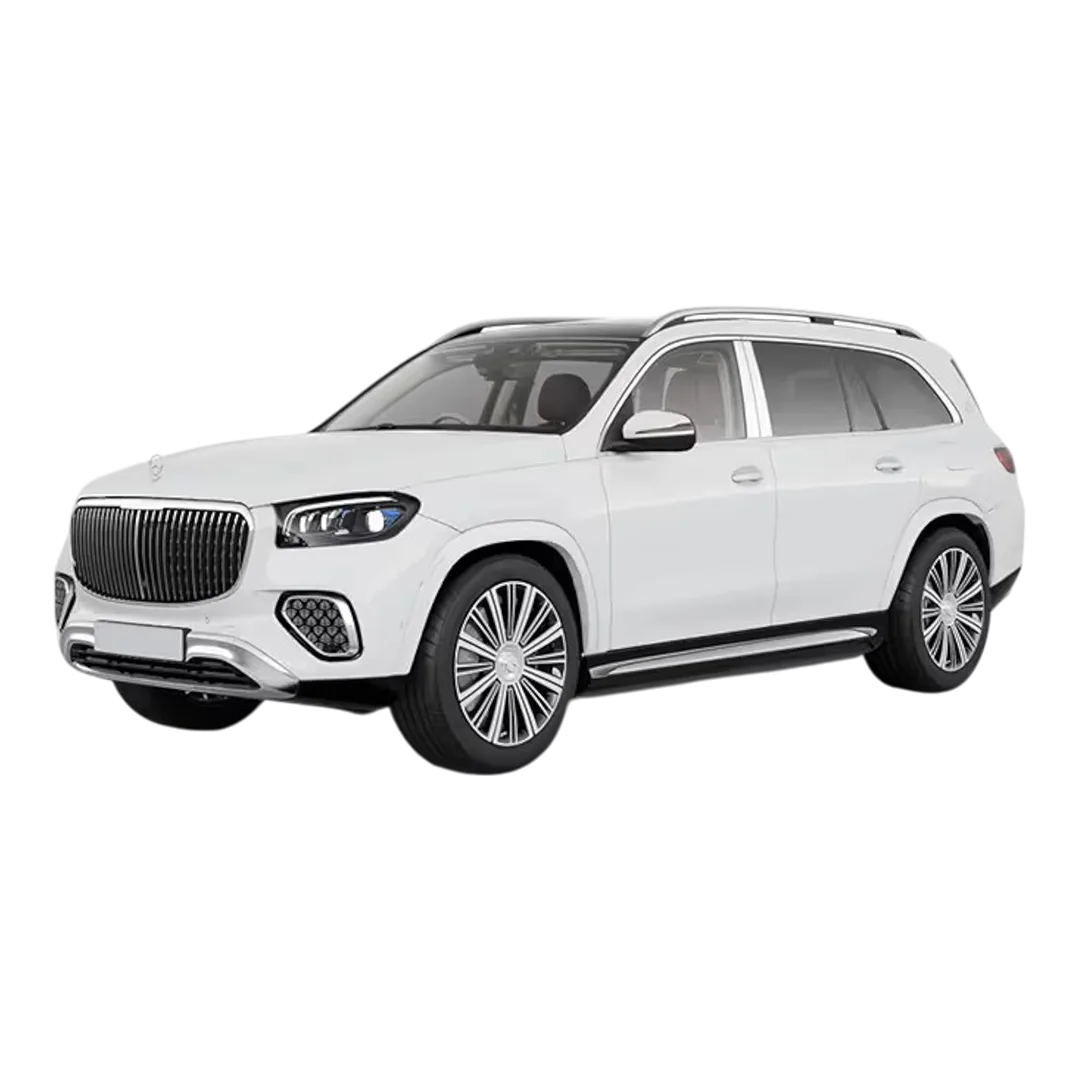 GLS 600
GLS 400
GLS 350
GLE 300
GLS 600
GLS 400
GLS 350
GLE 300
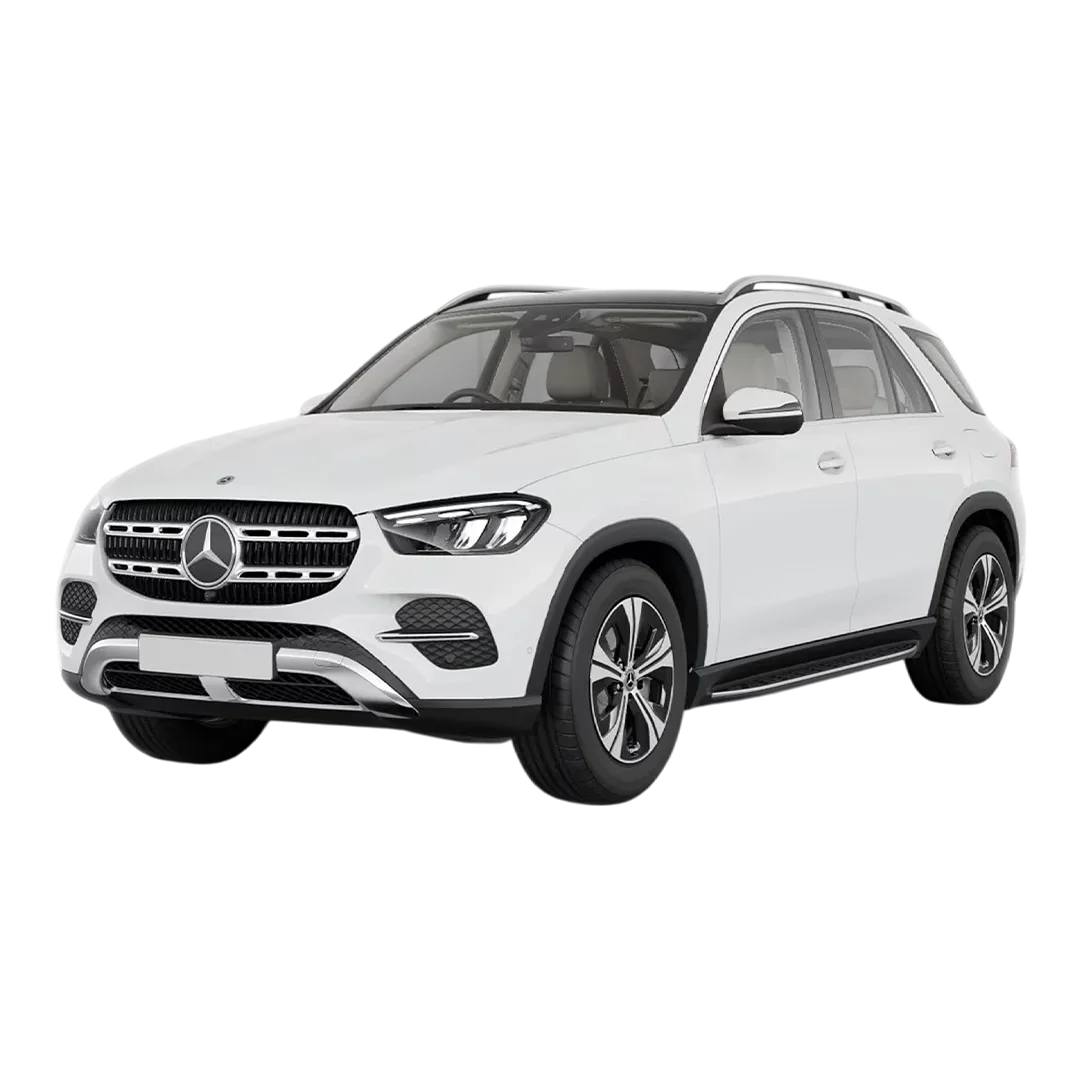 GLE 400
GLE 250D
GLE 400
GLE 250D
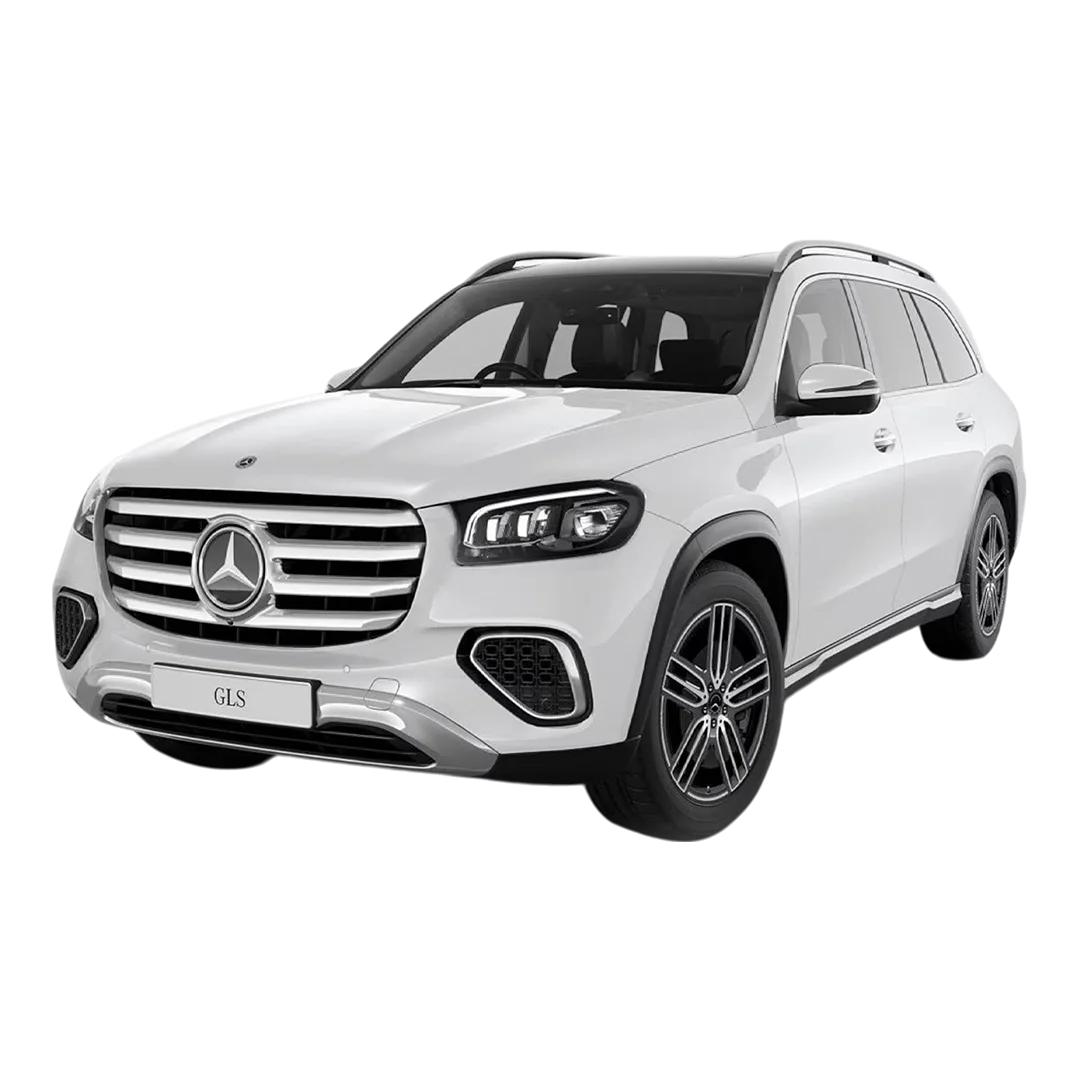 GLC 220D
GLC 300
GLC 220D
GLC 300
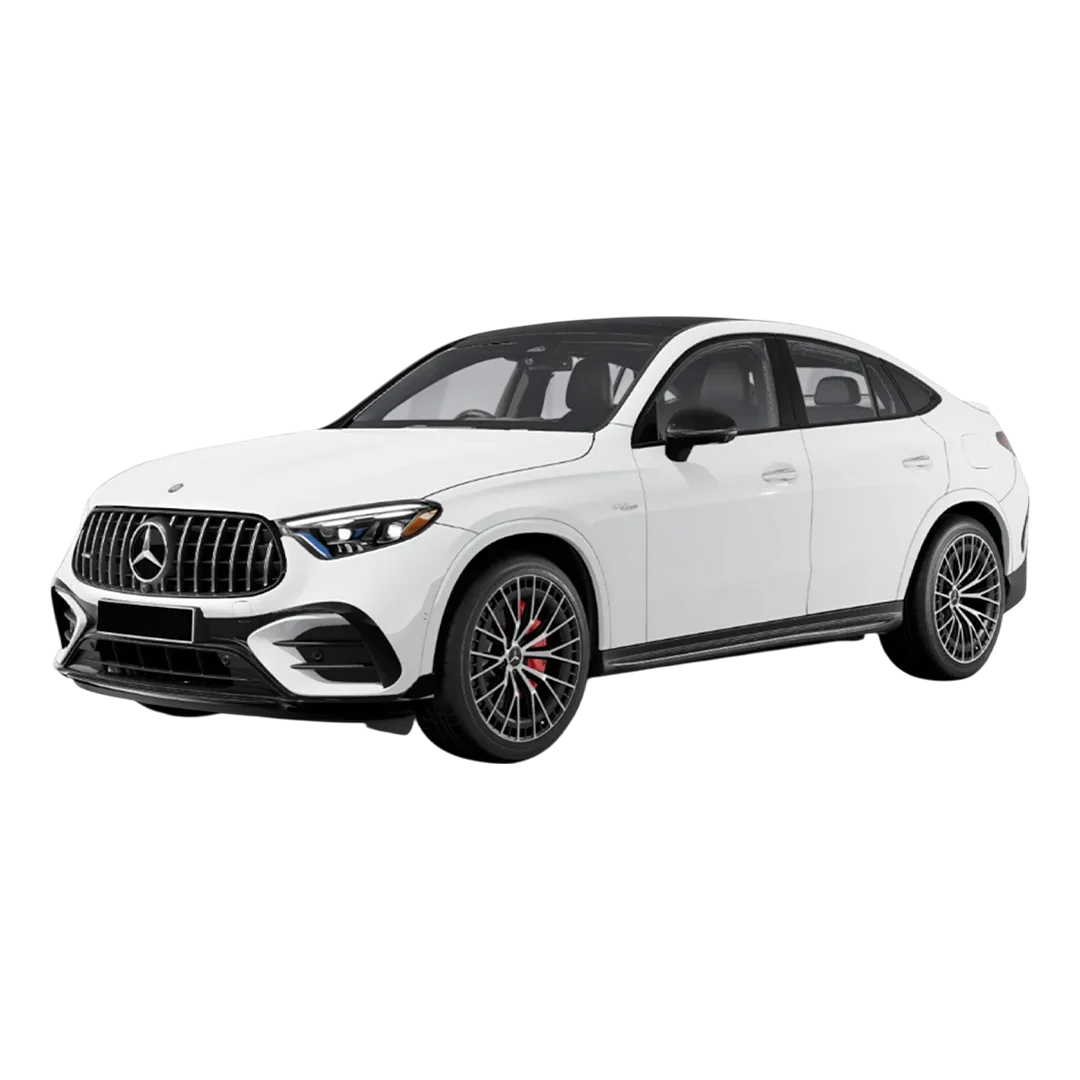 GLC 43 Coupe
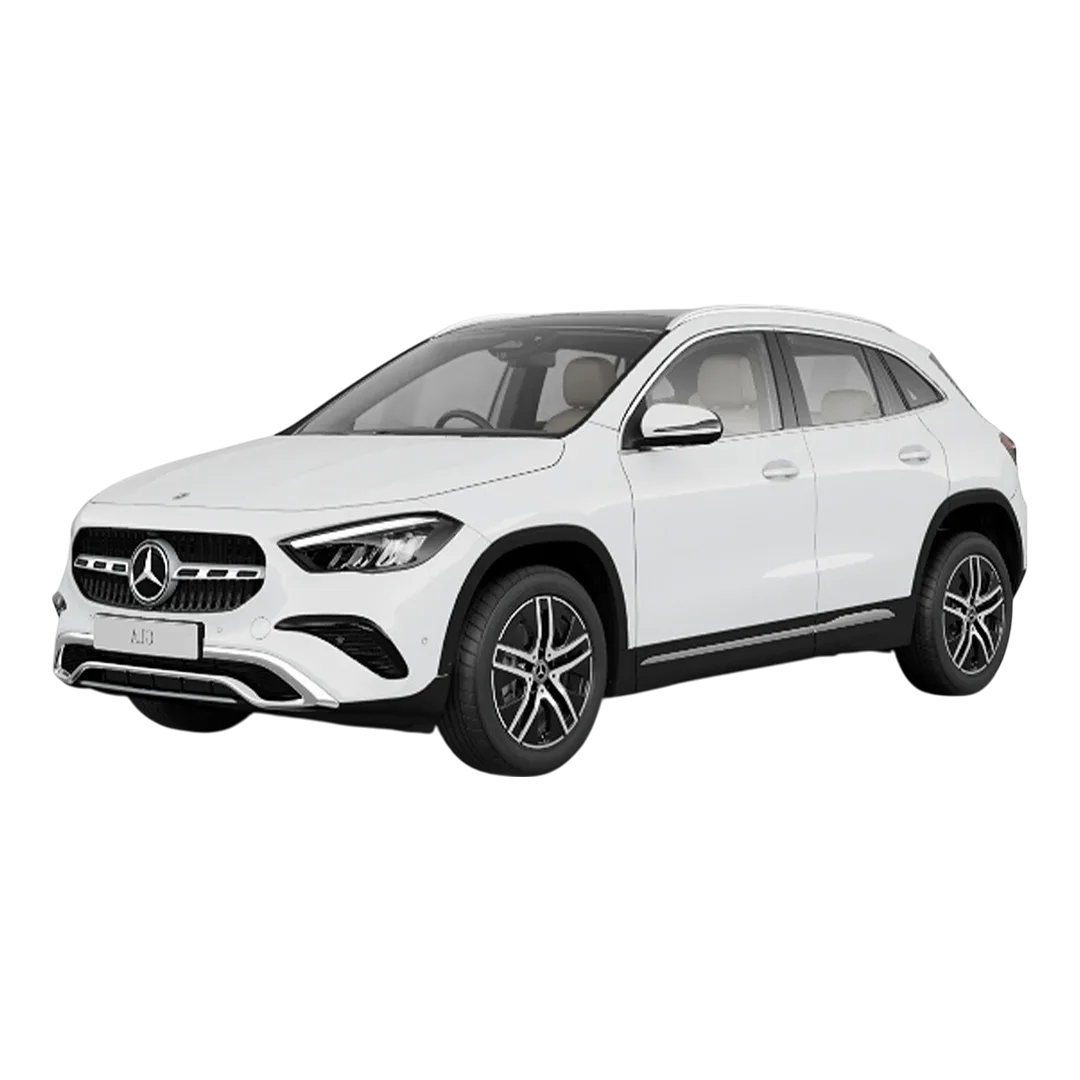 GLA 220d
 GLA-Class 200D
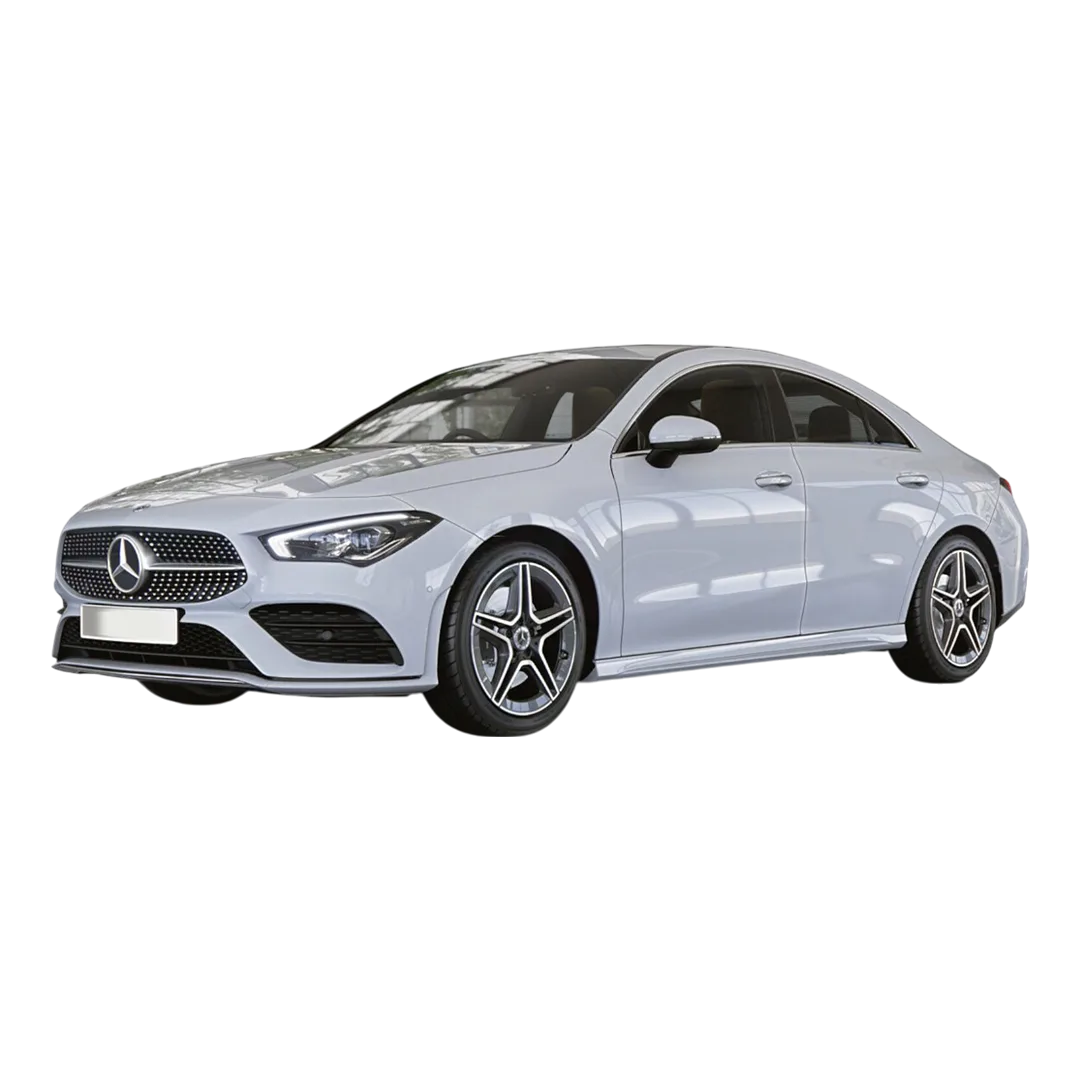 CLA 200
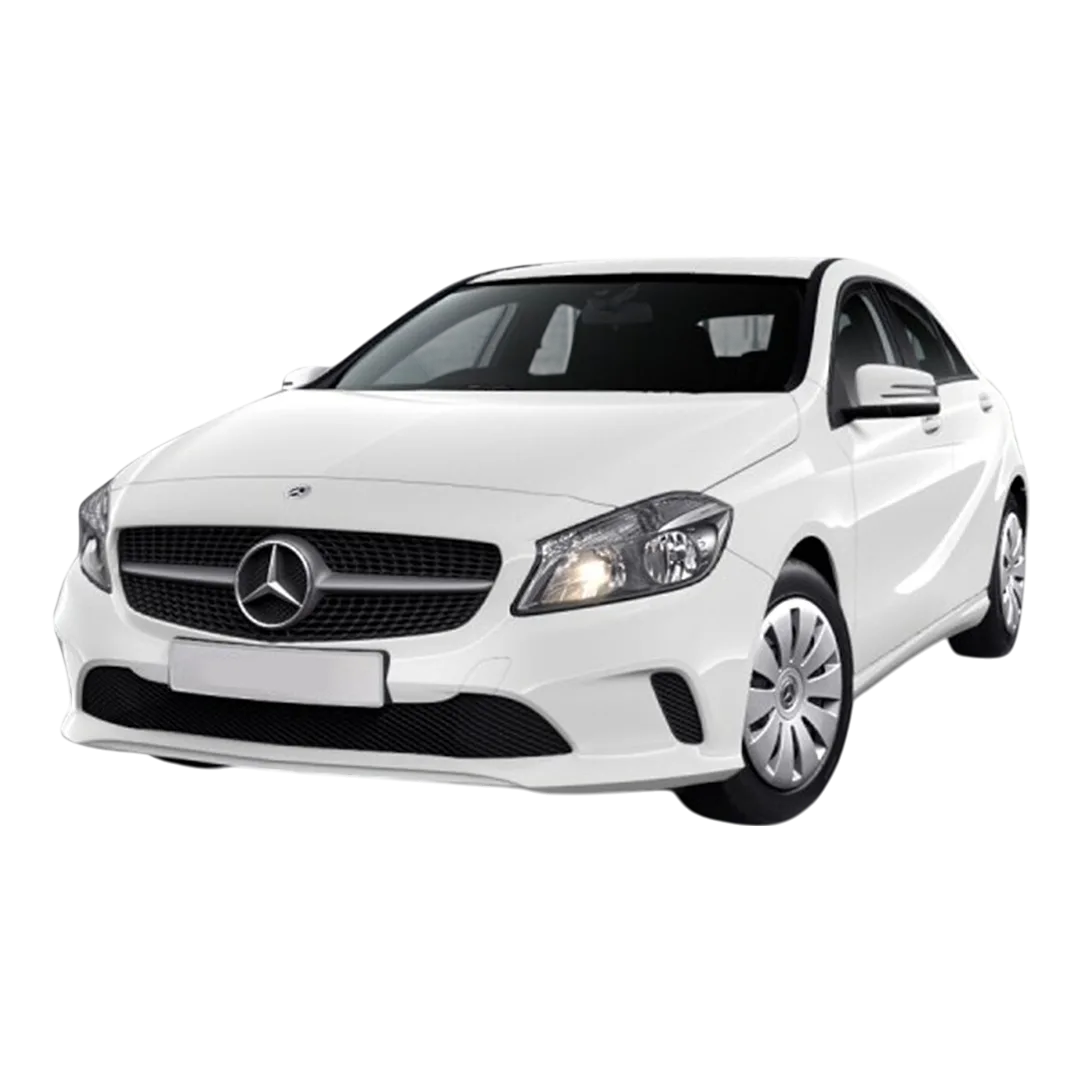 Benz A-Class A 180
M-Class ML 250
M-Class ML 350
Benz A-Class A 180
M-Class ML 250
M-Class ML 350
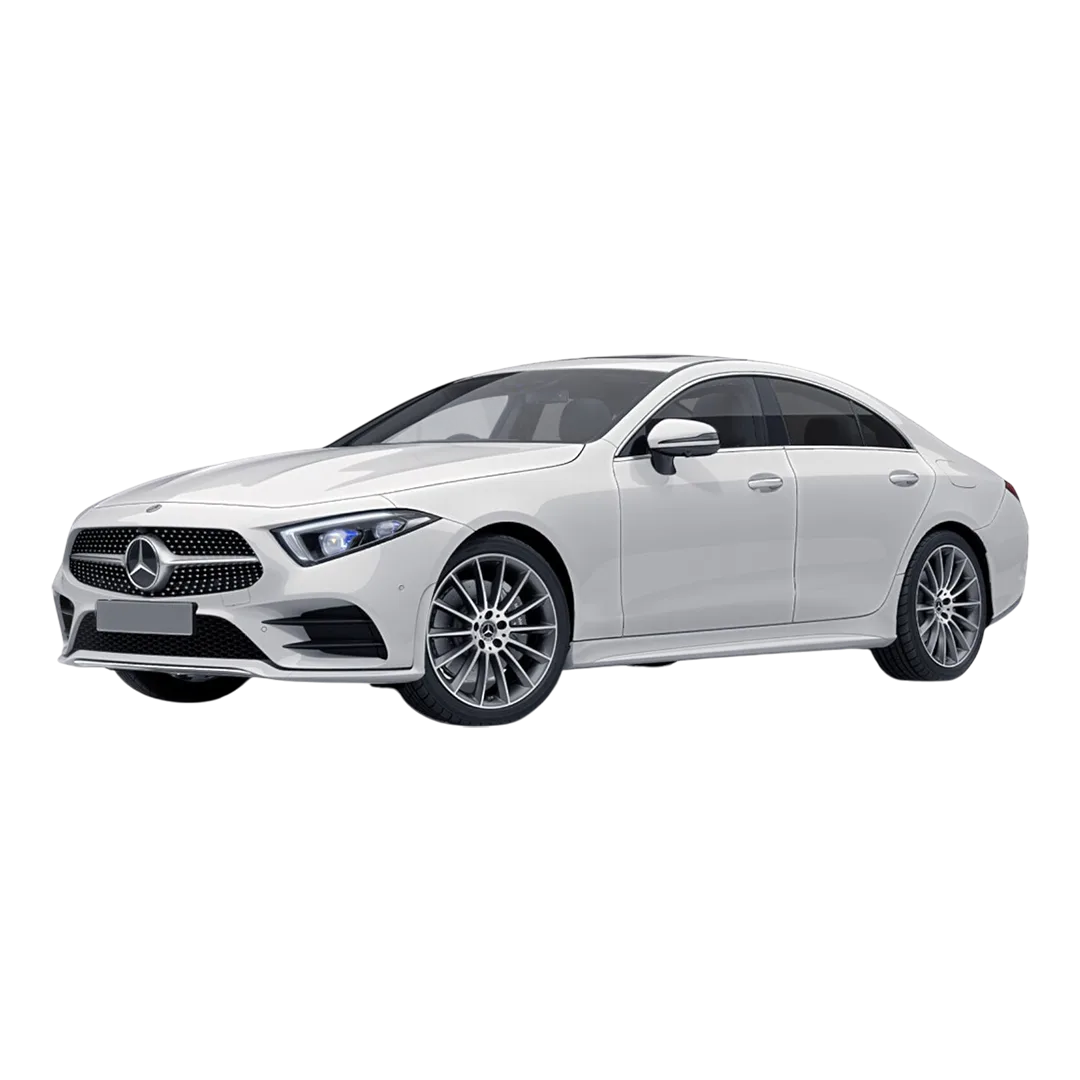 Benz CLS 300
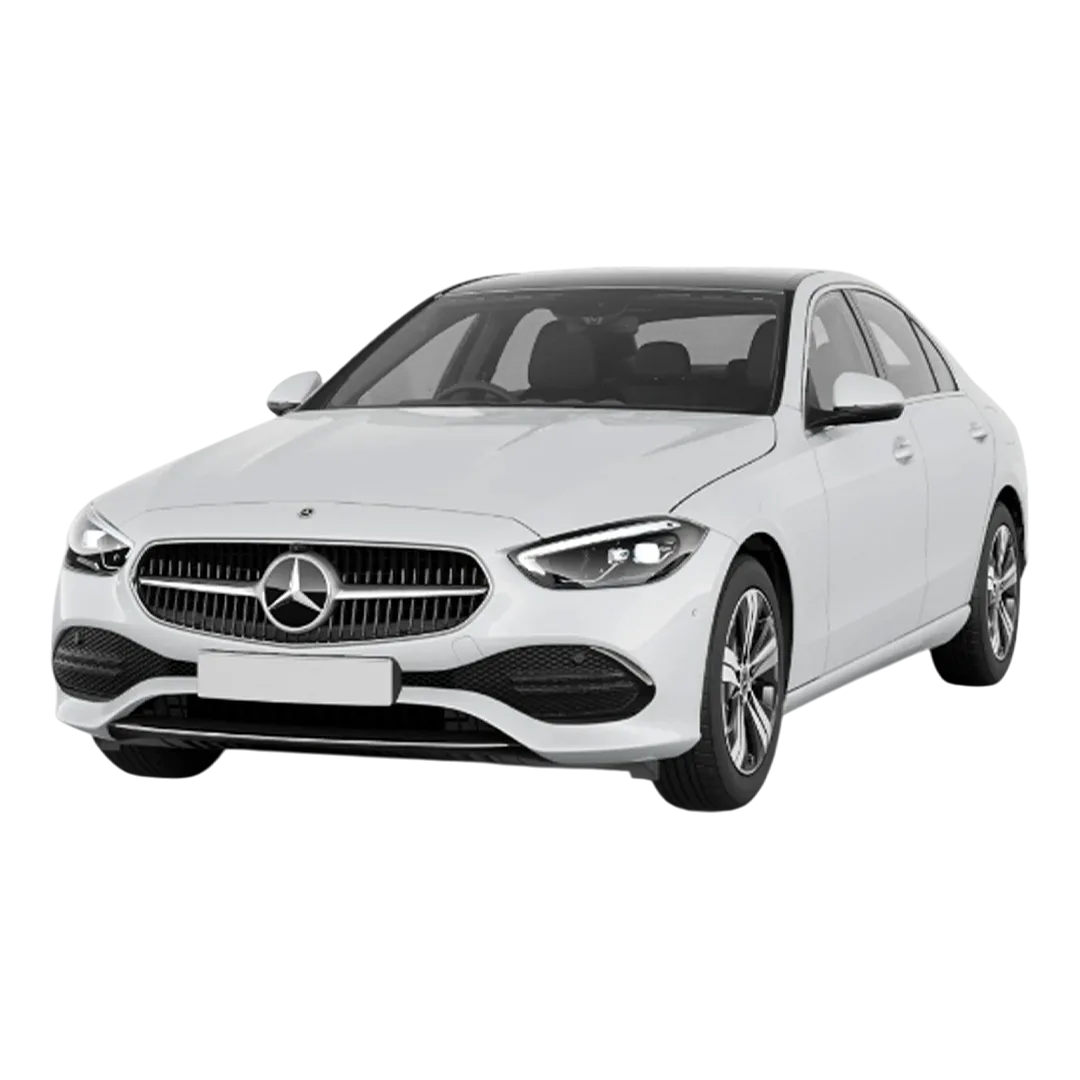 C-Class C250
C-Class C220
C-Class C200
C-Class C250
C-Class C220
C-Class C200
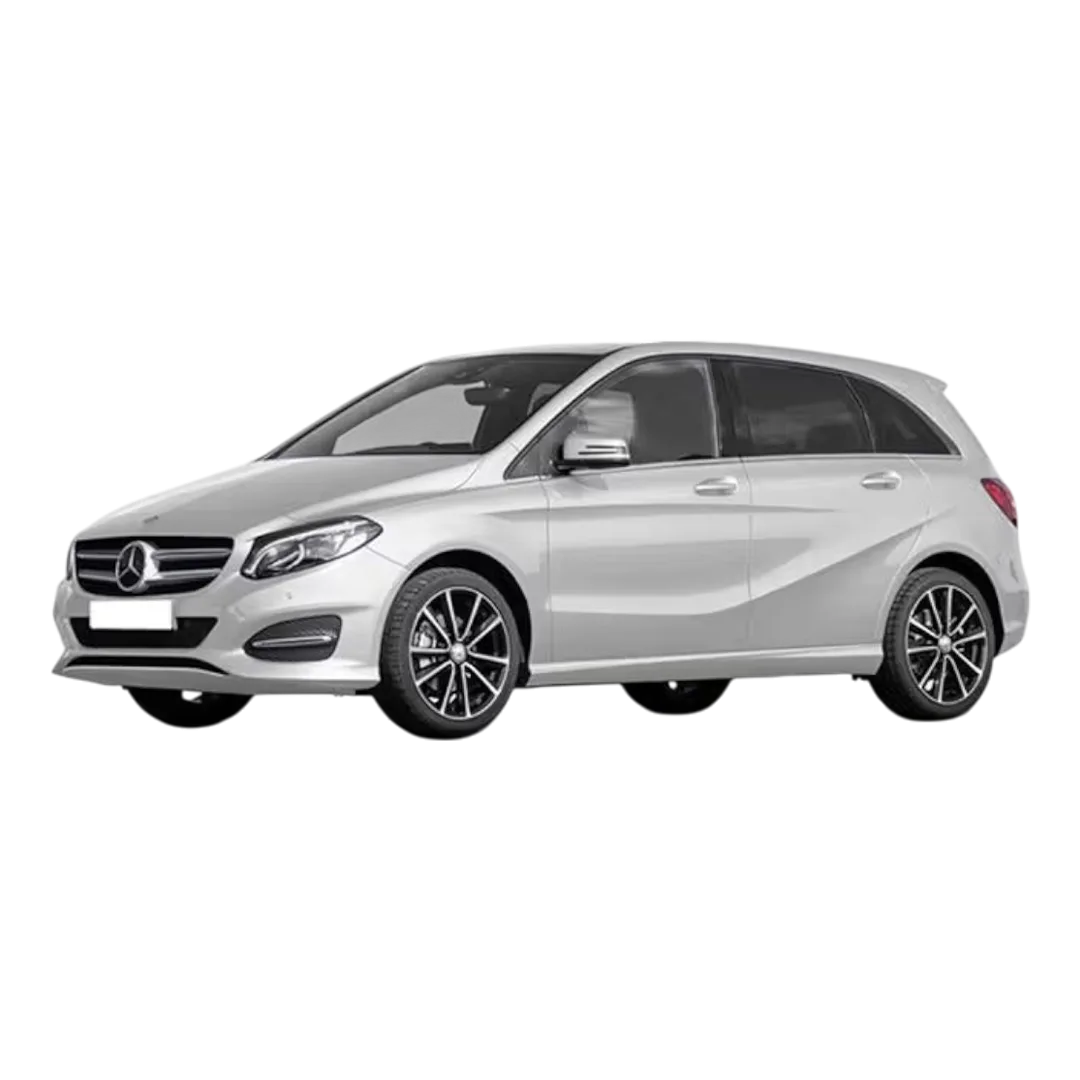 Benz B - Class
Benz A - 200
Benz B - Class
Benz A - 200
Let’s face it, fuel prices will rocket skyward due to their availability going down, and not far are the days when petrol and diesel will be more valuable than precious stones. The use of alternative fuels is not a far away concept as several countries around the world have started using them as regular fuels and these will become the norm in the very near future.
Traditional fossil fuels like petrol and diesel have powered transportation around the world, bringing tremendous development. However, their relentless use and abuse has brought them to the brink of exhaustion and it is estimated that our fossil fuel reserves will run out within this century. This is why alternative fuels, fuels that can be used as a substitute for traditional fuels, have started gaining traction in an effort to reduce our dependence on fossil fuels while also reducing emissions.
Biodiesel is a type of man-made diesel and an alternative fuel that can be used to run diesel engines. This diesel is derived from plant and animal fats. Pure biodiesel cannot be used to run on existing fossil fuel diesel engines and is blended with diesel in a specified ratio. To run on pure biodiesel, minor engine modifications like a heater near the fuel tank to prevent the fuel from gelling up in cold temperatures are done to adapt to the fuel characteristics. In India, biodiesel is used by bulk diesel consumers like Indian Railways and state road transport corporations. Mass production and consumption of biodiesel in India will soon be a reality.
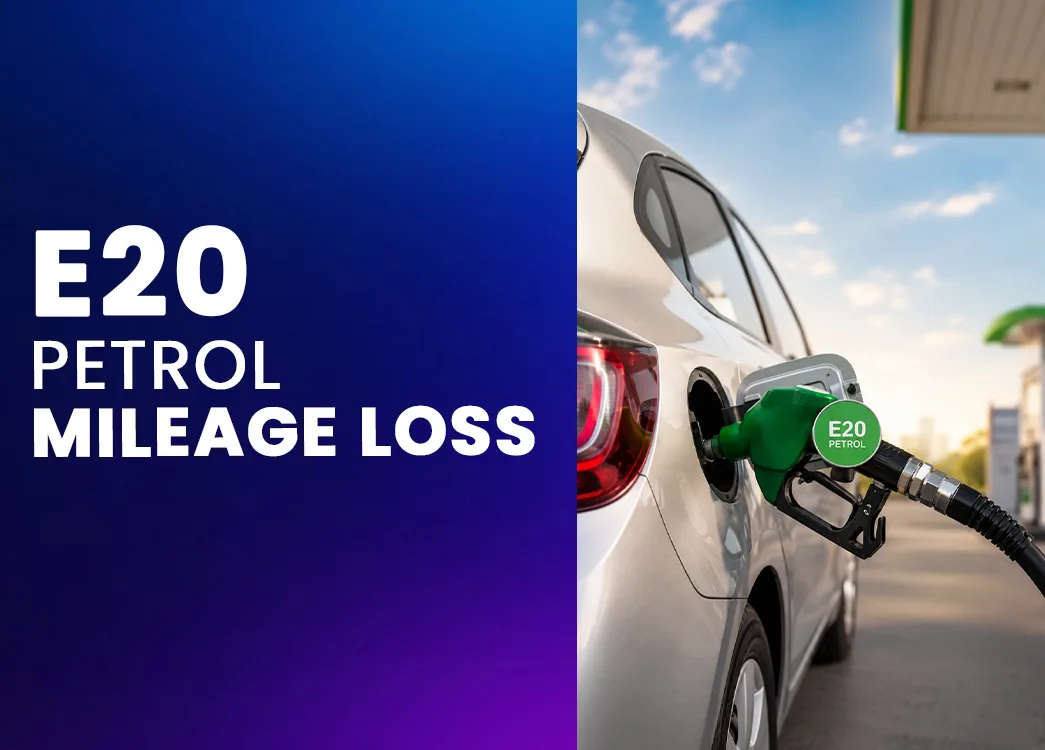
Ethanol is the alternative fuel for petrol and is majorly produced from sugarcane and maize (corn). Brazil and the USA are the world’s largest ethanol producers and users. 73 percent of Brazil’s cars can run on ethanol. Modified petrol cars can run on up to 85 percent ethanol blend and around 20 percent of Brazil’s special flex fuel cars run on 85% ethanol. India too has seen the potential of flex fuel and has planned on introducing 20% ethanol fuel blend by 2023.
Compressed Natural Gas, also known as CNG, is a naturally occurring gas deep under the earth’s surface. CNG is derived by deep drilling into natural gas reservoirs and then bringing it to the surface by means of pipes. Natural gas is then compressed and filled into cylinders for use. CNG is considered an alternative fuel to petrol as it is less expensive and less polluting than conventional fossil fuels. To use CNG, one has to have a CNG kit fitted onto their petrol car, which gives the dual fuel advantage to the vehicle.
CNG consumption has seen a rise in India owing to the ever-increasing fuel prices. Popular OEM car manufacturers in India are bringing in CNG-fitted cars to combat the rising fuel prices.
Electric vehicles have seen a steady increase in popularity and sales. Tesla is one electric car maker that is noted for its stylish electric cars and long range of running. In India, electric vehicles are being recognised as pollution-free alternatives to fossil fuel powered cars. Electric cars are powered by lithium-ion batteries, with batteries being the ‘alternative fuel’. These batteries are rechargeable and cost-efficient. Electric cars come with zero air emissions and zero sound emissions.
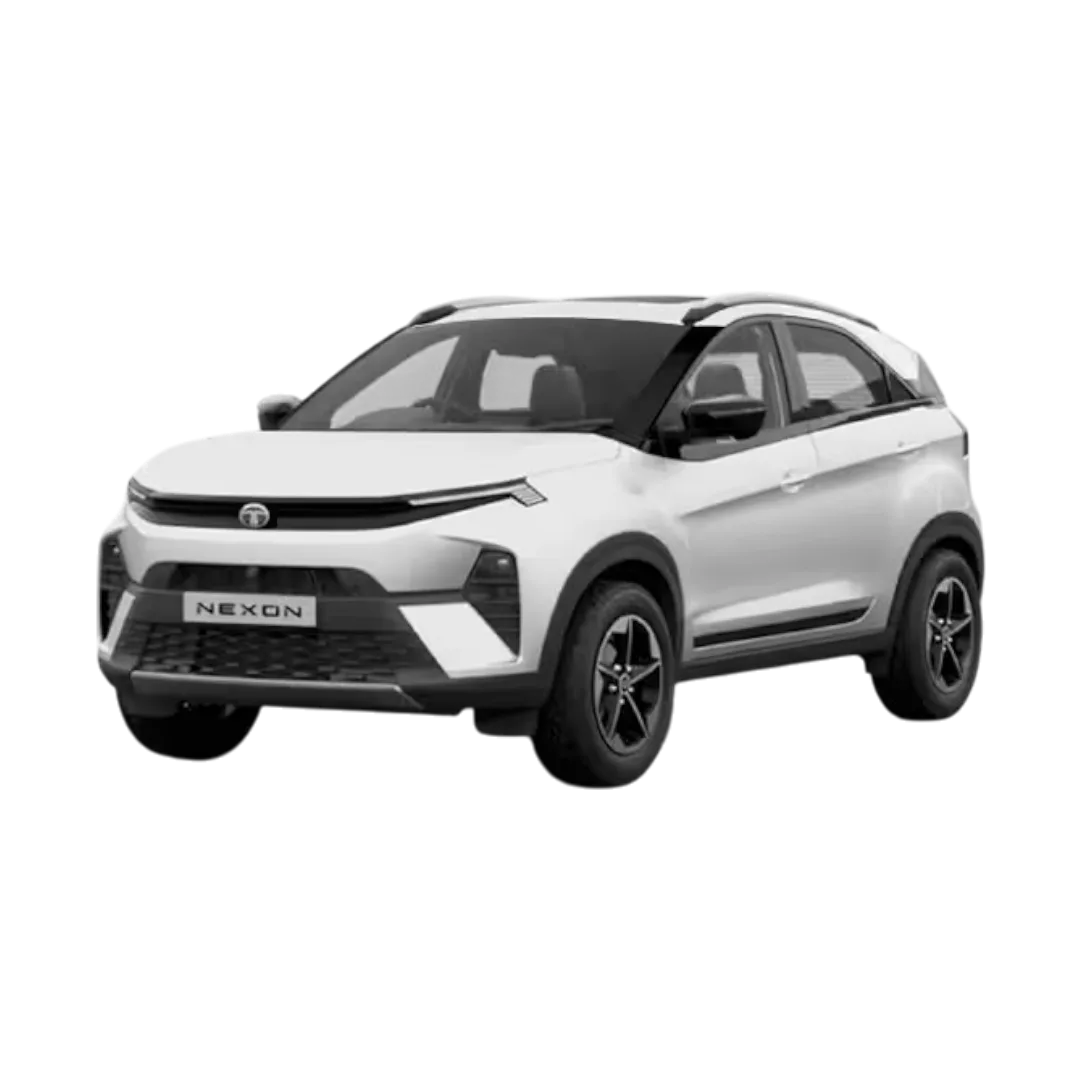
Tata Nexon is a popular electric car in India. However, EVs are yet to gain ground in India, which is set to increase in the near future after the implementation of FAME India scheme. By providing subsidies, FAME ("Faster Adoption and Manufacturing of Electric and Hybrid Vehicles in India") encourages the use of electric vehicles.
The hydrogen fuel cell is an alternative fuel that relies on hydrogen fuel cell technology. There are not many takers of the technology due to it being a complex fuel to produce. The hydrogen fuel cell relies on the chemical reaction between hydrogen and oxygen atoms to produce electricity that powers the vehicle. The only emission of the reaction is hot air and water, making it a very clean fuel. The hydrogen fuel cell is a relatively new concept in India that is still undergoing the testing phase.
While solar cars are still a distant possibility, they are a possibility nevertheless. Use of sunlight to produce electricity is not a new concept. However, its application to cars is still in the testing phase. Lightyear 1 is a solar-powered car manufactured by Dutch carmaker Lightyear that will be available for sale sometime in 2022. Other than that, solar power for cars is still in the experimental stage and many successful experiments have been conducted to date. India still is in the nascent stage when it comes to using solar power as an alternative fuel, and efforts are ongoing to boost the use of power of the sun.
Synthetic or man-made fuels have been in existence since the World War era, being used majorly as aviation fuel. Synthetic fuels are produced by utilising the same processes that make fossil fuels, albeit in a man-made factory and at a rate faster than how conventional fuels are produced. There are three types of synthetic fuels based on the manner in which they are produced, these are:
The process includes converting the existing renewable or non-renewable sources or waste products of energy to liquid fuel by means of chemical reactions. These mainly include the production of syngas, that comprises carbon monoxide and hydrogen, to liquid fuel. Synthetic fuels have shown to be cleaner and more efficient than conventional fuels. However, there are only a handful of producers of synthetic fuels around the world, making it difficult to ascertain the possibility of mass production of the same. But given the rising prices of conventional fuels and dwindling reserves, synthetic fuels as alternative fuels could soon become a reality.
Shop car accessories worth ₹999+ on the Creckk App and stand a chance to win a Thailand vacation worth ₹49,999* – no hidden charges, no extra entry! Oh, and 10 lucky buyers also get a free smartwatch. So go ahead, give your car that glow-up and you might just end up on a beach!
Diesel accounts for almost 40% of all petroleum products consumed in the country. A large part of diesel’s demand comes from the farming sector, which uses it for irrigation pumps and vehicles.
As of August 3, 2022, there were 13,92,265 electric vehicles (EVs) being driven on Indian highways according to data released by the Ministry of Road Transport and Highways. There are currently 5,44,643 two-wheelers and 54,252 vehicles with four wheels or more.
Utilizing alternative fuels could help cut down on carbon dioxide and other greenhouse gas emissions from cars and trucks. As part of its commitment under the Paris Climate Agreement, India aims to reduce carbon emissions by 33% to 35% by 2030.
On India’s 75th Independence Day, the Prime Minister launched the National Hydrogen Mission to make India a green hydrogen hub. As a result, the production of 5 million tonnes of green hydrogen by 2030 and the development of renewable energy capacity will be achieved.