



































































































































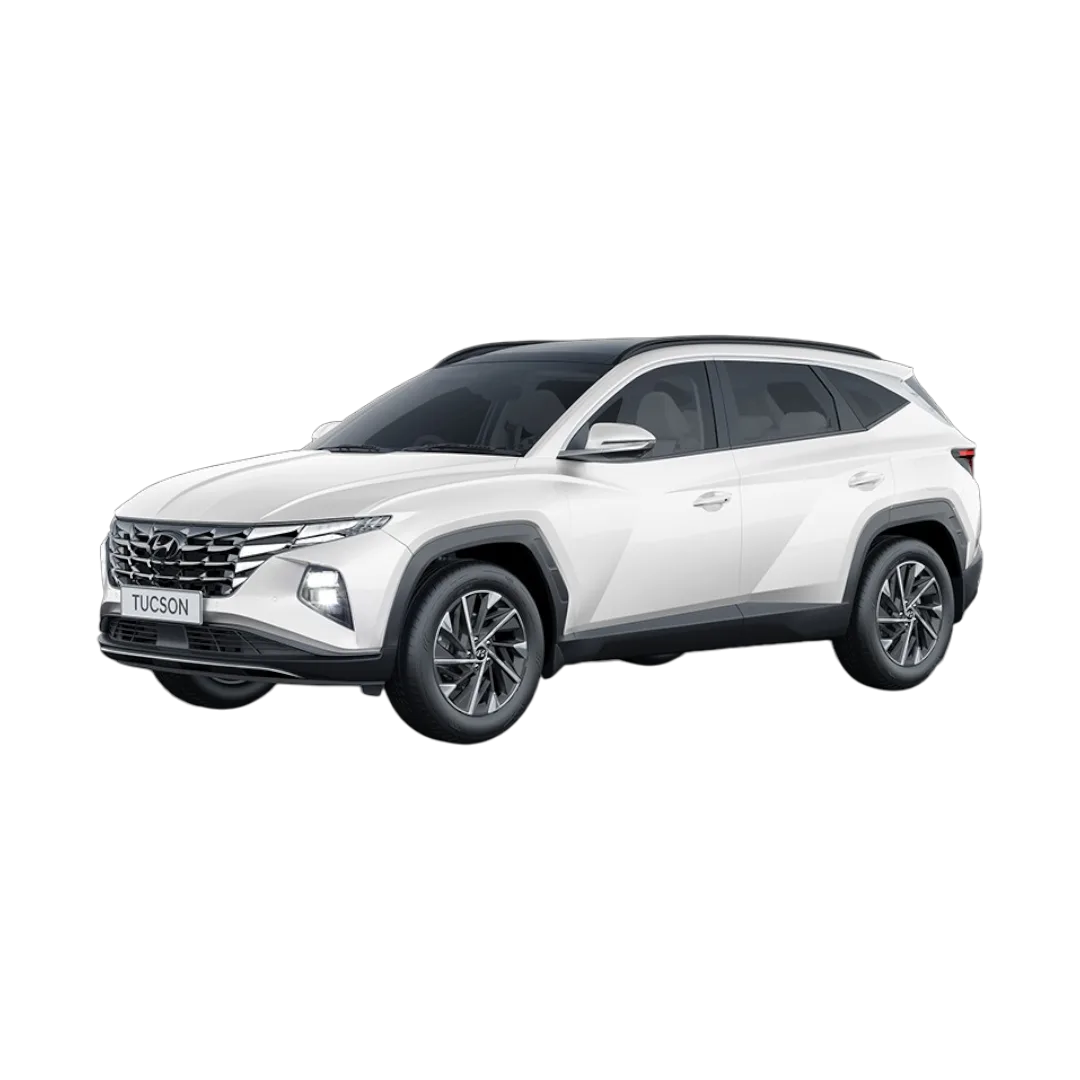
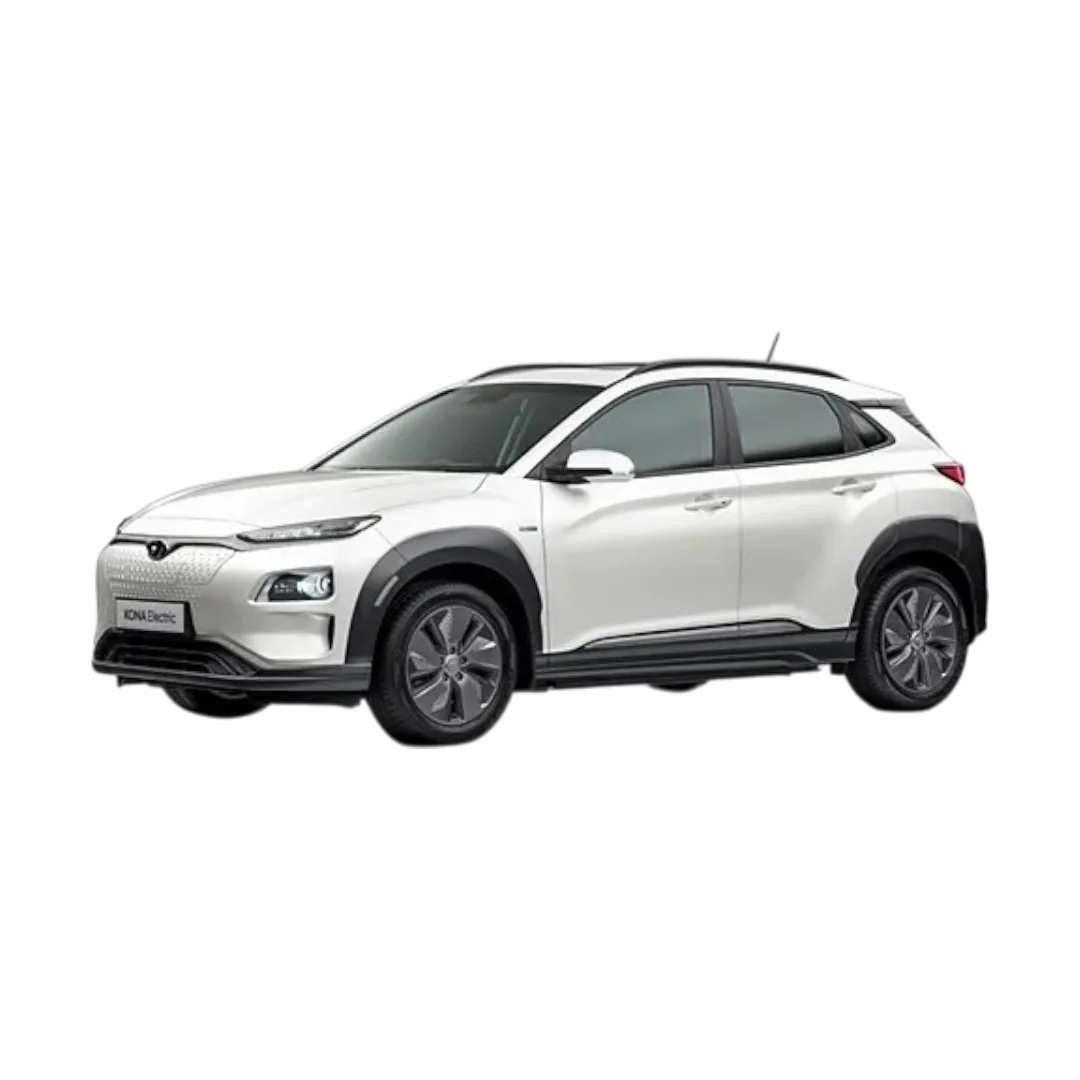
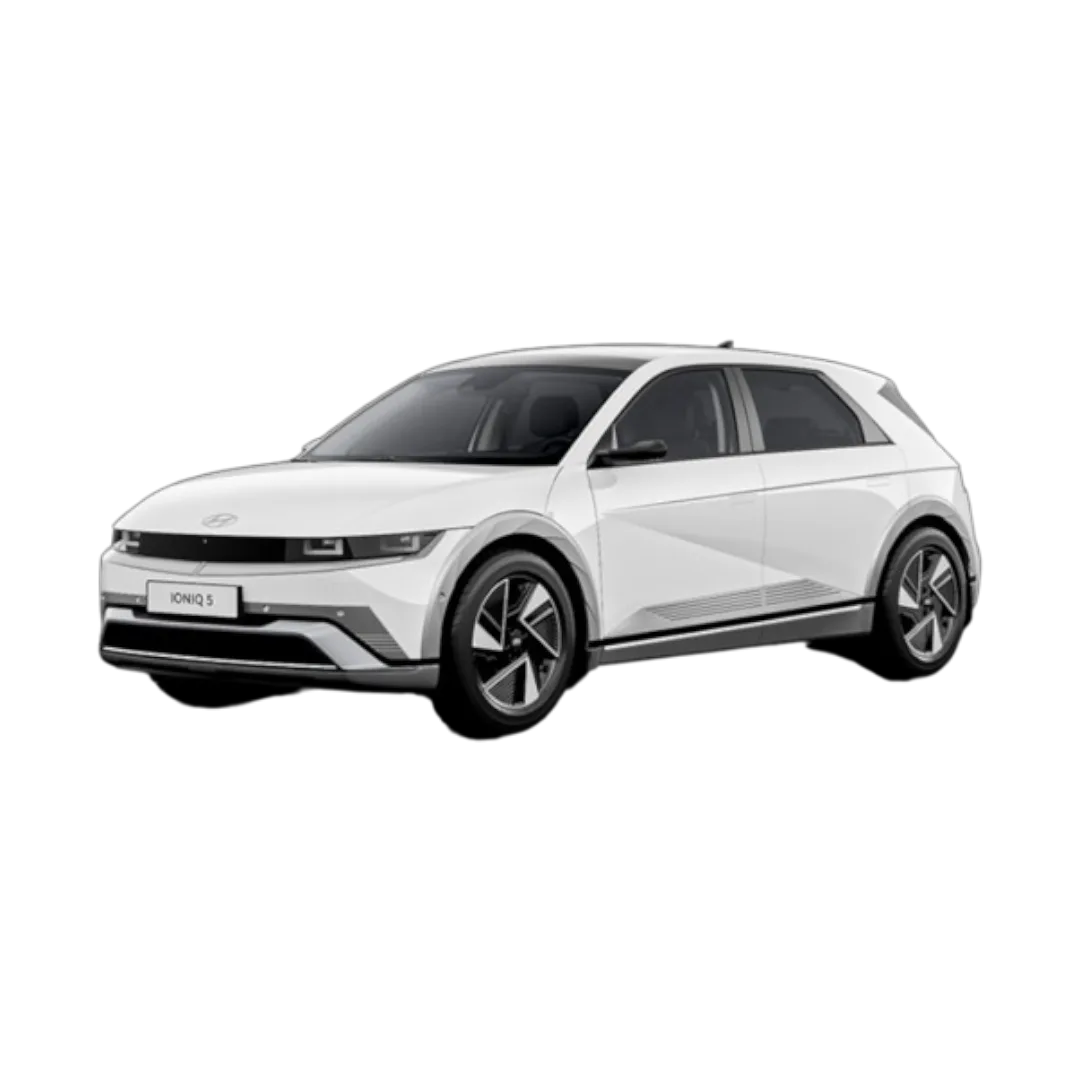
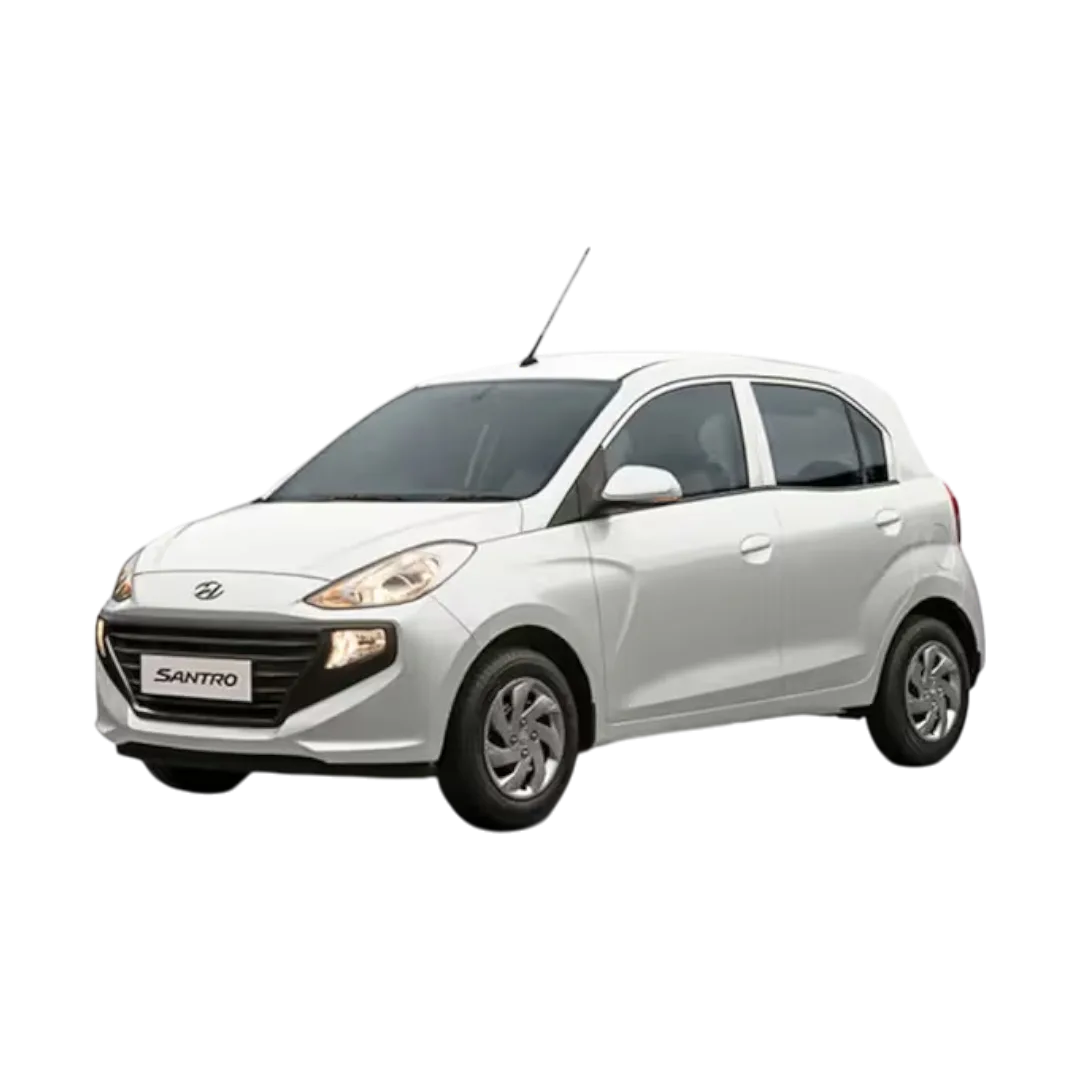




































































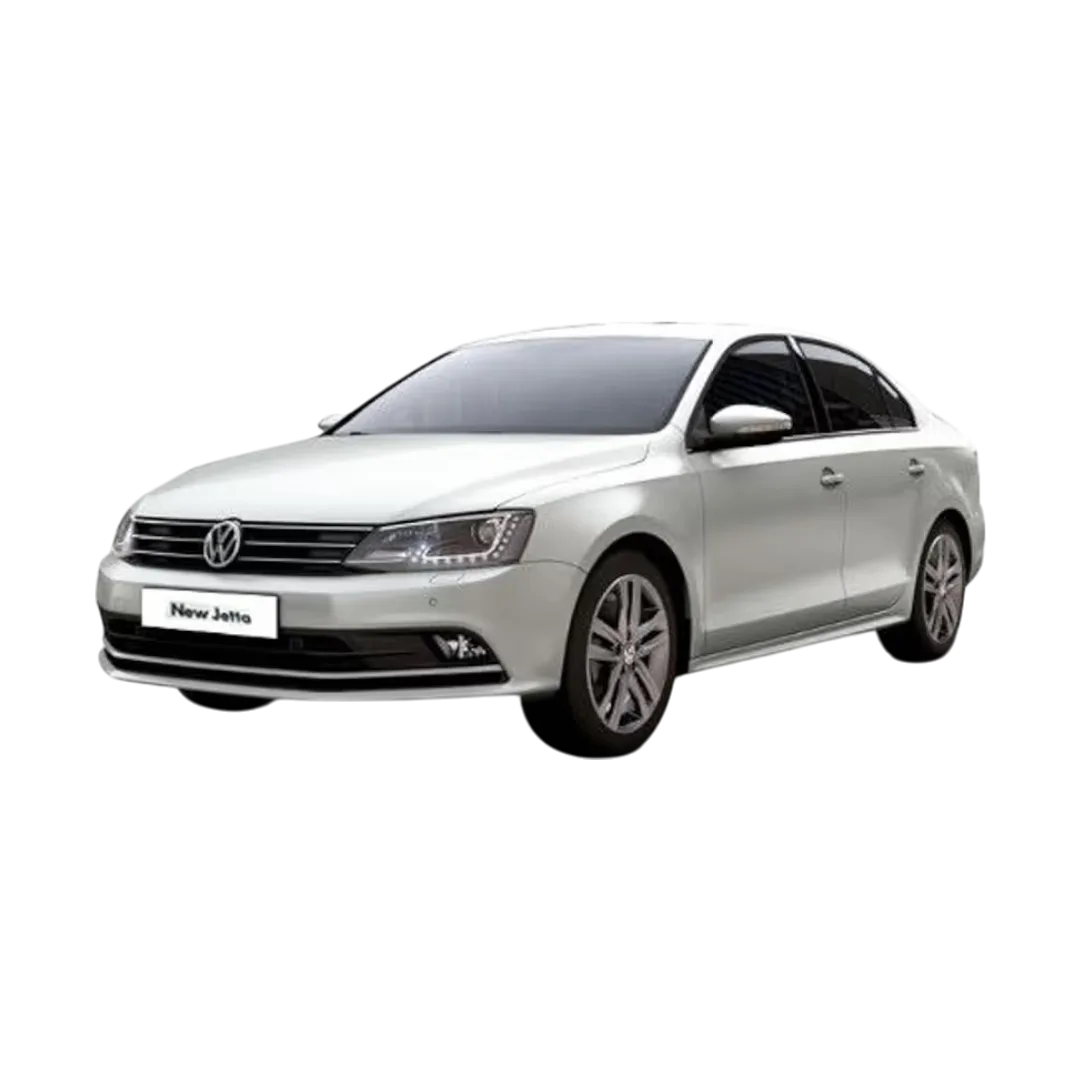




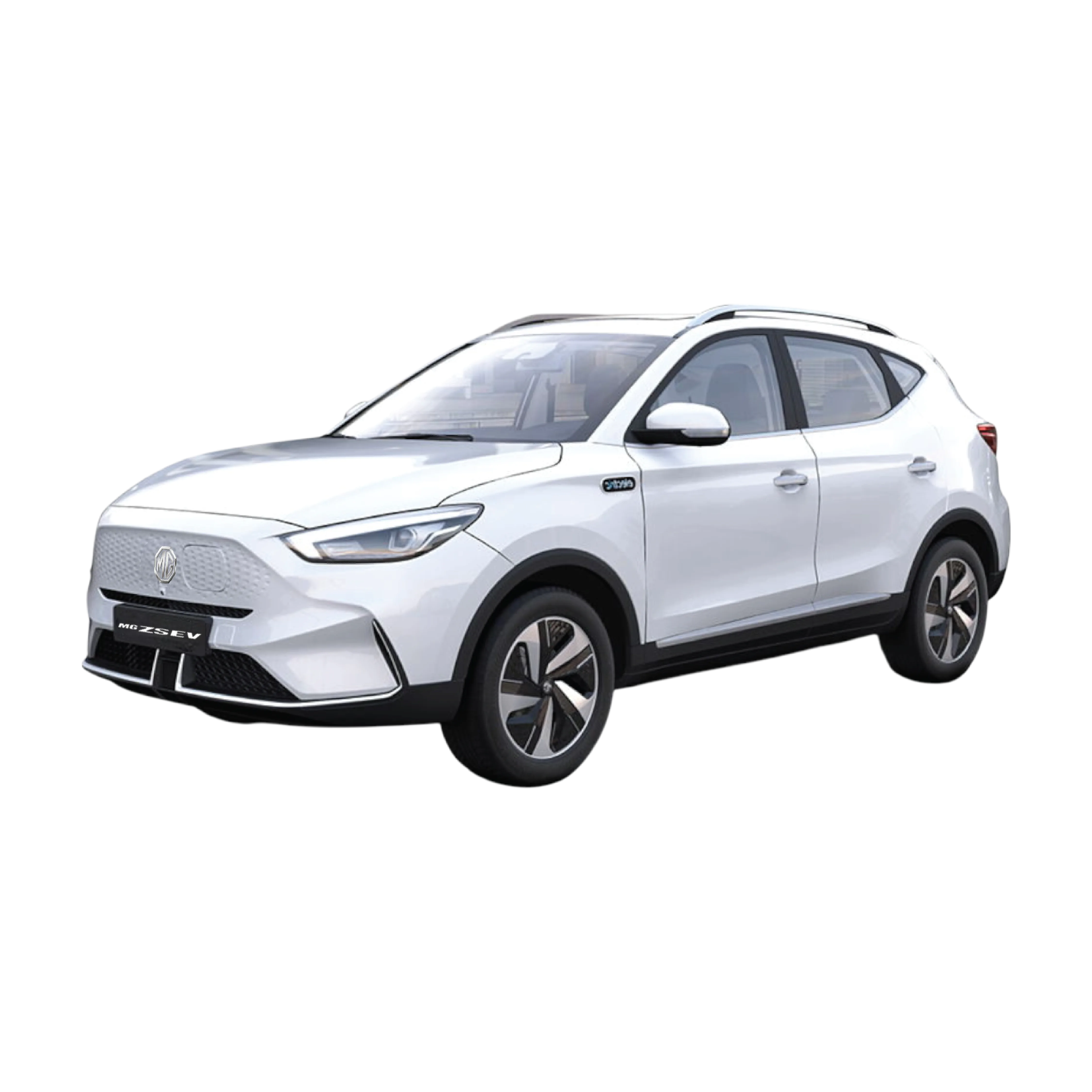

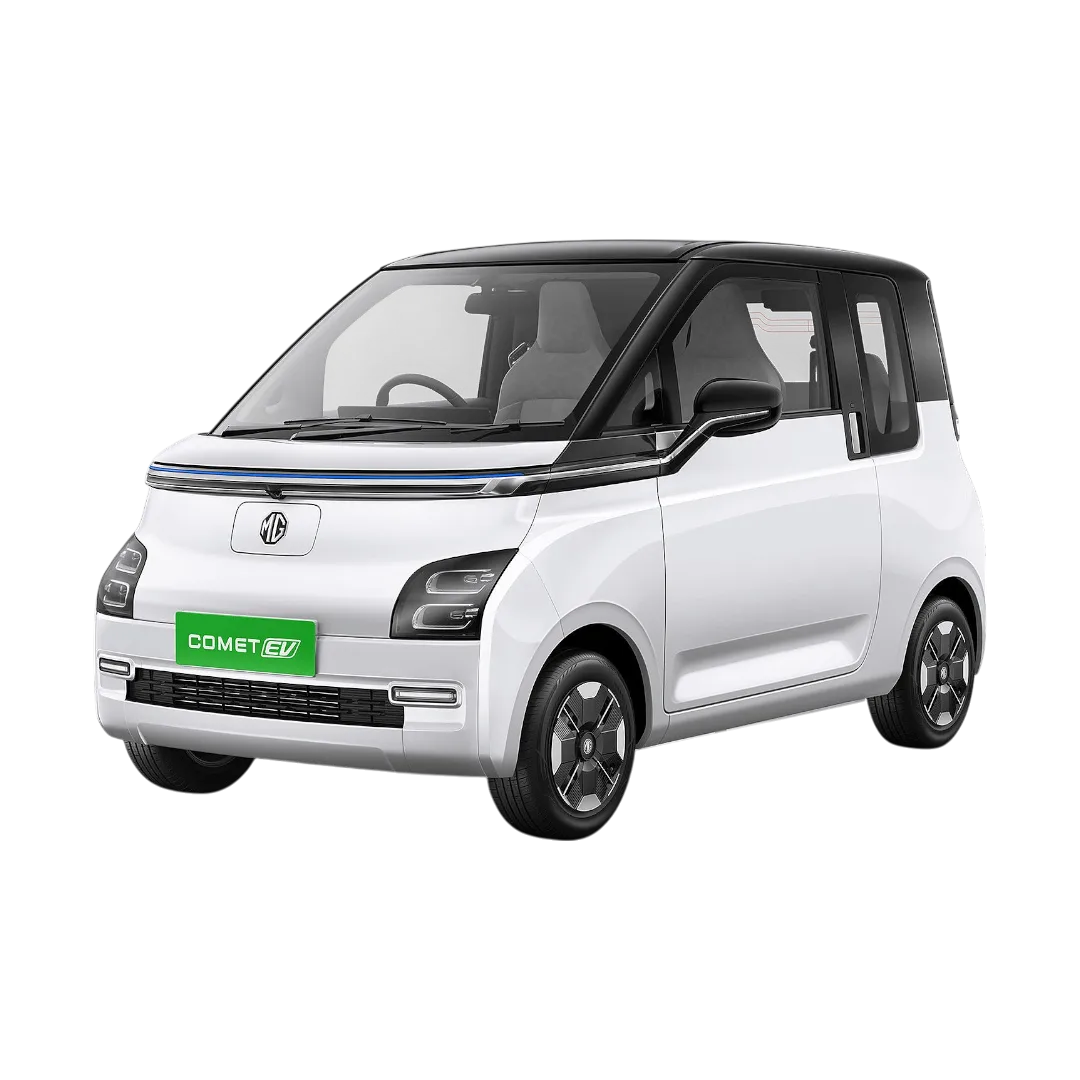




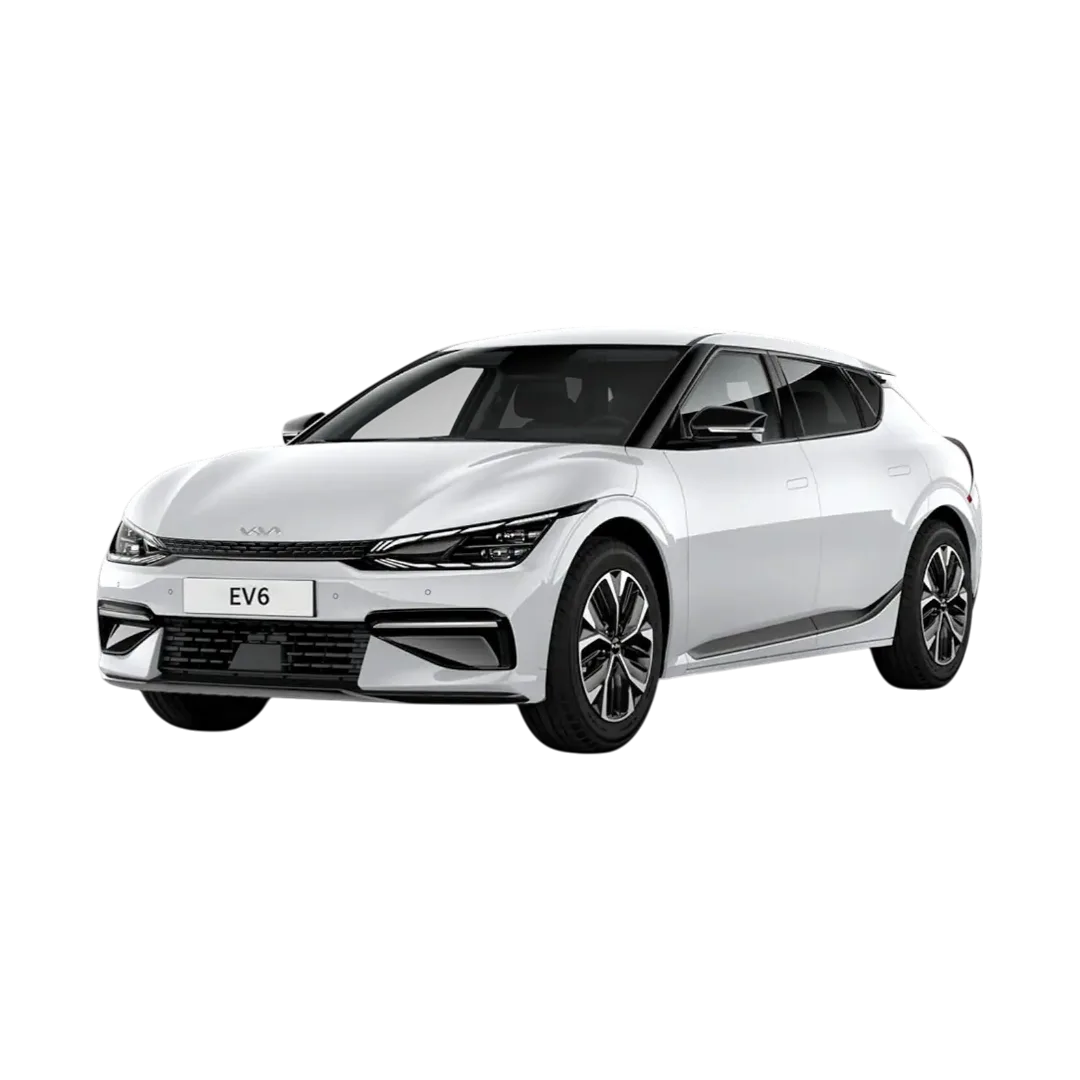

















































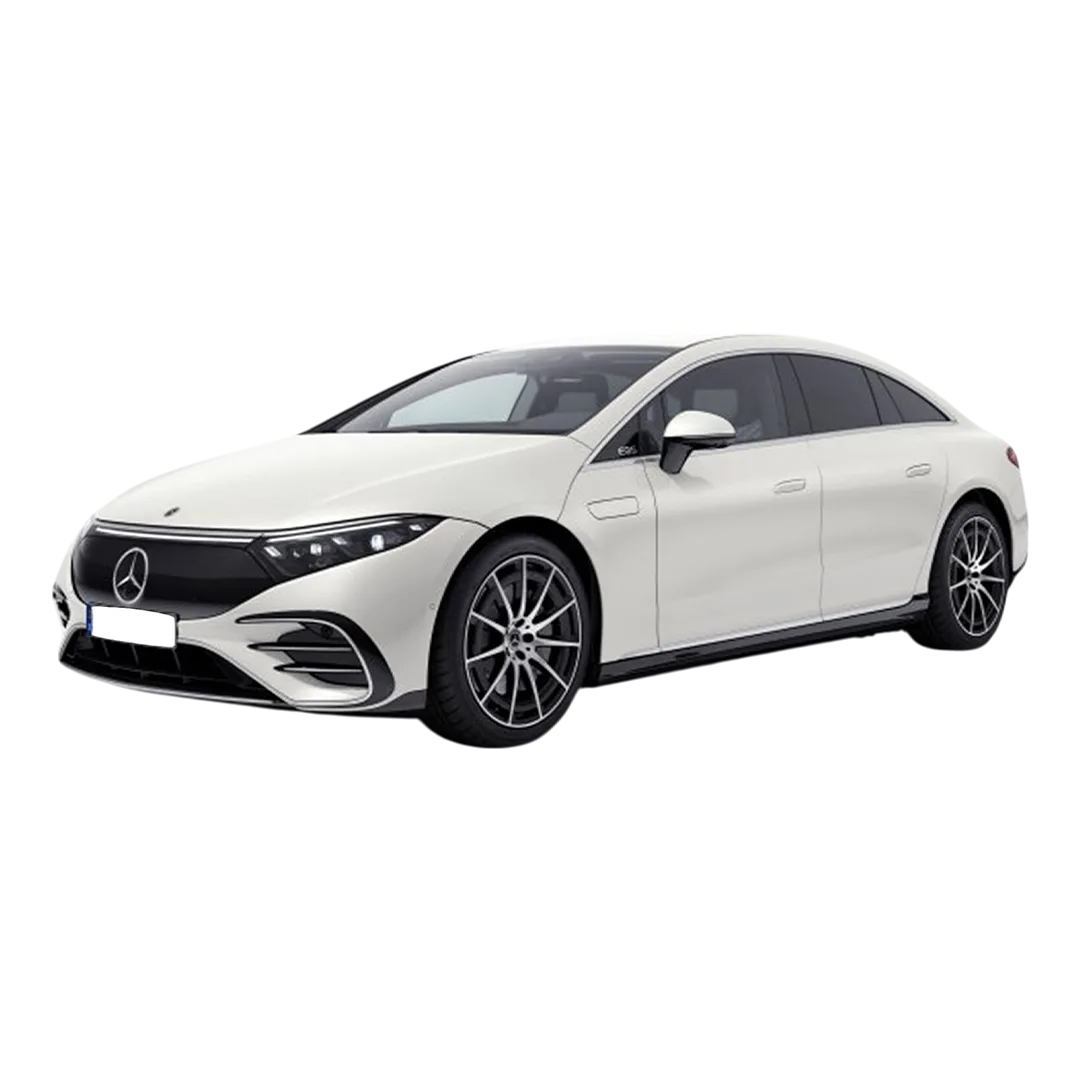

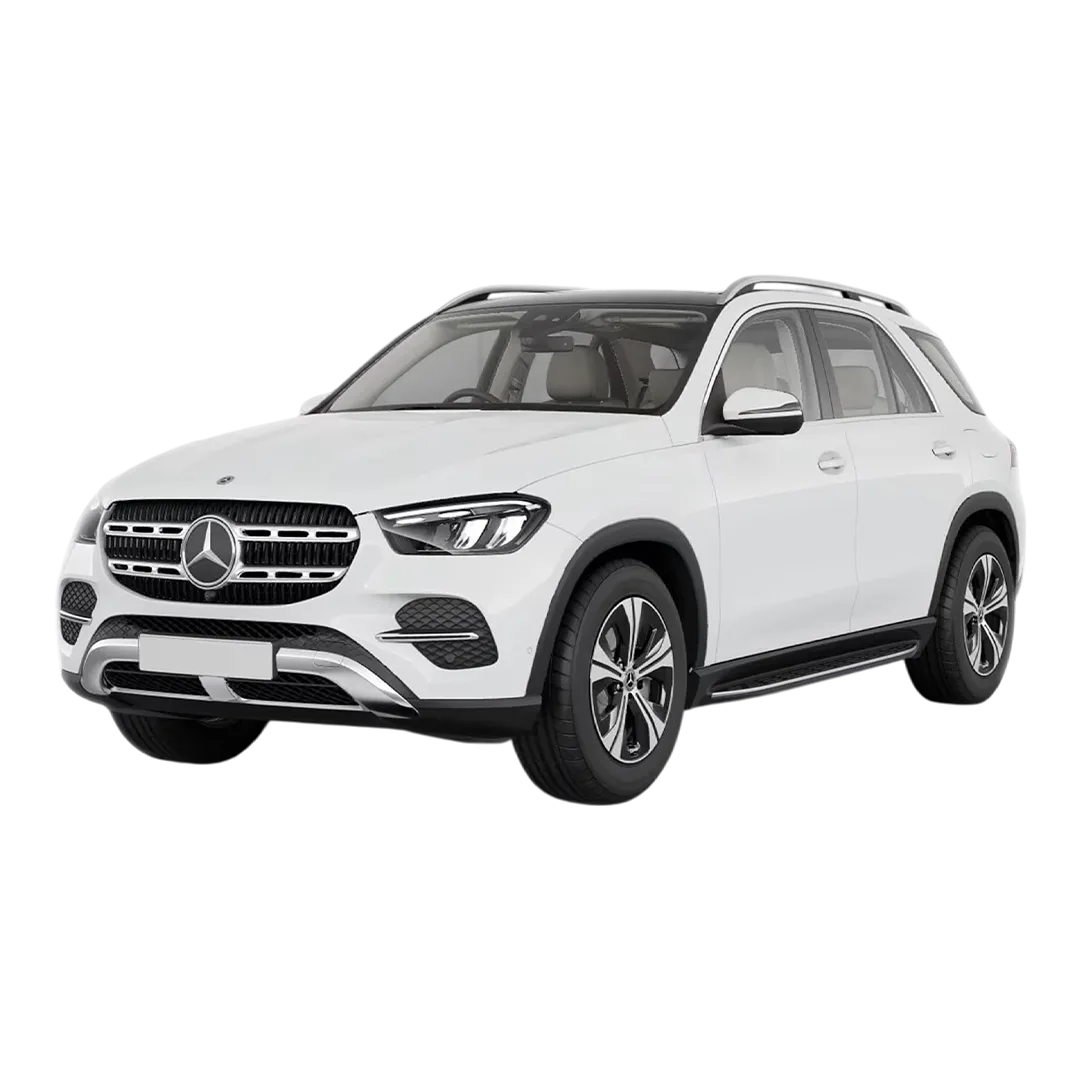



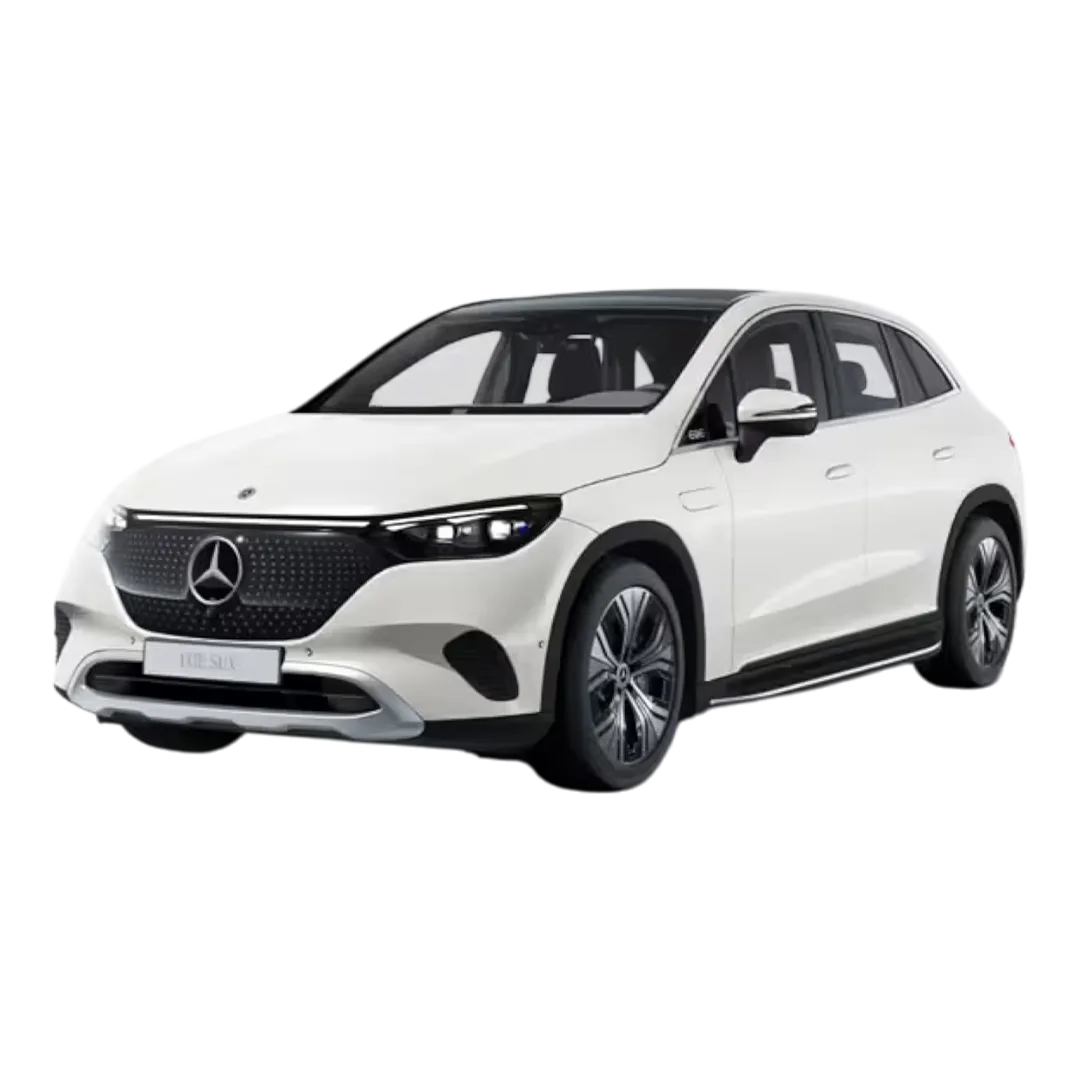
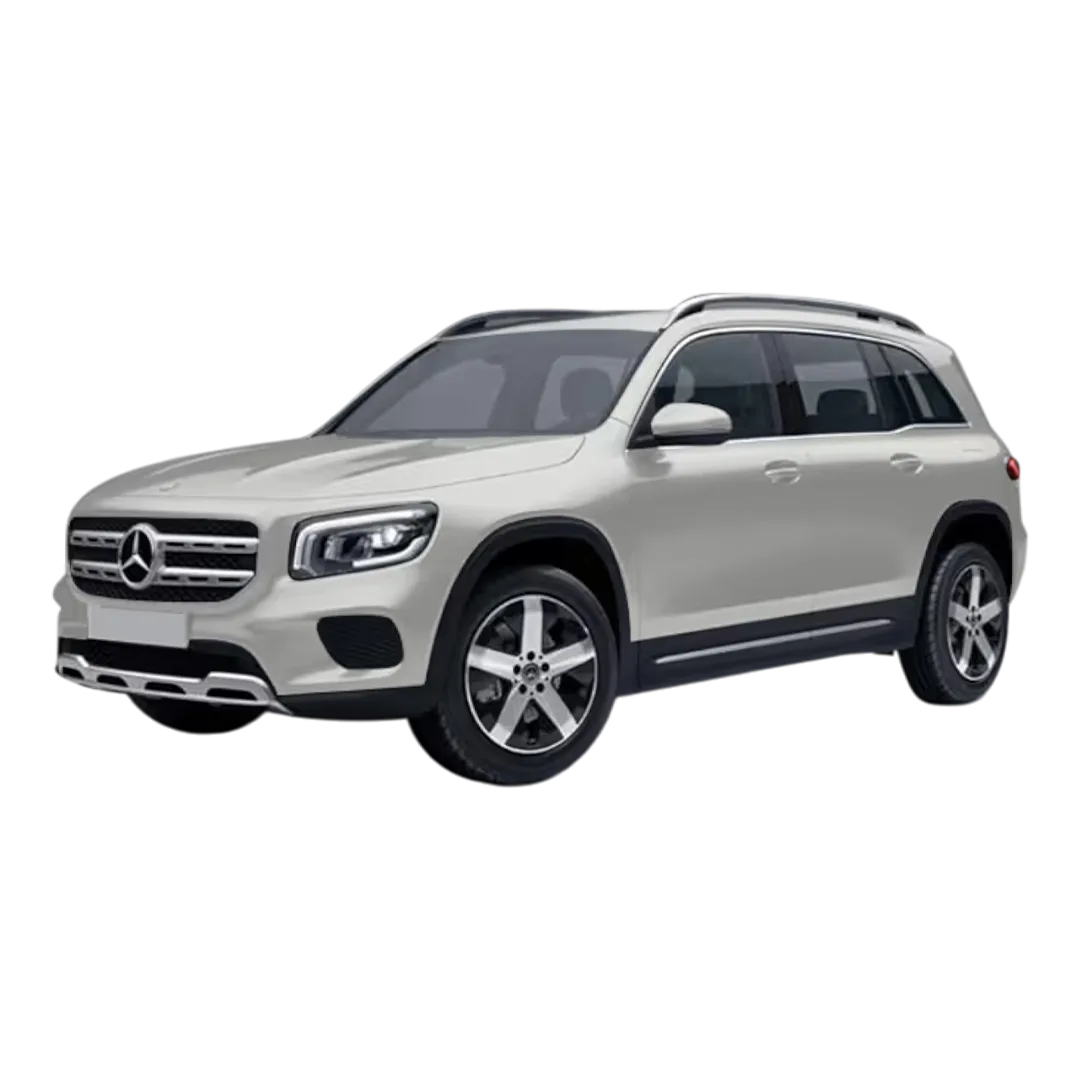








































India’s automotive industry is moving through one of its most significant transformations in decades. The traditional dependence on petrol and diesel is gradually being complemented by electric vehicles, CNG vehicles, hybrids, biofuels, and other alternative fuel vehicles. This shift is being influenced by changing consumer expectations, fuel economics, environmental concerns, technological improvements, and investment in new mobility infrastructure.
The growth of electric vehicles in India is particularly significant. Government programmes are supporting EV adoption across multiple vehicle categories, while investments in charging infrastructure and domestic manufacturing are helping build a broader EV ecosystem. Public charging infrastructure is also expanding, making electric mobility increasingly practical for consumers in cities and along major travel routes.
However, India’s transition will not necessarily follow a single path. CNG vehicles continue to offer a practical option for drivers who prioritise running costs and convenient refuelling, while hybrids and other technologies can bridge the gap between conventional and fully electric mobility.
For consumers, understanding the benefits of electric vehicles, the practical advantages of CNG, and how EVs are changing the automotive industry can make future vehicle decisions easier. From batteries and charging systems to vehicle accessories and connected technologies, the transformation is creating opportunities throughout the automotive ecosystem, including for automotive platforms such as Creckk.
1. The Rapid Growth of Electric Vehicles in India
The growth of electric vehicles in India is no longer limited to a small group of technology-focused buyers. Electric mobility is gradually becoming part of mainstream automotive discussions, with electric two-wheelers, three-wheelers, buses, commercial vehicles, and passenger cars gaining visibility across the country.
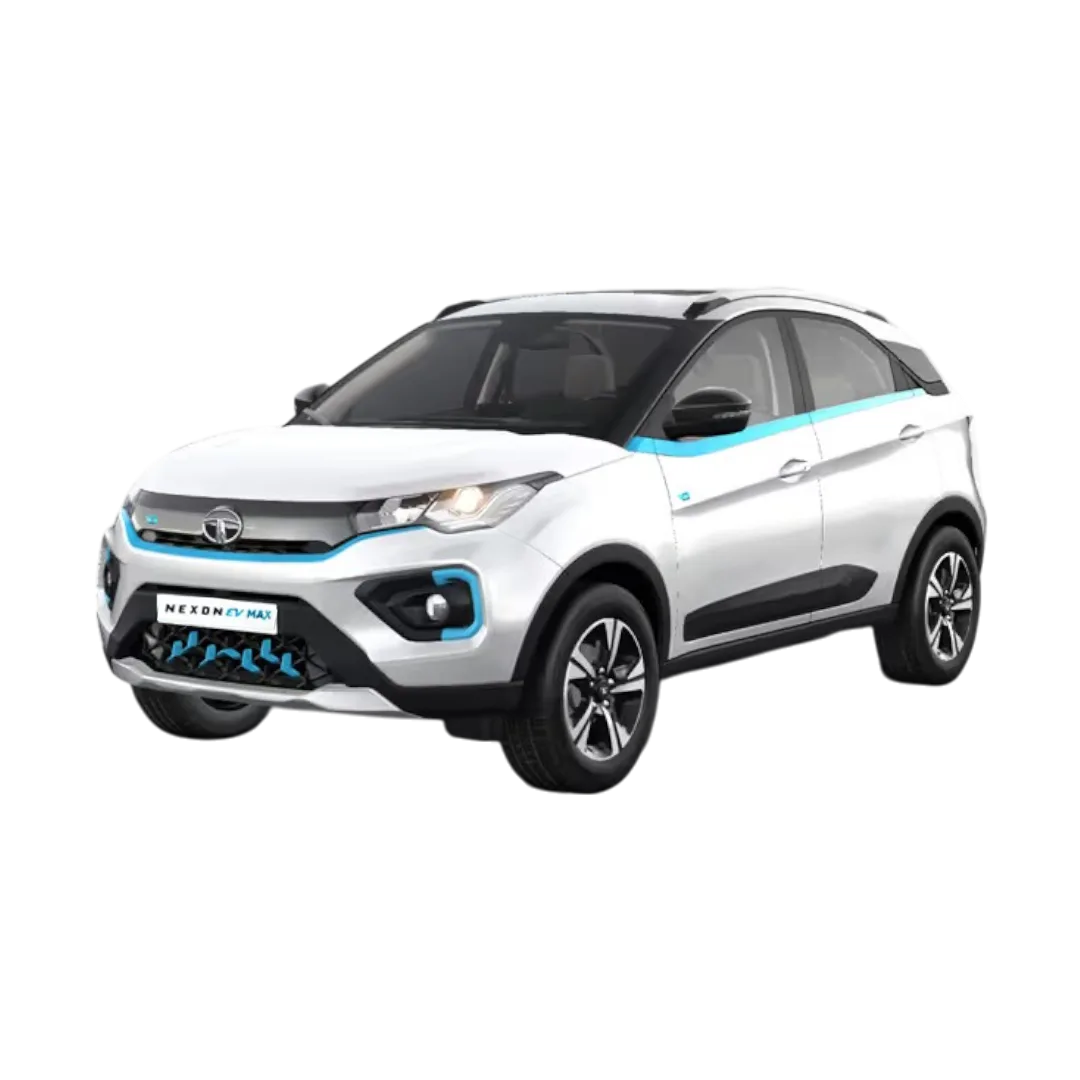
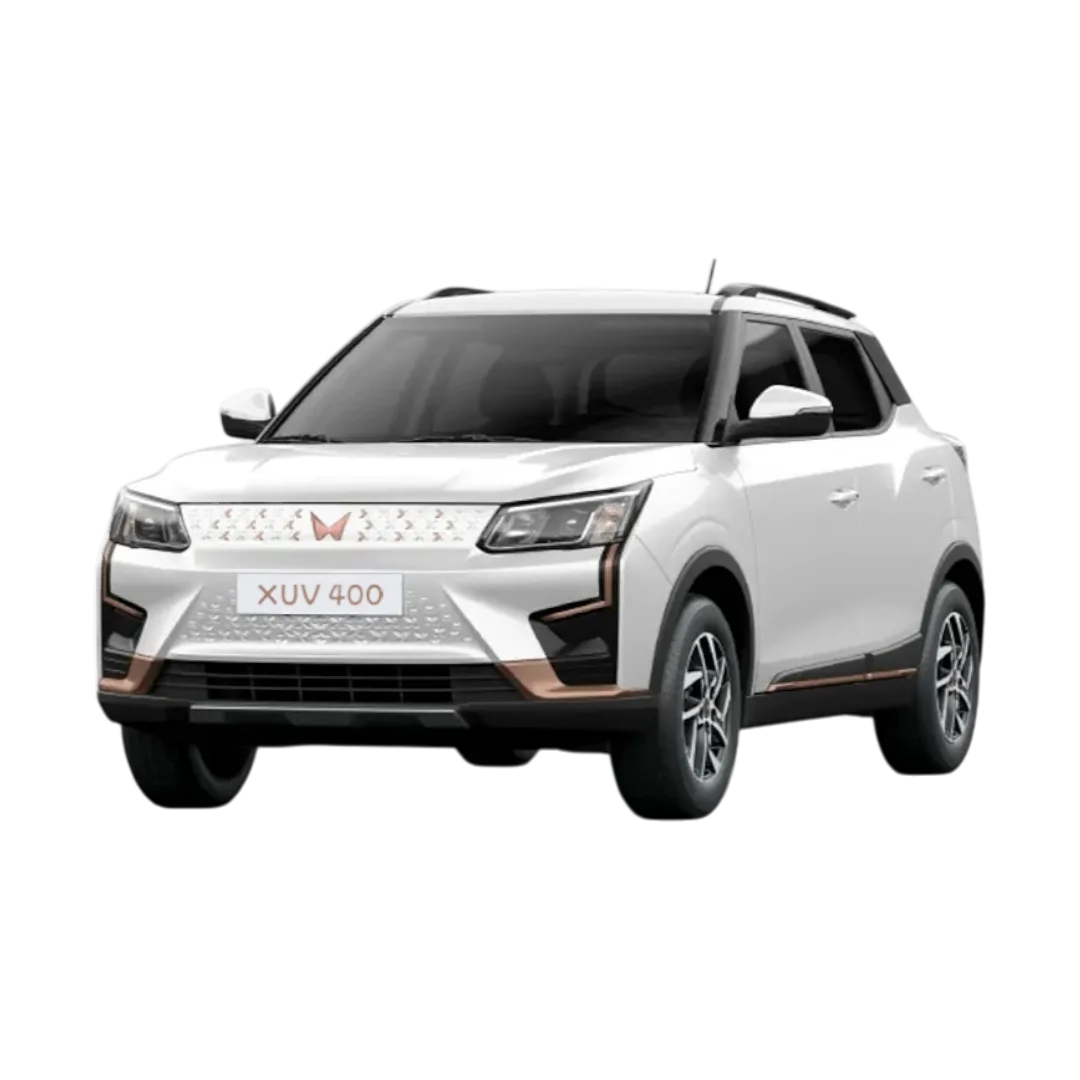
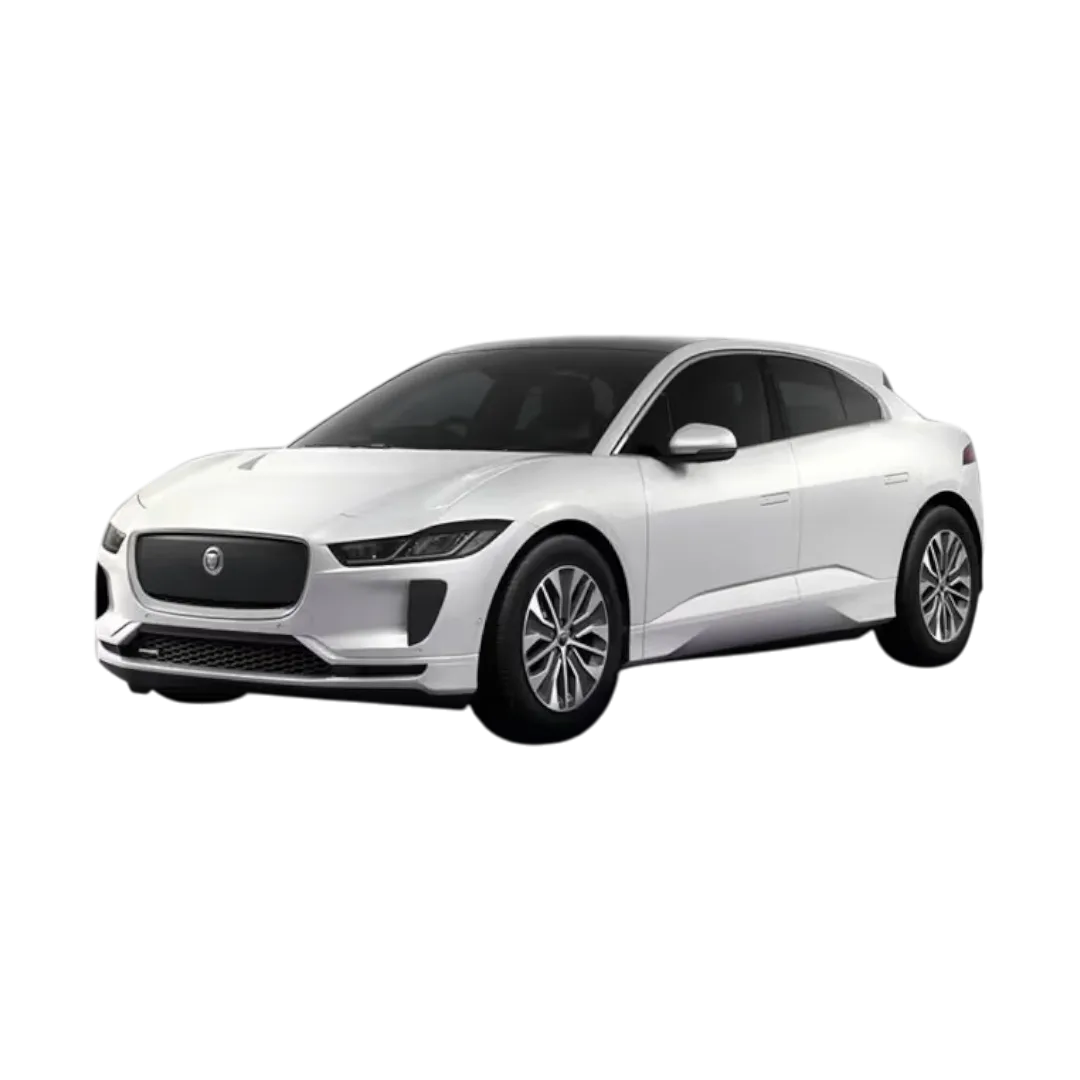
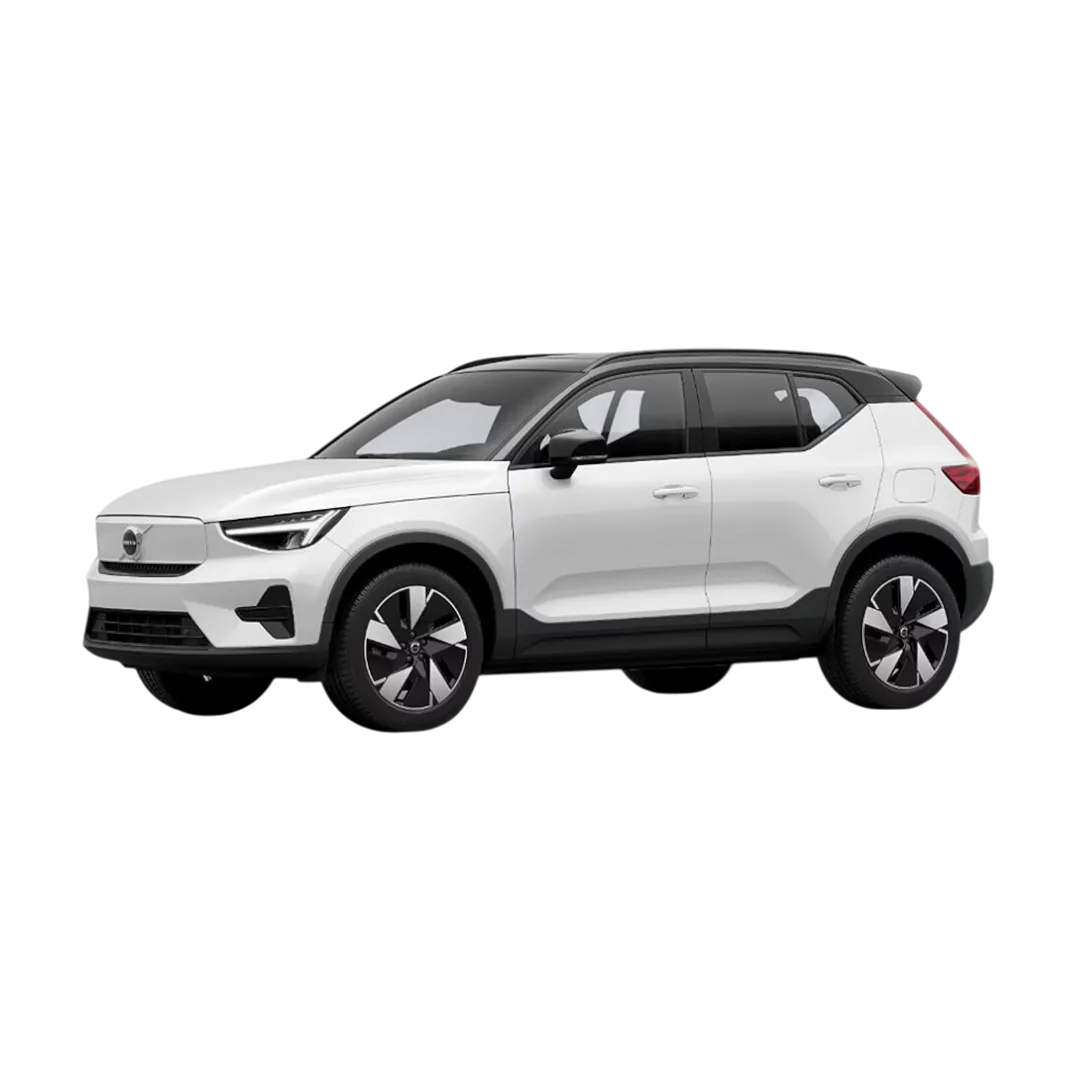
One of the biggest changes has been the expanding availability of an electric car across different price categories. As manufacturers introduce more EV models, consumers are getting greater choice in terms of range, features, performance, body styles, and price. This competition is also encouraging manufacturers to improve battery technology, software, charging performance, safety systems, and overall ownership experience.
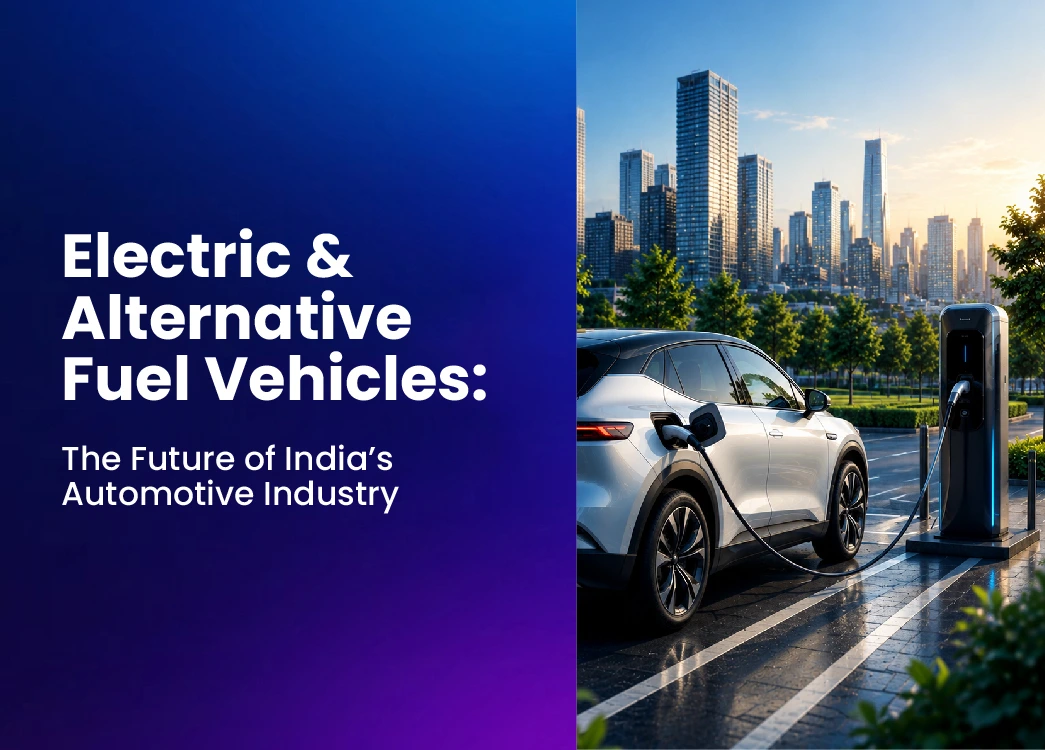
Charging infrastructure is another important part of this transition. Public charging stations are increasingly being installed in cities, highways, shopping centres, offices, and other locations. Although charging availability still varies considerably between locations, the overall ecosystem is becoming more practical for EV users.
For consumers, this matters because charging convenience can strongly influence the practicality of an EV. Home charging can be particularly useful for owners who have access to suitable parking and electrical infrastructure, while public fast chargers can make longer journeys more convenient.
Battery Technology Is Changing the EV Experience
The battery is effectively the heart of a battery-electric vehicle. Improvements in battery chemistry, energy density, thermal management, charging systems, and battery management software are helping manufacturers improve the overall EV experience.
Battery development also has implications beyond driving range. Better thermal management can help maintain battery performance, while sophisticated battery management systems monitor temperature, charging behaviour, energy consumption, and battery health.
As manufacturing scales up, the industry is also paying greater attention to localisation and recycling. A stronger domestic battery ecosystem can potentially reduce supply-chain dependence and create opportunities for Indian manufacturers, component suppliers, recyclers, and technology companies.
Government Support Is Accelerating the Ecosystem
Policy support remains another important factor in the expansion of electric mobility. Government initiatives have focused on encouraging EV adoption, developing charging infrastructure, supporting manufacturing, and strengthening the wider automotive ecosystem.
Such initiatives can help reduce some of the barriers associated with EV adoption while encouraging manufacturers and infrastructure providers to invest in new technologies.
What Are the Benefits of Electric Vehicles?
The benefits of electric vehicles go beyond simply replacing petrol with electricity. EVs generally have fewer moving powertrain components than conventional internal-combustion vehicles, which can simplify certain maintenance requirements. They also provide instant torque, quiet operation, and zero tailpipe emissions while driving.
However, EV ownership still requires practical consideration. Purchase price, charging access, driving range, battery warranty, electricity costs, resale expectations, and local service availability should all be evaluated before buying.
For Indian consumers, the best EV is therefore not necessarily the one with the longest claimed range. It is the vehicle that fits the owner’s daily driving pattern, charging access, budget, and long-term requirements.
2. Why CNG and Alternative Fuels Are Gaining Popularity
While electric mobility is expanding, CNG vehicles continue to have a strong role in India’s automotive landscape. The reason is relatively straightforward: many Indian consumers make vehicle decisions based on running costs, fuel availability, reliability, practicality, and purchase price.
CNG can be particularly attractive to people who drive significant distances every day. Taxi operators, fleet owners, daily commuters, and commercial users may value the ability to refuel relatively quickly while keeping operating costs manageable.
Unlike battery-electric vehicles, CNG vehicles do not require charging. Drivers can use established CNG refuelling networks where available, making the technology familiar to consumers who may not yet have convenient access to EV charging.
Why Are CNG Vehicles Attractive?
One of the strongest advantages of CNG is its focus on operating economics. Fuel efficiency and the cost of CNG relative to conventional fuels can make CNG appealing to high-mileage users.
CNG also produces lower emissions of certain pollutants compared with conventional petrol or diesel combustion. However, it is important to remember that CNG remains a fossil fuel. It should therefore be viewed as part of the broader transition toward cleaner mobility rather than as a zero-emission solution.
This distinction is important for consumers. An EV and a CNG vehicle solve different problems and have different ownership requirements.
The Growing Role of Alternative Fuel Vehicles
The term alternative fuel vehicles covers a much wider category than CNG and EVs. It can include vehicles using electricity, biofuels, hydrogen-based technologies, hybrids, and other energy systems designed to reduce dependence on conventional petroleum fuels.
India’s automotive future could therefore be technologically diverse. Some consumers may choose an EV because their daily commute is predictable and they can charge at home. Others may prefer CNG because they travel long distances and have easy access to refuelling stations. Hybrid vehicles may appeal to buyers who want improved efficiency while retaining the familiarity of conventional refuelling.
This diversity is particularly important in India because the country’s mobility requirements vary significantly between metropolitan cities, Tier-2 cities, smaller towns, rural areas, and commercial transport networks.
Affordability Will Remain Critical
Technology alone will not determine which powertrain succeeds. Affordability will be equally important.
Indian consumers are highly conscious of the total cost of ownership. This includes the initial vehicle price, financing costs, energy expenses, maintenance, insurance, replacement components, resale value, and expected lifespan.
As battery prices, charging infrastructure, and EV manufacturing improve, electric vehicles may become increasingly competitive in more segments. Until then, CNG and hybrid vehicles can continue to serve customers for whom the economics and convenience make more sense.

3. How EVs and Alternative Fuels Are Reshaping the Automotive Supply Chain
One of the most important aspects of how EVs are changing the automotive industry is happening behind the scenes.
A conventional petrol or diesel vehicle depends heavily on components such as an internal-combustion engine, fuel system, exhaust system, transmission, and numerous mechanical parts. An EV has a fundamentally different architecture, creating demand for batteries, electric motors, inverters, power electronics, sensors, software, charging systems, and advanced thermal-management technologies.
This change is forcing automotive suppliers to rethink what they manufacture and how they manufacture it.
Batteries Are Becoming a Strategic Industry
The battery is one of the most important components in an EV. As electric mobility grows, demand is increasing for battery cells, modules, packs, battery-management systems, cooling technologies, charging components, and recycling solutions.
India is therefore working toward developing a stronger domestic battery ecosystem. A stronger local battery industry can help create opportunities for manufacturers, component suppliers, recyclers, technology companies, and skilled workers.
Thermal Management Is Becoming More Important
Electric vehicles rely heavily on thermal management because battery temperature can influence performance, charging behaviour, efficiency, and durability.
As EV technology develops, suppliers are therefore investing in cooling plates, heat pumps, battery cooling systems, temperature sensors, thermal interface materials, and related technologies.
This is a good example of how a transition in vehicle powertrain technology can create entirely new supply-chain requirements.
Manufacturing Skills Are Changing
The automotive workforce is also being affected. Traditional automotive manufacturing has required expertise in mechanical engineering, engine systems, transmissions, exhaust systems, machining, and mechanical assembly.
EV manufacturing increases the importance of electrical engineering, electronics, software, battery systems, data analytics, sensors, and high-voltage safety.
Service centres are also adapting. Technicians working on EVs need appropriate training for high-voltage systems, battery diagnostics, electrical components, and software-driven vehicle systems.
The Accessory Market Is Changing Too
The transition toward connected and electric vehicles is also influencing the automotive accessory market.
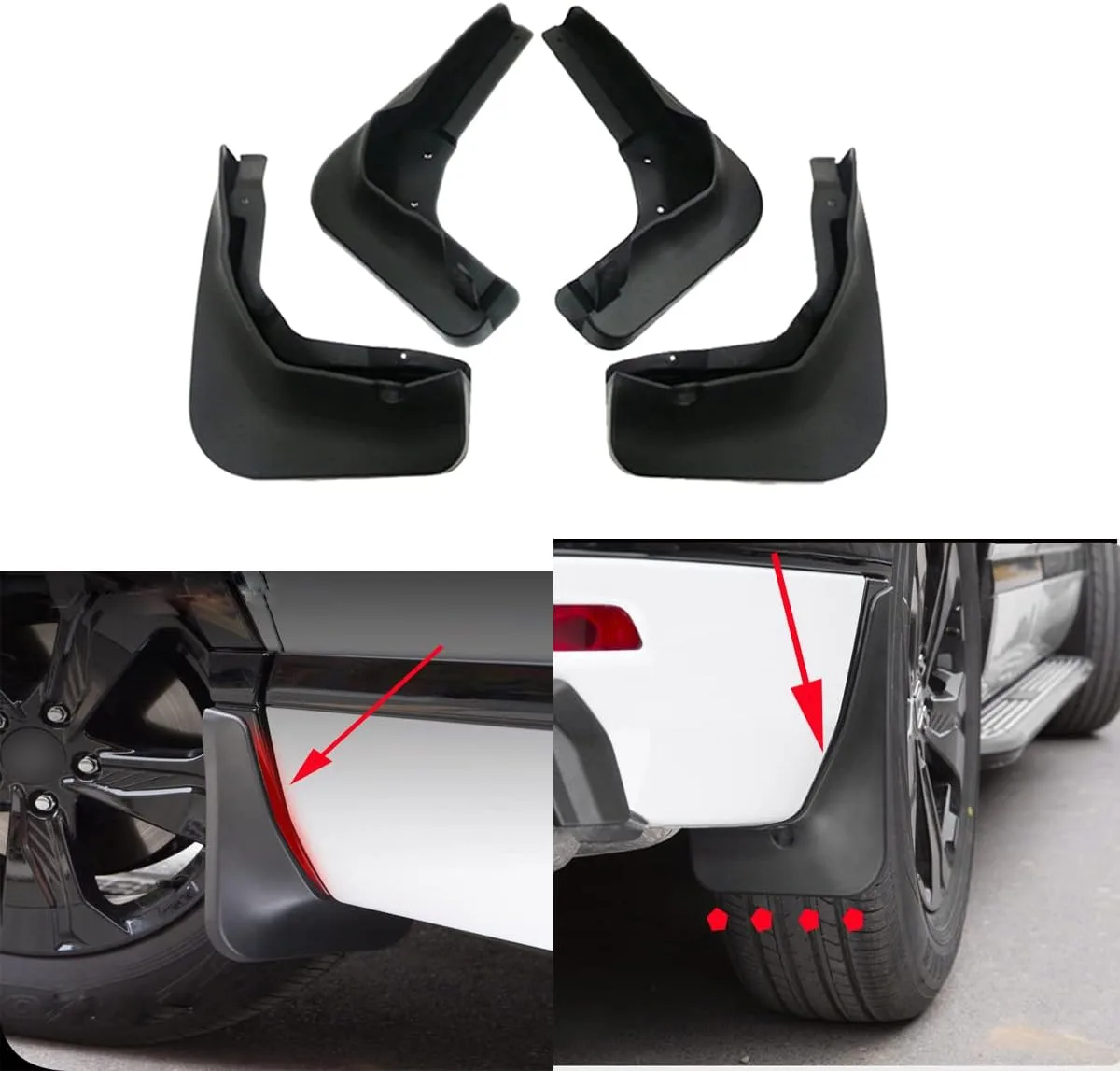
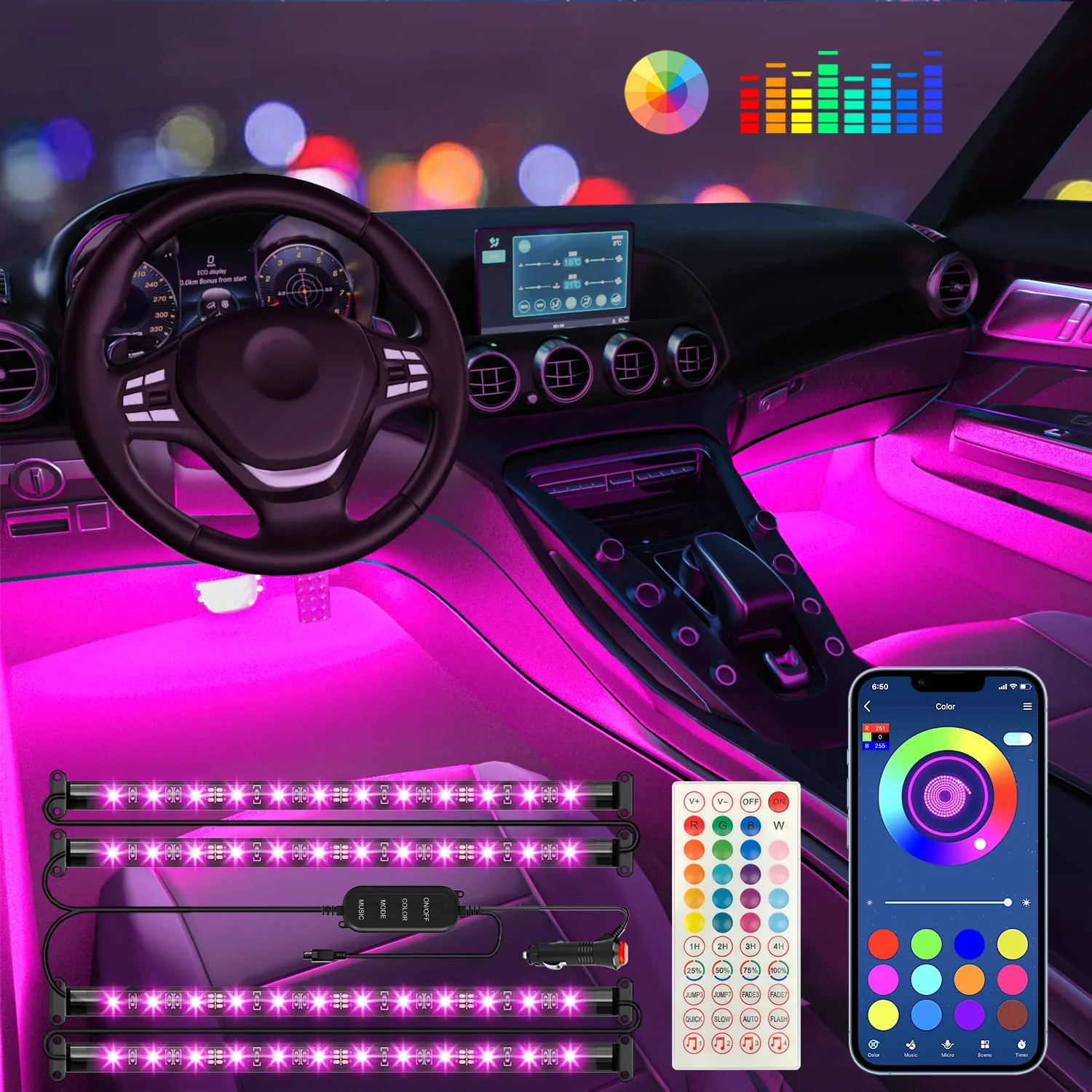
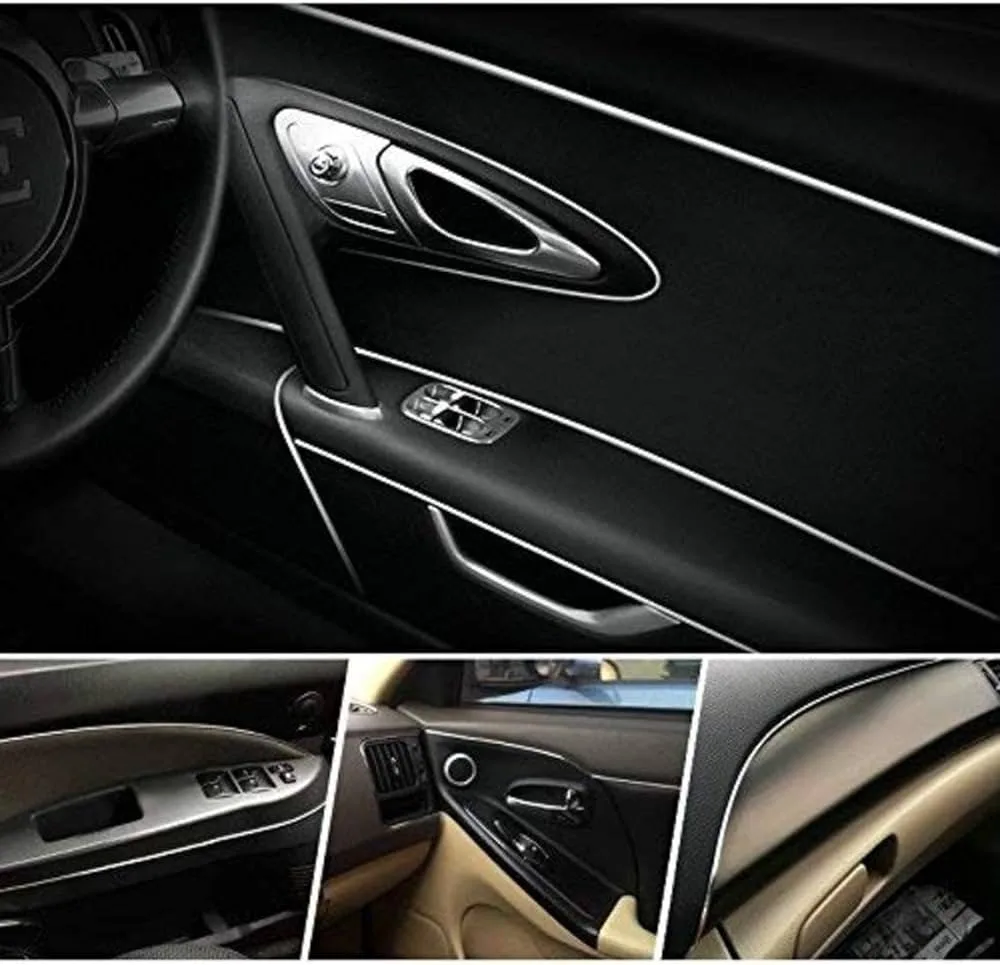
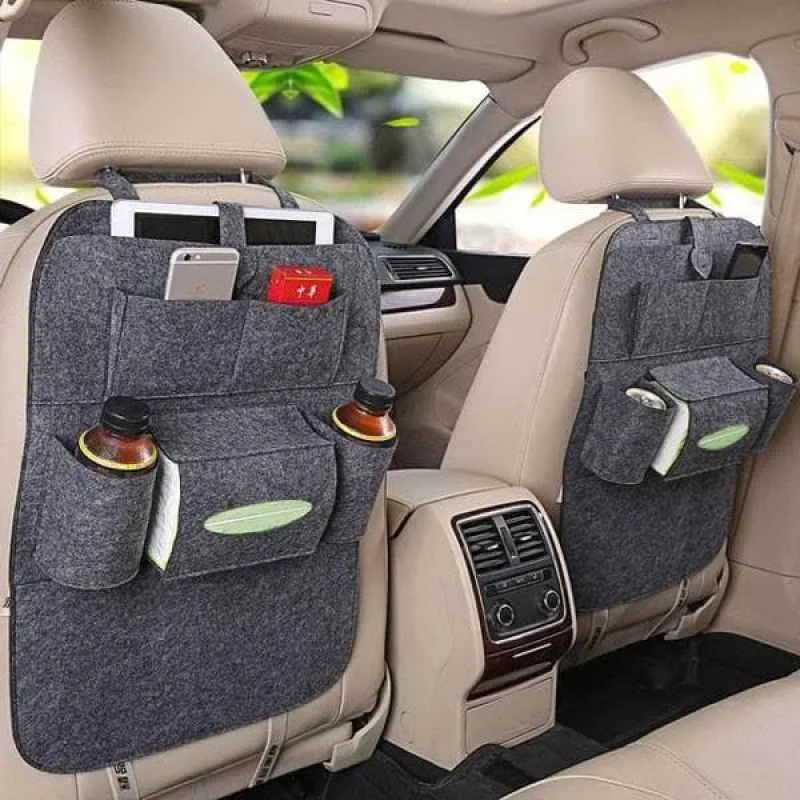
Modern car buyers increasingly look for accessories related to connectivity, convenience, safety, comfort, charging, navigation, entertainment, and cabin personalisation.
For an automotive marketplace such as Creckk, this creates an opportunity to serve owners across different powertrain categories. Whether someone owns an EV, CNG vehicle, hybrid, or conventional car, their expectations for useful and compatible accessories are becoming increasingly sophisticated.
The future automotive supply chain will therefore not simply be about manufacturing cars. It will involve an interconnected ecosystem of batteries, software, charging, accessories, services, data, recycling, and aftermarket solutions.
4. What the Future Holds for India’s Automotive Industry
The future of India’s automotive industry will probably be defined by choice, technology, and adaptability.
Electric mobility is likely to become increasingly important, but that does not necessarily mean petrol, diesel, CNG, or hybrid vehicles will disappear overnight. India’s enormous geographic size, varying infrastructure, diverse consumer requirements, and different vehicle-use patterns make a multi-technology transition more realistic.
EV Adoption Is Likely to Expand
The continued growth of electric vehicles in India will depend on several factors working together.
- More affordable EVs
- Better battery technology
- Faster charging
- Wider charging infrastructure
- Improved battery warranties
- Stronger resale confidence
- Better service networks
- Greater consumer awareness
- More domestic manufacturing
- Continued investment in EV technology
Battery Innovation Could Be a Major Turning Point
Battery technology could determine how quickly EVs become mainstream.
Consumers want batteries that offer longer usable range, faster charging, better durability, improved safety, lower replacement costs, consistent performance, and better performance across different temperatures.
Future battery technologies may gradually address some of these concerns. At the same time, recycling and second-life applications could become increasingly important as the number of EV batteries entering the market grows.
Sustainable Manufacturing Will Matter
The automotive industry’s sustainability discussion will also move beyond tailpipe emissions.
Manufacturers are likely to pay increasing attention to the environmental impact of raw materials, factories, logistics, batteries, vehicle production, and end-of-life recycling.
This means the future vehicle may be judged not only by how efficiently it moves people but also by how responsibly it is manufactured and eventually recycled.
CNG and Other Technologies Will Still Have a Role
Despite the rapid development of electric mobility, CNG vehicles and other alternative fuel vehicles are likely to remain relevant in specific applications.
For example, CNG can remain attractive for high-mileage users who have reliable access to CNG stations. Hybrid technology can help consumers seeking better efficiency without depending entirely on charging infrastructure. Other emerging technologies may become commercially viable as infrastructure and manufacturing capabilities improve.
The Consumer Experience Will Become More Important
The future automotive industry will also be more connected.
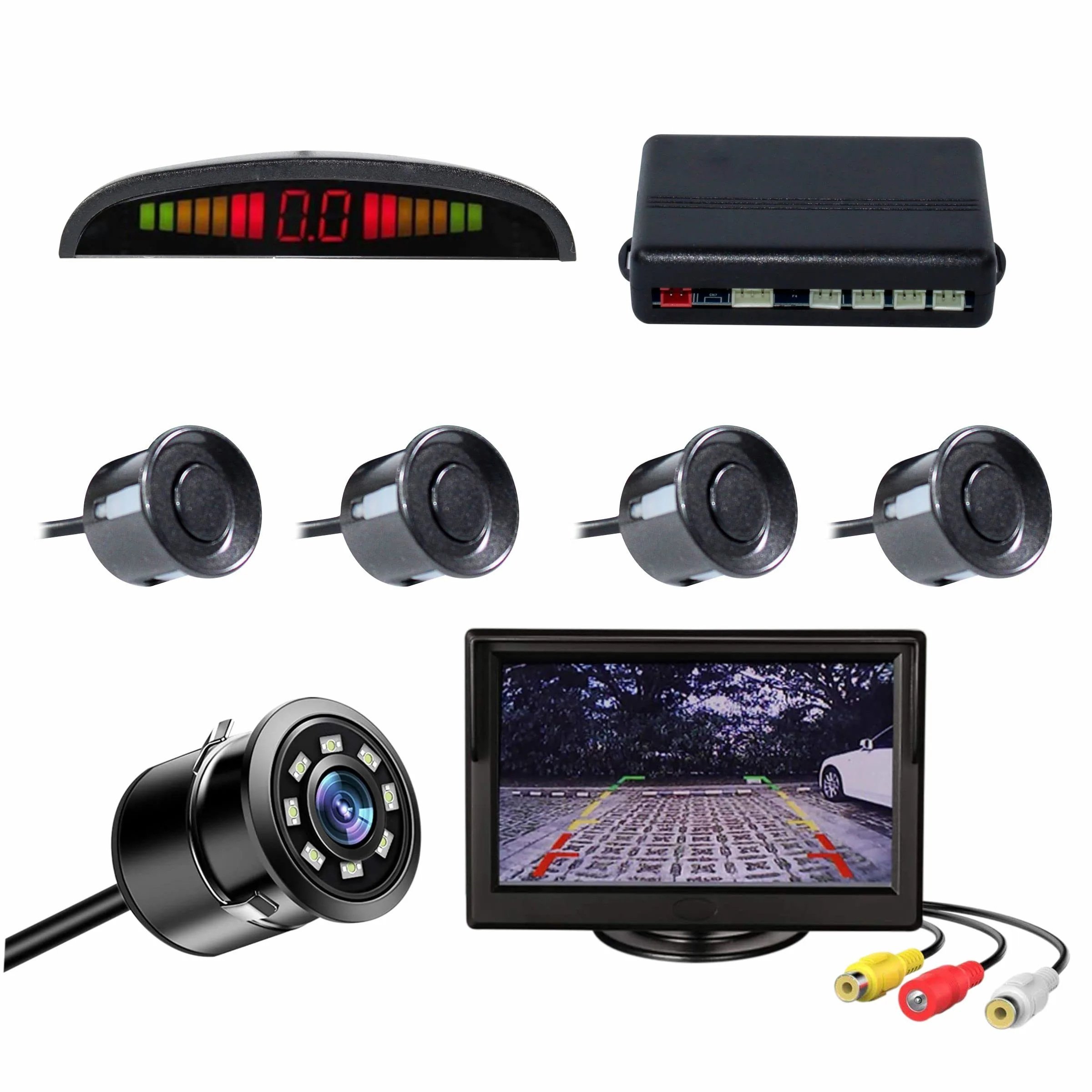
Cars are increasingly becoming technology platforms rather than simply mechanical transportation machines. Features such as connected infotainment, advanced driver-assistance systems, smartphone integration, digital dashboards, cameras, sensors, wireless connectivity, and personalised cabin experiences are becoming increasingly important.
This will create new opportunities in the aftermarket and accessory market. Brands and platforms such as Creckk can play a role by helping consumers discover accessories and automotive products that match the evolving requirements of modern vehicles.
Electric vs CNG vs Alternative Fuel Vehicles
| Feature | Electric Vehicles | CNG Vehicles | Hybrid Vehicles | Other Alternative Fuels |
|---|---|---|---|---|
| Energy source | Electricity | Compressed natural gas | Fuel + electricity | Depends on technology |
| Tailpipe emissions | Zero while driving | Lower than several conventional combustion pollutants | Generally lower than conventional vehicles | Technology-dependent |
| Refuelling | Charging | CNG station | Fuel + regenerative charging | Technology-dependent |
| Running cost | Can be economical depending on electricity and usage | Often attractive for high-mileage users | Generally efficiency-focused | Varies |
| Maintenance | Fewer conventional powertrain components | Conventional engine-related maintenance | More complex powertrain | Depends on technology |
| Main advantage | Electric efficiency and quiet driving | Practical running economics | Flexible operation | Fuel diversification |
| Main challenge | Charging and battery ecosystem | CNG infrastructure | Higher system complexity | Infrastructure and maturity |
| Ideal use | Daily commuting with charging access | High-mileage driving | Mixed driving requirements | Depends on application |
Key Benefits of Electric Vehicles
The benefits of electric vehicles can be considered from both the consumer and industry perspective.
1. Lower Energy Costs
Depending on electricity prices, charging patterns, and vehicle efficiency, EV owners may spend less on energy than comparable petrol or diesel vehicles.
2. Fewer Conventional Powertrain Components
Electric powertrains generally have fewer moving components than traditional internal-combustion powertrains, potentially reducing certain routine maintenance requirements.
3. Instant Torque
Electric motors can deliver torque quickly, providing responsive acceleration and a smooth driving experience.
4. Quiet Operation
EVs generally produce significantly less powertrain noise than conventional combustion vehicles.
5. Zero Tailpipe Emissions
Battery-electric vehicles produce no tailpipe emissions while driving.
6. Growing Technology Ecosystem
EVs are increasingly connected with software, digital services, charging networks, and smart energy systems.
7. Potential for Renewable Energy Integration
Electric vehicles can potentially be charged using electricity generated from renewable sources, further connecting transportation with India’s broader energy transition.
How EVs Are Changing the Automotive Industry
The question of how EVs are changing the automotive industry goes far beyond replacing engines with electric motors.
The transformation is affecting almost every part of the automotive ecosystem.
- Vehicle manufacturing: Production is becoming increasingly focused on batteries, motors, electronics, software, and lightweight materials.
- Component suppliers: Traditional suppliers are adapting their product portfolios while new technology companies enter the automotive sector.
- Service centres: Technicians require training in high-voltage systems, battery diagnostics, electronics, and software.
- Charging infrastructure: Charging is becoming a new part of the automotive ecosystem, creating opportunities for energy companies, infrastructure providers, property owners, and technology businesses.
- Automotive software: Connected vehicles increasingly depend on software for diagnostics, infotainment, battery management, safety, navigation, and updates.
- Aftermarket: Consumers are looking for new categories of accessories designed around connectivity, charging, convenience, safety, and modern cabin technology.
- Recycling: Battery recycling and responsible material recovery will become increasingly important as EV adoption grows.
What Does This Mean for Indian Car Buyers?
The transition toward electric and alternative fuels gives consumers more choices than ever before. However, choosing a vehicle should not be based purely on trends.
Before buying an electric car, consumers should consider:
- Average daily driving distance
- Availability of home charging
- Public charging options
- Long-distance travel requirements
- Electricity cost
- Battery warranty
- Vehicle warranty
- Service network
- Purchase price
- Insurance
- Expected resale value
- Availability of compatible accessories
For CNG buyers, factors such as CNG station availability, boot-space requirements, annual mileage, and local operating economics should be considered.
Ultimately, the best vehicle is the one that fits the owner’s lifestyle rather than simply following the latest automotive trend.
FAQs
1. What is the future of electric vehicles in India?
The future of electric vehicles in India is expected to involve greater model availability, expanded charging infrastructure, improved batteries, increasing localisation, and wider adoption across passenger and commercial vehicle segments.
2. What are the biggest benefits of electric vehicles?
The major benefits of electric vehicles include zero tailpipe emissions while driving, quiet operation, instant torque, potentially lower energy costs, and fewer conventional powertrain components requiring maintenance.
3. Are CNG vehicles a good alternative to electric cars?
CNG can be a practical alternative for consumers who drive significant distances and have convenient access to CNG stations. However, the right choice depends on individual usage, budget, infrastructure, and long-term ownership priorities.
4. How are EVs changing the automotive industry?
How EVs are changing the automotive industry can be seen through the increasing importance of batteries, charging infrastructure, power electronics, software, thermal management, new manufacturing processes, and specialised technical skills.
5. Why is the growth of electric vehicles in India important?
The growth of electric vehicles in India is encouraging investment in batteries, charging infrastructure, vehicle manufacturing, software, component localisation, and new mobility services.
6. Will CNG vehicles disappear because of EVs?
Not necessarily. CNG vehicles may continue to serve consumers who prioritise economical operation and have easy access to CNG refuelling. Different powertrain technologies can coexist as India’s mobility ecosystem develops.
7. What are alternative fuel vehicles?
Alternative fuel vehicles use energy sources or propulsion systems other than conventional petrol and diesel. This broad category can include EVs, CNG vehicles, hybrids, biofuel-powered vehicles, and emerging hydrogen-based technologies.
8. Is an electric car cheaper to maintain?
An electric car can have lower routine powertrain maintenance requirements because it generally has fewer moving mechanical components than a conventional combustion vehicle. However, maintenance costs vary by model, manufacturer, usage, tyres, battery systems, and other components.
9. What role will batteries play in India’s automotive future?
Batteries will be central to India’s EV transition. Improvements in battery cost, energy density, charging speed, safety, durability, manufacturing, and recycling could significantly influence future EV adoption.
10. How can Creckk benefit from the growth of electric vehicles?
As vehicle technology evolves, consumers will continue to need accessories focused on comfort, safety, connectivity, convenience, and personalisation. Creckk can participate in this changing automotive ecosystem by helping modern vehicle owners discover suitable automotive products and accessories.
Final Takeaway
India’s automotive future is not about one technology replacing another overnight. Electric vehicles, CNG vehicles, hybrids, and other alternative fuel vehicles are likely to coexist while technology, infrastructure, affordability, and consumer preferences continue to evolve.
The growth of electric vehicles in India is already influencing manufacturing, charging infrastructure, batteries, software, servicing, and the aftermarket. At the same time, CNG remains relevant for consumers who value practical running costs and established refuelling infrastructure.
For consumers and automotive businesses alike, the most important change is that mobility is becoming more technology-driven, connected, and diverse. Companies such as Creckk can be part of this transformation by helping vehicle owners discover the products and accessories needed for the next generation of Indian automobiles.