Your cart is empty
Start Shopping Exterior
›
Exterior
›
 Bumper Diffuser/Guard
 Body Covers
 Window Garnishing
 Door Guards
 Roof Rails
 Side Beading
 Door Visor
 Mud Flap
 Wheel Cover
 Foot Rest
 Interior
›
Interior
›
 Door Scuff Sill Plates
 Window Sunshades & Film
 Armrest
 Seat Covers
 Steering Cover
 Floor Mats
 Dashboard Showpiece
 Seat & Neck Cushion
 Lighting
›
Lighting
›
 Utility
›
Utility
›
 All Chrome Items
 Mobile Holder
 Tyre Inflators
 Vacuum Cleaner
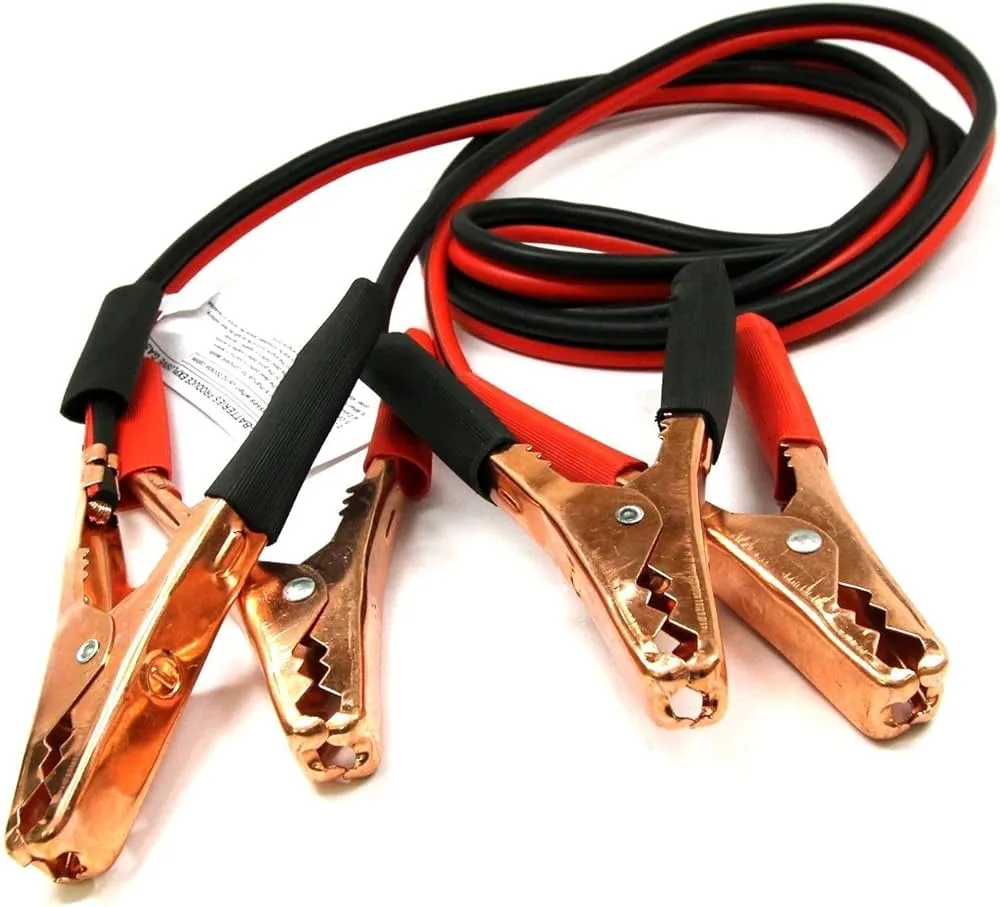 Jumper Cable
 Cleaning Kit
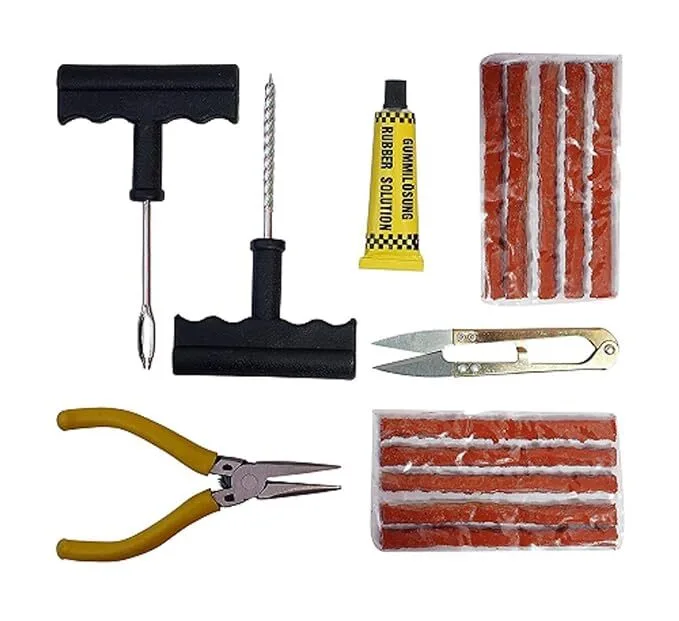 Tyre Puncture Kit
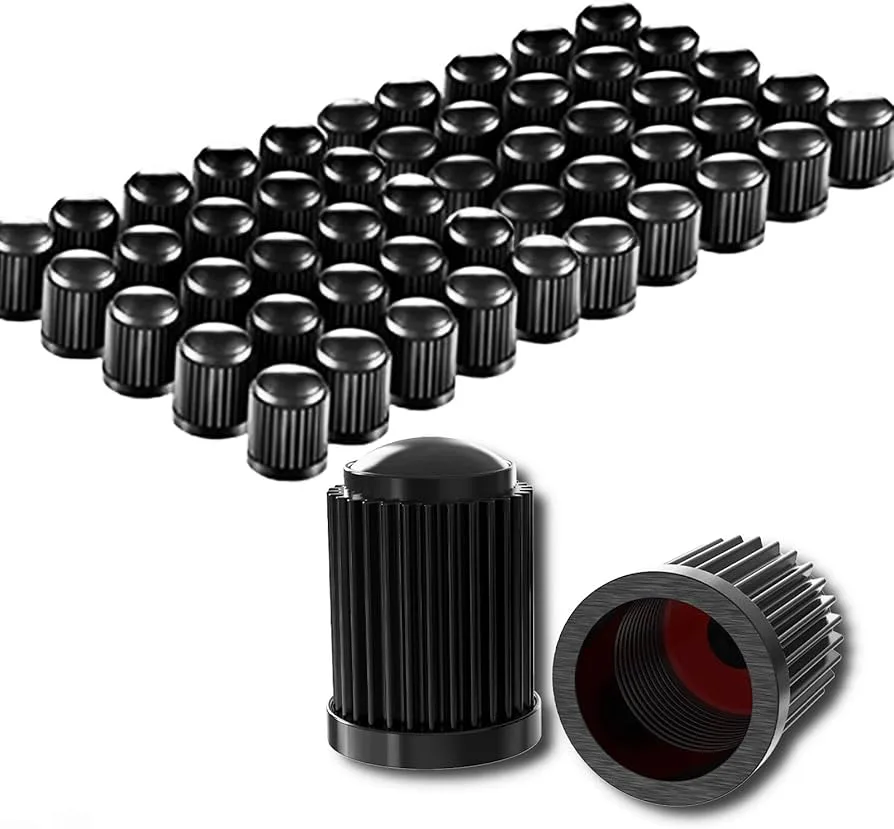 Tyre Valve Cap
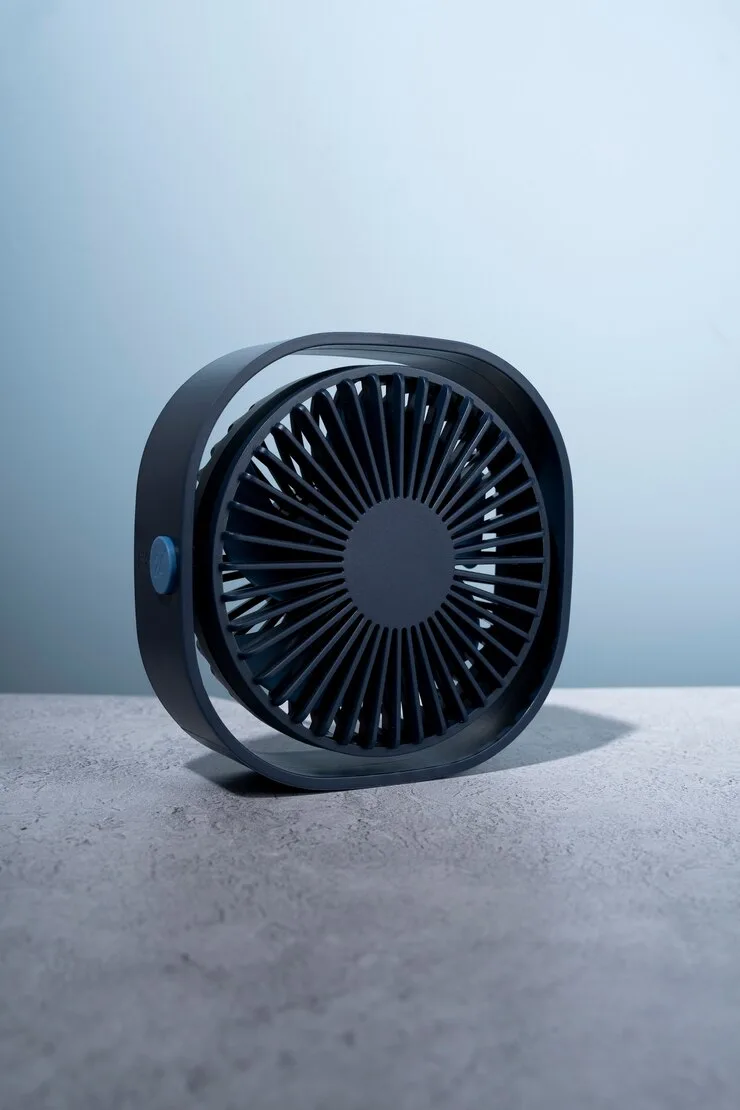 Car Fan
 Parcel Tray
 Electronic
›
Electronic
›
 Parts
›
Parts
›
 Fog Lights
 Headlights
 Tail Lights
 Steering Wheel Controls
 Sensor
 Horns
Horns
 Wiper Blade
 Front Grille
 Side Mirror
 Battery
 Car Care
›
Car Care
›
 Air Freshener & Perfume
 Gear knob
 Stickers & Decals
 Blind Spot Mirror
 Steering Knob
 Key Covers
 Polish & Scratch Remover
 Seat Utility Holder
 Cup Holder
 Dustbin
 Paper Napkin
 Shop By Car
›
Shop By Car
›
 Tata
›
Tata
›
 Maruti Suzuki
›
Maruti Suzuki
›
 Hyundai
›
Hyundai
›
 Toyota
›
Toyota
›
 Mahindra
›
Mahindra
›
 Honda
›
Honda
›
 Ford
›
Ford
›
 Nissan
›
Nissan
›
 Renault
›
Renault
›
 Skoda
›
Skoda
›
 Volkswagen
›
Volkswagen
›
 Morris Garages - MG
›
Morris Garages - MG
›
 KIA
›
KIA
›
 Jeep
›
Jeep
›
 Citroen
›
Citroen
›
 Datsun
›
Datsun
›
 Chevrolet
›
Chevrolet
›
 Isuzu
›
Isuzu
›
 Mitsubishi
›
Mitsubishi
›
 AUDI
›
AUDI
›
 BMW
›
BMW
›
 Mercedes
›
Mercedes
›
 Land Rover
›
Land Rover
›
 Jaguar
›
Jaguar
›
 Volvo
›
Volvo
›
 FIAT
›
FIAT
›
 Mini Cooper
›
Mini Cooper
›
 Porsche
›
Porsche
›
 Lexus
›
Citron
›
Fors
›
Morris Garages
›
MG
›
Lexus
›
Citron
›
Fors
›
Morris Garages
›
MG
›
 Nexon
Nexon
 Harrier
 Altroz
 Hexa
Hexa
 Safari
 Tiago
Tiago
 Punch
Punch
 Tigor
Tigor
 Sumo
Sumo
 Winger
 Bolt
Bolt
 Vista
Vista
 Manza
Manza
 Indica
 Indigo
 Nano
Nano
 Aria
Aria
 Safari Storme
 Zest
Zest
 NEXON EV Max
 NEXON EV Prime
 Tiago NRG
 Tigor EV
INDICA VISTA
Curvv
Sierra
Magic
Tigor EV
INDICA VISTA
Curvv
Sierra
Magic
 Ciaz
Ciaz
 S-Presso
 Eeco/Versa
 WagonR
 Brezza
 Swift
Swift
 Dzire
Dzire
 Baleno
 Ertiga
 Grand Vitara
 S-Cross
 Jimny
Jimny
 Celerio
 Ignis
Ignis
 Alto 800
 Alto K10
 XL6
XL6
 Omni
Omni
 SX4
SX4
 Gypsy
Gypsy
 Maruti 800
 Zen
Zen
 Esteem
 Zen Estilo
 Ritz
Ritz
 Fronx
Fronx
 A-Star
 Alto
Alto
 Invicto
Victoris
Wagon R
Invicto
Victoris
Wagon R
 i20
i20
 Aura
Aura
 Creta
Creta
 Elantra
 Getz
Getz
 Grand i10 Nios
 Venue
Venue
 Verna
Verna
 i20 N Line
 Venue N Line
 Alcazar
 Tucson
 Kona
Kona
 iONIQ 5
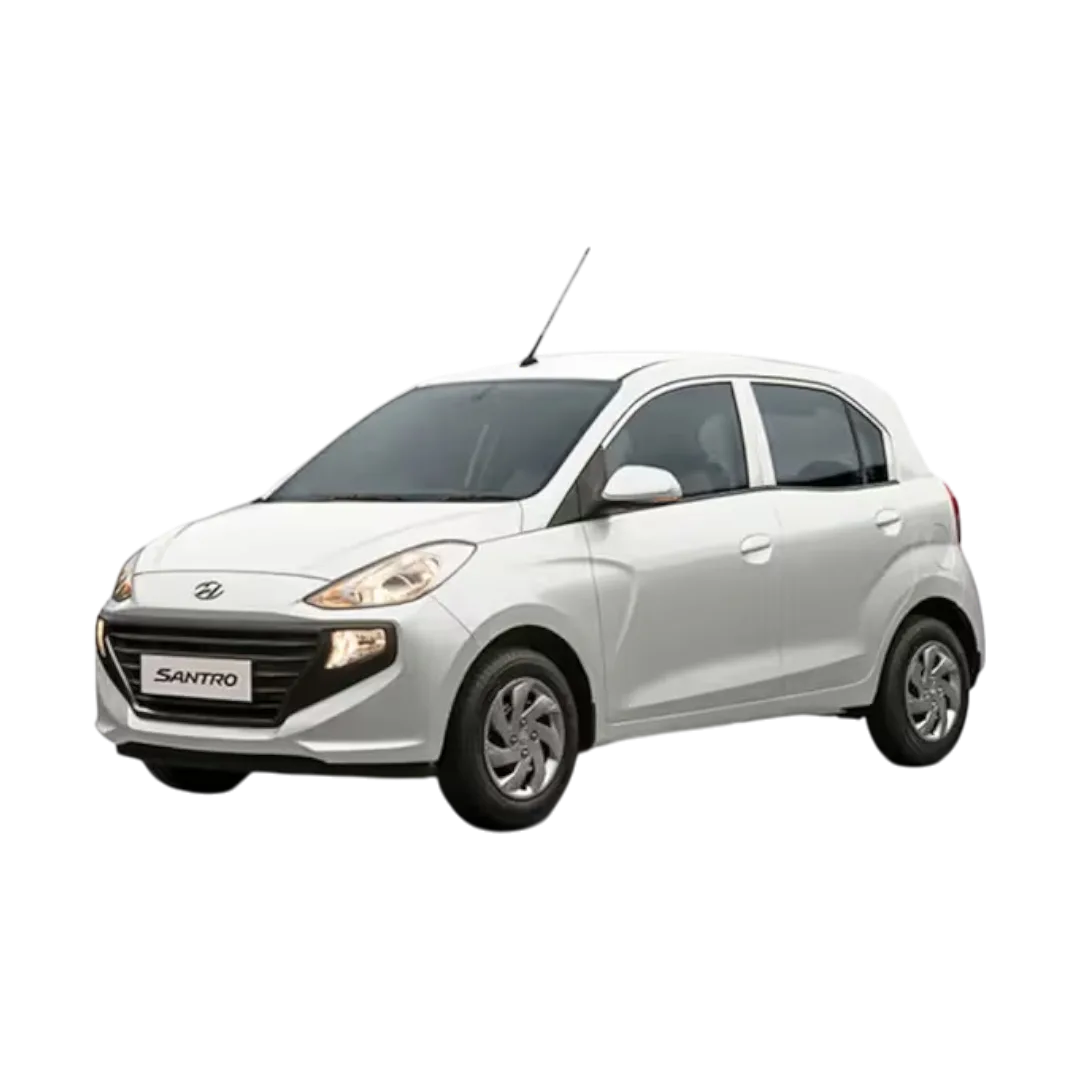 Santro
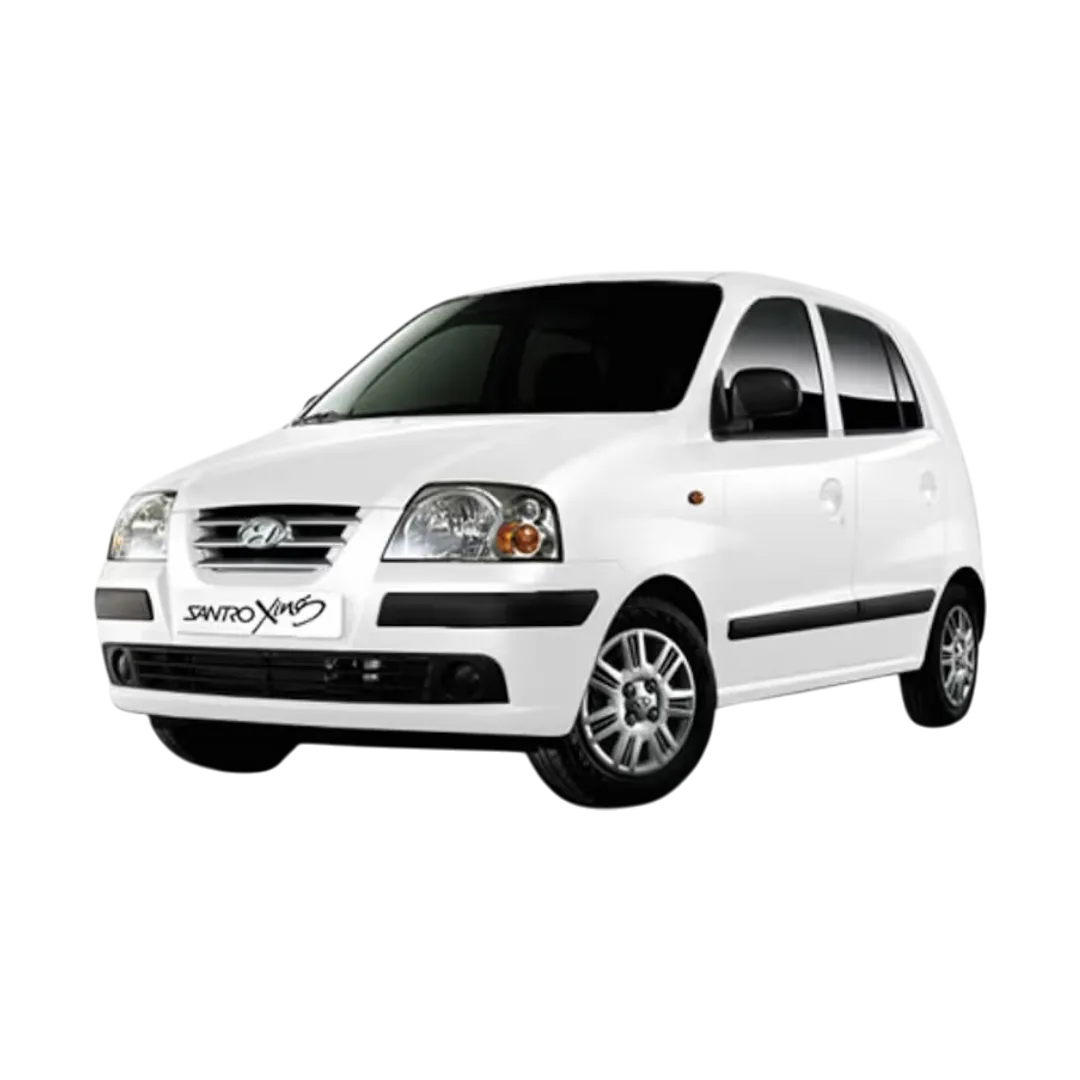 Santro Xing
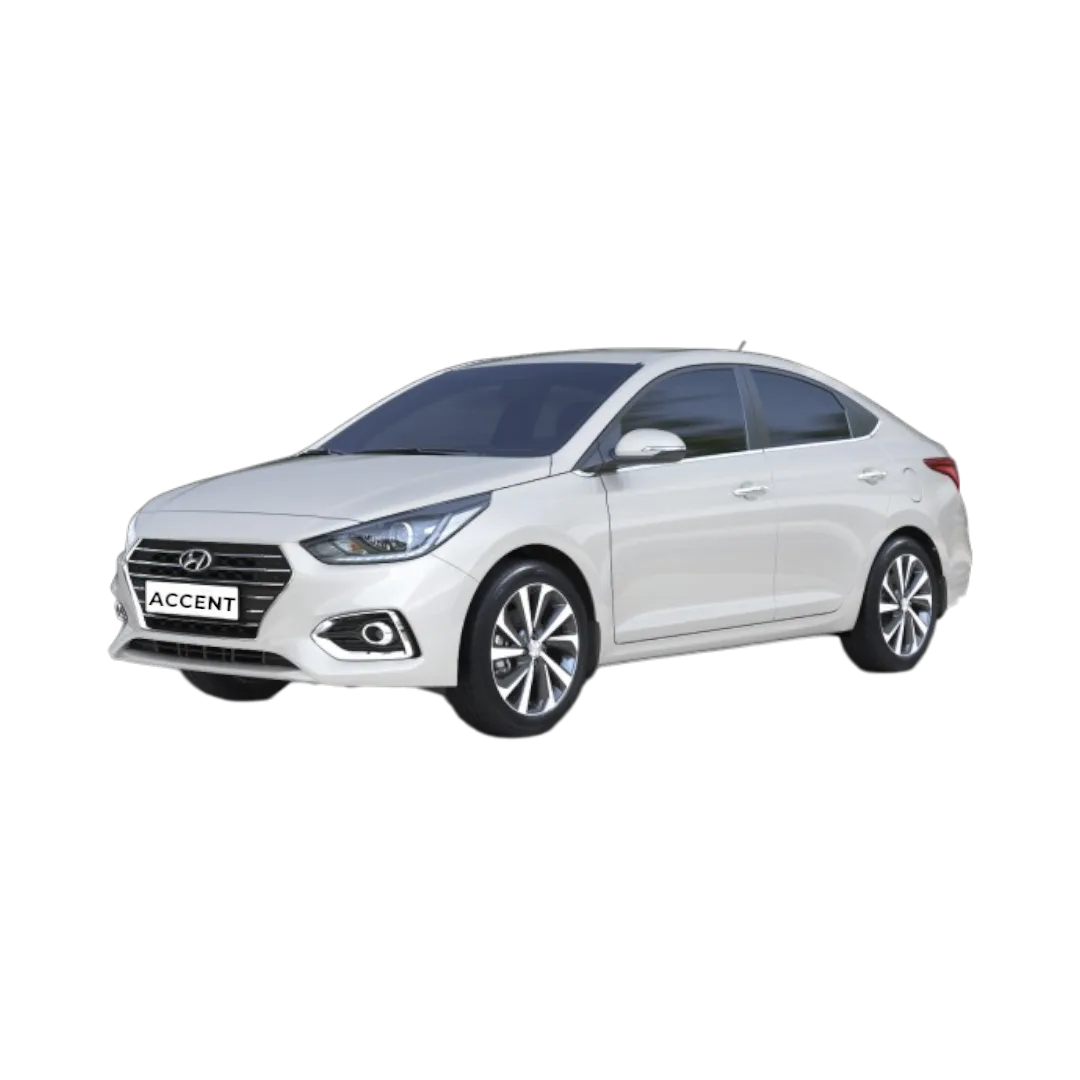 Accent
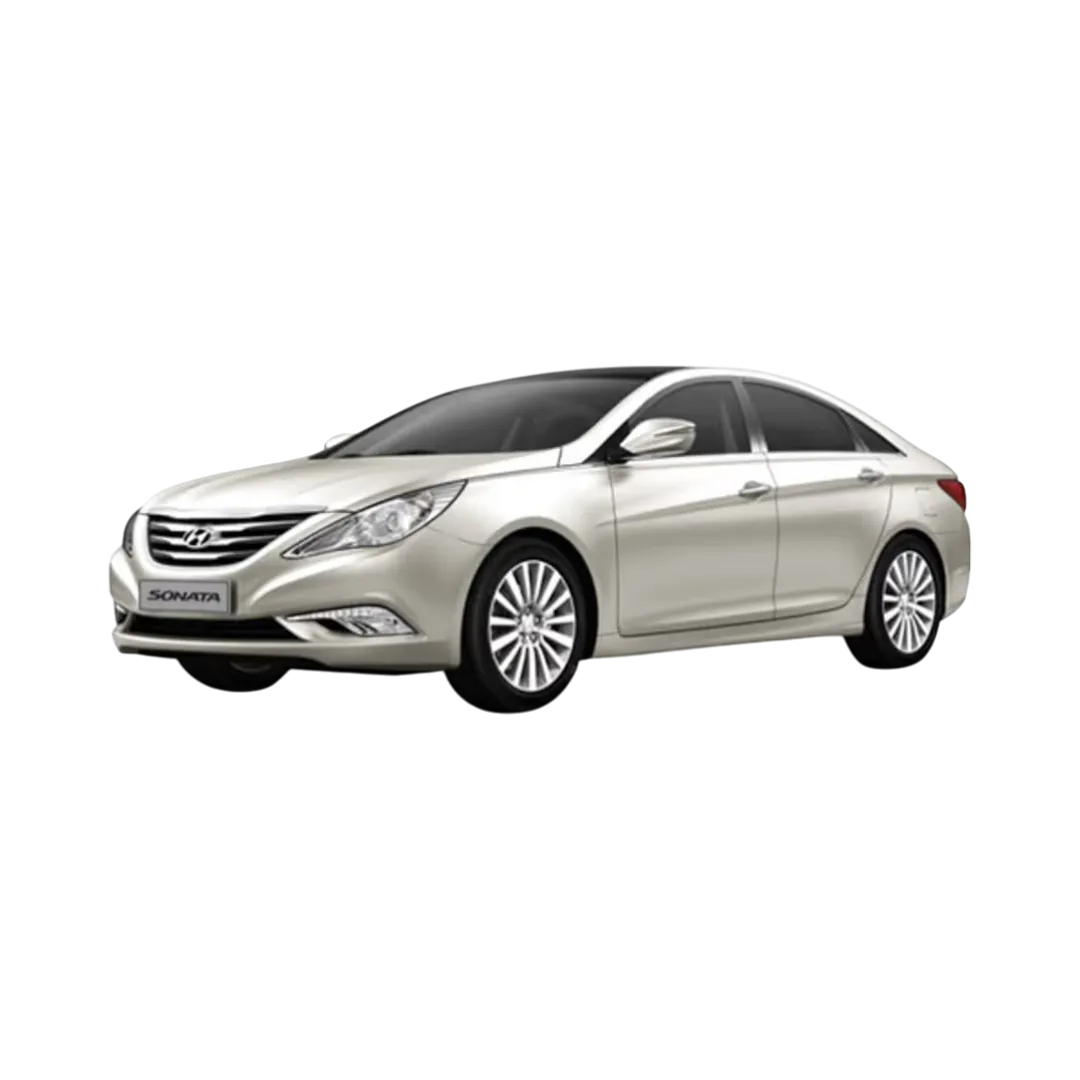 Sonata
 Eon
Eon
 i10
i10
 Grand i10
 Xcent
Xcent
 Elite i20
 Verna Fluidic
 Santafe
 Exter
Sonata Fluidic
i20 Active
Exter
Sonata Fluidic
i20 Active
 Yaris
Yaris
 Urban Cruiser
 Camry
Camry
 Corolla
 Fortuner
 Urban Cruiser Hyryder
 Innova Crysta
 Innova Hycross
 Hilux
Hilux
 Fortuner Legender
 Vellfire
 Land Cruiser
 Glanza
 Etios
Etios
 Etios cross
 Etios Liva
 Qualis
 Innova
 Rumion
Taisor
Corolla Altis
Hyryder
Rumion
Taisor
Corolla Altis
Hyryder
 Bolero
 Marazzo
 KUV100 NXT
 Scorpio
 Thar
Thar
 XUV 300
 Bolero Neo
 Verito
 Scorpio-N
 XUV 700
 Scorpio Classic
 XUV400
 Alturas
 Xylo
Xylo
 Quanto
 Logan
Logan
 XUV 500
 TUV 300
 XUV 3XO
 KUV 100
NuvoSport
XEV 9e
BE 6
Thar Roxx
E-Verito
XUV 7XO
TUV 100
BE6
Bolero Camper
Verito Vibe
XUV 400
KUV 100
NuvoSport
XEV 9e
BE 6
Thar Roxx
E-Verito
XUV 7XO
TUV 100
BE6
Bolero Camper
Verito Vibe
XUV 400
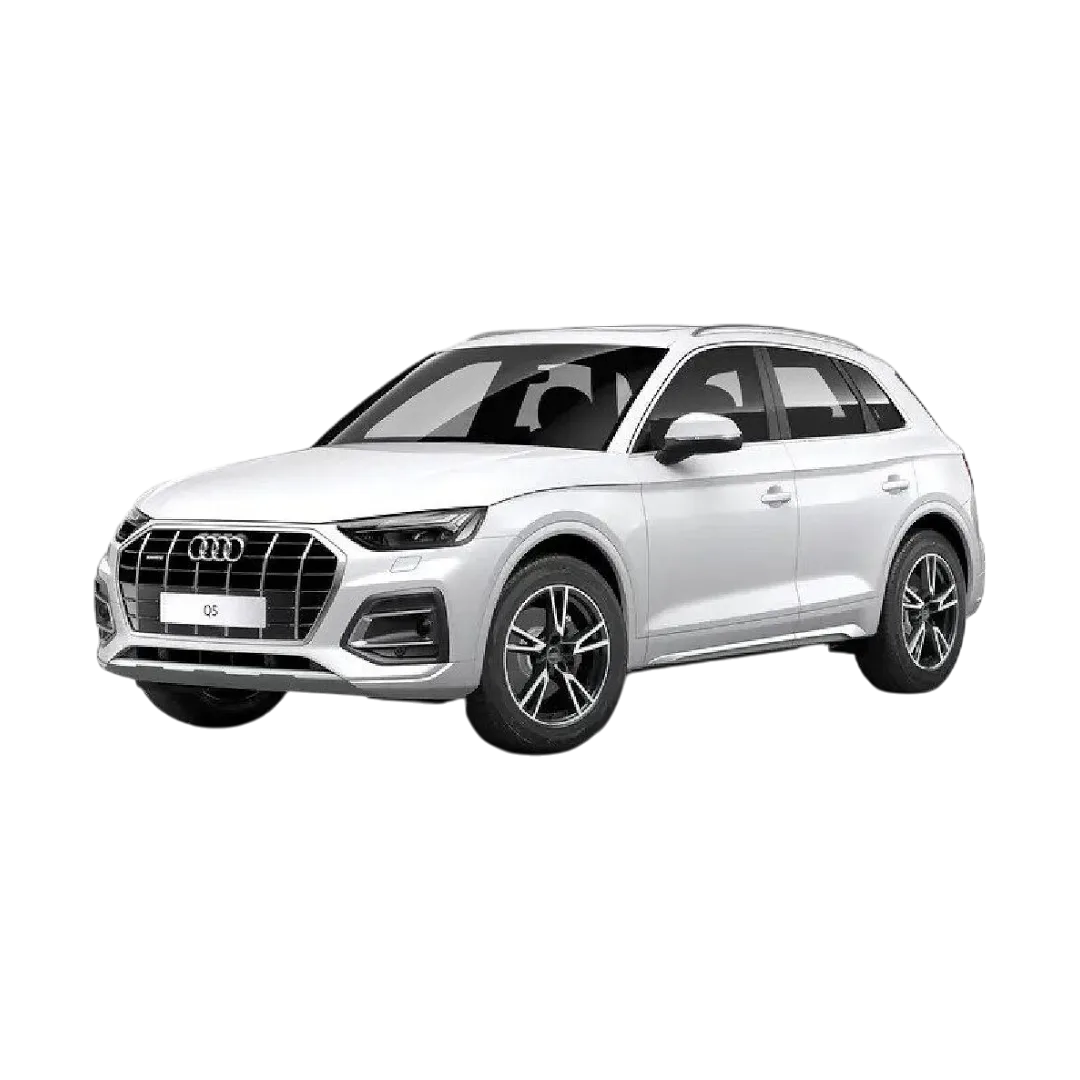 Audi Q5
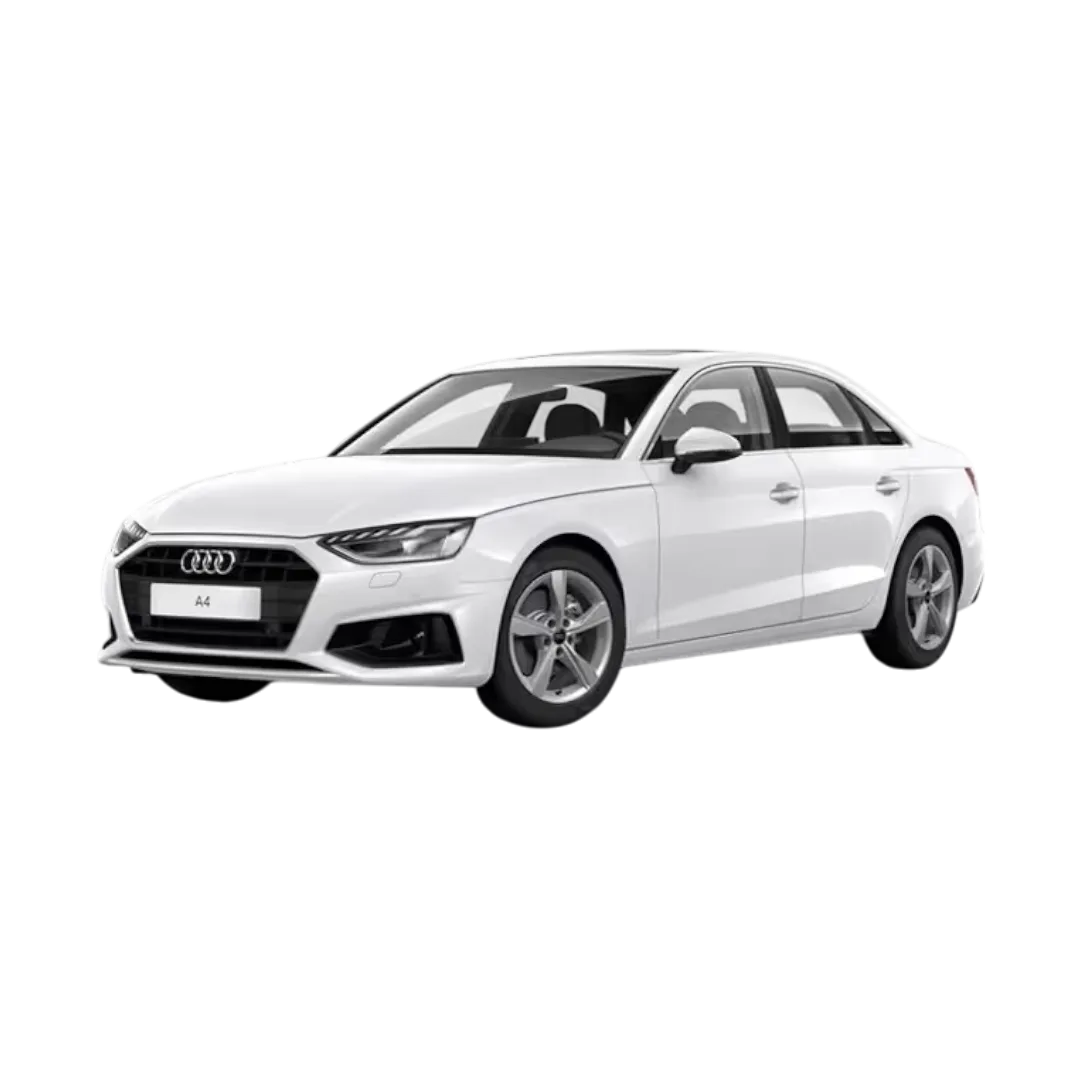 Audi A4
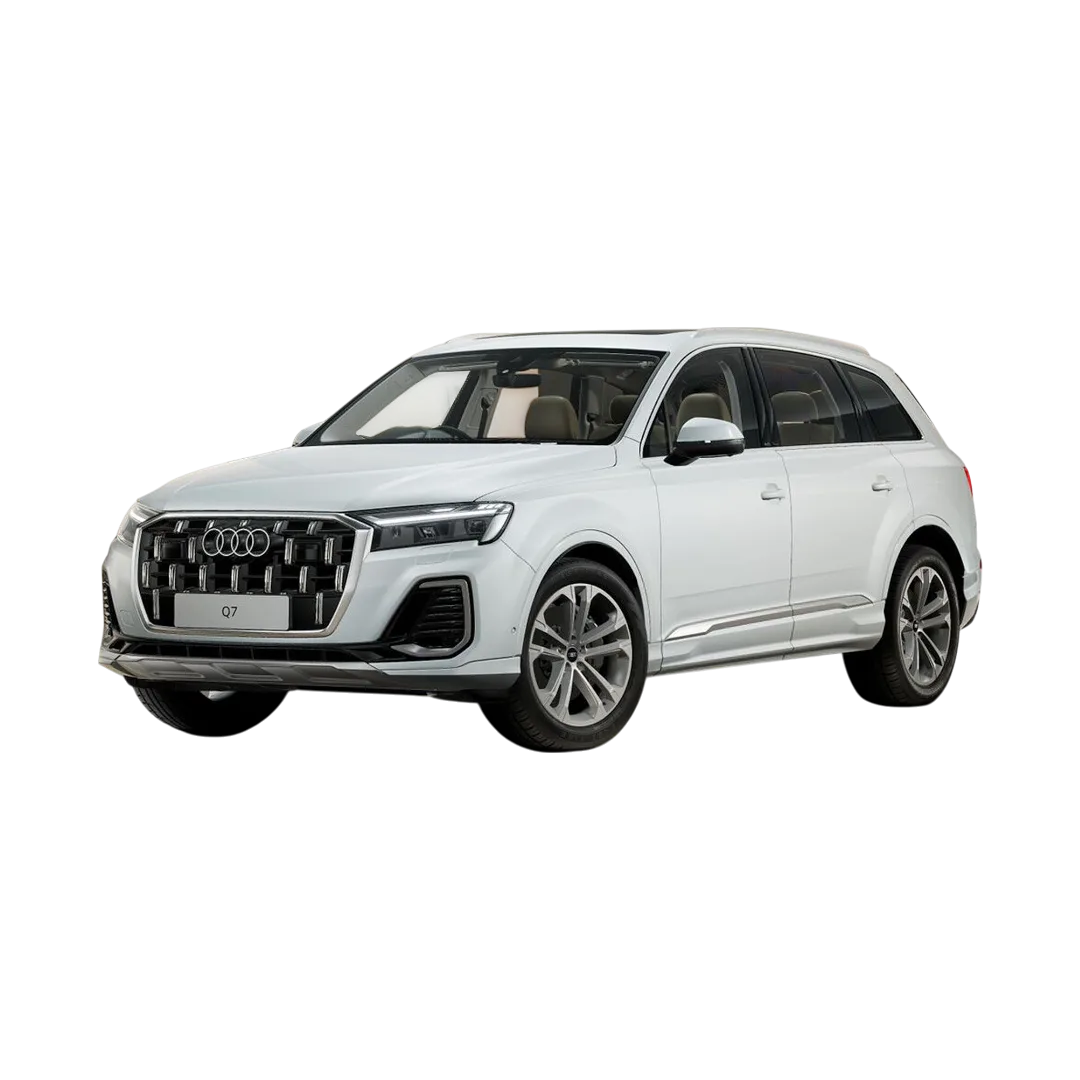 Audi Q7
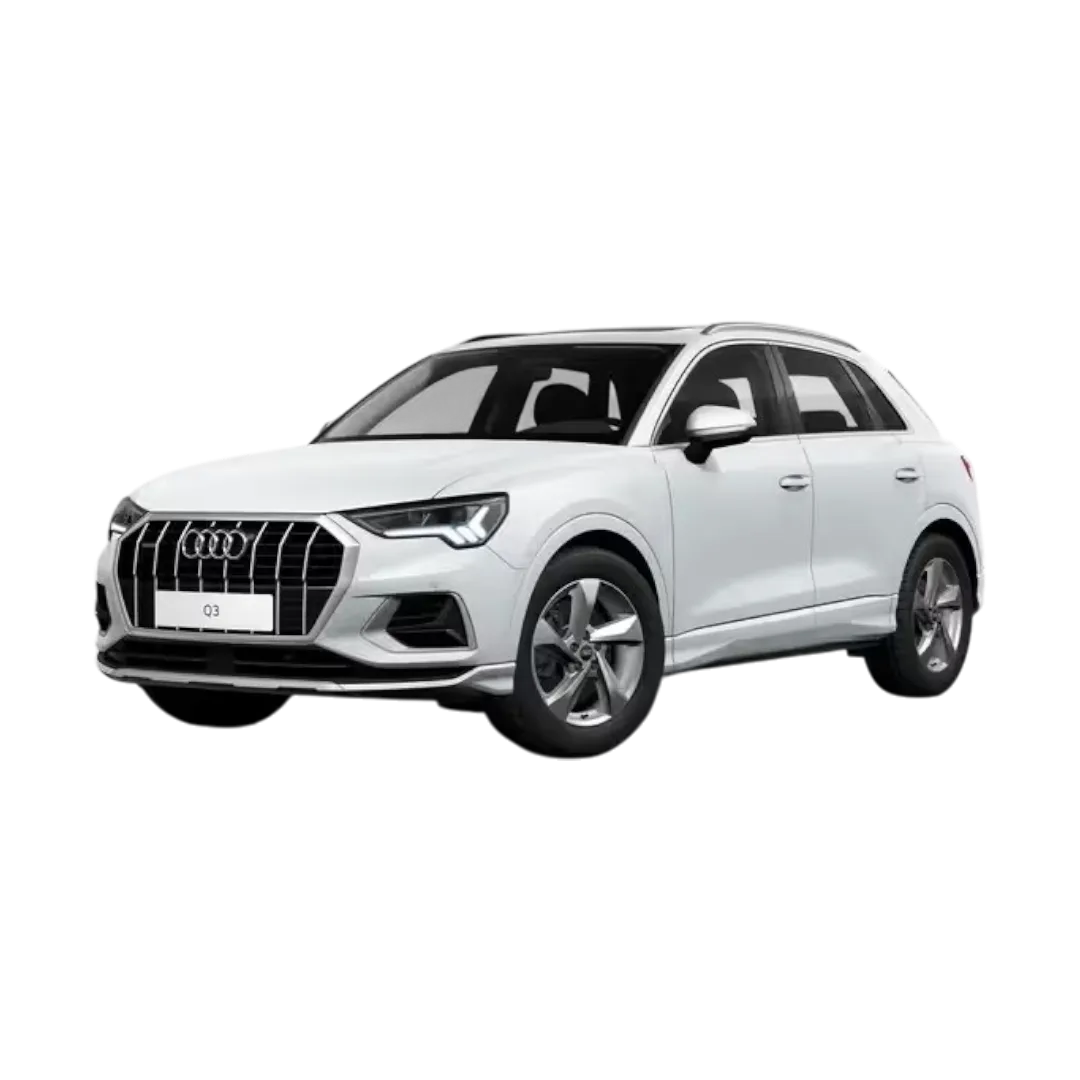 Audi Q3
 Audi A6
 Audi RS5
 E-Tron GT
 Audi Q8
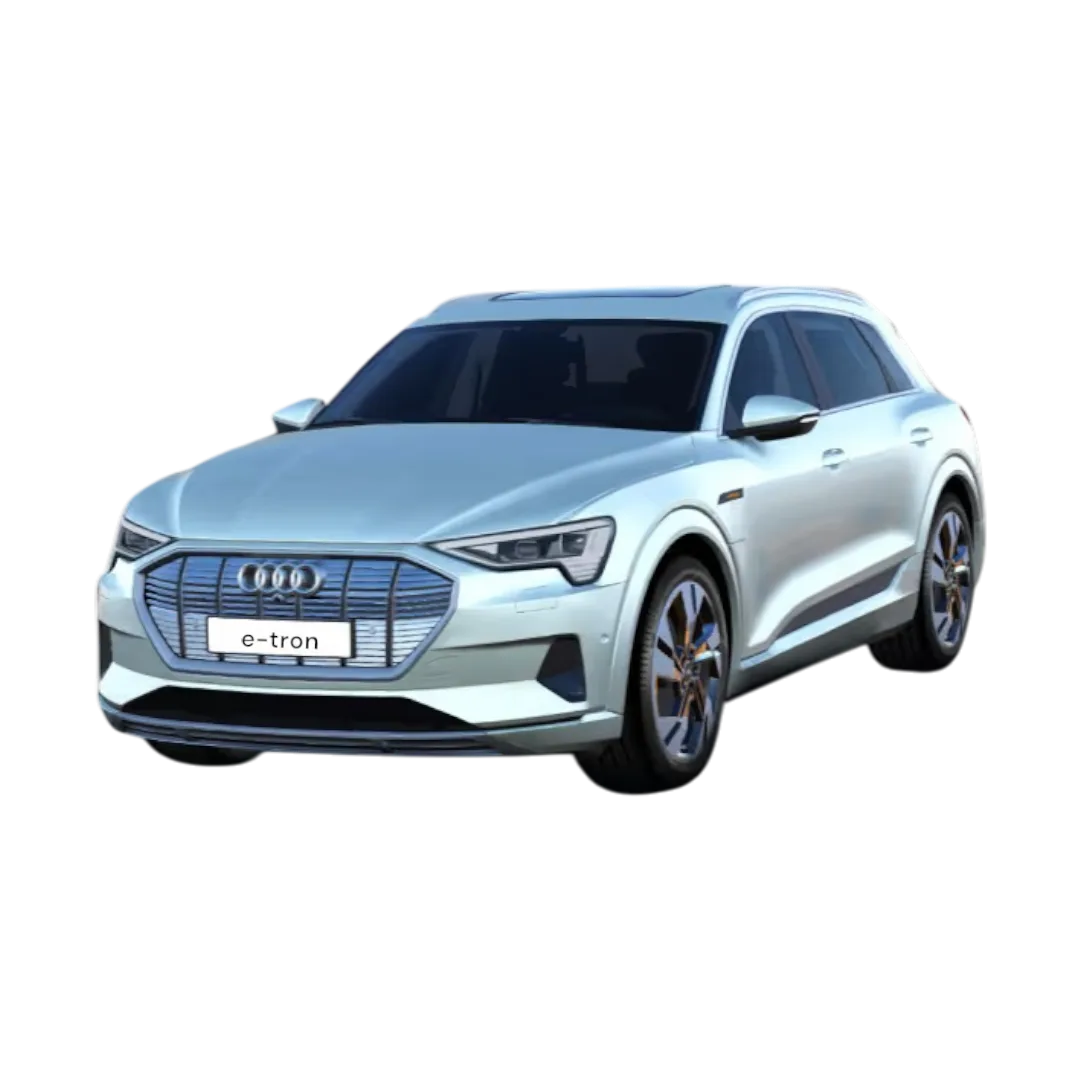 E-Tron
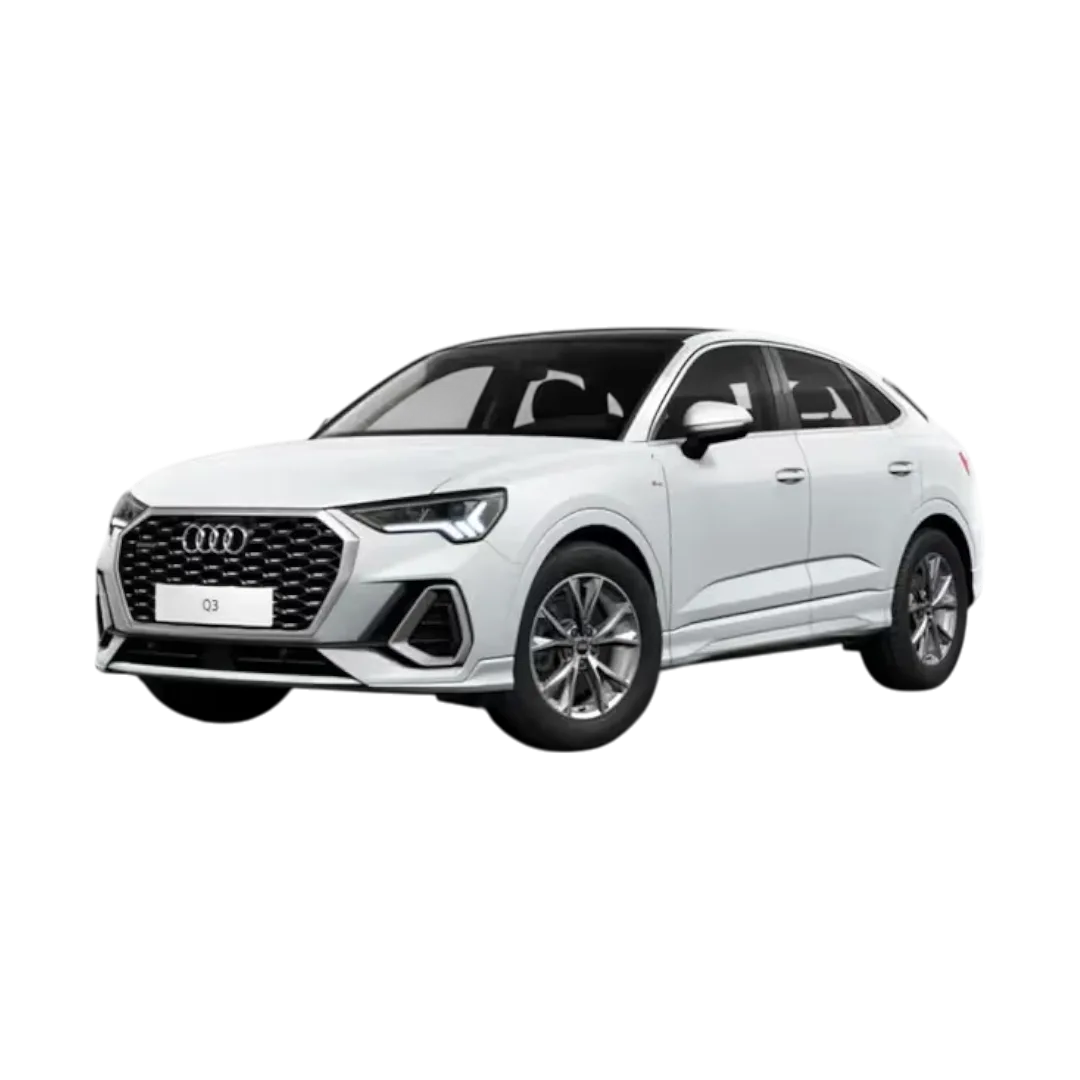 Q3 Sportback
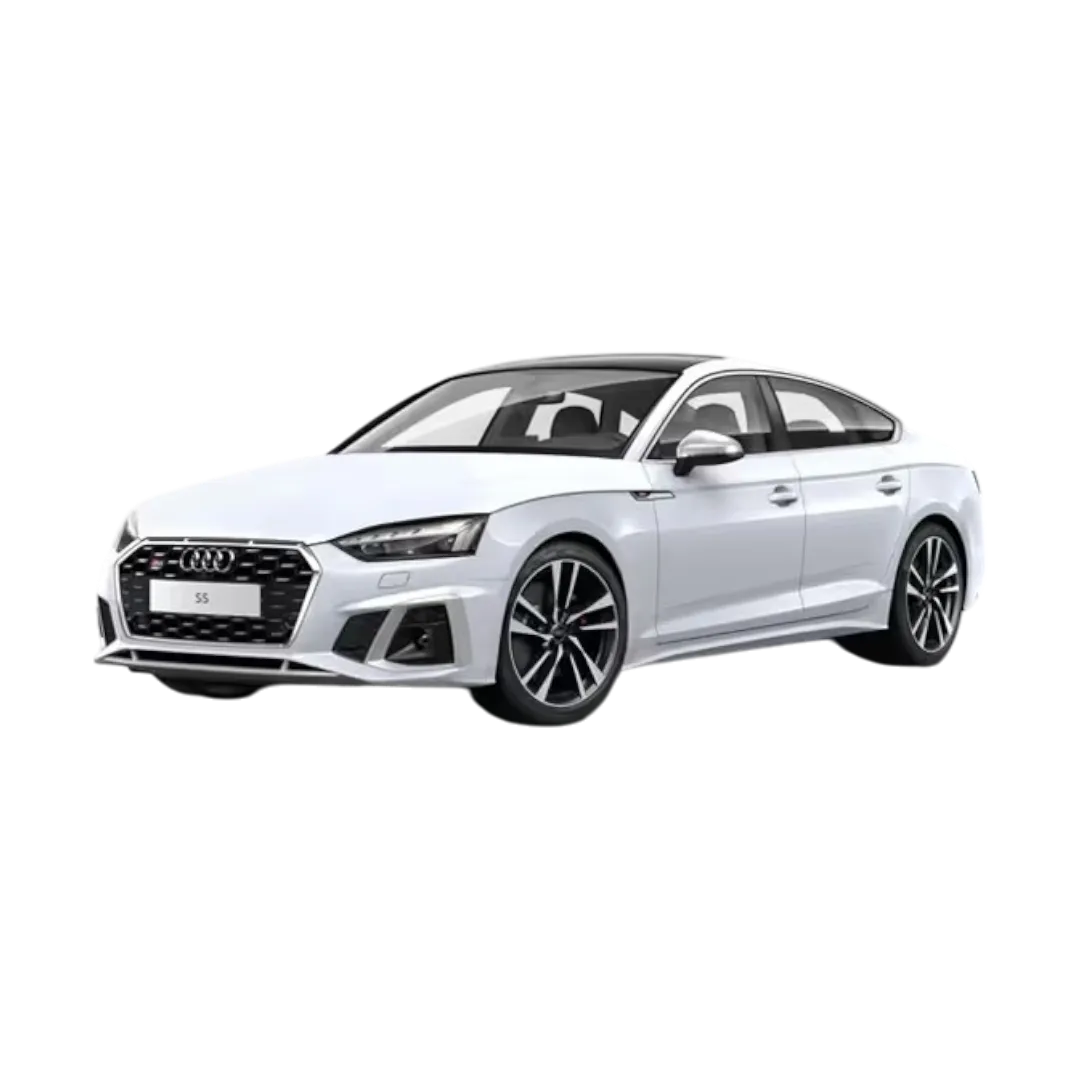 Audi S5 Sportback
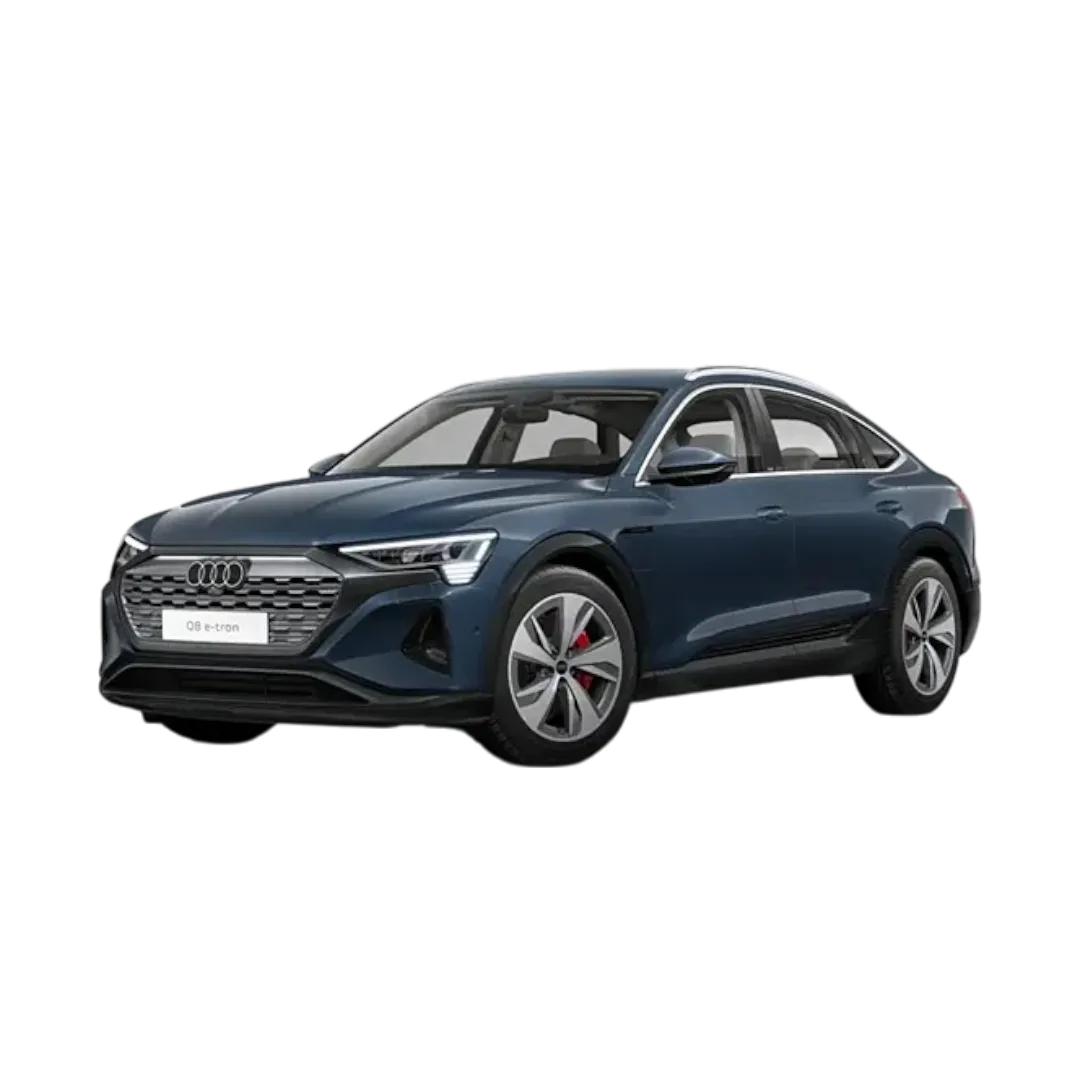 Q8 E-Tron
 Q8 E-Tron Sportback
 Audi A8L
 Audi RS Q8
 Audi A3
 BMW X7
 BMW X1
 BMW X5
 BMW XM
 BMW Z4
 3 Series
 BMW X3
 BMW iX
 BMW i7
 BMW M2
 7 Series
 2 Series
 BMW i4
 5 Series
 6 Series
 BMW ix1
 M4 Competition
 3 Series Gran Limousine
 M8 Coupe
 BMW M3
 BMW X6
 BMW i5
 BMW X4
 Mercedes Benz GLA
 Mercedes E-Class
 Mercedes S-Class
 Mercedes Benz GLS
 Mercedes Benz C-Class
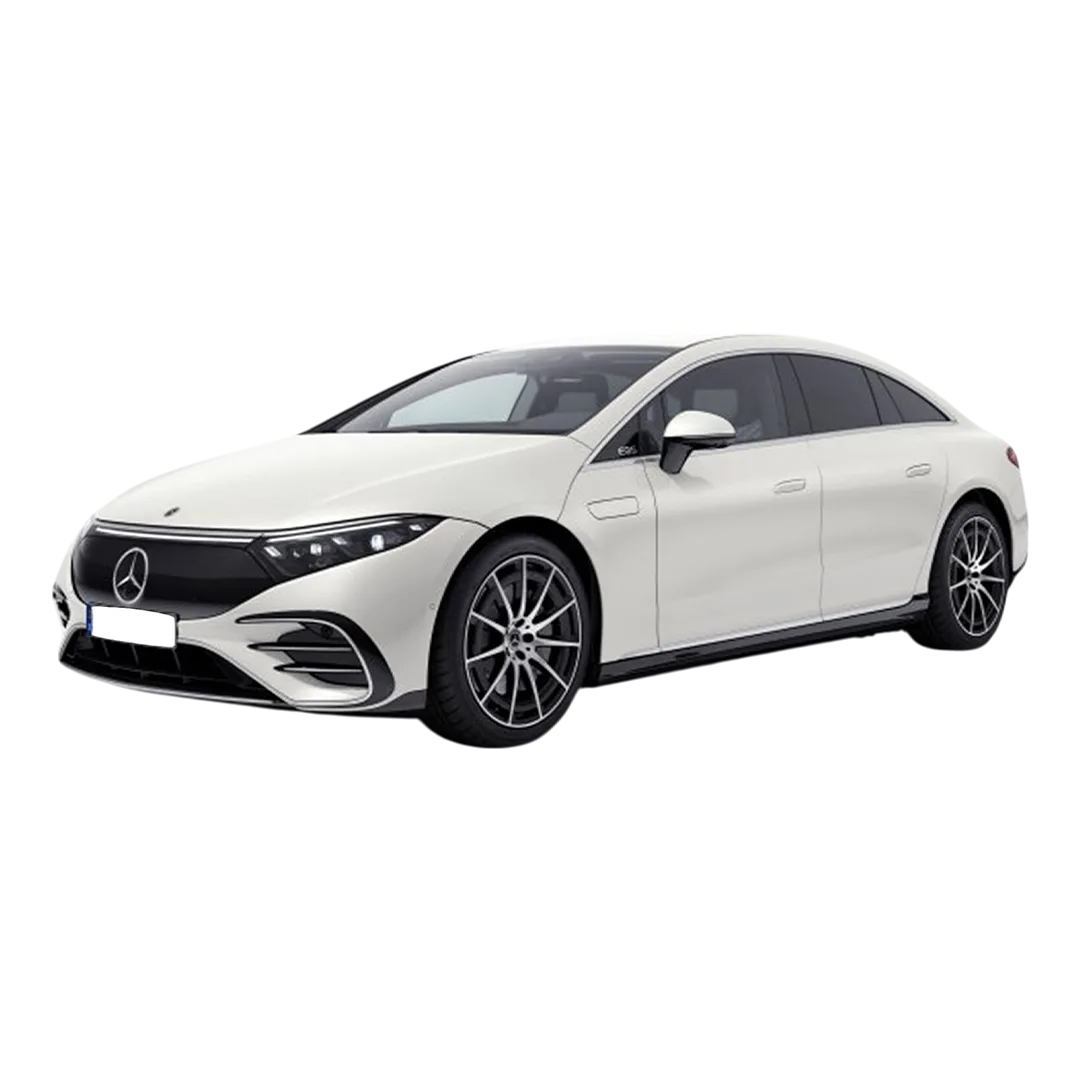 Mercedes Benz EQS
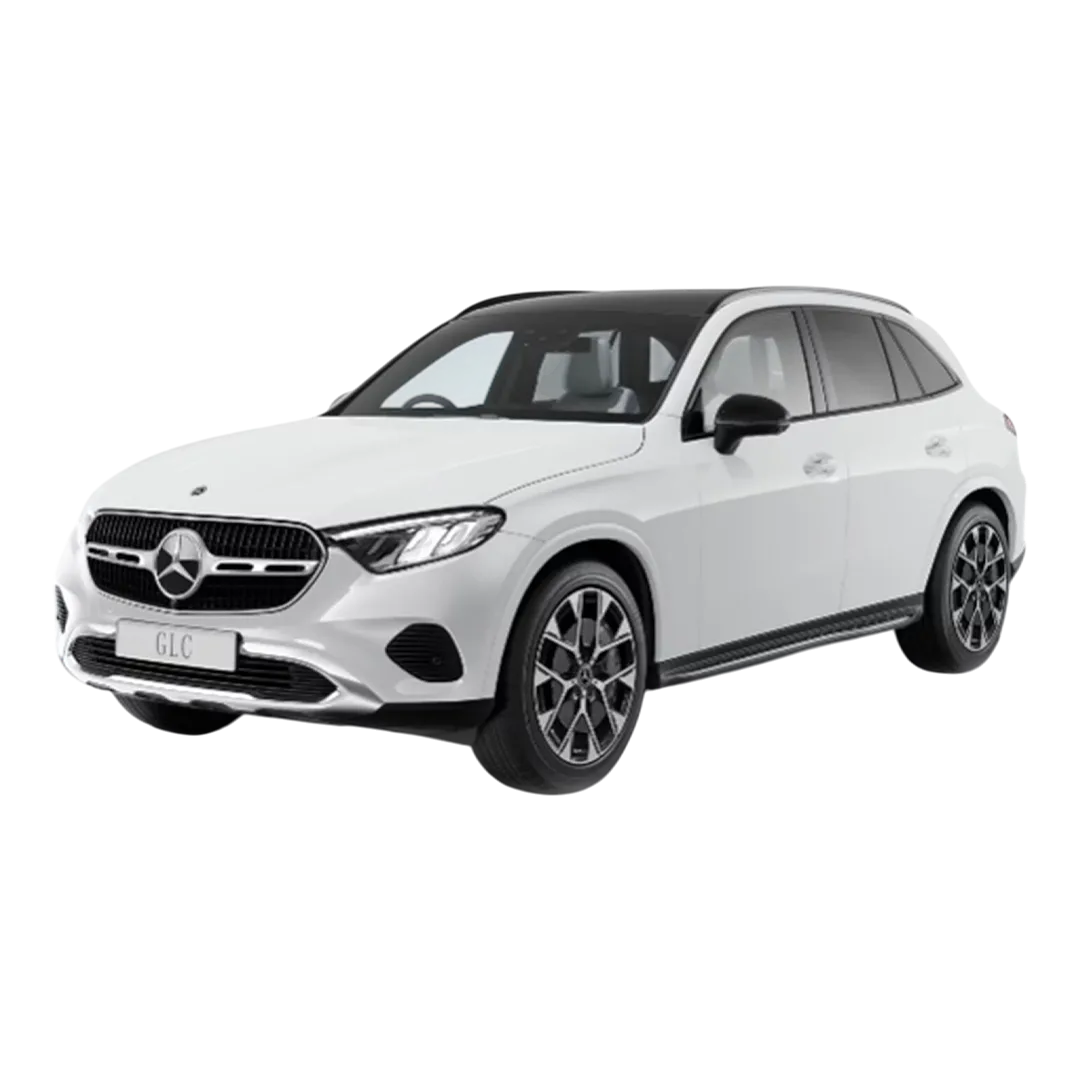 Mercedes Benz GLC
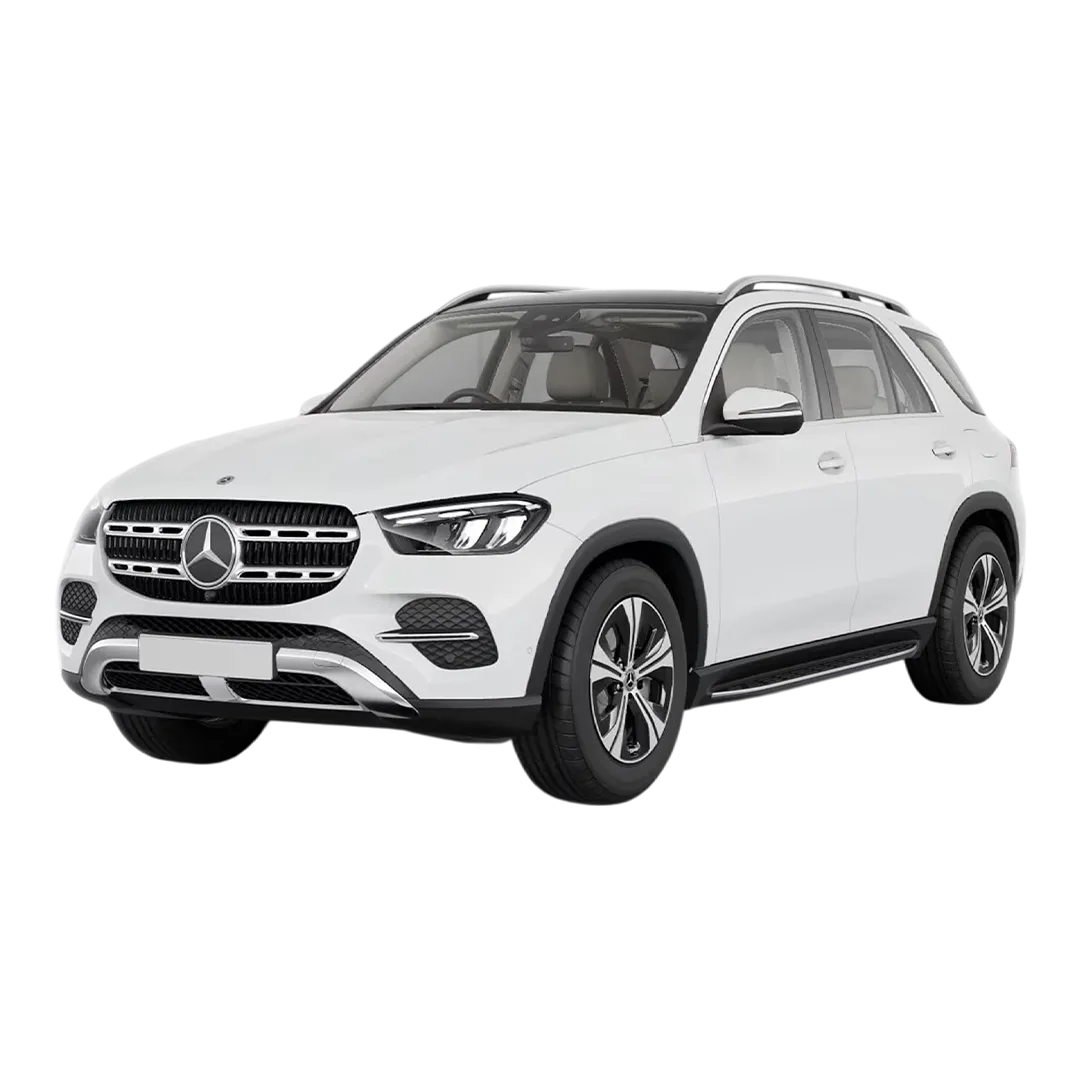 Mercedes Benz GLE
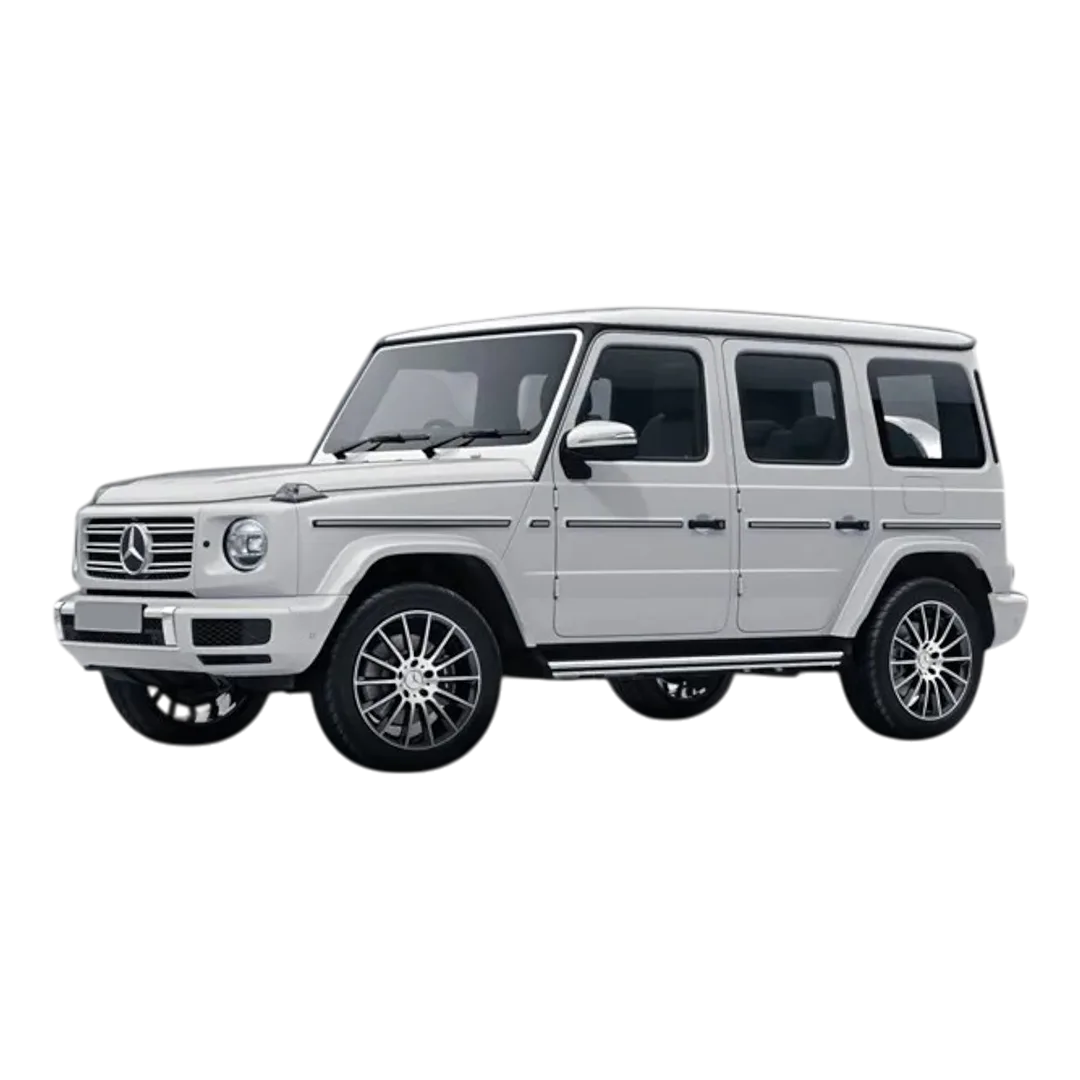 Mercedes Benz G-Class
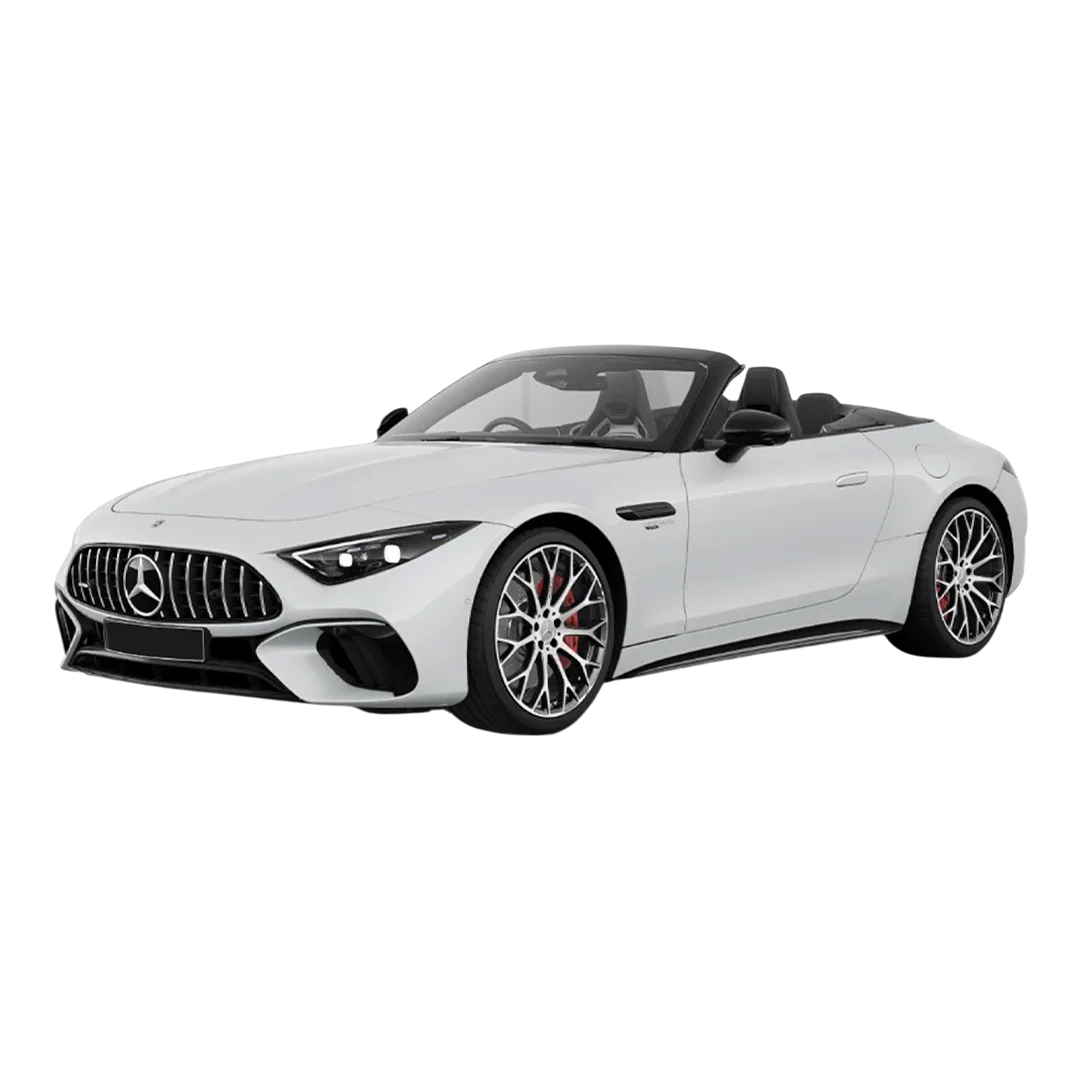 Mercedes Benz AMG SL
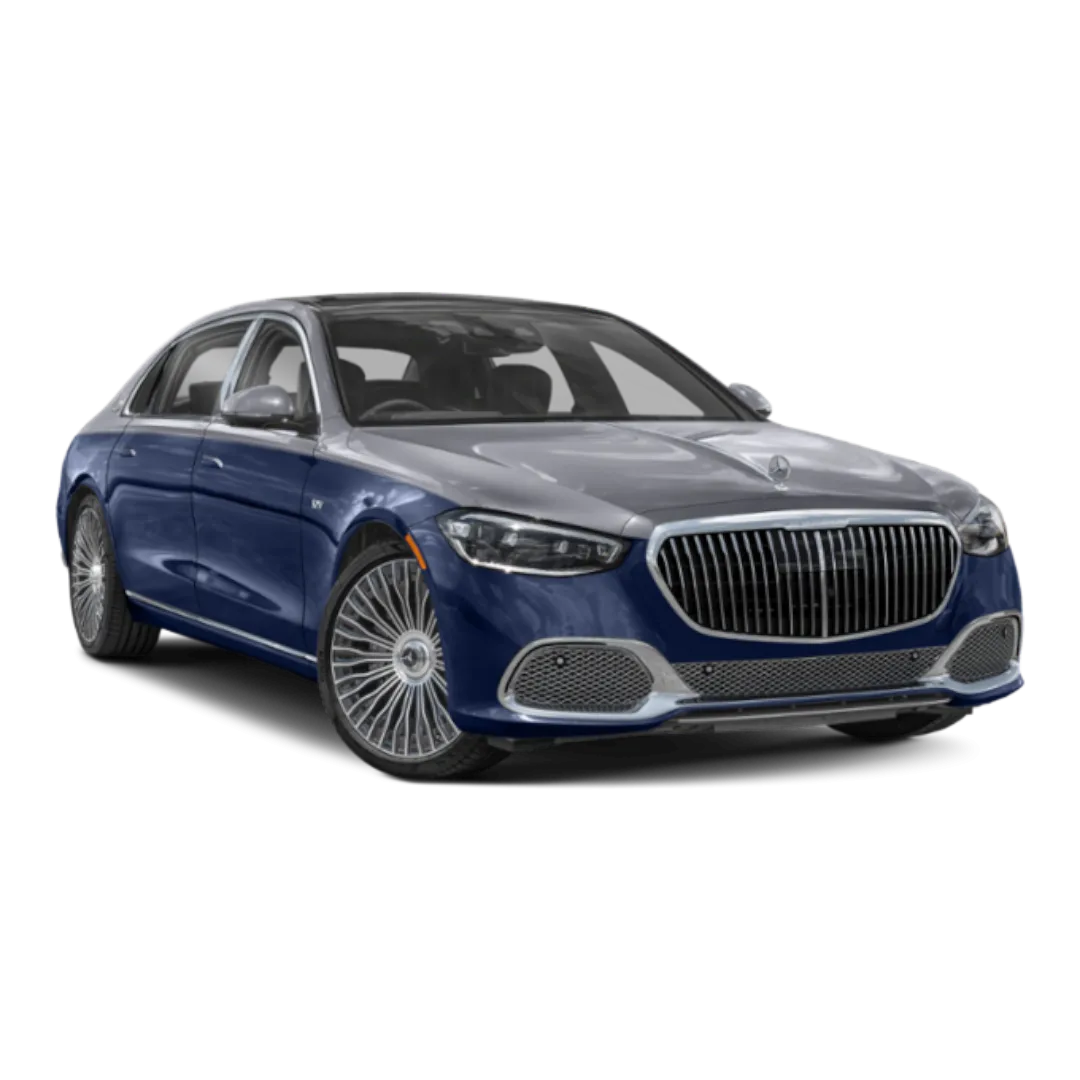 Mercedes Benz MAYBACH S- Class
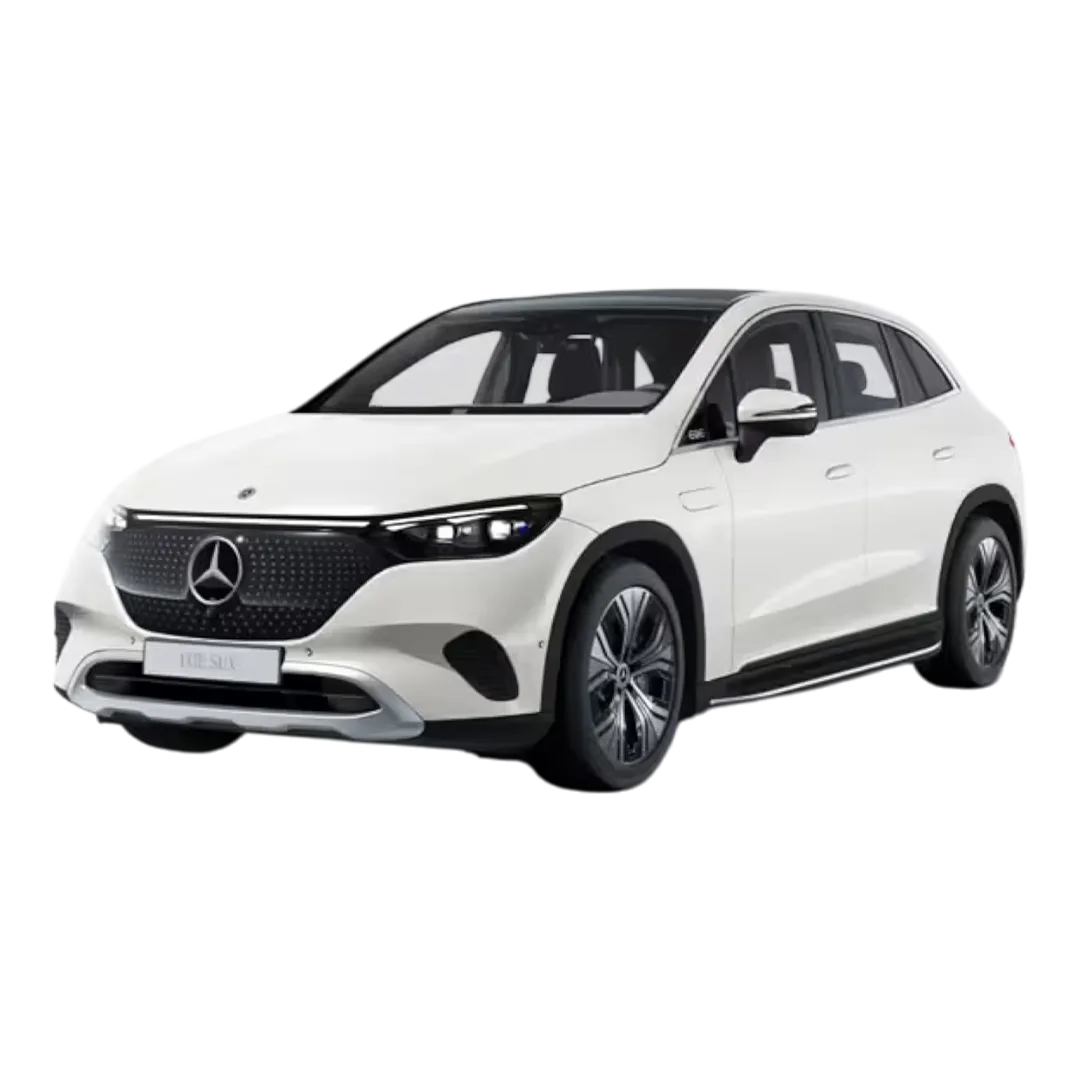 Mercedes Benz EQE-SUV
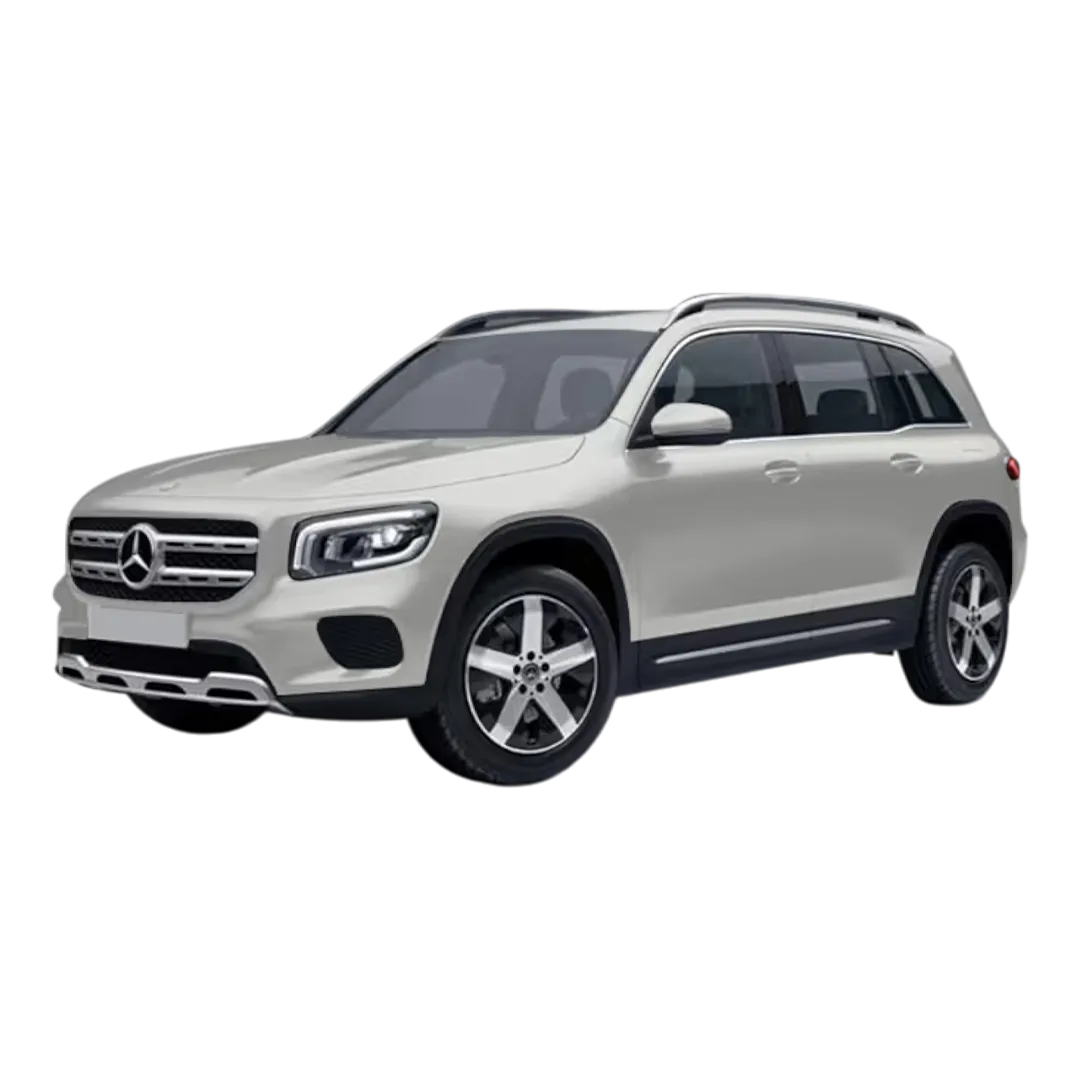 Mercedes Benz GLB
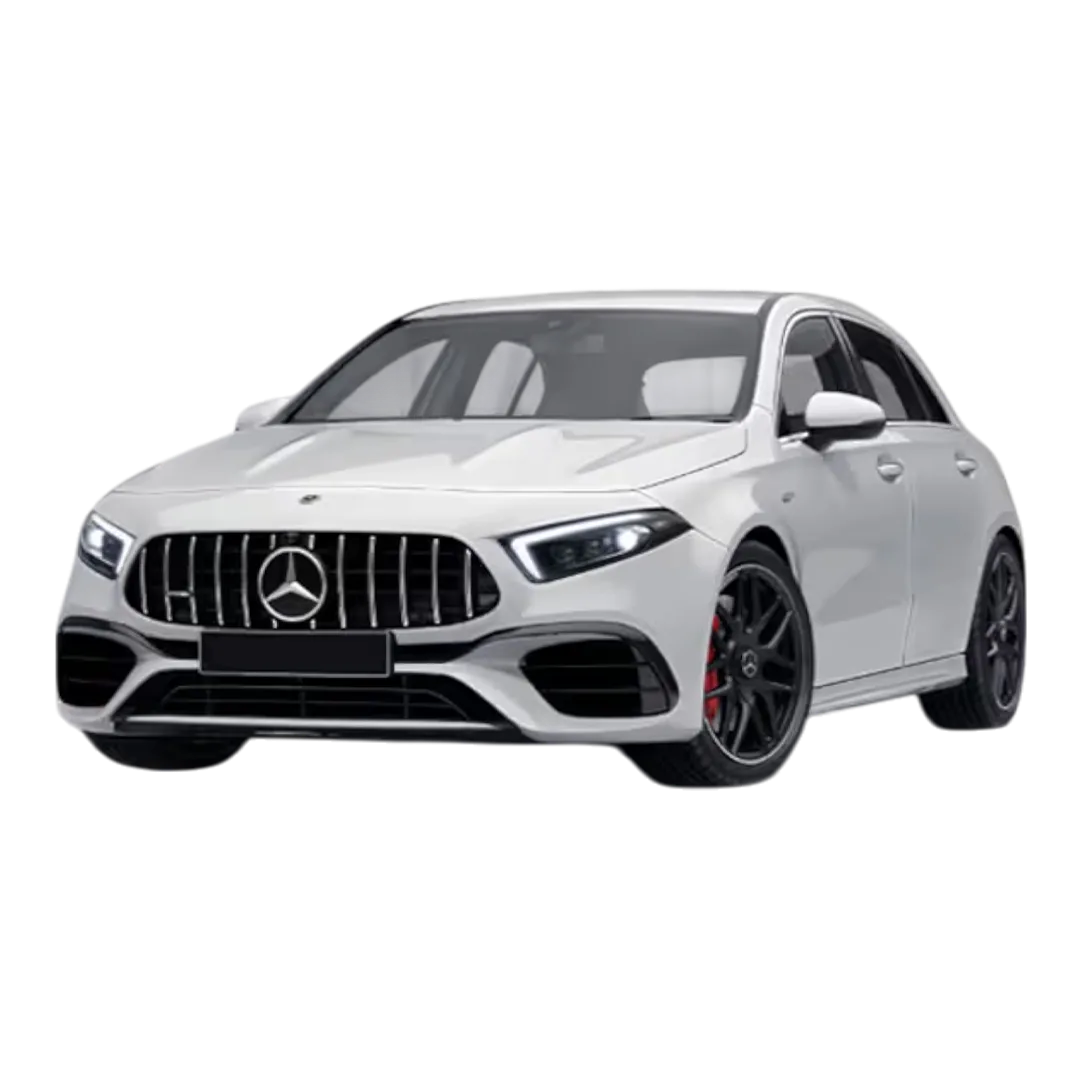 Mercedes Benz AMG A 45 S
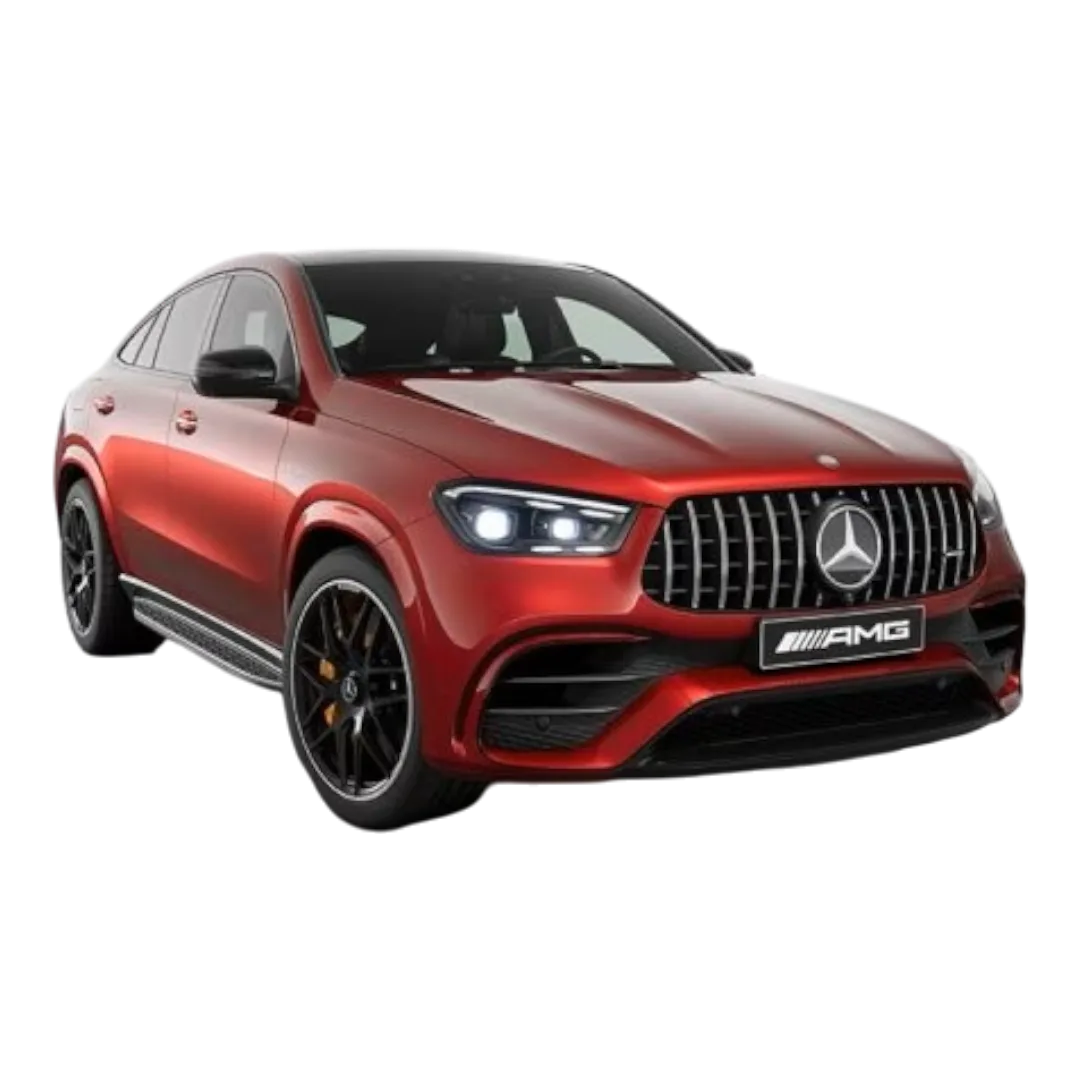 Mercedes Benz AMG GLE S3
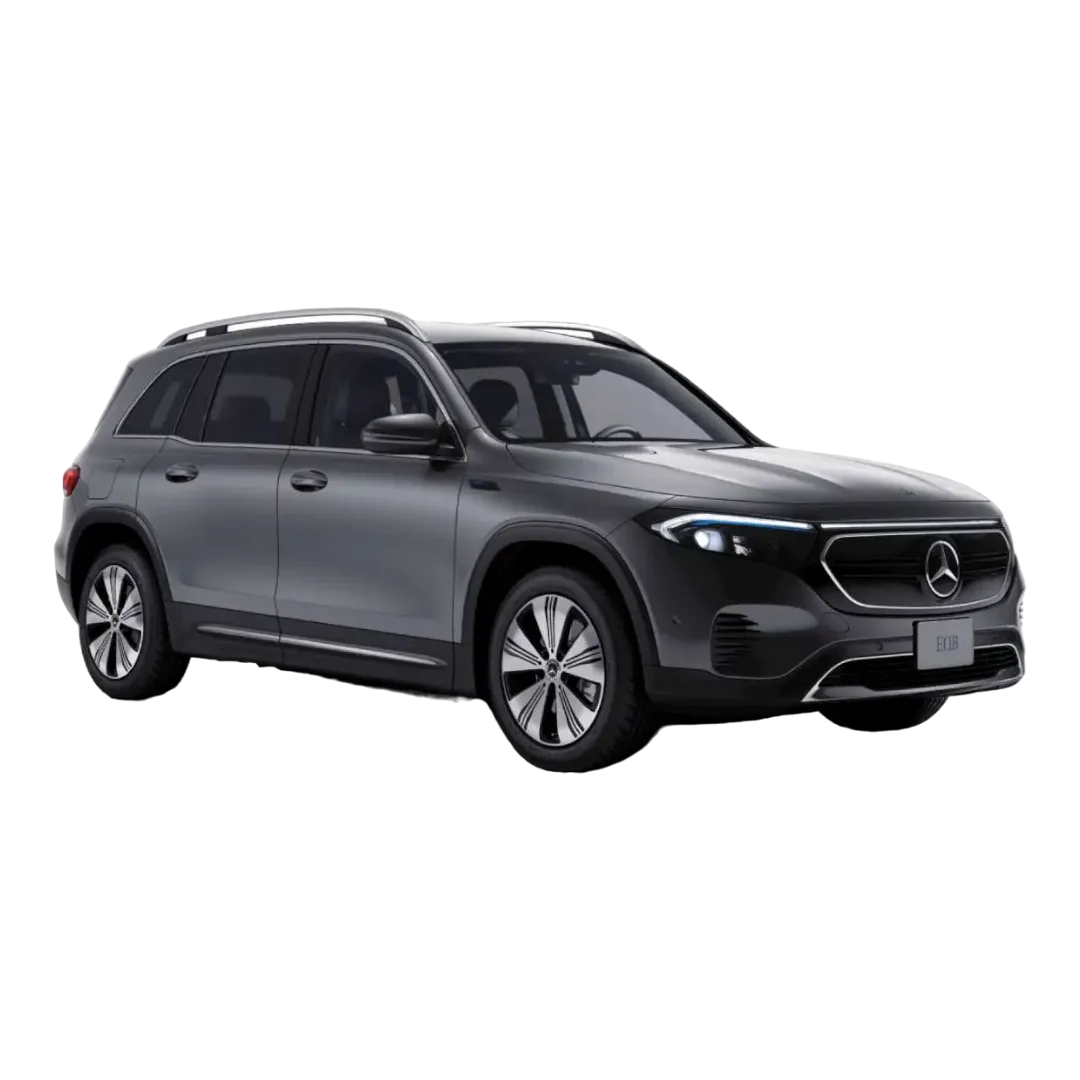 Mercedes Benz EQB
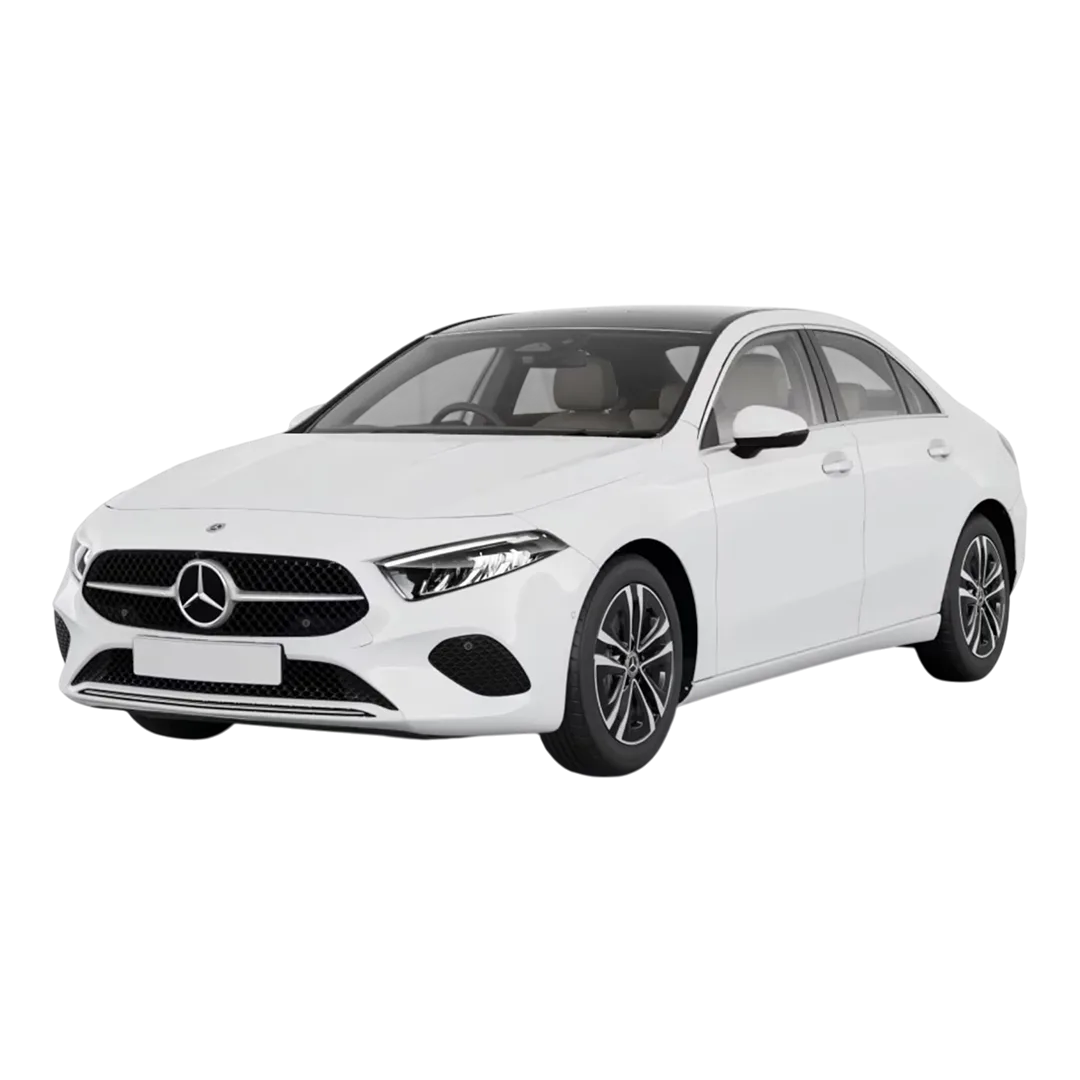 Mercedes Benz A Class limousine
 Mercedes Benz AMG A 35
 Mercedes-Benz AMG EQS
 Mercedes-Benz AMG E 53 Cabriolet
 Mercedes-Benz AMG GLA 35
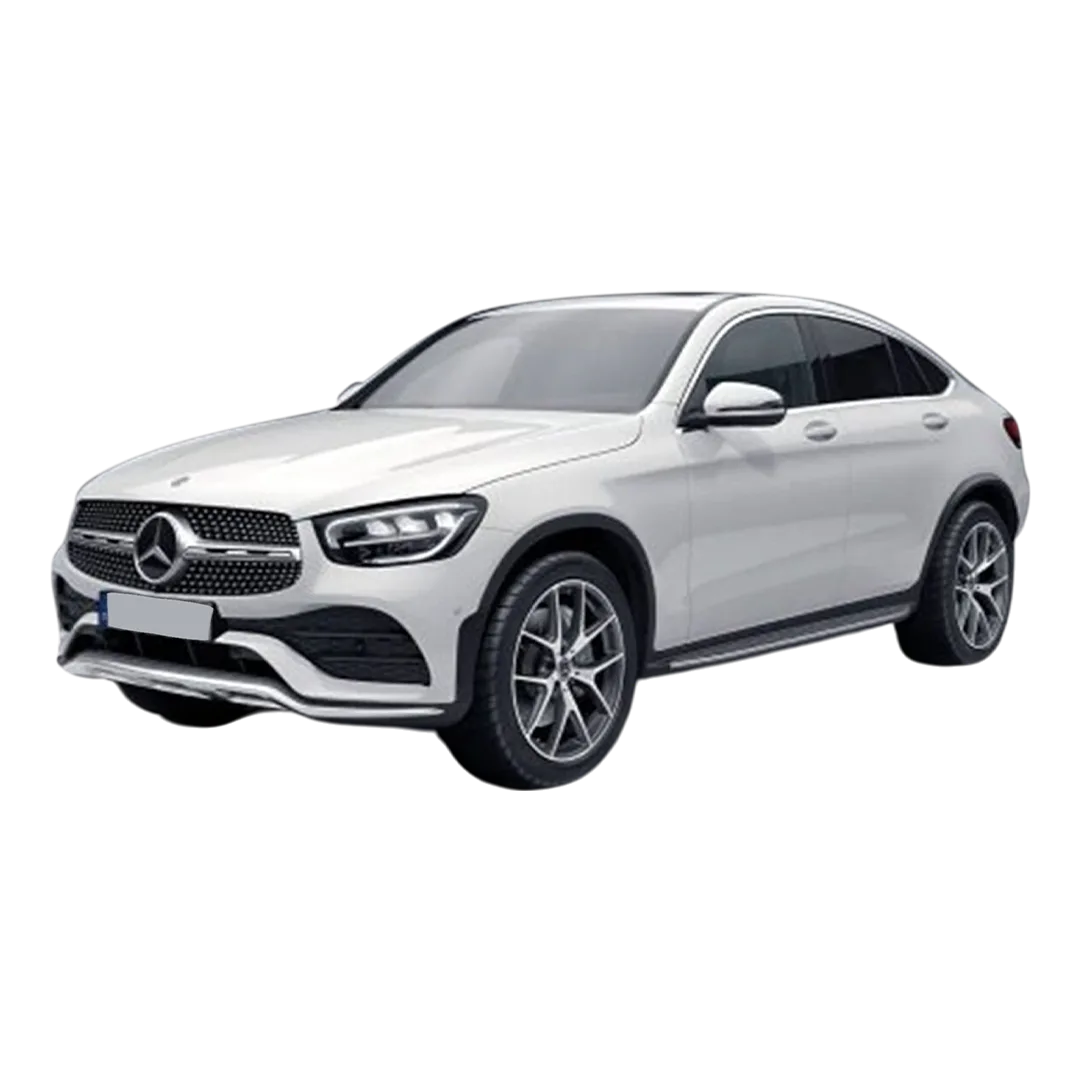 Mercedes-Benz GLC Coupe 2023
 Mercedes M-Class
R-Class
Mercedes M-Class
R-Class
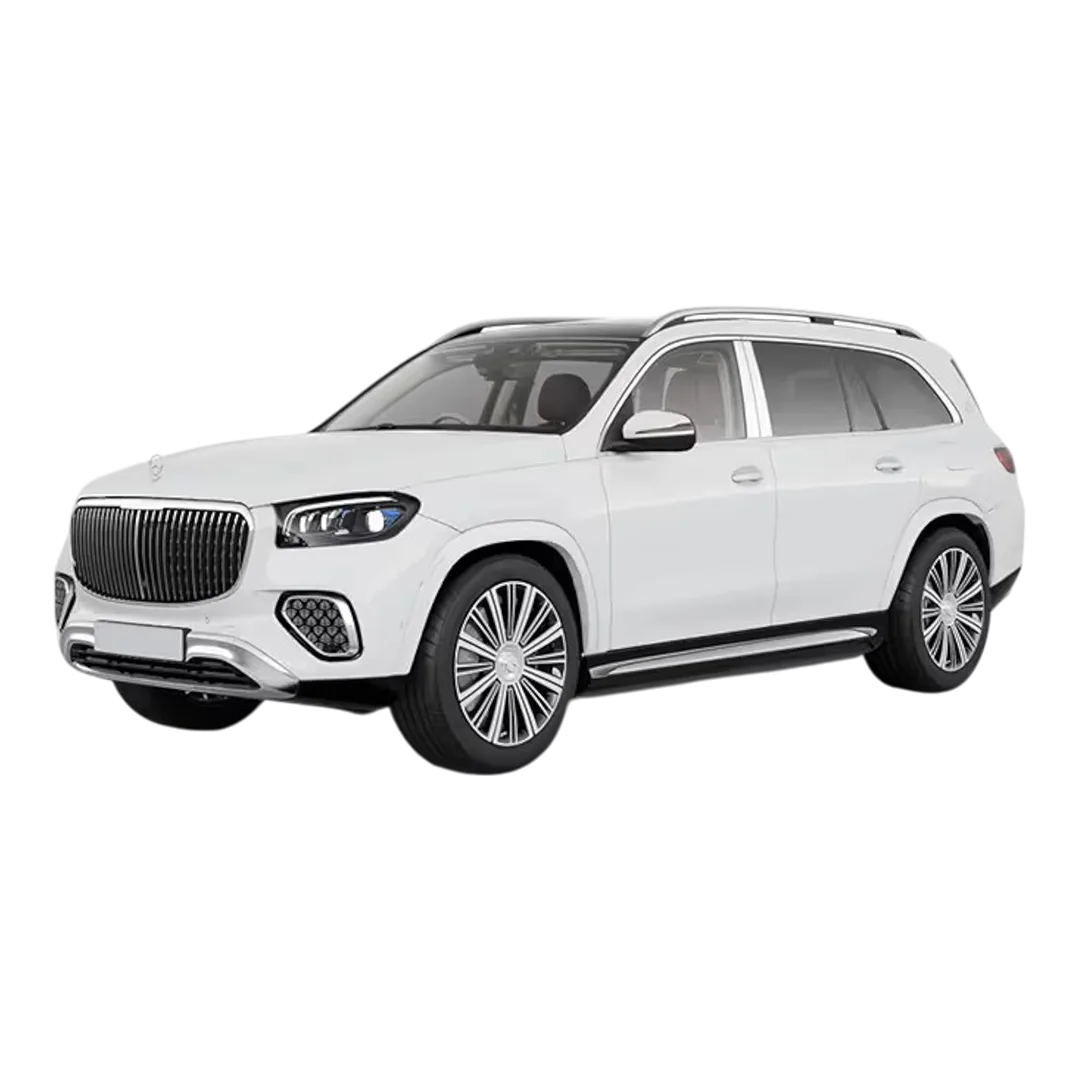 GLS 600
GLS 400
GLS 350
GLE 300
GLS 600
GLS 400
GLS 350
GLE 300
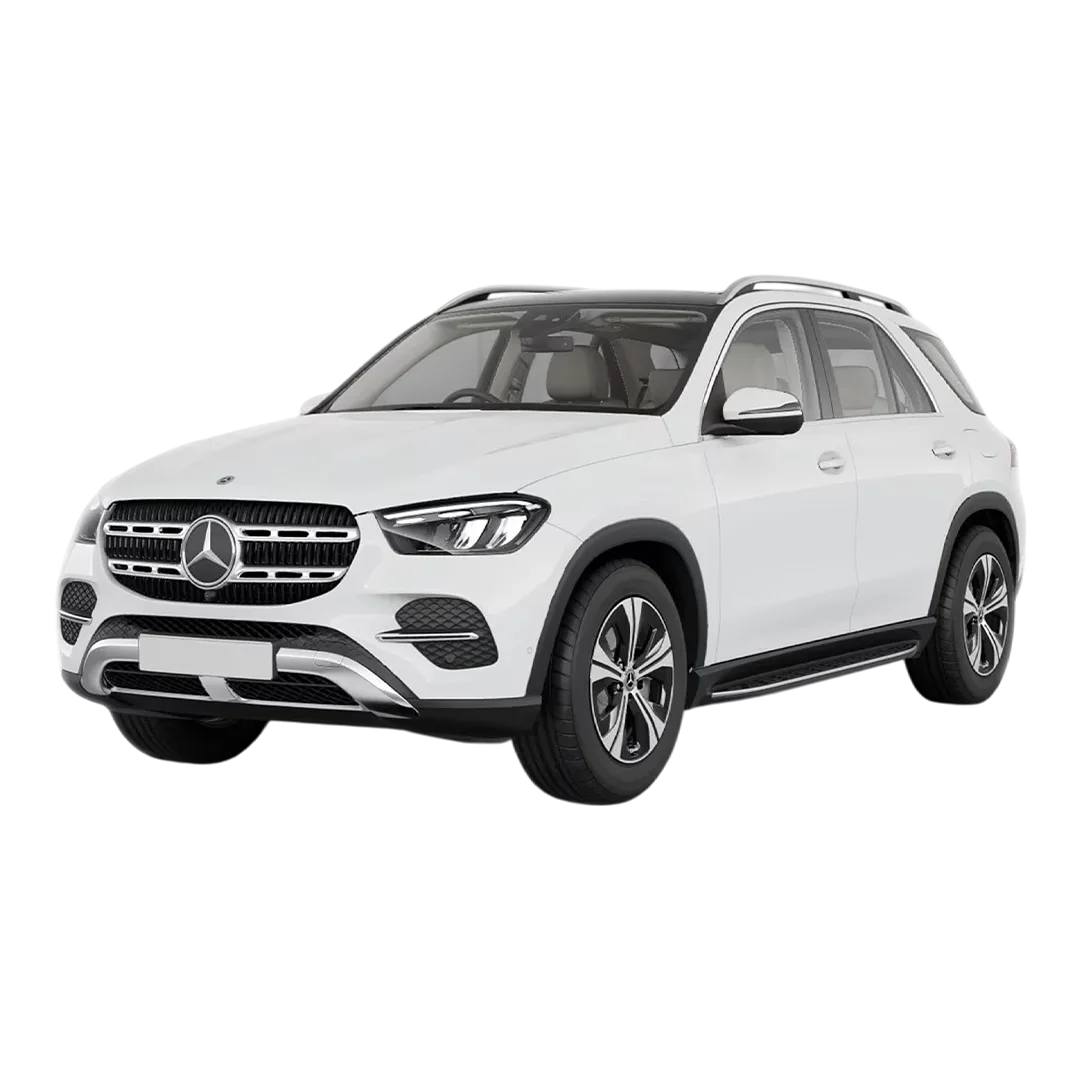 GLE 400
GLE 250D
GLE 400
GLE 250D
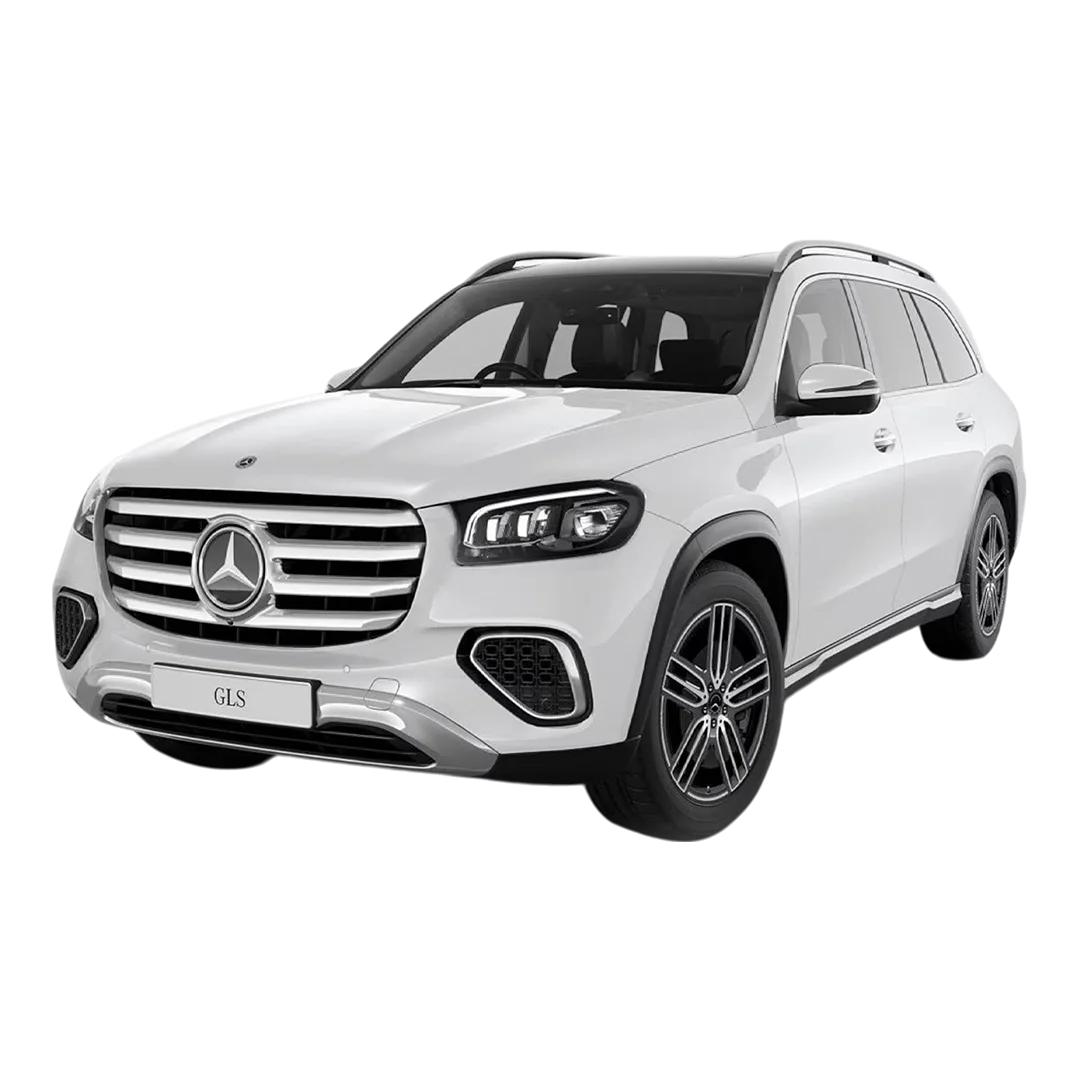 GLC 220D
GLC 300
GLC 220D
GLC 300
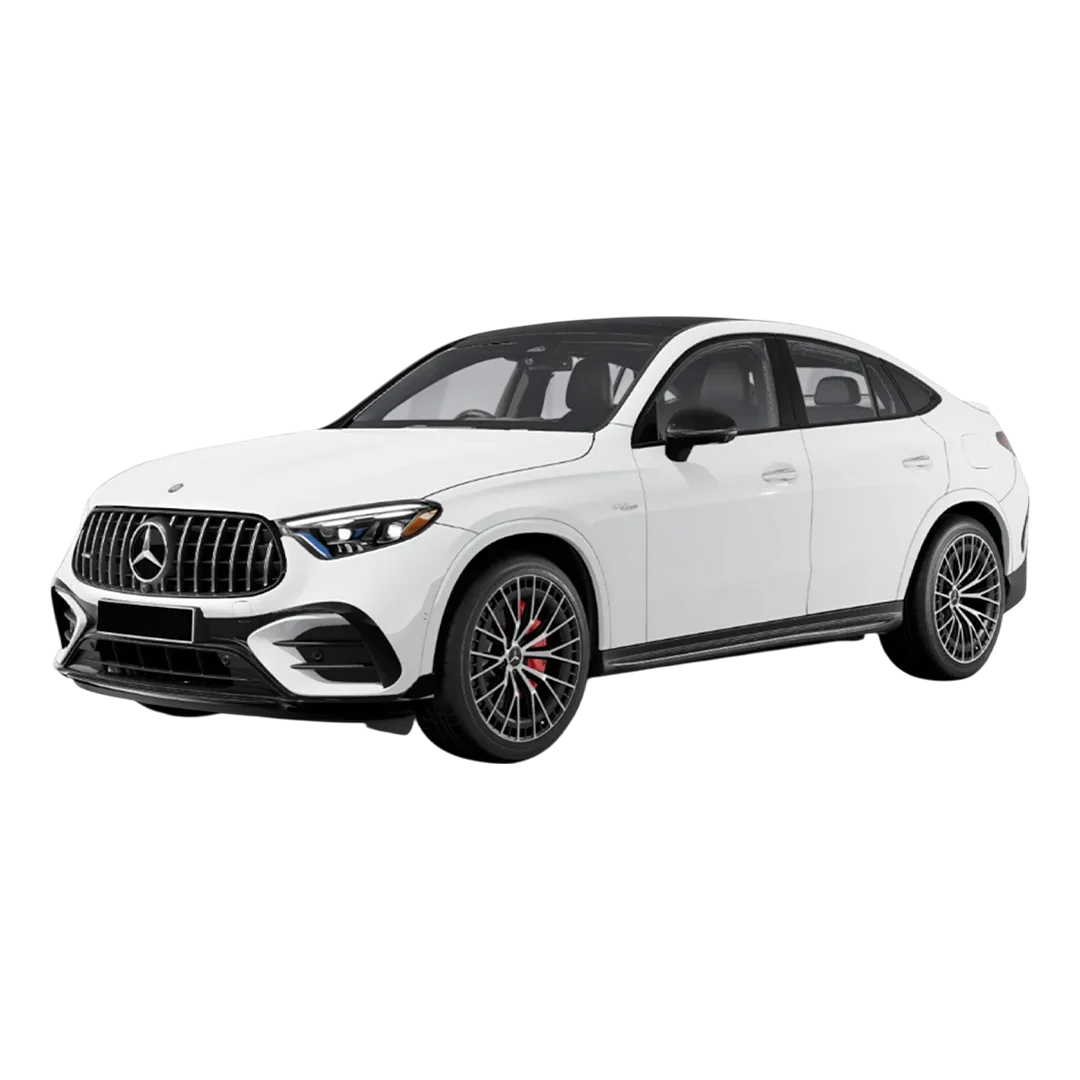 GLC 43 Coupe
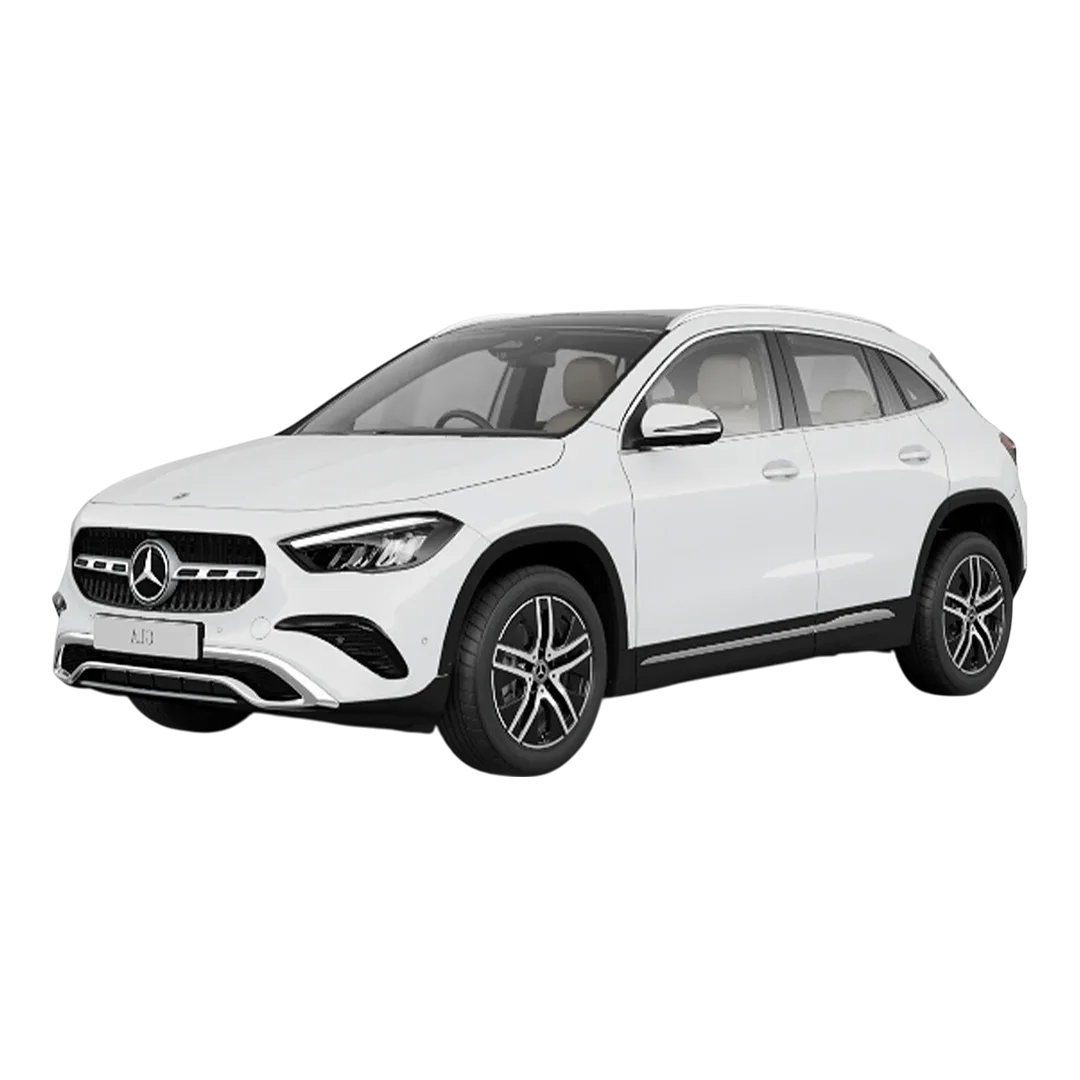 GLA 220d
 GLA-Class 200D
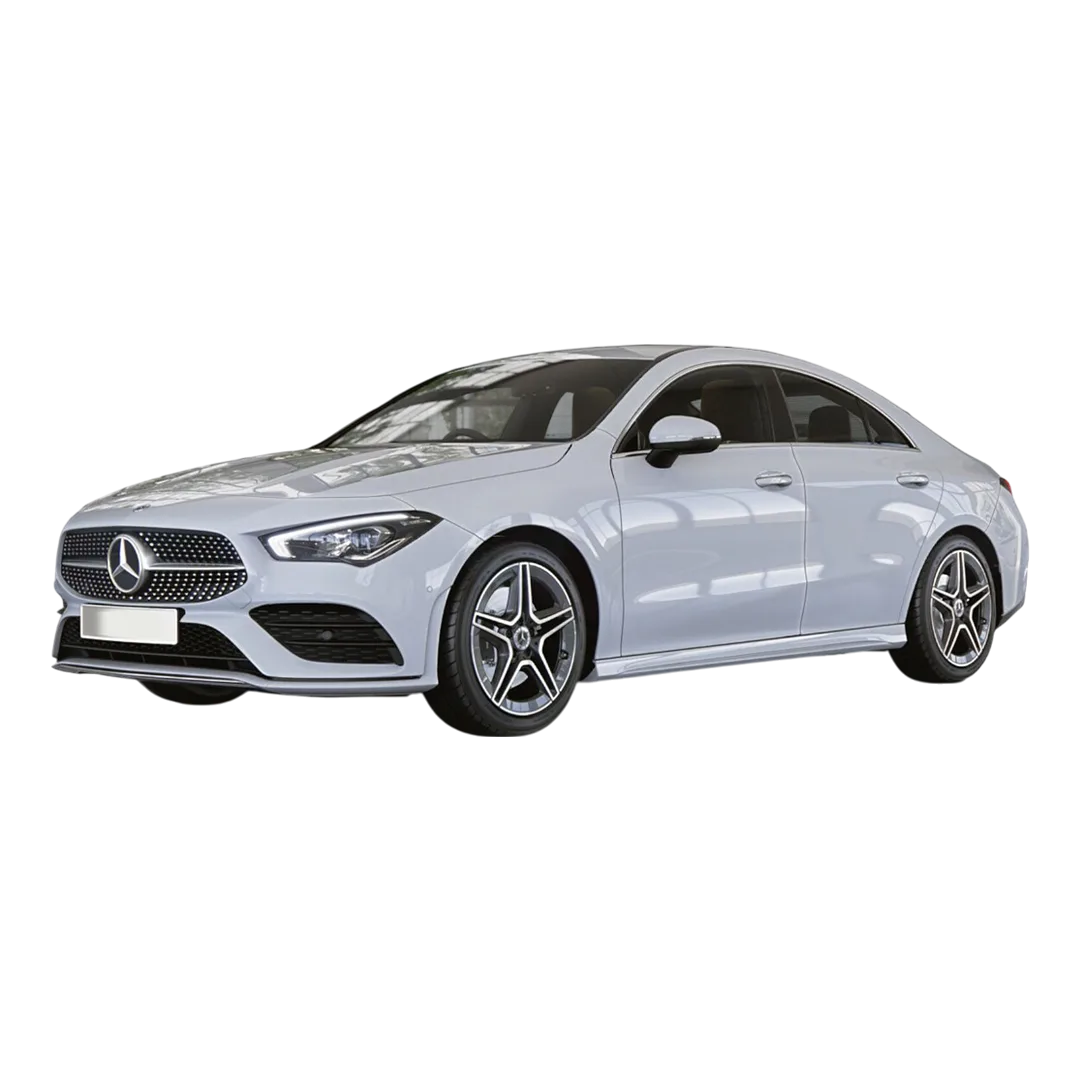 CLA 200
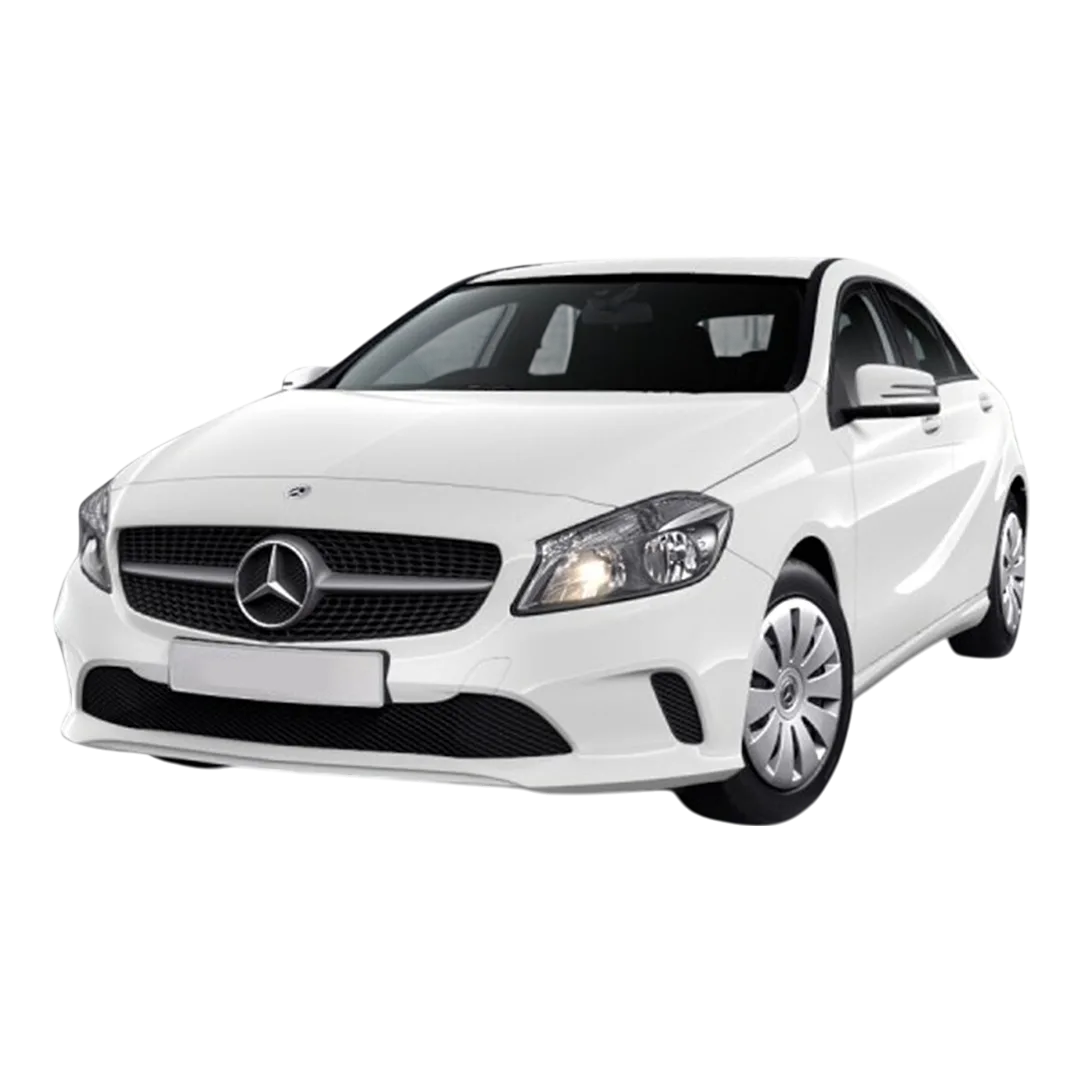 Benz A-Class A 180
M-Class ML 250
M-Class ML 350
Benz A-Class A 180
M-Class ML 250
M-Class ML 350
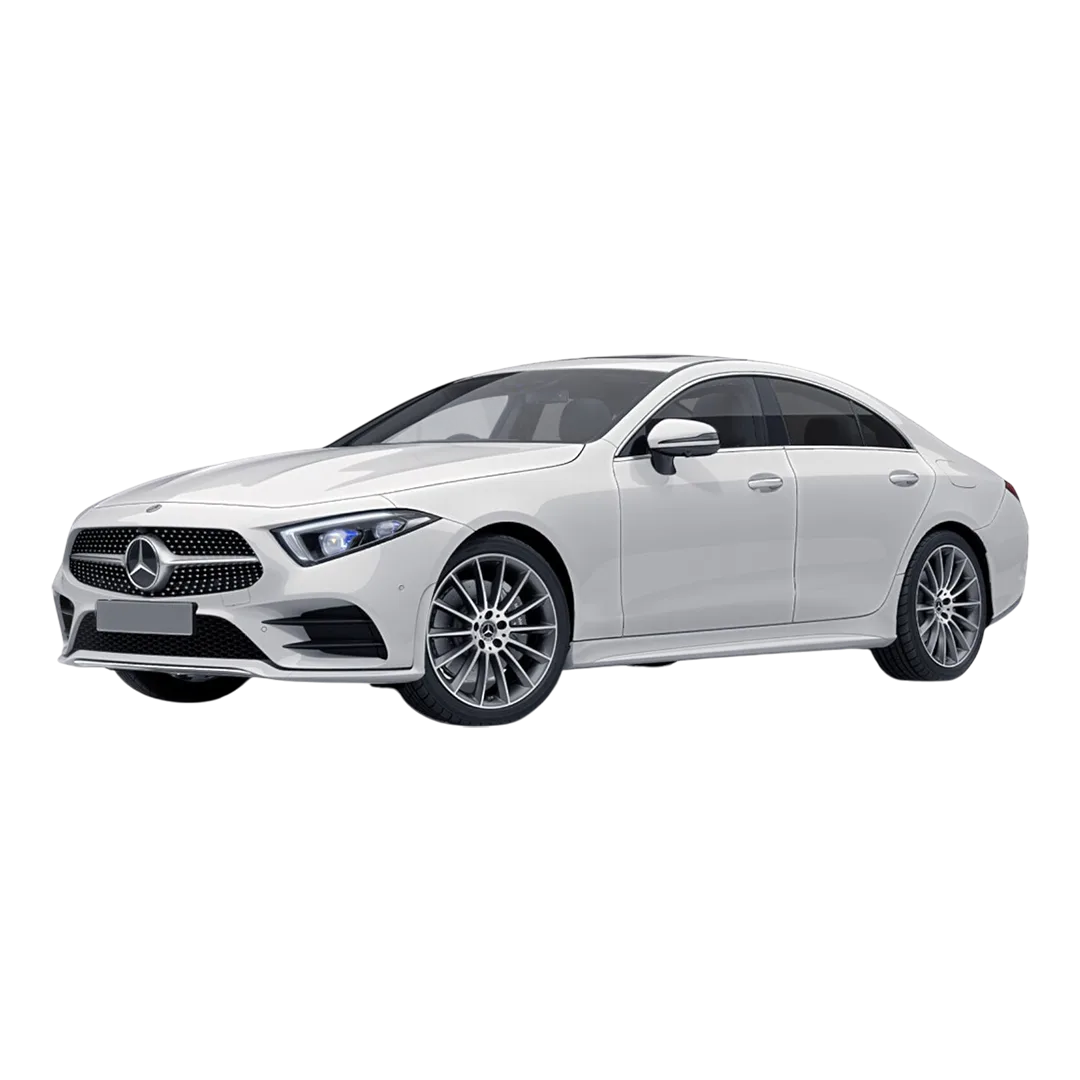 Benz CLS 300
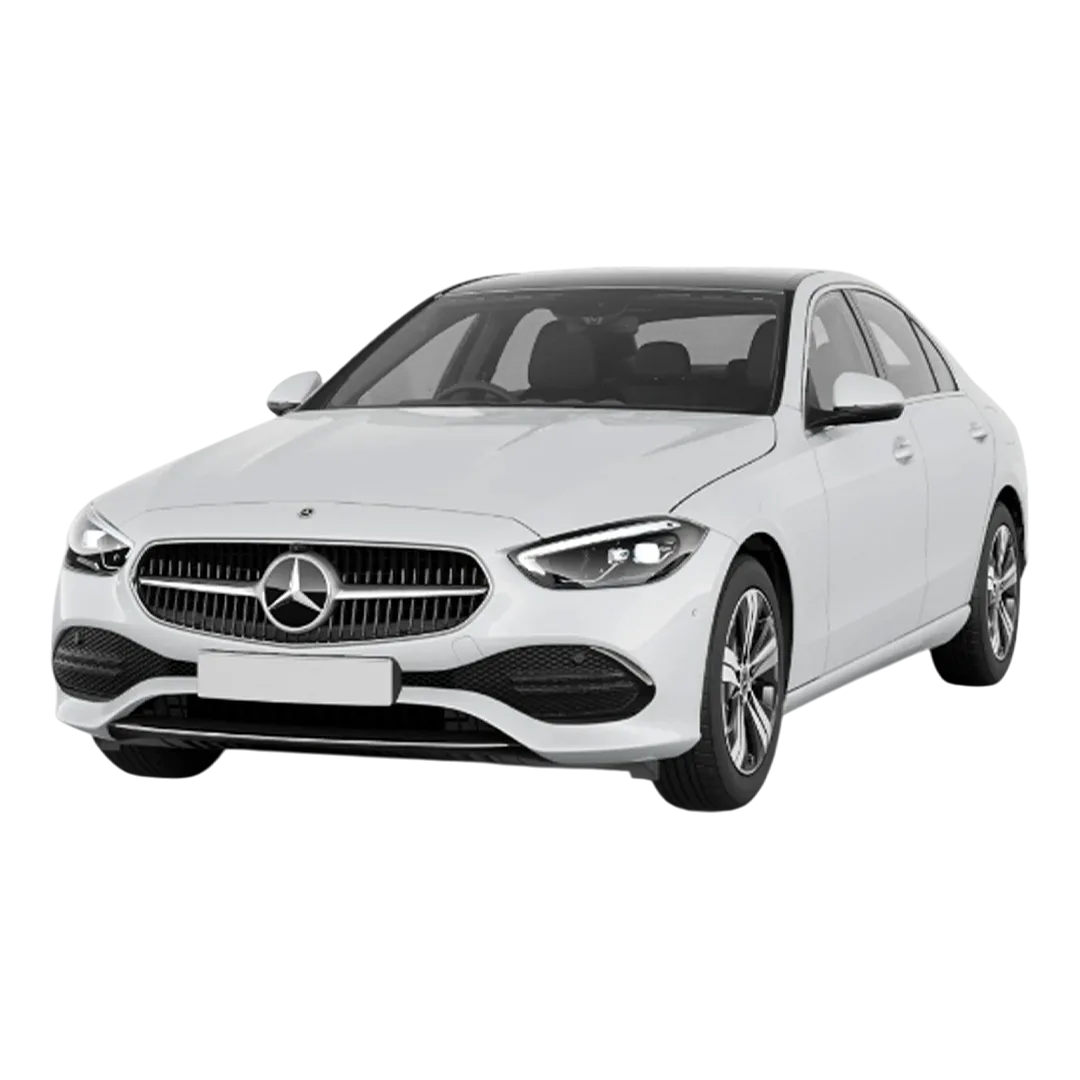 C-Class C250
C-Class C220
C-Class C200
C-Class C250
C-Class C220
C-Class C200
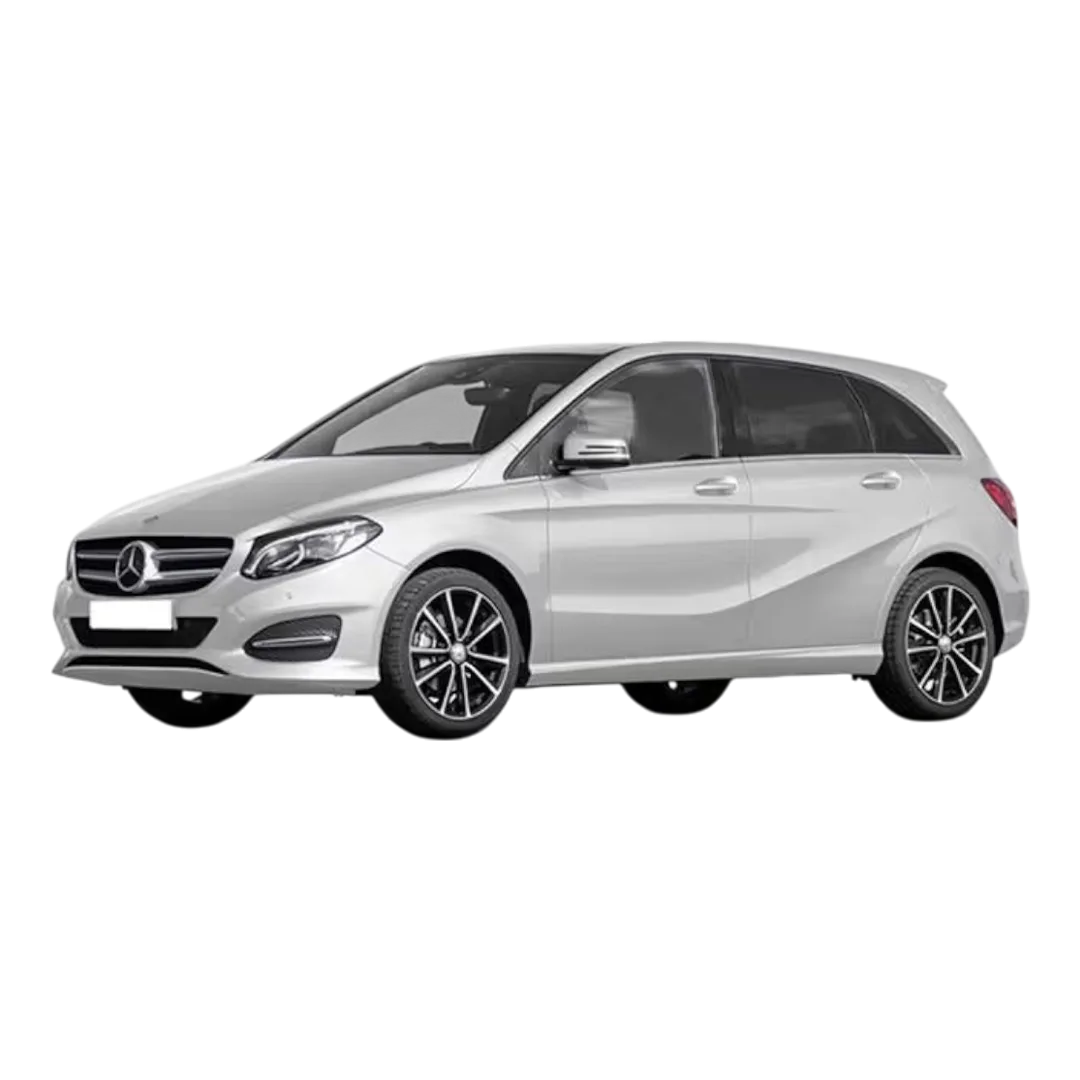 Benz B - Class
Benz A - 200
Benz B - Class
Benz A - 200
The Indian automotive industry is witnessing a major shift as more buyers move towards cleaner and smarter mobility solutions. With rising fuel prices, stricter emission norms, and increasing awareness about sustainable transportation, hybrid cars and electric vehicles (EVs) have become two of the most discussed options in the market. While both technologies aim to reduce fuel consumption and environmental impact, they offer very different ownership experiences. This often leaves buyers wondering which option is the better investment for Indian roads and driving conditions.
Choosing between a hybrid car and an EV is not just about following the latest trend. It depends on several practical factors, including your daily driving distance, charging accessibility, maintenance costs, long term savings, and travel requirements. A vehicle that works perfectly for city commuting may not be the best choice for frequent highway trips. Understanding these differences can help you make a confident and informed purchase decision.
India's charging infrastructure is expanding steadily, while hybrid technology continues to offer the convenience of traditional refueling combined with improved fuel efficiency. As a result, both options have carved out their own place in the market. In this guide, we compare hybrid cars and EVs based on technology, costs, performance, practicality, and ownership experience to help you decide which makes more sense in India. At Creckk, we believe that informed car owners make better decisions, and this comparison is designed to simplify your buying journey.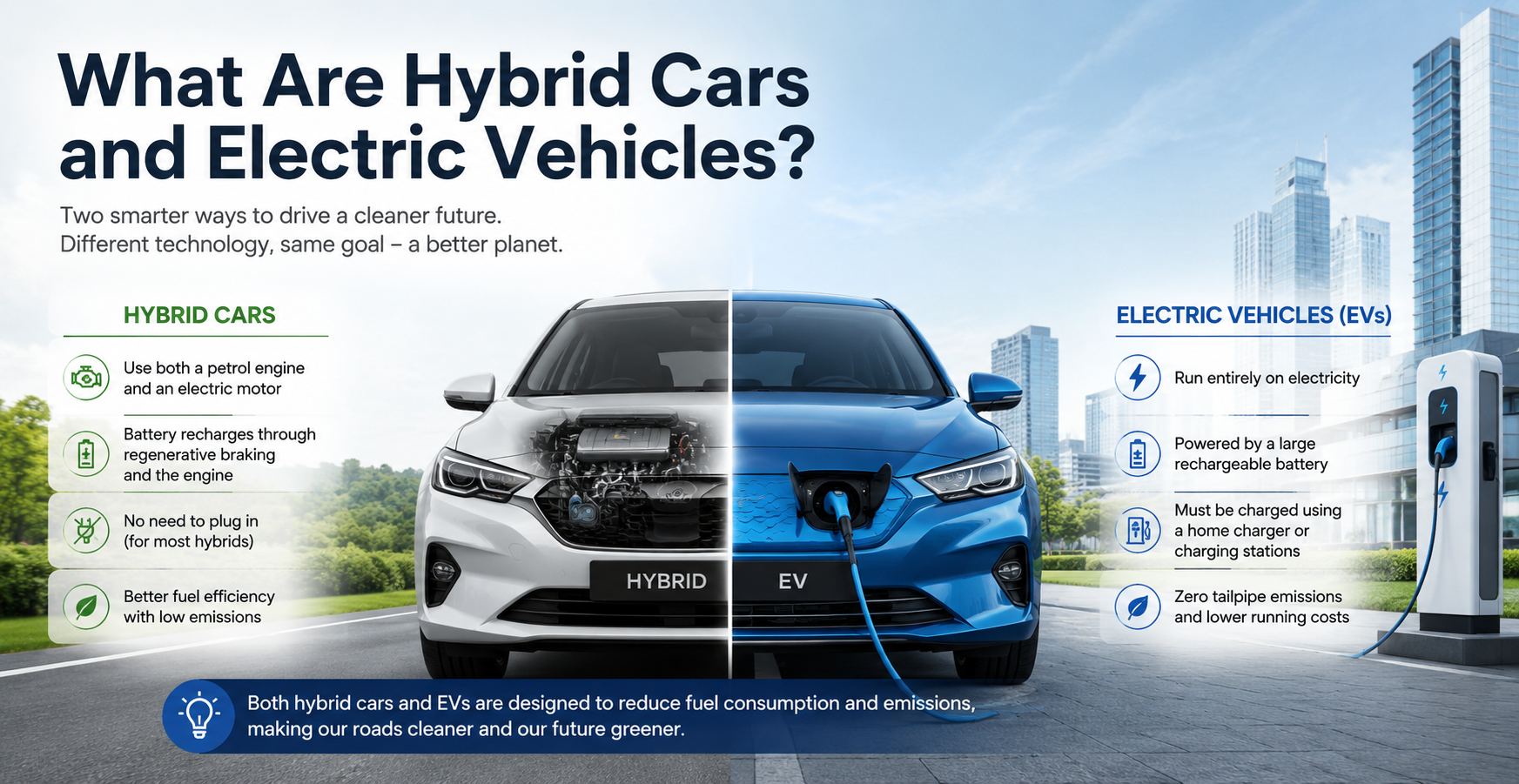
Hybrid cars and electric vehicles may share the common goal of reducing fuel consumption and lowering emissions, but they achieve it in very different ways. Understanding how each technology works is the first step toward choosing the right vehicle for your lifestyle and driving needs.
A hybrid car combines a conventional petrol engine with one or more electric motors. These systems work together to improve fuel efficiency by automatically switching between petrol power, electric power, or a combination of both depending on driving conditions. Most hybrid cars recharge their batteries through regenerative braking and the engine itself, eliminating the need for external charging in most hybrid models. Plug in hybrid vehicles are another type that can also be charged using an external power source, allowing them to travel longer distances on electric power alone.
An electric vehicle, commonly known as an EV, operates entirely on electricity stored in a rechargeable battery pack. Unlike hybrid cars, EVs do not use petrol or diesel and produce zero tailpipe emissions. They can be charged at home using a standard or dedicated charger, as well as at public charging stations that are becoming increasingly available across India.
Hybrid cars are often preferred by buyers who want better fuel economy without changing their refueling habits, while EVs appeal to those looking for lower running costs and an environmentally friendly driving experience. As both technologies continue to evolve, Indian consumers have more choices than ever before. Whether you prioritize convenience, sustainability, or long term savings, understanding the basics of hybrid and electric vehicles can help you make a smarter investment. At Creckk, we encourage every car owner to explore solutions that best match their driving requirements and lifestyle.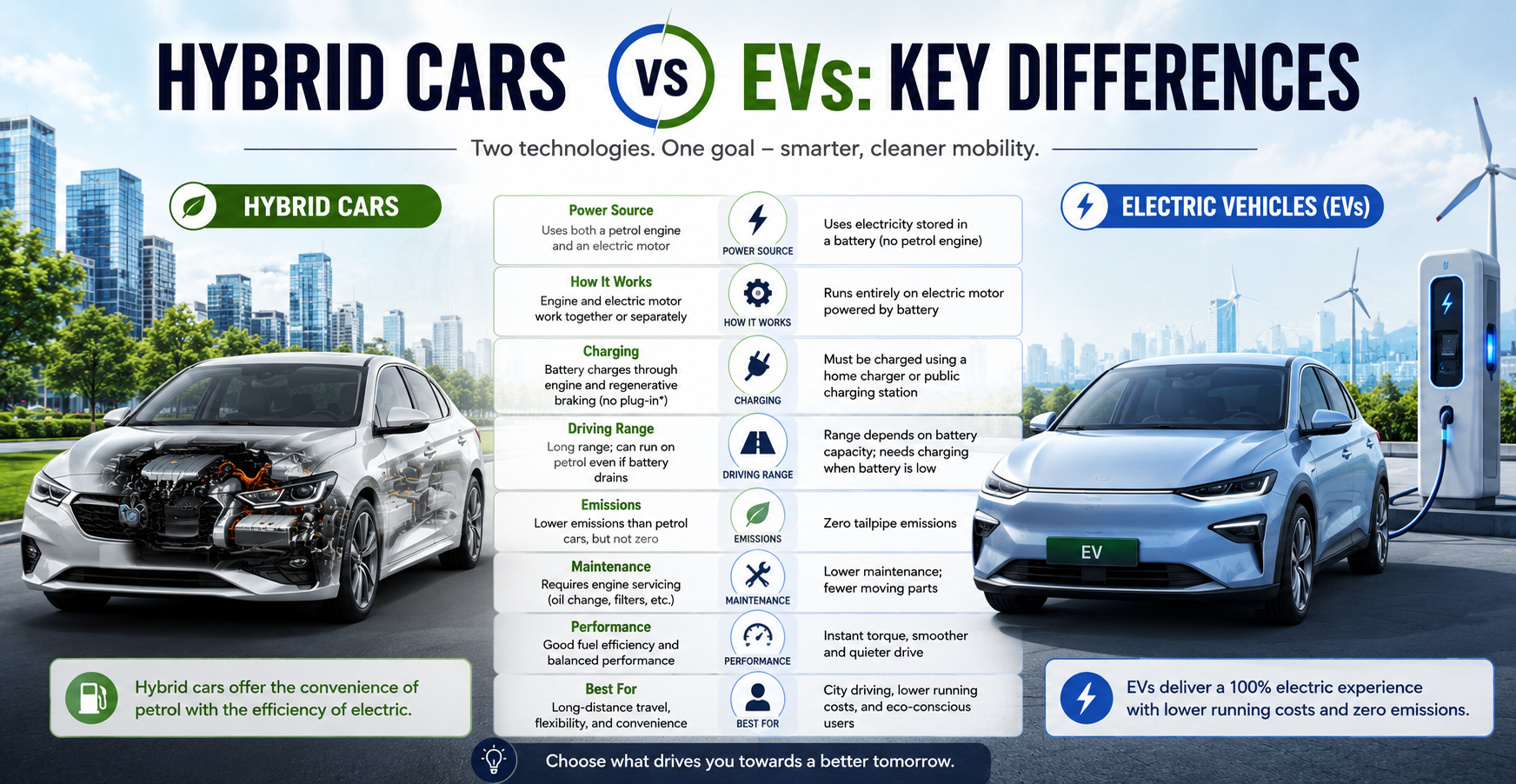
At first glance, hybrid cars and electric vehicles (EVs) may seem similar because both aim to reduce fuel consumption and lower emissions. However, they differ significantly in terms of technology, performance, running costs, and everyday convenience. Understanding these differences can help you choose a vehicle that aligns with your driving habits and long term expectations.
The most noticeable difference lies in their power source. A hybrid car uses a combination of a petrol engine and an electric motor. Depending on driving conditions, the vehicle automatically switches between the two or uses both together to improve fuel efficiency. Since the battery is recharged through regenerative braking or the engine itself, there is no need to plug it in for charging in most hybrid models.
An EV, on the other hand, relies entirely on electricity stored in a battery pack. It has no petrol engine and must be charged using a home charger or a public charging station. Because electric motors deliver instant torque, EVs offer quicker acceleration and a quieter driving experience compared to hybrid cars.
When it comes to driving range, hybrids generally have an advantage because they can continue running on petrol even after the battery is depleted. EVs have a fixed battery range that varies depending on the model, driving style, and road conditions. However, modern EVs available in India now offer ranges of over 400 kilometres on a single charge, making them suitable for both city commutes and occasional highway trips.
Another important difference is maintenance. Hybrid cars still require regular servicing for the petrol engine, including oil changes and filter replacements. EVs have fewer moving parts, resulting in lower maintenance requirements and reduced servicing costs over time.
From an environmental perspective, EVs produce zero tailpipe emissions, making them a cleaner option. Hybrid cars emit less pollution than conventional petrol vehicles but still consume fossil fuels. While hybrids offer familiarity and convenience, EVs represent the future of sustainable mobility.
Ultimately, the choice depends on your lifestyle. Drivers who value flexibility and long distance travel may find hybrids more practical, while those seeking lower running costs and eco friendly transportation may benefit more from an electric vehicle. At Creckk, we encourage buyers to compare these factors carefully before making a purchase.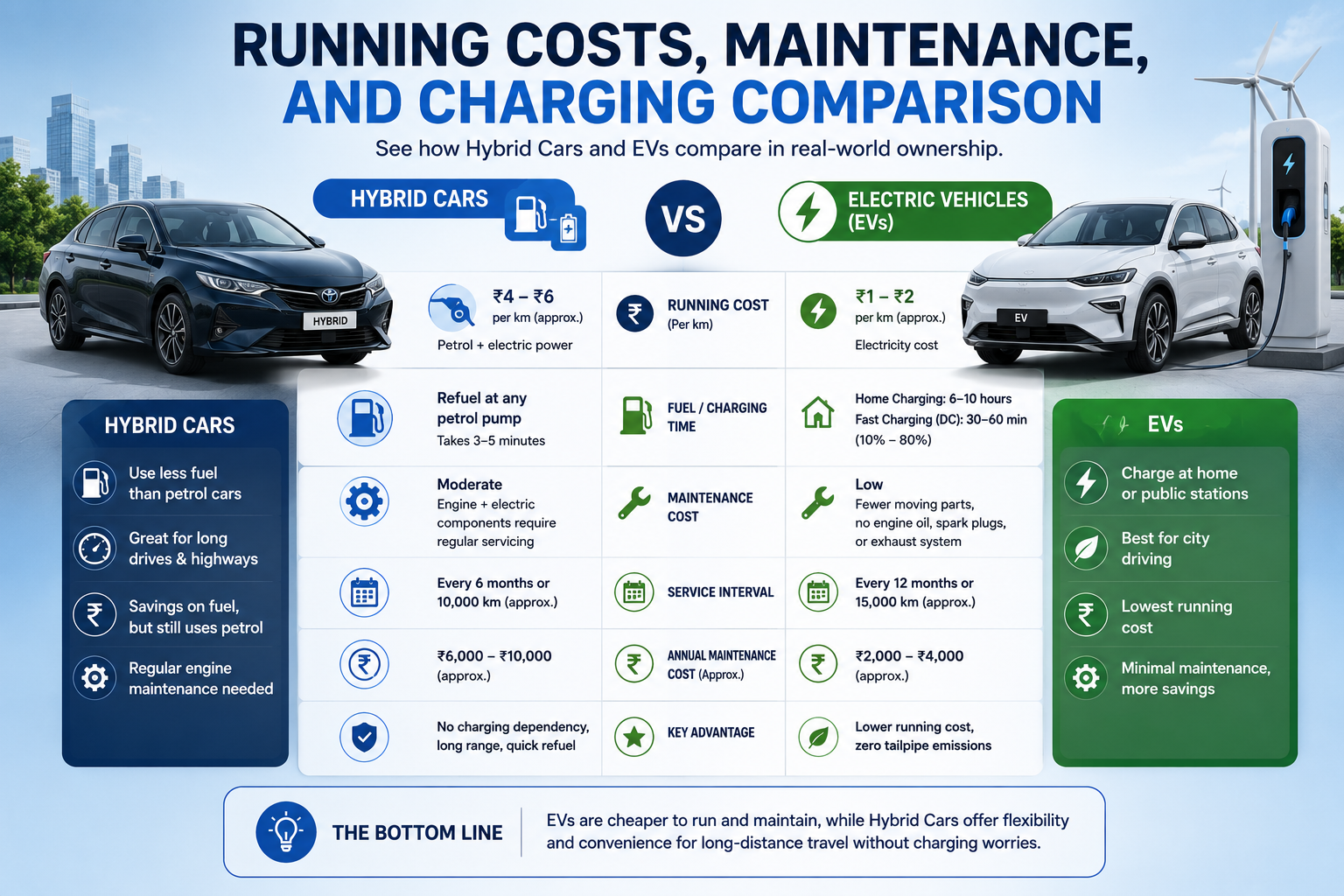
Running Costs, Maintenance, and Charging Comparison
For many Indian car buyers, ownership costs matter just as much as the purchase price. While hybrid cars and EVs both help reduce fuel expenses compared to traditional petrol or diesel vehicles, they differ considerably in running costs, servicing requirements, and charging convenience.
Electric vehicles are generally more economical to operate because electricity costs significantly less than petrol on a per kilometre basis. Charging an EV at home during off peak hours can further reduce expenses, making it an attractive option for people who drive regularly. Although public fast chargers may cost more than home charging, the overall running cost of an EV remains lower than that of most conventional vehicles.
Hybrid cars also offer impressive fuel savings by combining electric power with a petrol engine. During slow moving traffic and city driving, the electric motor reduces fuel consumption by assisting the engine or powering the vehicle independently for short distances. However, because hybrids still use petrol, their running costs are usually higher than those of EVs over the long term.
Maintenance is another area where EVs have an advantage. Since they do not have engine oil, spark plugs, timing belts, or many other mechanical components found in petrol vehicles, routine servicing is simpler and often less expensive. Hybrid cars still require engine maintenance alongside care for the electrical components, although modern hybrid systems are designed for reliability and durability.
Charging infrastructure is an important consideration for EV buyers. Home charging is the most convenient and affordable option, especially for people with dedicated parking spaces. Public charging networks across India are expanding rapidly, particularly in major cities and along key highways. Even so, charging still takes longer than refuelling a petrol vehicle.
Hybrid cars eliminate this concern because they can be refuelled at any petrol station within minutes, making them particularly suitable for drivers who frequently travel long distances or live in regions where charging infrastructure is limited.
When evaluating long term ownership costs, it is essential to consider your annual mileage, access to charging facilities, and driving habits. For daily city commuting, an EV often delivers greater savings. For mixed driving conditions and extensive highway travel, a hybrid remains a practical and dependable choice. At Creckk, we recommend choosing a vehicle that complements your lifestyle rather than simply following market trends.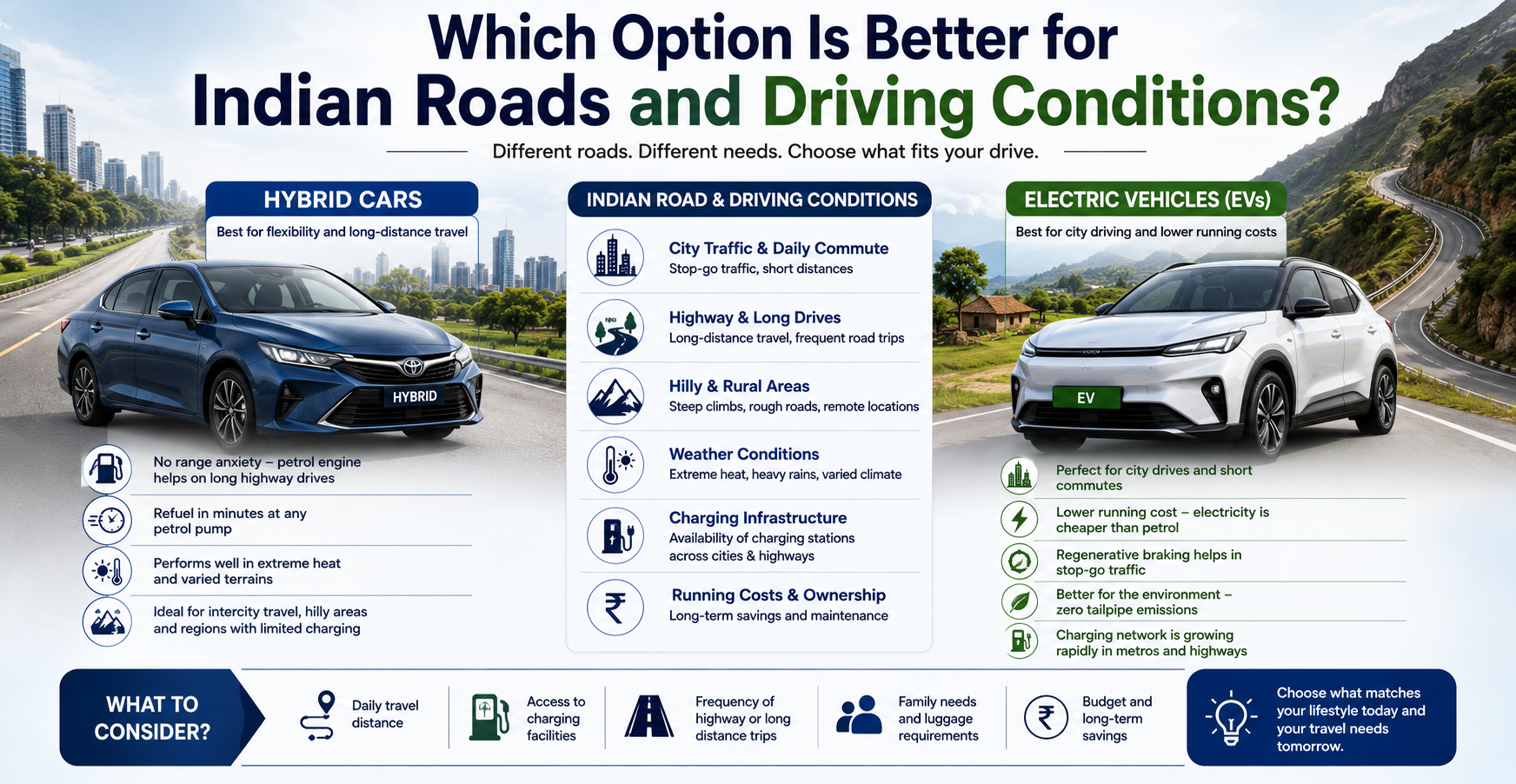
India's diverse road network and driving conditions make choosing the right vehicle more important than ever. From congested city streets and smooth expressways to rural roads and hilly terrain, every journey presents different challenges. This is why the decision between a hybrid car and an electric vehicle should be based on your daily driving habits rather than simply following the latest automotive trend.
For city commuters, EVs are an excellent choice. Frequent stop and go traffic allows regenerative braking to recover energy efficiently, helping improve battery performance and driving range. Since most daily commutes in Indian cities are under 50 kilometres, many EV owners can comfortably drive for several days before needing to recharge. Home charging overnight adds further convenience, making EV ownership practical and cost effective.
Hybrid cars are particularly well suited for drivers who frequently travel between cities or cover long distances. Because they use both a petrol engine and an electric motor, hybrids eliminate concerns about charging availability and range anxiety. Refuelling takes only a few minutes, making them ideal for road trips and areas where public charging stations are still limited.
Weather conditions also play a role. Modern EV batteries are designed to perform well in India's climate, but extremely high temperatures or heavy use of air conditioning can slightly reduce driving range. Hybrid cars are generally less affected by such conditions because the petrol engine can provide additional power whenever needed.
Another important factor is infrastructure. While charging stations are expanding rapidly across metro cities and national highways, they are not yet as widespread as petrol pumps. Buyers living in apartments without dedicated parking or charging access may find hybrid cars more convenient until charging facilities improve further.
Budget conscious buyers should also consider long term ownership costs. EVs typically have lower running and maintenance expenses, making them economical for daily use. Hybrid cars, although slightly more expensive to maintain, provide flexibility and peace of mind for varied driving conditions.
Ultimately, neither option is universally better. Urban commuters with reliable charging access may benefit more from an EV, while families, frequent travellers, and drivers in smaller towns may find hybrid cars to be the more practical solution. At Creckk, we encourage every buyer to evaluate their lifestyle, travel patterns, and future needs before making a final decision.
Both hybrid cars and electric vehicles have transformed the automotive industry by offering cleaner and more efficient alternatives to traditional petrol and diesel vehicles. However, each technology comes with its own strengths and limitations. Understanding these advantages and disadvantages can help buyers make a well informed decision.
The right choice depends on your priorities. If convenience and long highway journeys are important, a hybrid car is an excellent option. If your focus is reducing fuel expenses and environmental impact, an EV offers significant long term benefits. As technology continues to improve, both vehicle types are becoming more practical for Indian buyers. At Creckk, we believe understanding these trade offs helps you invest in a vehicle that truly suits your needs.
The debate between hybrid cars and electric vehicles does not have a one size fits all answer. Instead, the better choice depends on your driving habits, budget, and access to charging infrastructure. Both technologies offer significant advantages over conventional petrol and diesel vehicles, but they serve different types of drivers.
If your daily routine involves city commuting with predictable travel distances and you have access to home or workplace charging, an electric vehicle is likely the smarter investment. Lower running costs, reduced maintenance, and zero tailpipe emissions make EVs an attractive option for long term ownership. As India's charging network continues to expand, electric vehicles will become even more convenient and practical for a larger number of buyers.
On the other hand, if you frequently travel on highways, live in areas where charging stations are limited, or simply want the familiarity of quick refuelling without worrying about battery range, a hybrid car offers an excellent balance of efficiency and convenience. It combines the reliability of a petrol engine with the fuel saving benefits of electric assistance, making it a practical transition toward cleaner mobility.
The future of mobility in India is undoubtedly electric, but hybrid technology will continue to play an important role during this transition. Rather than choosing based on trends, buyers should focus on how and where they drive. A vehicle that complements your lifestyle will always provide better value than one chosen solely for its technology.
Whichever option you choose, maintaining your vehicle with high quality accessories can improve comfort, safety, and everyday convenience. From premium interior upgrades to essential maintenance products, Creckk offers a wide range of car accessories designed for both hybrid cars and EVs. By making informed decisions and investing in the right accessories, you can enjoy a safer, smarter, and more enjoyable driving experience for years to come.